📸 SNAPSHOT - Issue 100
Welcome to a brand new Issue of my Magazine. A truly brilliant one, enjoy the read :)
In partnership with


In this Issue
TTArtisan’s New Limited Edition Lens
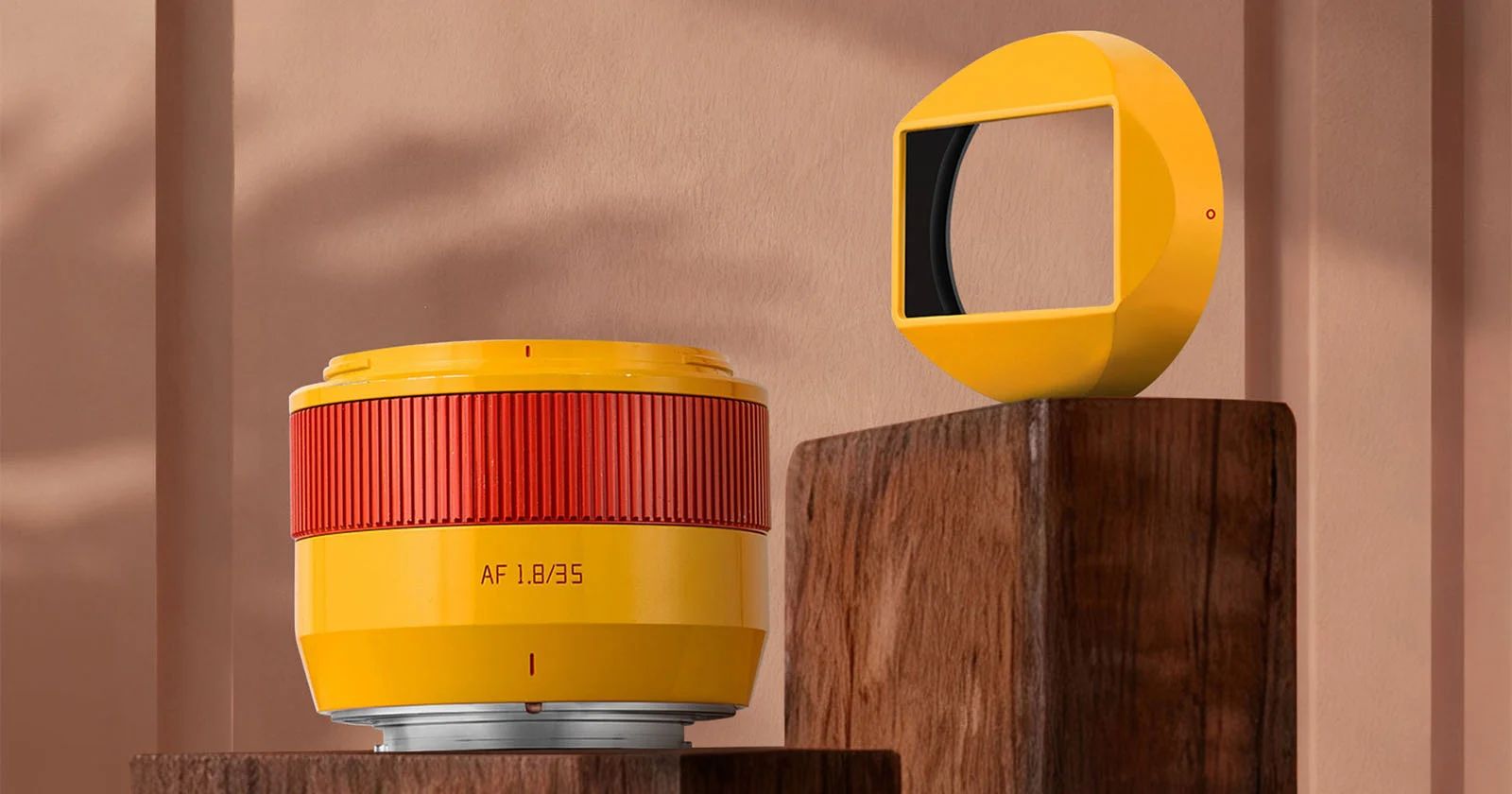
TTArtisan has introduced a limited-edition version of its AF 35mm f/1.8 II APS-C prime, finished in a loud yellow-and-red colour-way it calls “Orange Pop.” There is no official Kodak branding anywhere, but the colour reference is obvious. Whether that is fun or a bit much will really depend on your personal taste.
Under the paint, nothing has changed. This is the same AF 35mm f/1.8 II that TTArtisan already sells in black and silver. It covers an APS-C image circle, giving a field of view equivalent to just over 50mm on most crop-sensor cameras. The body is made from 5052 aviation-grade aluminium and weighs 200 grams, so it is still a compact, lightweight lens.

The optical design consists of 10 elements in seven groups, including two high-index elements and two ED elements. The goal here is to keep aberrations under control while still delivering decent sharpness and pleasant background blur. Based on TTArtisan’s sample images, the lens produces fairly noticeable cat’s-eye bokeh toward the edges of the frame, which some photographers enjoy and others may find distracting.
Autofocus is driven by an STM with a lead-screw stepping motor. TTArtisan says it is quick and quiet, and the lens supports face and eye detection on compatible Sony, Fujifilm, and Nikon cameras. Minimum focusing distance is 0.4 meters, which is close enough for portraits, food shots, and general everyday photography.
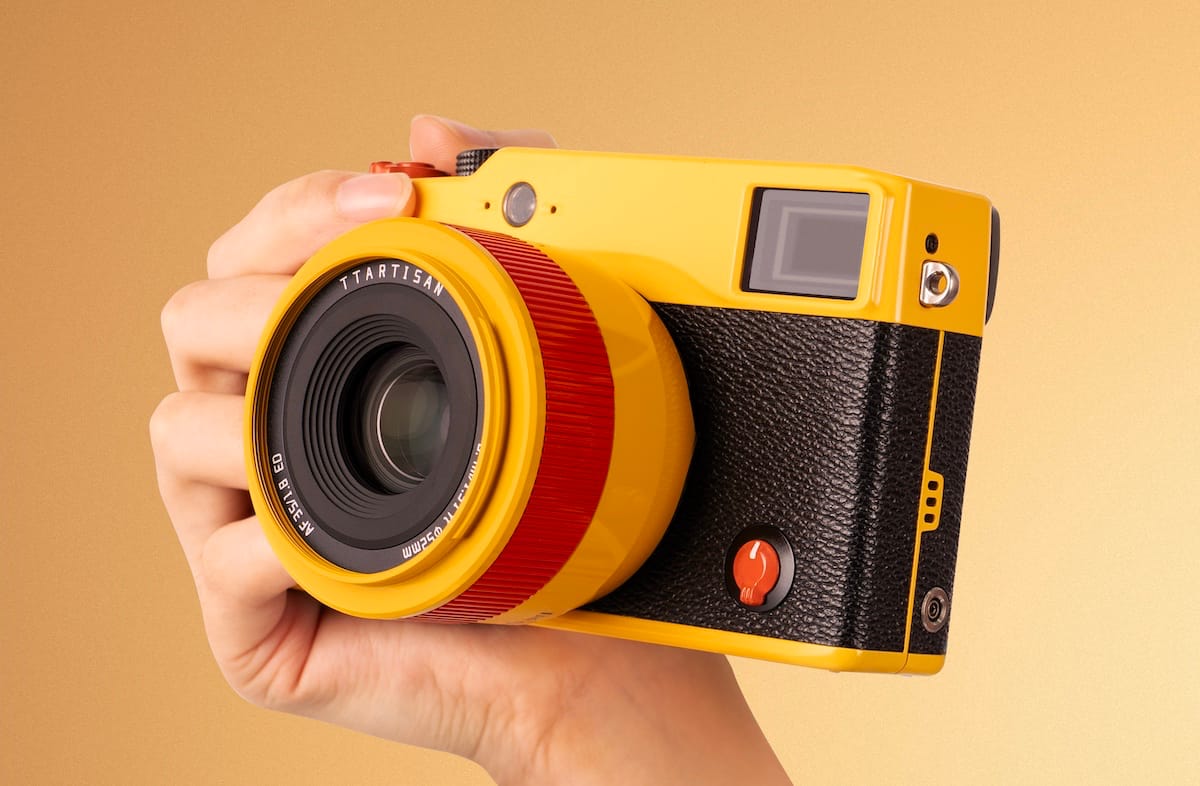
Like TTArtisan’s other recent autofocus lenses, this one includes a USB-C port hidden inside the rear lens cap for firmware updates.
Visually, though, the “Orange Pop” finish is the whole point. The bright yellow barrel and red focus ring are deliberately bold, and they are going to be polarising. TTArtisan has played with strong colours before, from its red “Year of the Ox” lens to a gold-plated Leica M-mount lens, and reactions have been mixed every time. In this case, the colours are meant to match TTArtisan’s Mini LED Light released in 2024, which looks like a classic Kodak film canister. That makes some sense as a matching accessory, but a permanently bright lens on the front of your camera is probably a much bigger statement than a small clip-on light.

The TTArtisan AF 35mm f/1.8 II “Orange Pop” lens is available now for Sony E, Fujifilm X, and Nikon Z mounts. It is priced at $140, which is slightly more than the standard black or silver versions.
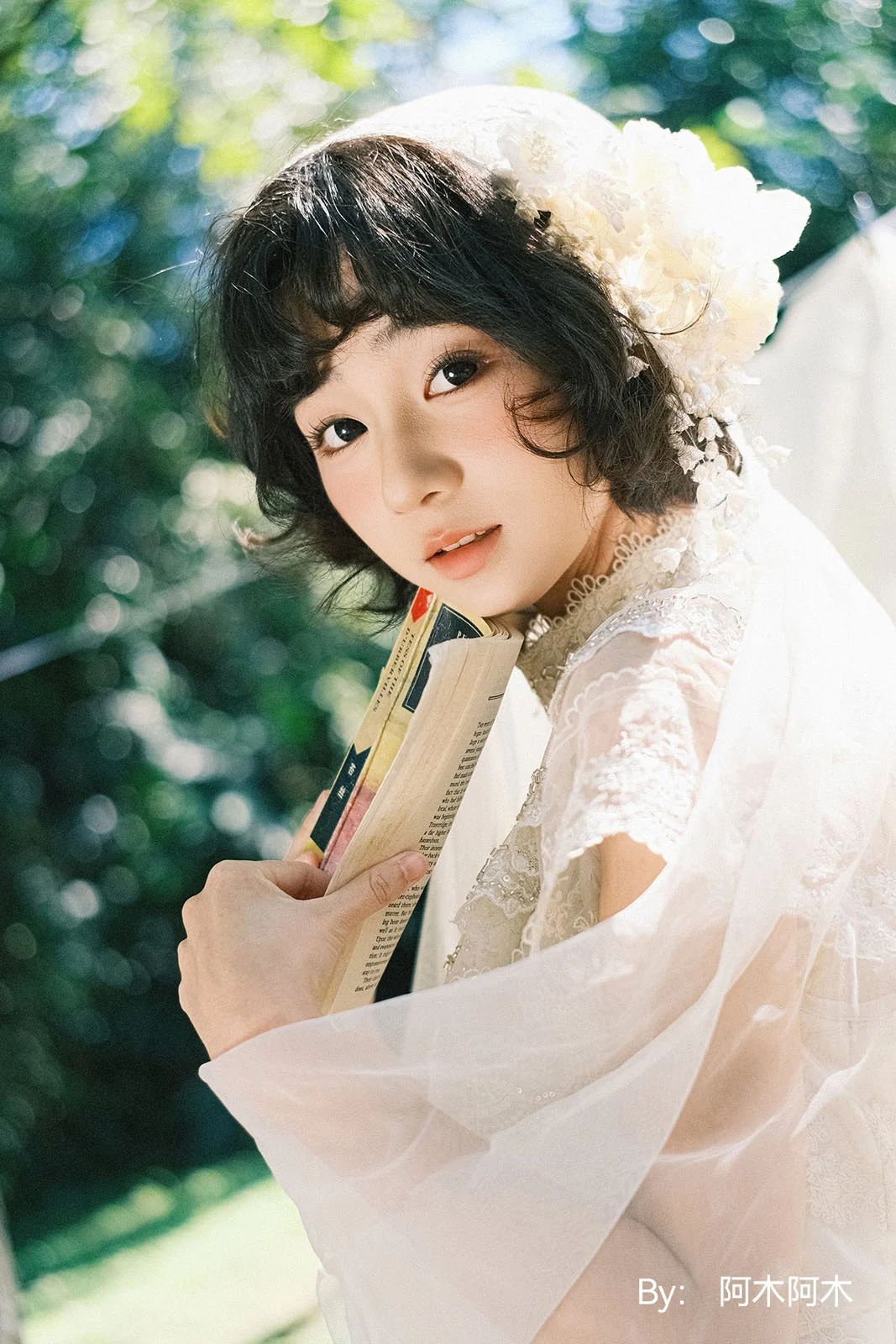
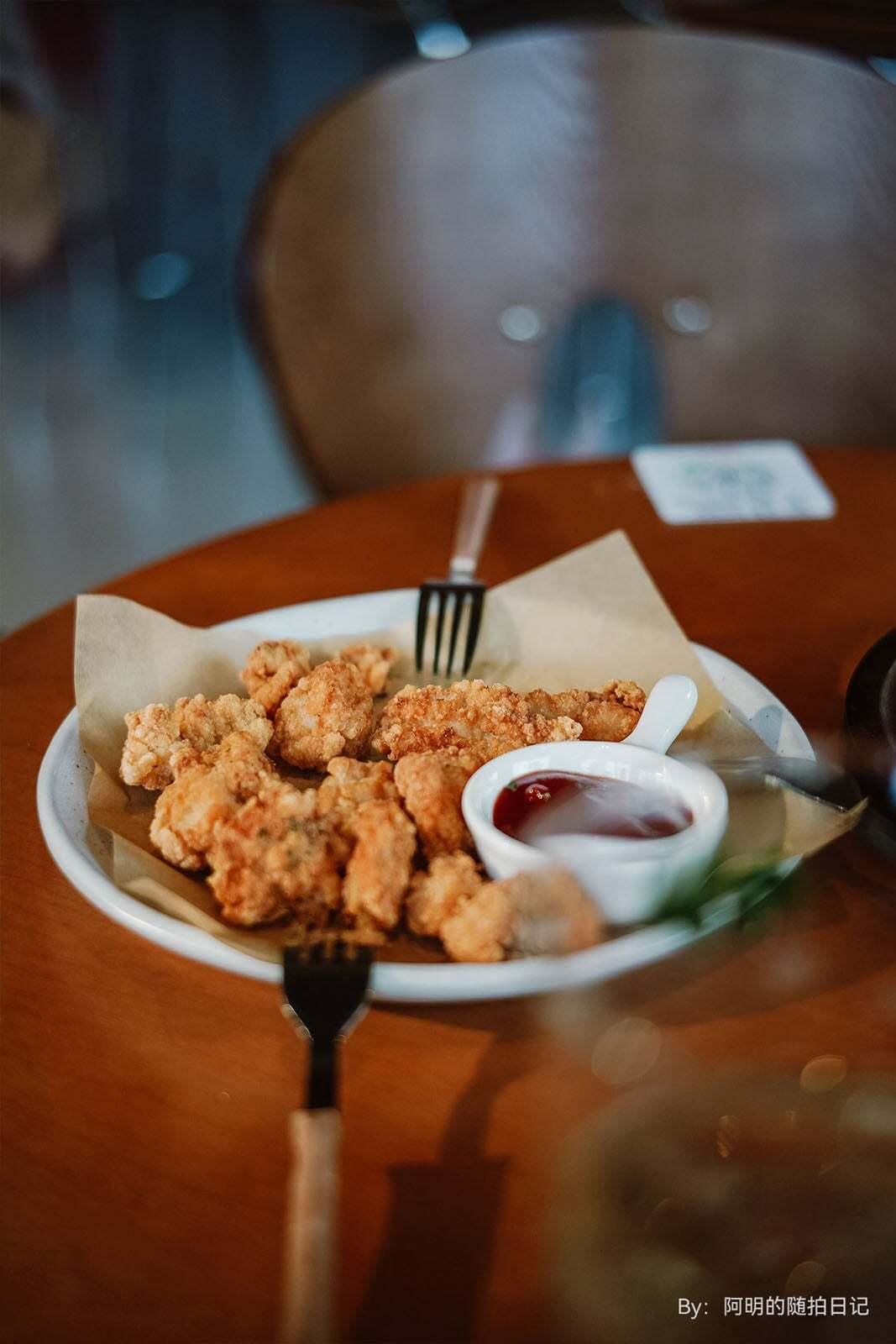
A few sample shots:

Learn The Art Of Photography

Get full and free access to my Creator University - The World’s Best Online University for Photographers & Creatives: Get access to hundreds of amazing photography courses, learn from professional photographers, connect with students and much more!
Interview with Alina Behfar
This week’s Interview with Alina, a talented photographer from Germany. I am truly honoured to have had the opportunity to interview her again, this time with a closer look at her newer work!
You can find her on Instagram as: @alina.beez
Enjoy the amazing Interview ;)

Can you introduce yourself to my readers?
My name is Alina, and photography and videography became a way for me to give my creativity a real place to live. I’ve always had this urge to create, to observe, and to turn what I see and feel into something visual. Picking up a camera helped me channel that energy in a way that felt natural. Photography is something I do because I need a creative outlet.
How did your photography journey begin?
It actually started with short video clips on my iPhone. I was experimenting with matching visuals to music, cutting clips together, and trying to create a certain mood. This was before Reels were even a thing, so it was purely for myself. I loved how video allowed me to play with rhythm and atmosphere, but at some point I realized I was missing something. I wanted to capture a single moment that could stand on its own without movement or sound. That’s when I shifted more toward photography. The challenge of creating one strong frame instead of a sequence really appealed to me. It forced me to think differently about composition, light, and timing. Even though photography became my main focus, I never completely stopped shooting video. I still enjoy switching between the two because they influence each other.

How do you determine the right camera settings for a particular shot?
After years of experimenting, shooting in manual mode feels completely natural to me. It gives me full control, and I like knowing exactly why an image looks the way it does. Especially at night, I’m very careful with ISO. I always try to keep it as low as possible to avoid noise and keep the image clean. Aperture is where I make more creative decisions. Sometimes I want a very shallow depth of field to isolate a subject and create a soft, dreamy look. Other times I want more sharpness and detail across the frame. The most important part is understanding light. Once you understand how light behaves and how your camera reacts to it, choosing settings becomes intuitive.
You do travel a lot. What location was your favourite to shoot?
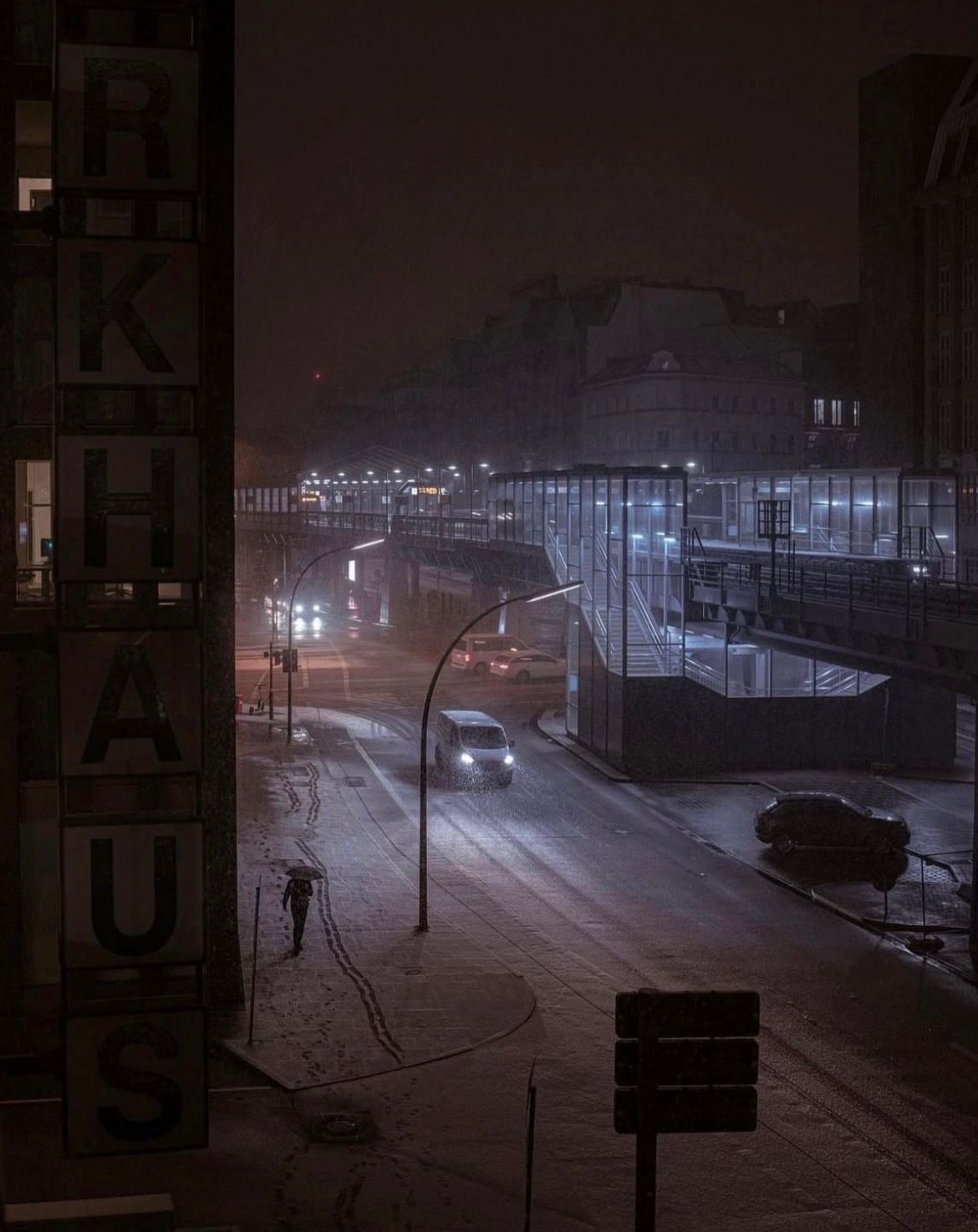
People often think I travel constantly, but a lot of my work actually comes from my hometown, Hamburg! I strongly believe that you don’t have to go far to find interesting scenes. If you really observe your surroundings, even familiar streets can offer new images. That said, London has been my favorite city to shoot so far. It has an incredible mix of old and new architecture, constantly changing light, and a very dynamic street life. You can walk the same route twice and get completely different scenes.
How do you edit your photos and what software do you use?
I only use Lightroom, and I edit every photo individually. I don’t work with presets anymore because they started to feel limiting. Every image has its own mood, light, and atmosphere, and applying the same look to everything just didn’t make sense to me. Editing for me is about enhancing what’s already there, not transforming the photo into something it wasn’t. If an image needs extreme editing to work, it usually means the photo wasn’t strong enough in the first place.
Do you prefer street photography or nature and landscape photography, and why?
I mainly shoot street photography because I’m drawn to the energy, movement, and spontaneity of urban environments. Streets are unpredictable, and that’s what excites me. You can’t control what happens, and you have to react quickly. That keeps photography interesting for me. At the same time, I really admire landscape and nature photography. Some photographers have an incredible ability to make nature feel alive and emotional through their images. I enjoy looking at that work and learning from it, but when I’m shooting myself, I always come back to the street.
What gear do you use?
I shoot with a Sony A7 IV. My main lenses are the Sigma Art 35mm f/1.2, the Sony GM 24mm, and the Sony GM 135mm. The 35mm is my go-to lens because it feels very natural and versatile. It works well for street photography and low-light situations. The 24mm is great when I want to include more of the environment and create a stronger sense of space. The 135mm gives me beautiful compression and is perfect when I want to isolate subjects.
What is your ultimate goal as a photographer?
My main goal is to always enjoy photography. It started as a creative outlet, and I never want it to turn into something that feels different. The moment photography becomes pressure instead of joy, I know I need to step back. I want to keep evolving, trying new things, and staying curious. Growth is important, but not at the cost of enjoyment. If people connect with my work along the way, that’s amazing, but it’s not the main goal. Photography has to stay honest and personal for me.
Do you like to shoot alone or with company, and why?
Most of the time, I prefer shooting alone. I put on my headphones, play music, and completely focus on what’s happening around me. I don’t have to talk, explain, or adjust to someone else’s pace. I can stop whenever I want and wait as long as I need for a moment to happen. There are a few people I enjoy shooting with because we work well together and understand each other’s rhythm, but generally, I’m most productive on my own.
What role does intuition play when you’re shooting on the street?
Intuition plays a big role, especially now. Early on, I thought a lot about rules and settings. Over time, those things became automatic. Now I react more than I think. If something feels visually interesting, I stop. If it doesn’t, I keep walking. That instinct comes from experience. The more you shoot, the faster your brain recognizes patterns and moments worth capturing.
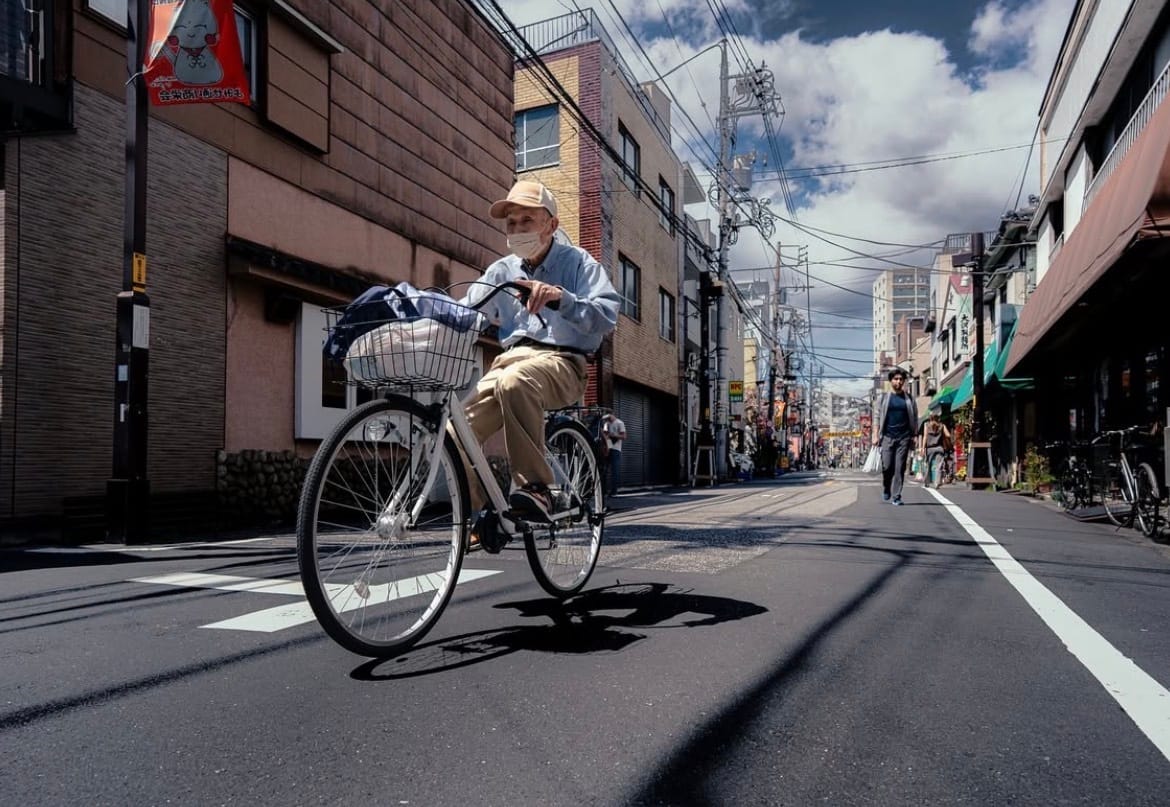
How do you choose between shooting wide or isolating a subject?
That decision usually comes from the scene itself. If the environment adds something important, I shoot wider and include more context. If the background is distracting or unnecessary, I isolate the subject.
What kind of images do you delete without hesitation?
Anything that feels undecided. Photos where I didn’t fully commit to the framing, the distance, or the moment. If it looks like I hesitated, the image usually shows it. I also delete images that rely too much on editing to work. If a photo needs heavy fixes to become interesting, it’s not worth keeping.

Do you think “style” is something you build or something that just appears?
It sneaks up on you. You don’t decide it consciously. Style shows up when you look back at your work and notice patterns you didn’t plan.
What advice would you give to someone who is just starting out in photography?
Try everything. Experiment with different styles, settings, and genres before deciding what you like. There are no strict rules in photography, even though people often try to make it seem that way. Don’t let anyone tell you what’s right or wrong. Some of the most interesting images come from breaking conventions. Most importantly, shoot for yourself.
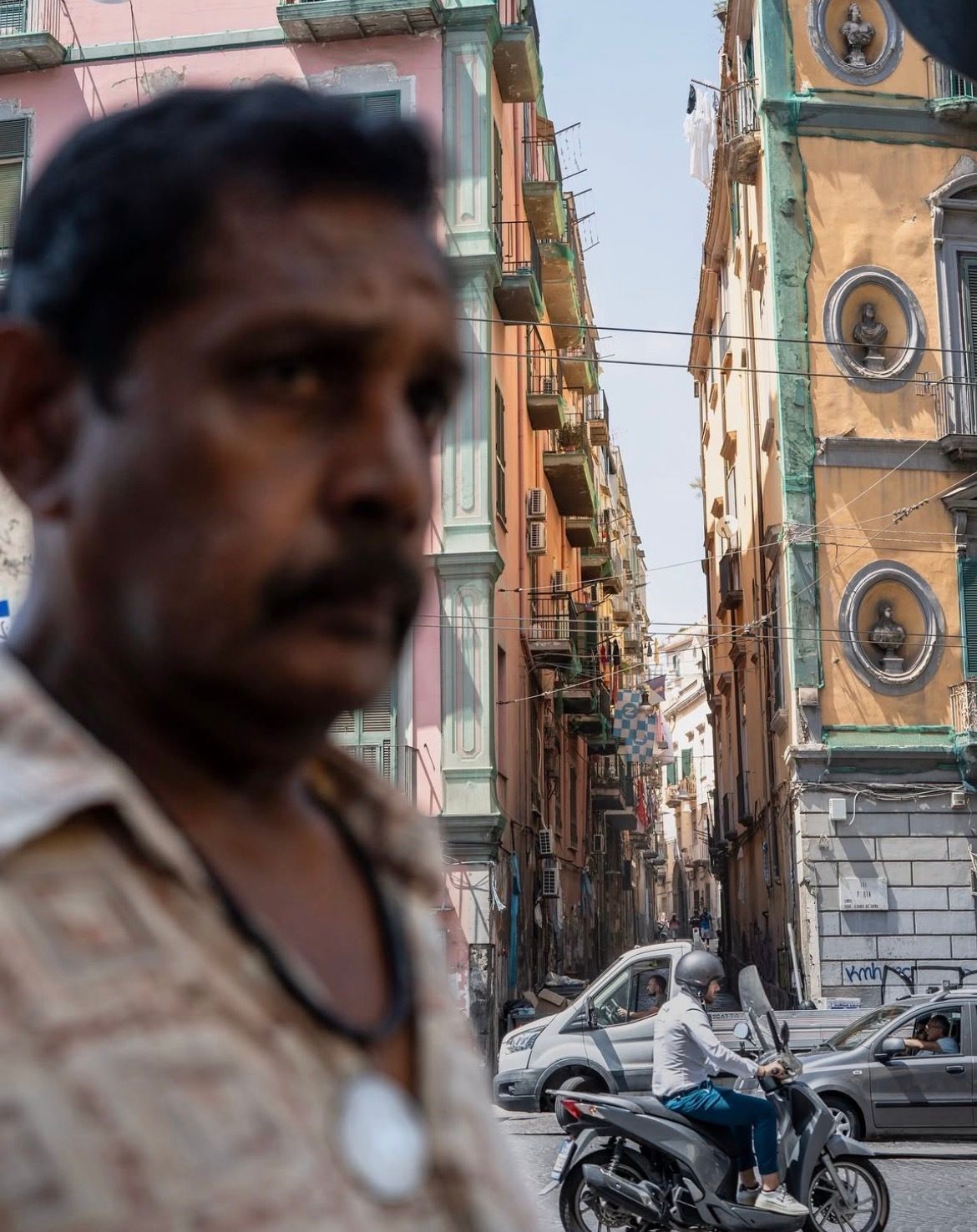
What’s one thing about photography that people often misunderstand?
A lot of people think photography is mostly about having the best gear, but that’s really not true. A good camera can help, but it won’t teach you how to see. What matters far more is your perspective, your patience, and your ability to notice moments. Some of my favorite images were taken with very basic equipment because the light and timing were right. Expensive gear doesn’t replace creativity or observation. Once people understand that, photography becomes much more accessible and enjoyable.
Recently you have been shooting a lot of abstract work, can you tell us a little bit about that?
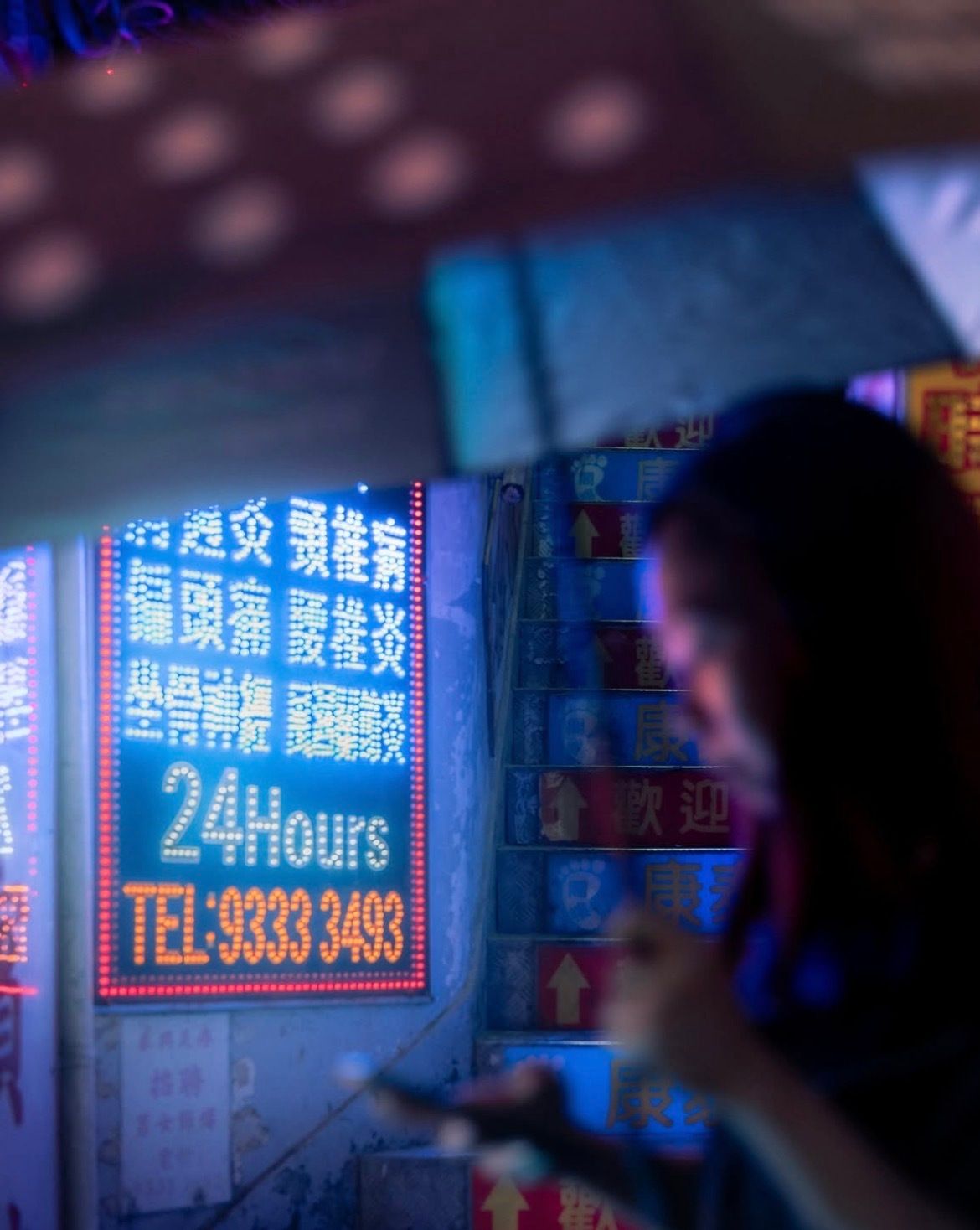
I’m not trying to explain the street anymore or show what exactly happened in a moment. I’m more interested in how it feels to move through it. When you’re walking through a city, especially in rain or low light, nothing is ever really still. People pass you, lights smear, umbrellas move in and out of your field of view, and you’re constantly adjusting your own pace and direction. That’s the experience I want to translate.
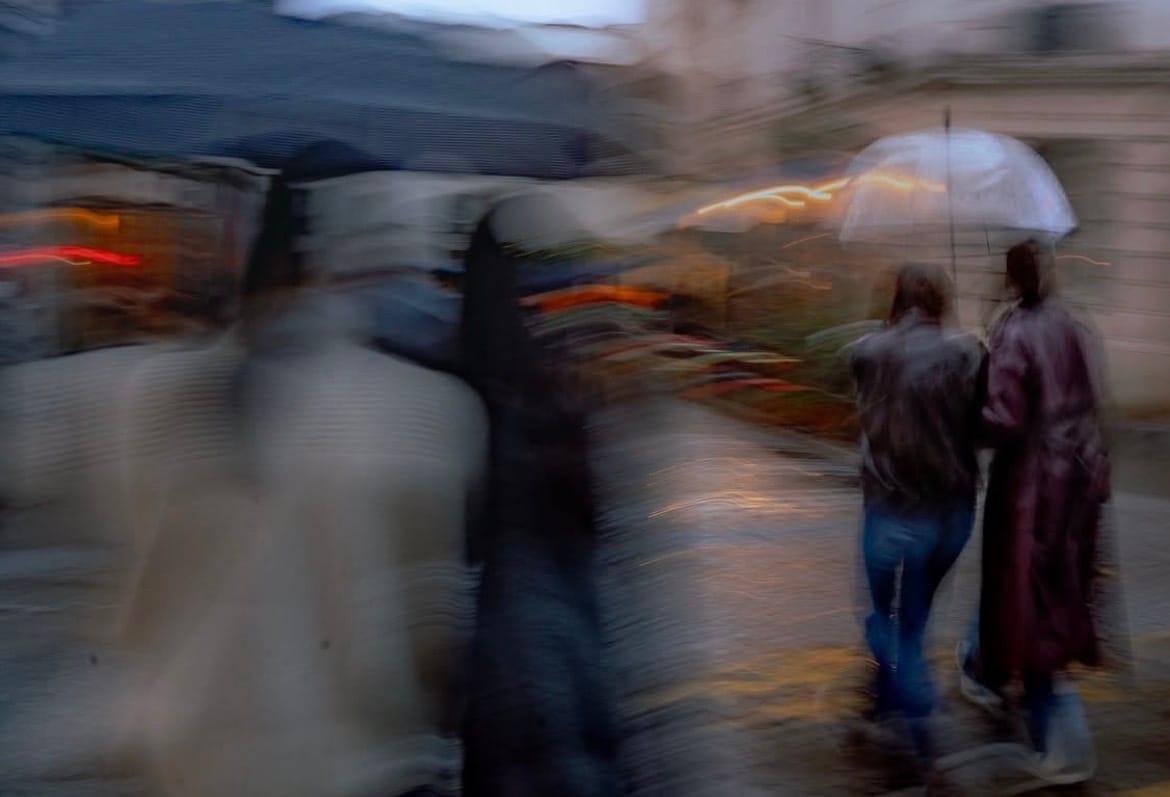
How much of the blur and distortion is planned versus instinctive?
There’s a basic idea, but nothing is tightly planned. I know I want motion, and I know I don’t want a frozen image. That’s the only clear decision. Everything else happens instinctively. I don’t calculate exact shutter speeds in my head. I work within a range I’m familiar with and adjust based on what I see. Sometimes the blur is too much and the image collapses. Sometimes it’s too controlled and looks boring. I expect a lot of failures. These images don’t work if you try to control them too much. You have to accept that most frames won’t survive.
What camera settings do you usually start with for this kind of abstract work?

The rest, 5 more questions of this Interview + an additional exclusive photograph selection, are for Premium subscribers only.
Leica’s Upcoming Noctilux Lens
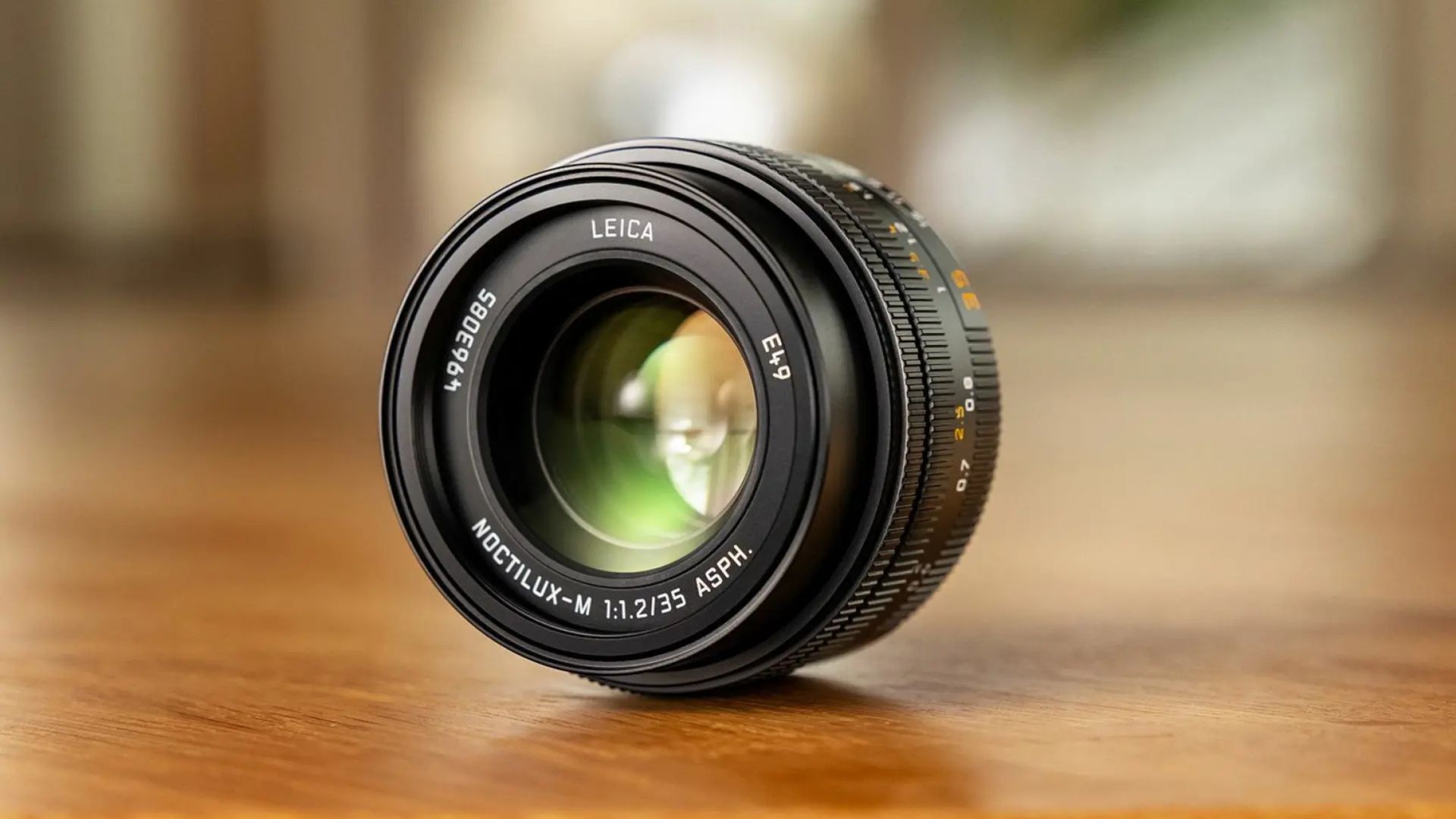
Specs and images of what looks to be a new Leica Noctilux lens have leaked on Weibo, giving us an early look at the rumoured Leica Noctilux-M 35mm f/1.2 ASPH. If the info is accurate, this would be a notable addition to Leica’s Noctilux lineup, bringing the series’ trademark large aperture to a wider 35mm focal length.
Based on the leaked details, the lens uses an aluminium body rather than heavier brass, which likely explains the relatively modest reported weight of 416 grams. That is still not light, but for a fast f/1.2 M-mount lens, it is fairly reasonable. The finish is said to be anodised, and the overall length is listed at about 5 cm. The lens reportedly uses a 49mm filter thread, keeping it in line with many other Leica M lenses.

Optically, the design is said to consist of 10 elements in five groups, including three aspherical elements and a floating element system. That combination suggests Leica is putting some effort into keeping performance consistent across the focusing range, rather than optimizing only for one distance. The minimum focusing distance is listed as 50 cm, pretty typical for M-mount lenses.
The headline feature, unsurprisingly, is the f/1.2 maximum aperture. Leica has not said anything officially about image quality yet, but the Noctilux name usually signals a focus on rendering, low-light capability, and character, not just clinical sharpness. The inclusion of multiple aspherical elements hints at an attempt to rein in aberrations that naturally come with such a fast aperture.

The leaked details also include a reported price of around €9,000. An announcement date of the 29th of this month is currently circulating, though Leica hasn’t confirmed anything publicly.
Get your Photos featured in this Magazine for Free
I am currently testing a new feature, where everyone can get a completely free chance to be featured in my magazine and get seen by thousands of photographers.
Advertisement (Absolutely make sure to check it out) ⬇️
Help us make better ads

Did you recently see an ad for beehiiv in a newsletter? We’re running a short brand lift survey to understand what’s actually breaking through (and what’s not).
It takes about 20 seconds, the questions are super easy, and your feedback directly helps us improve how we show up in the newsletters you read and love.
If you’ve got a few moments, we’d really appreciate your insight.
Photography Tip of the Week


The weekly photography tip is only accessible to Premium Subscribers of The Magazine For Photographers.
Photo Analysis
Welcome to the part of the Magazine Issue where we take a closer look at a photo and analyse it so that you can learn and better your own photography from it ;)
Photo by: @pekkavalitalo
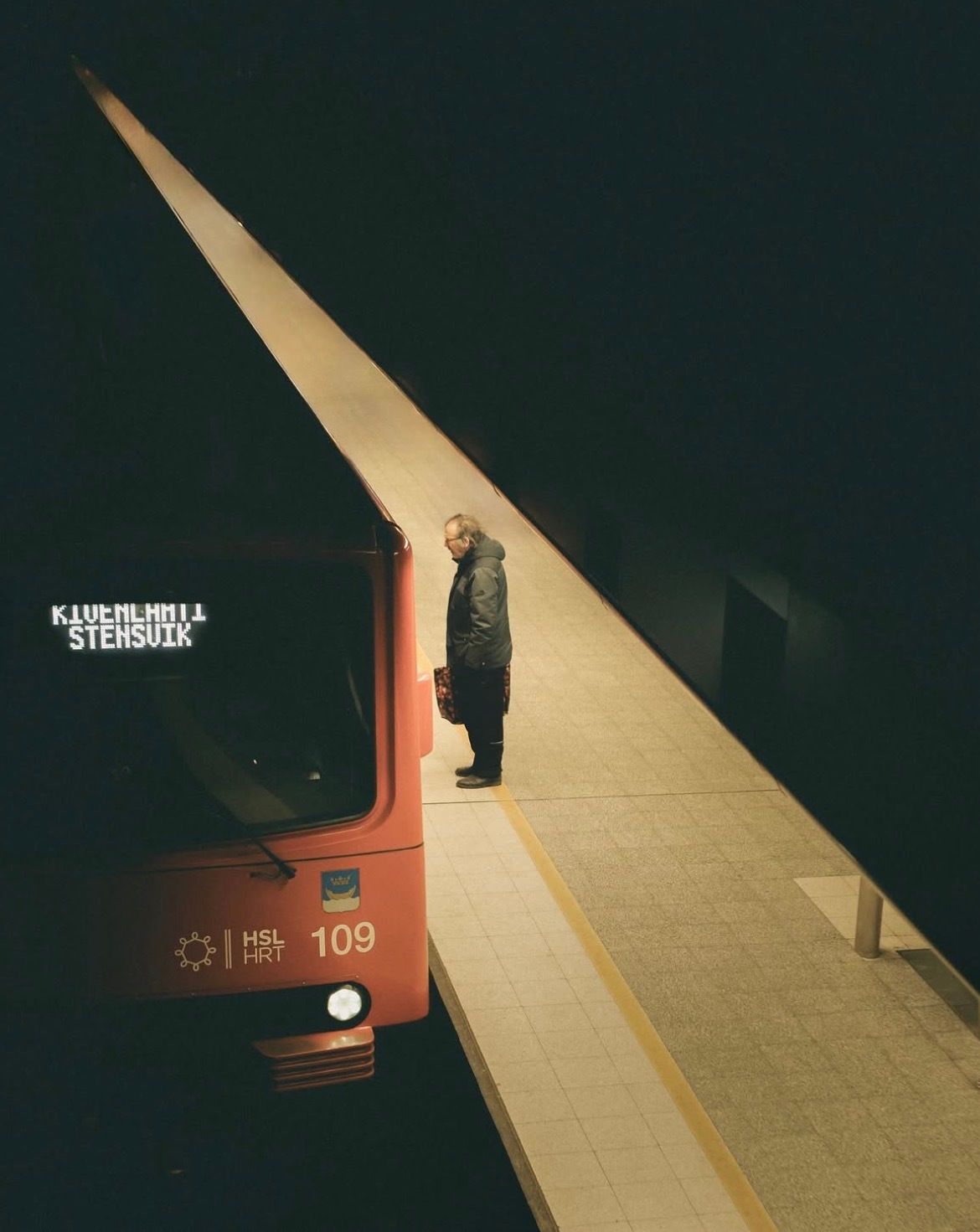
Composition & Framing
What works well:
The geometric composition is really strong. The diagonal light shape/the architecture of the station creates a very interesting, satisfying abstract look, which in my opinion is what makes this photo special.
The subject placement is great as well, the man is standing exactly where the light/architecture cuts through, which makes him the natural focal point without needing any extra tricks.
The train on the left acts as a solid visual anchor and balances the open platform space on the right nicely.
What could be better:
In the upper right ceiling area (/glass wall area), there is a faint reflection or highlight that slightly breaks the abstract and minimalist look (+it also pulls a bit of attention to be fair). Darkening or removing it could have made the photo feel even cleaner.
The small pole on the platform is a minor distraction. A slight repositioning right then and there while shooting, or simply removing it in post of course, could have again created a more ‘pure’, minimalist look.
Light & Atmosphere
What works well:
The light (well, technically the architecture) is definitely the star here, as touched on before. That bright wedge cutting diagonally through works both as a spotlight (more on that below) and as a leading line, not necessarily guiding your eye to the subject itself but onto the right path, in this case → from one edge of the shot to the other (and the subject happens to be in the middle of it).
The subject separation is great as well. The man’s dark clothing against the bright platform floor makes him pop immediately, even though he is not large in the frame or wearing any ‘‘crazy’’ colours.
The way the architecture “throws” the light looks very cool, it’s like the station itself is acting as a giant lamp shining onto our subject (the lamp look obviously being created by the fact that the light/(architecture) is ‘‘coming/shining’’ from the left top edge and then funnelling into the right bottom edge).
Overall, the atmosphere feels quiet, late, and introspective (more on that below).
What could be better:
The contrast is very strong, which works visually, but it also makes the transition from light to dark quite abrupt. Slightly softer roll-off could feel more natural.
The brightest white elements on the train (the headlight and text display) pull a bit of attention. Toning those down just slightly could keep the focus more on our subject (but it is not that bad).
The darkness is effective, but it also hides potential depth and texture that could have added even more atmosphere, but of course the darkness here is intentional and created the distinct abstract/minimalist look.
Emotion & Story
What works well:
Storytelling is actually quite strong here. You can see the man’s face enough to read fatigue, tiredness etc. which immediately humanises the scene.
His jacket, glasses, and briefcase strongly suggest that he is coming home from work, especially combined with the emptiness of the station.
The logos on the train are also a nice indication of where this shot was takes along with the station name displayed on the train, with that we know → this was taken in Helsinki, Finland.
What could be better:
We don’t see any interaction → it is a solitary moment, which works emotionally but limits the narrative complexity. But honestly overall it is already pretty good.
Colour & Tone
What works well:
The colour palette is restrained and neutral. Nothing feels overly saturated or artificial.
The warm tones here and there contrast nicely with the dark surroundings without becoming distracting.
The red of the train adds just enough colour interest while still staying within the overall muted look.
What could be better:
As mentioned before, some of the whites, especially on the train, feel a bit too bright and grab attention faster than needed.
The colour balance is clean overall, but leaning a touch bit cooler in the highlights might enhance the late-night feel a bit more.
Balance
The photo is intentionally asymmetrical, with most of the visual weight carried by the diagonal light/architecture and the train.
The darkness acts as negative space, partly framing + isolating the subject.
Our subject, though small, does hold the composition together because of the good placement.
Explore The World’s Best Photography Locations
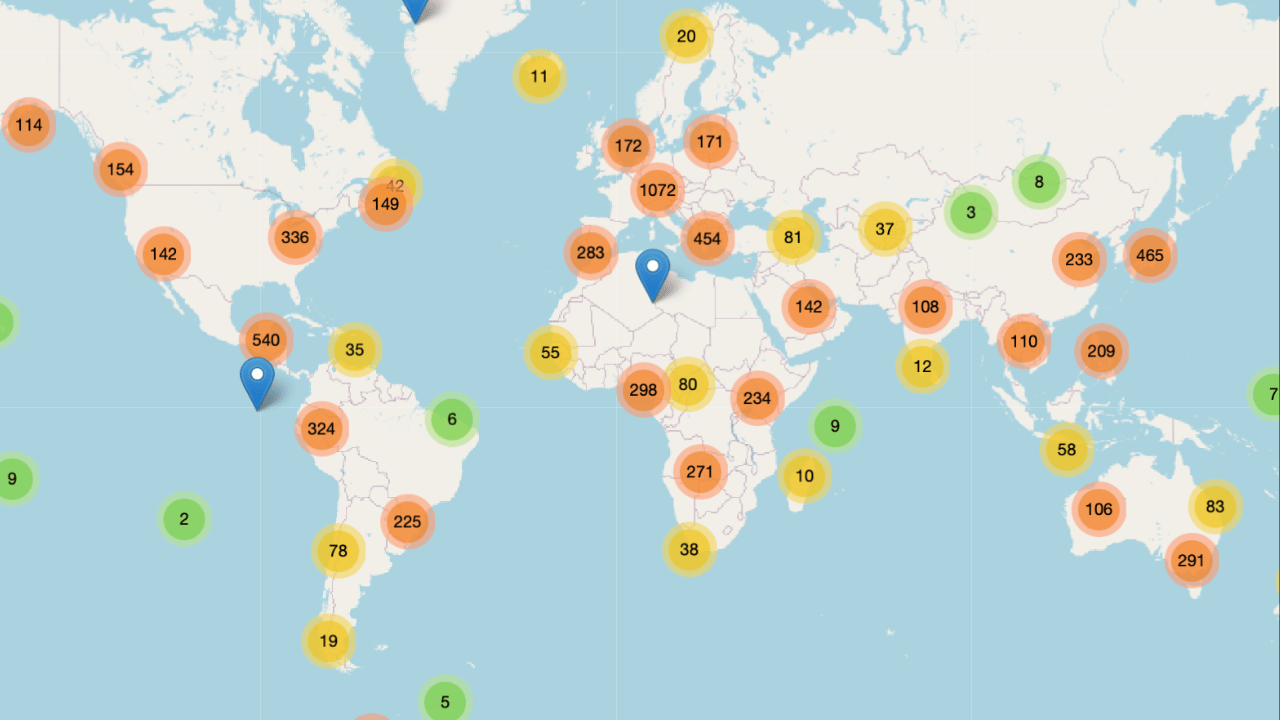
Get access to the world’s best photography location map - explore tens of thousands of amazing photo spots across the globe!
Photographer of the Week
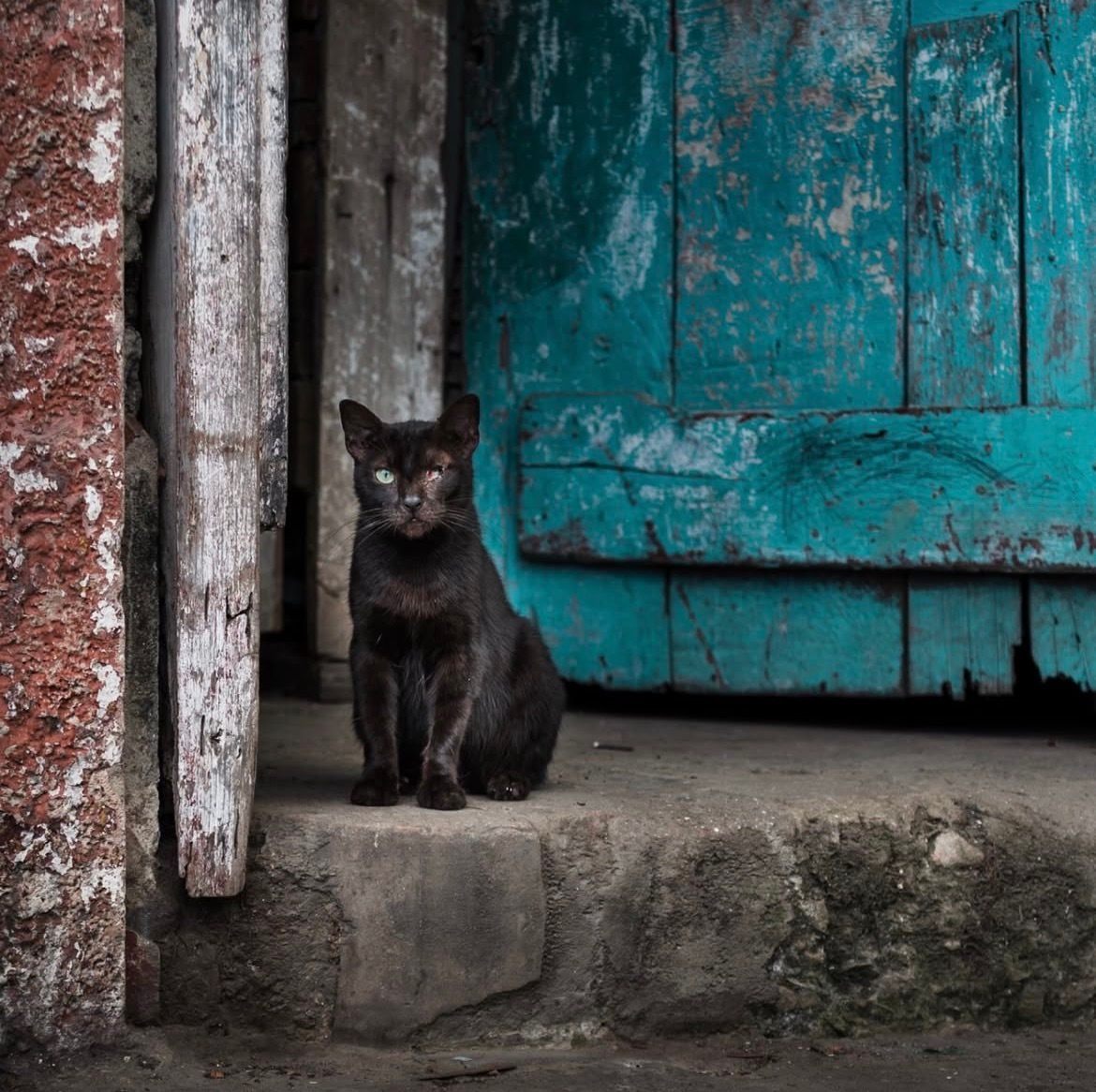
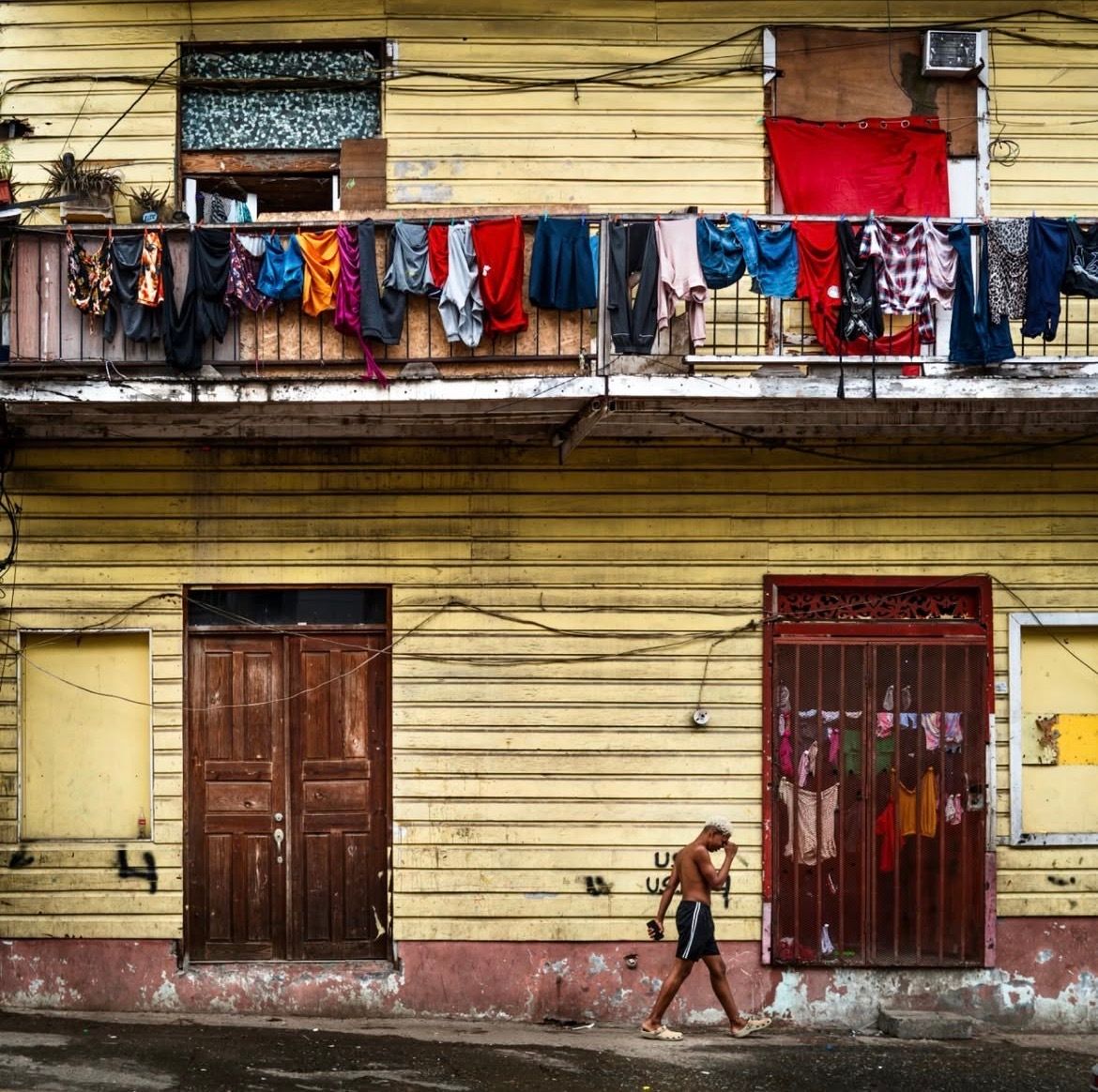
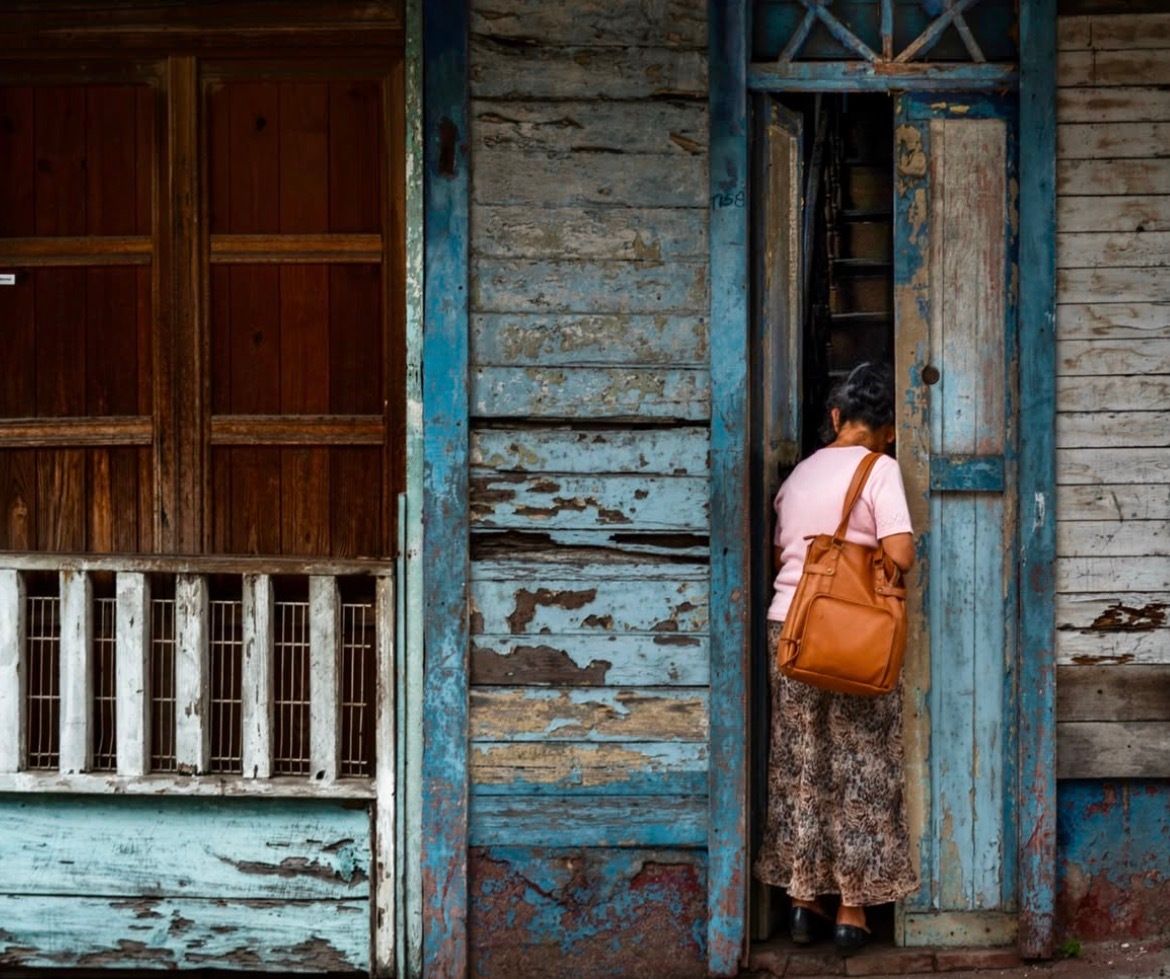
Photographer of the week goes to: Jonathan Varjabedian
You can find him on Instagram as: @framethestreetsdotcom
A few photos of his:
The Rest of this Issue is for Premium Subscribers
