📸 SNAPSHOT - Issue 106
Welcome to a brand new Issue of my Magazine. A truly brilliant one, enjoy the read :)
In partnership with


In this Issue
Yashica’s New Tank Compact Camera
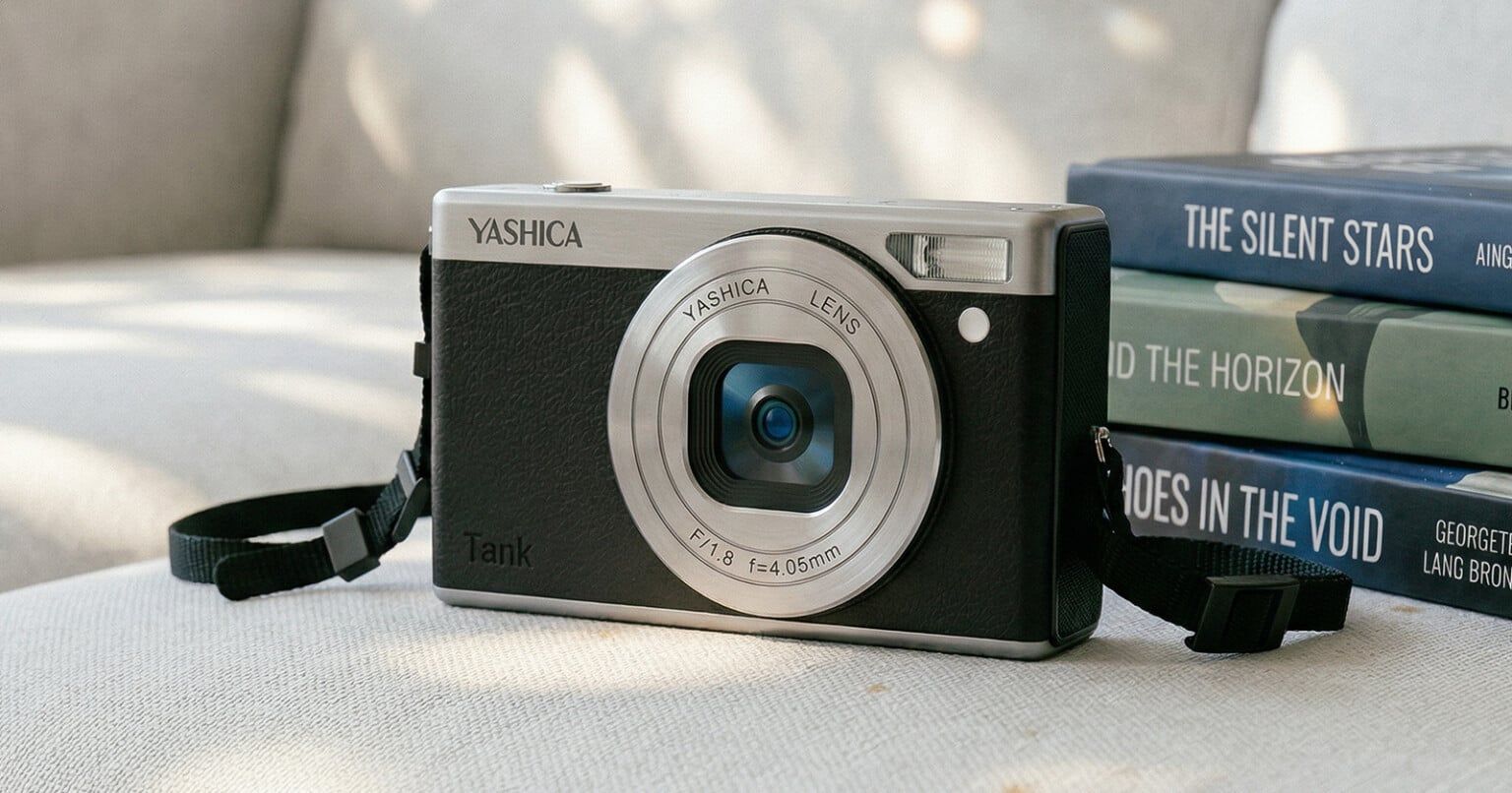
Yashica has announced a new compact digital camera called the Tank. It is a small, retro-looking camera with a flip screen and a very simple feature set.
According to the company, the idea behind the Tank is to bring back some of the feeling people had when they first started using digital cameras. Instead of focusing on lots of advanced features, the camera is meant to be straightforward and easy to use, encouraging people to just pick it up and start shooting.

“Tank is inspired by the excitement many people felt when they first picked up a digital camera: the thrill of pressing the shutter, the surprise of reviewing a photo, and the joy of documenting everyday life without overthinking it,” Yashica says. “From spontaneous street scenes to travel memories, Tank is built for real moments.”
The camera has a 3.0-inch LCD screen with a 16:9 aspect ratio and a resolution of 360 × 640 pixels. The display flips up 180 degrees, which makes it easier to shoot from high or low angles.

Physically, the Tank is quite small. It weighs about 125 grams (4.4 ounces) and measures roughly 12 × 2 × 5.5 centimetres (4.7 × 0.8 × 2.2 inches).
The design is clearly meant to stand out a bit. The body has a retro-style look with faux-leather finishing, and Yashica is offering it in four colours, Pink Marshmallow, Sky Blue, Black, and Brown.

Inside, the Tank uses a 12-megapixel Type 1/2.8 CMOS sensor. Yashica says the sensor is tuned to produce a slightly nostalgic look with warmer tones. The camera can output images at 12MP, 24MP, or 36MP, though the higher resolutions are digitally upscaled from the 12-megapixel sensor.
The ISO range runs from 100 to 6400 for photos, and there is exposure compensation from −3 to +3. White balance options include Auto, Daylight, Cloudy, Tungsten, and Fluorescent. There are also 11 built-in filters if you want to add effects directly in camera.

The small built-in lens is an autofocus 4.05mm f/1.8 prime, capable of focusing from about 0.1 meters to infinity. Digital zoom goes up to 8×. Metering modes include Central Focus, Matrix, Average, and Single Point. Interestingly, Yashica’s official spec sheet lists the lens as a 2.3mm f/2 optic, while the product photos say 4.05mm f/1.8, so there is a bit of conflicting information there.
For video, the Tank records in MP4 at several resolutions, including 4K at 30 frames per second and 1080p at 60 fps. There is also a built-in LED light for video and a flash for photos. Audio is captured using the camera’s internal speaker.

One thing that stands out is the flash. Instead of using a xenon flash like many older compact cameras did, the Tank uses an LED flash. That is an interesting choice for a camera that leans heavily on nostalgia, since the ‘‘harsh’’ look of xenon flashes is actually part of what makes older digital cameras popular again with some photographers today.
Connectivity and storage are pretty straightforward. The camera charges and transfers data over USB-C and supports microSD cards from 8GB up to 256GB. Power comes from a BL-5B 800mAh lithium battery.
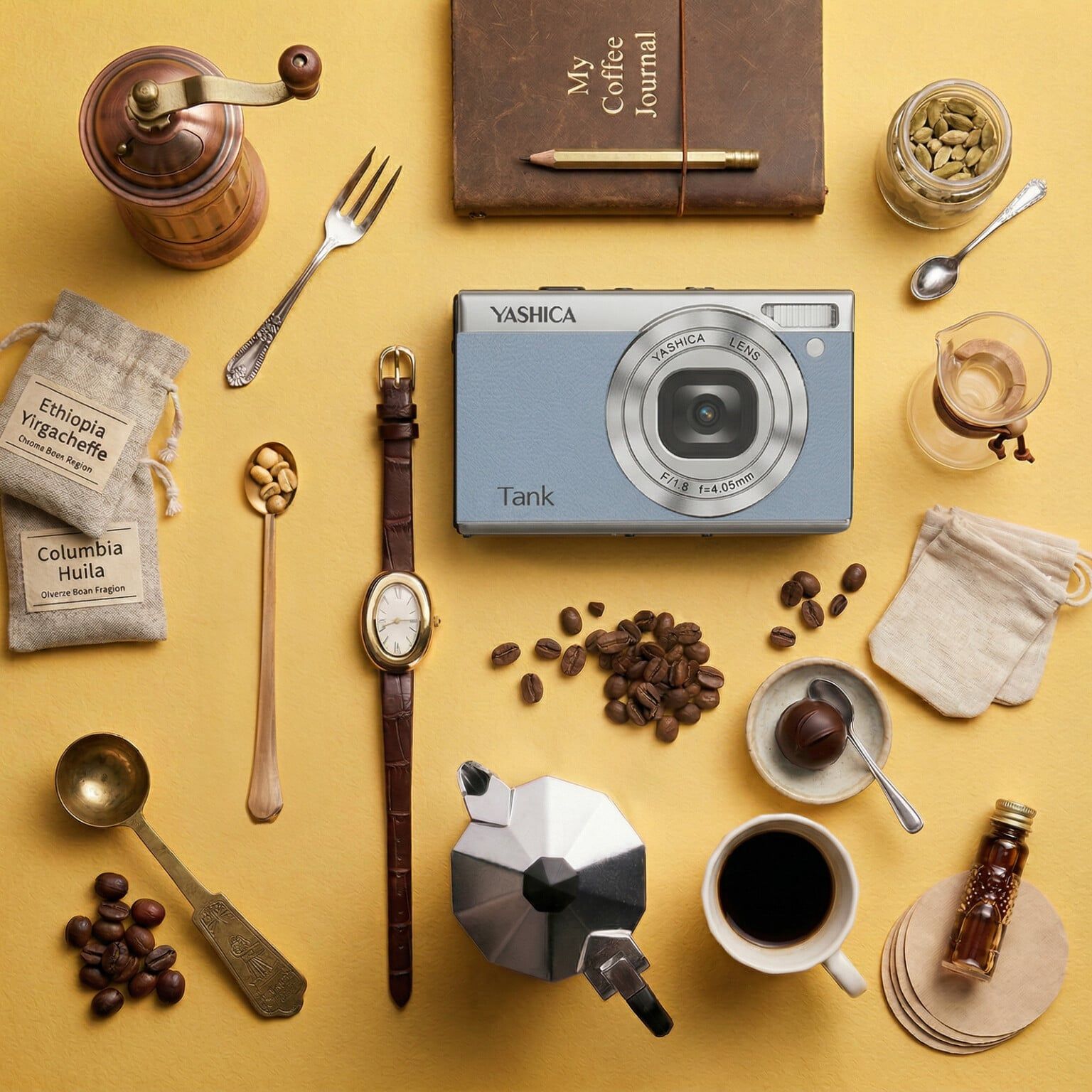
The Yashica Tank is priced at 798 HKD, which works out to roughly $102 USD.
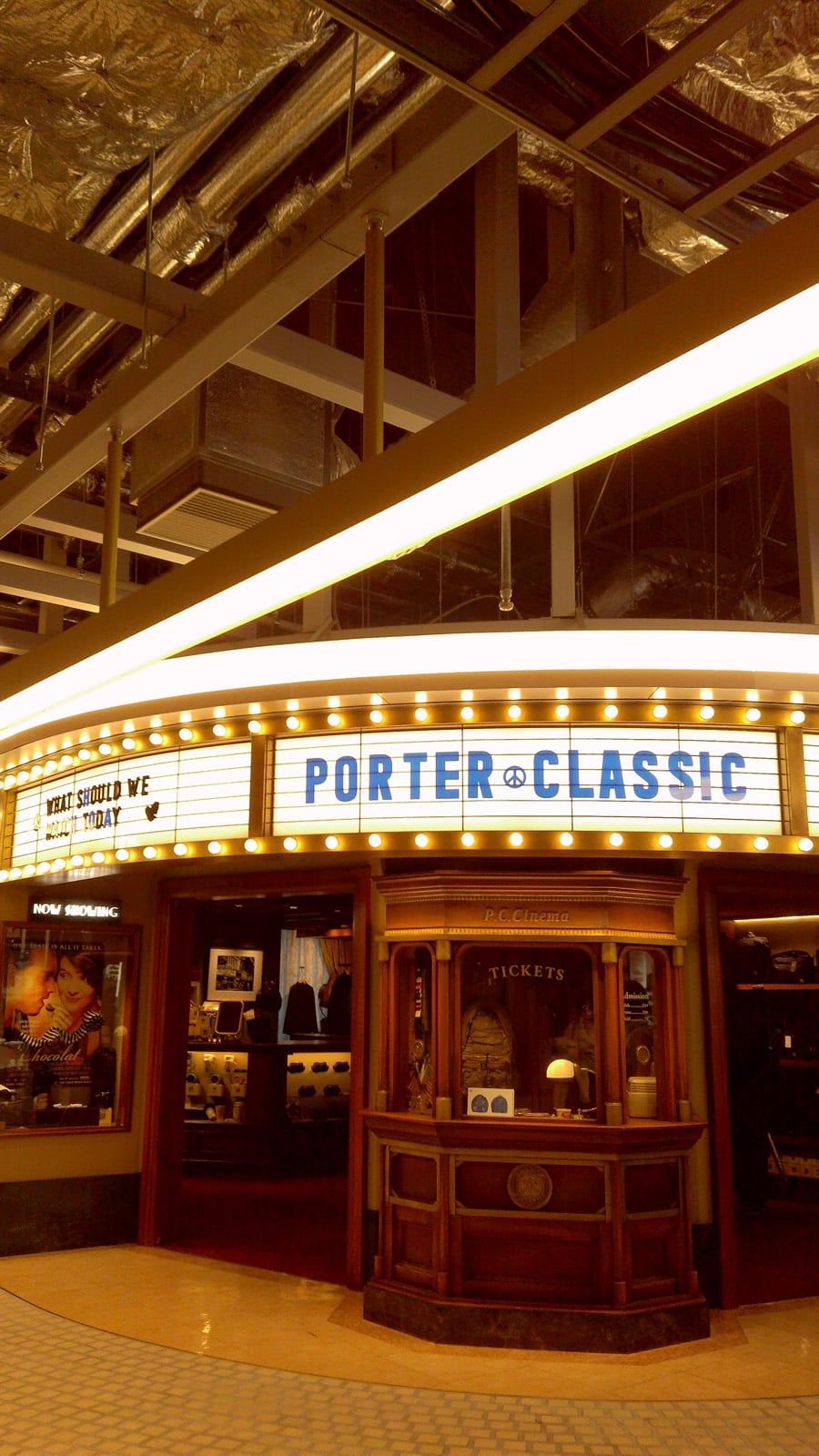
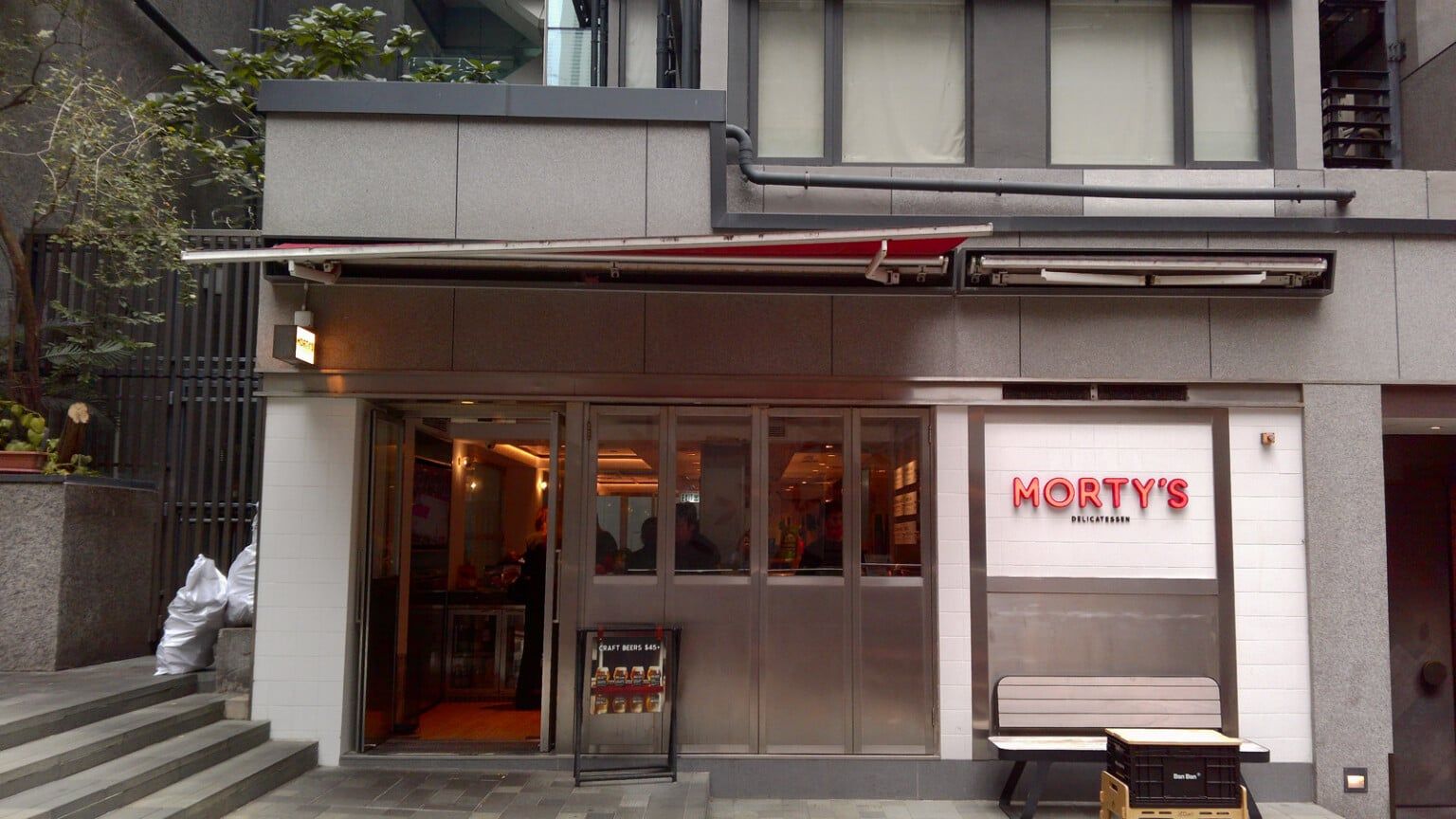
A few sample shots:

Learn The Art Of Photography

Get full and free access to my Creator University - The World’s Best Online University for Photographers & Creatives: Get access to hundreds of amazing photography courses, learn from professional photographers, connect with students and much more!
Interview with Thomas Tsang
This week’s Interview with Thomas, a talented photographer from Hong Kong. I am truly honoured to have had the opportunity to interview him again, this time with a closer look at his newer work!
You can find him on Instagram as: @3yin_2yu
Enjoy the amazing Interview ;)

Can you tell us a bit about yourself?
I’m Thomas, born and raised in Hong Kong. I started taking photos about four years ago when I picked up a Canon M50. These days I mostly shoot street and city photography. I used to do a bit of portrait work too, but not so much anymore. What really got me into photography was seeing this one photo of Hong Kong on Instagram. It looked super cinematic, like something straight out of a movie. I remember thinking, “Damn, I want to capture my city like that too.” After that, I started following other photographers, studying their style, and trying to recreate those same vibes in my own way. That’s basically how it all started.
How do you decide where to go and shoot? Is it planned or more spur-of-the-moment?
It’s a bit of both. Sometimes I plan ahead, especially if there’s something seasonal happening, like the Hong Kong sunset henge when the sun lines up perfectly with the streets. Other times it’s completely based on my mood. I might just be walking home from work or heading out for dinner and decide to bring my camera along to see what I can find.

Do you have a favourite city or spot for street photography? Why?
Hong Kong is definitely number one for me. There’s nowhere else quite like it. The mix of old and new buildings, the tiny alleyways, the neon lights, and the chaotic energy all make it special. Japan would probably be second. Places like Osaka or Kyoto have these small alleyways that almost feel like movie sets. The atmosphere there is amazing, quiet, but still full of character.
What’s your go-to gear setup when you hit the streets?
Right now I usually go out with a 24–70mm. It’s really versatile and lets me cover a lot without needing to swap lenses. Back when I first started though, I used to bring everything with me, from 12mm all the way to 200mm, in one bag. My back definitely didn’t appreciate that, haha.
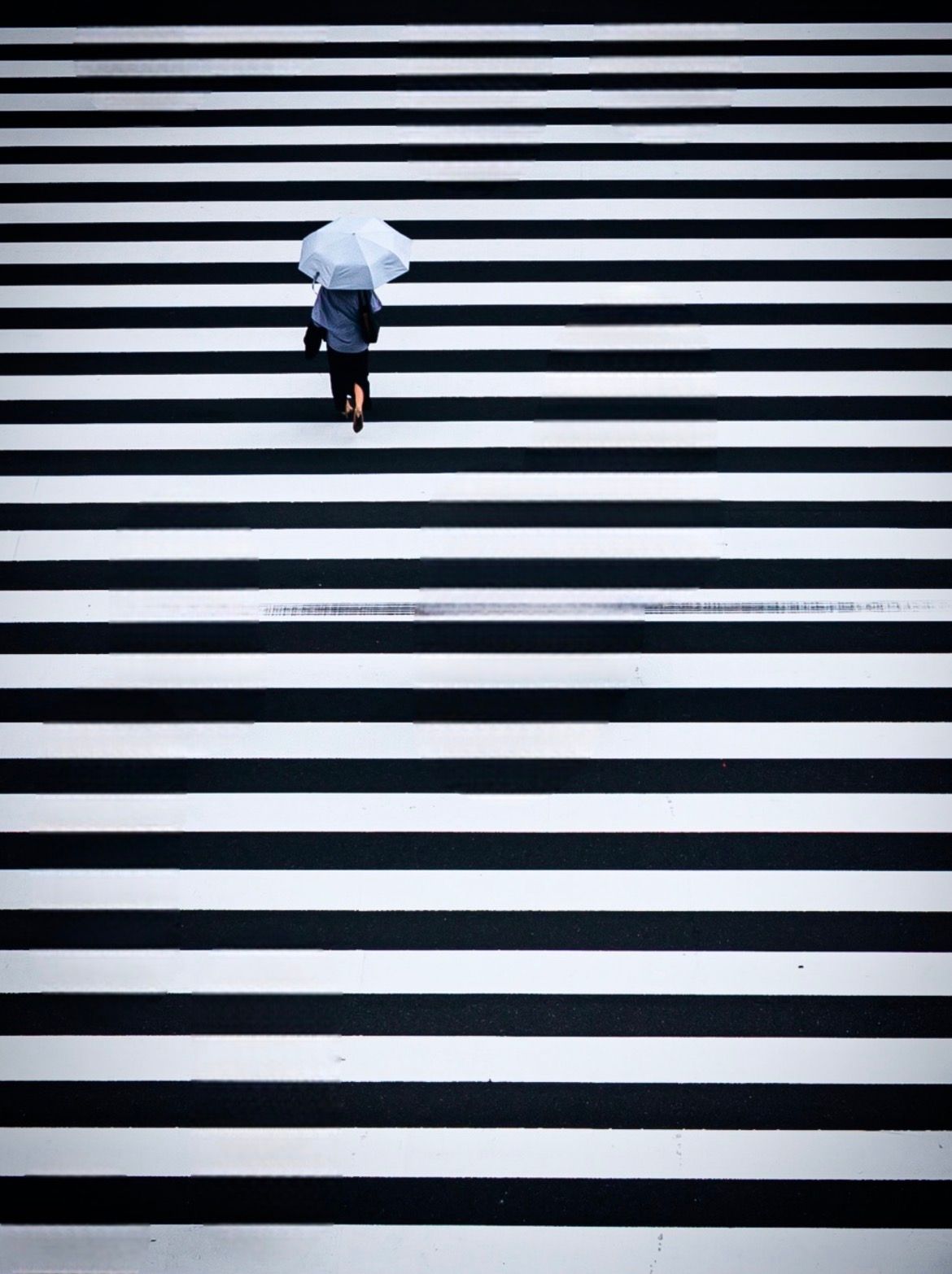
Do you prefer shooting in the chaos of a busy street or in quieter, more intimate spaces?
I definitely prefer quieter spots, especially alleyways. In Hong Kong and Japan the backstreets just feel different. I’m not really into super busy areas because they can get too messy with too many distractions. It becomes harder to isolate a subject when everything is chaotic. I like finding scenes that feel cinematic, and that usually happens in those quieter corners.
How do you approach people on the street if you want to include them in your shots?
To be honest, I usually don’t ask. Most of the time I’ll pretend I’m photographing something behind them, like a shop or the street itself, but I’m actually framing them in the scene. I’ll move around a bit and take a few extra shots in case they notice. That way if someone questions it, I can show them that I was photographing the environment and not specifically targeting them. Most of the time though, people don’t even realise I’m there.

What’s your take on the ethics of street photography—like shooting strangers without asking?
I think it depends on the situation. If someone looks really uncomfortable, I won’t take the photo, or I’ll delete it if they ask. Most of the time I’m just capturing a moment, not trying to make anyone look bad. I try to be respectful and discreet about it. For me, it really comes down to the intention behind the photo.
Are there any tricks you use to stay unnoticed when shooting?
Definitely. Keep moving, don’t stay in one place too long, and act casual. Sometimes I shoot from the hip or pretend I’m checking my phone. Dressing low-key also helps, nothing flashy and no big obvious gear that draws attention.
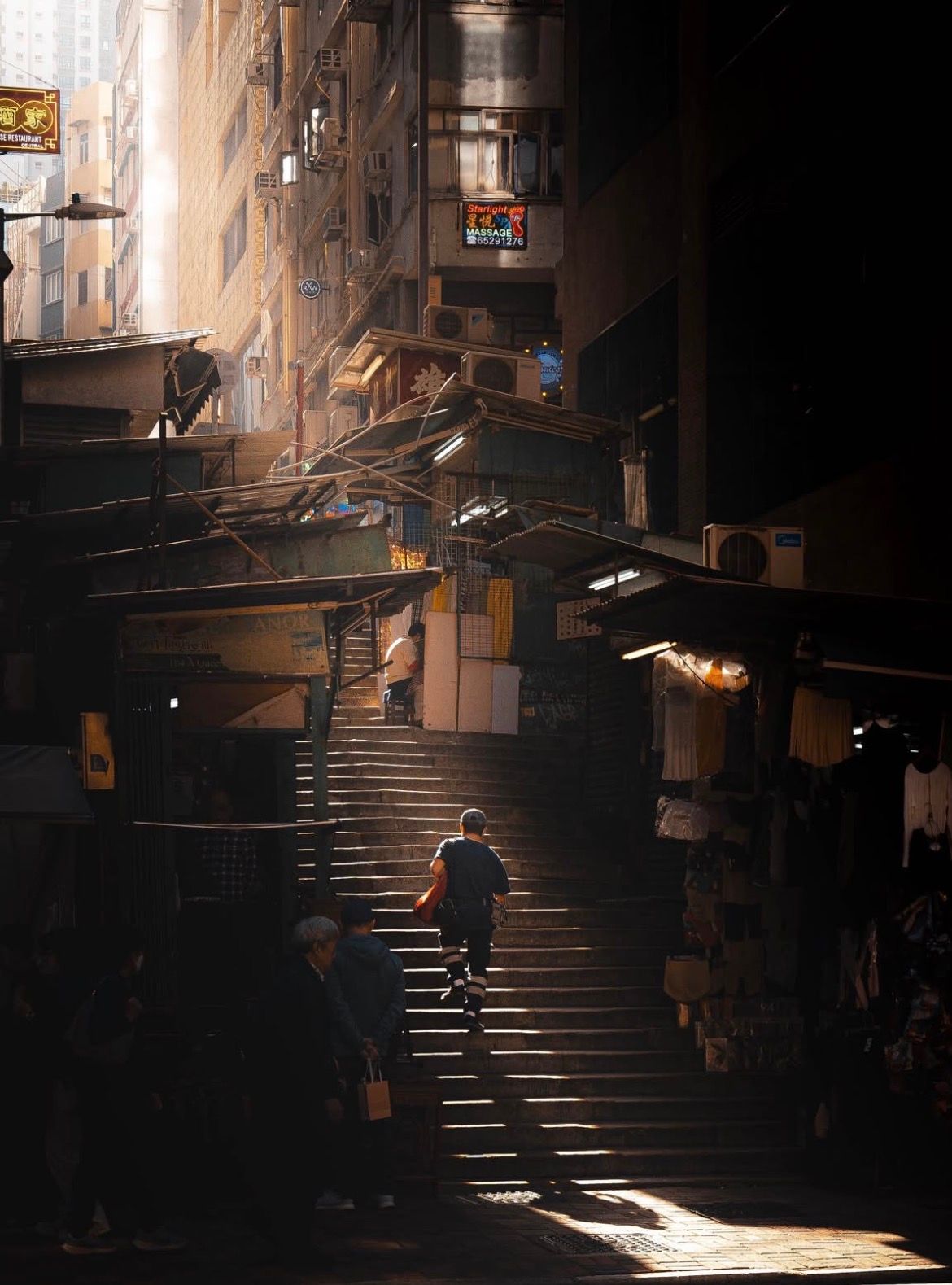
How do you handle it when someone gets upset about being photographed?
I try to stay calm and explain what I’m doing. Usually I’ll show them the photo and offer to delete it if they’re not comfortable with it. Most people end up being pretty chill once they realise I’m not doing anything sketchy.
What role does storytelling play in your work? Are you always chasing a narrative?
Not always. But when the light, the subject, and the mood all line up, it can feel like you’ve captured a story in a single frame. I don’t really go out with a specific narrative in mind, but I do pay attention to how a scene feels and what it might say to someone looking at the image later.
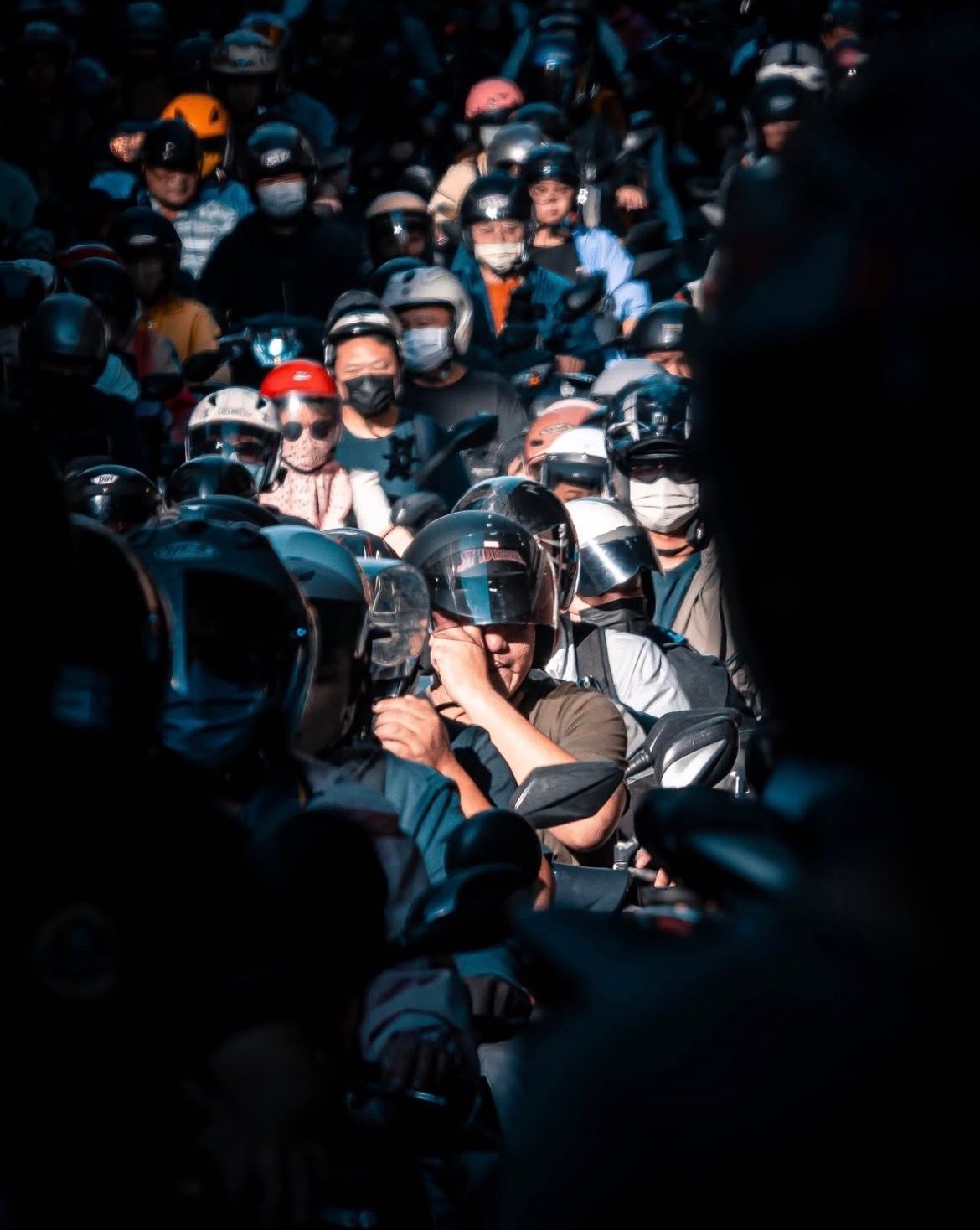
What’s the most challenging thing about street photography for you?
Timing is definitely the hardest part. Everything changes so quickly. You might see a scene forming, and by the time you lift the camera, it’s already gone. Another challenge is getting over the fear of taking photos in public. You need to be quick and confident without drawing too much attention to yourself.
Do you have a favourite image you’ve taken, and what’s the story behind it?
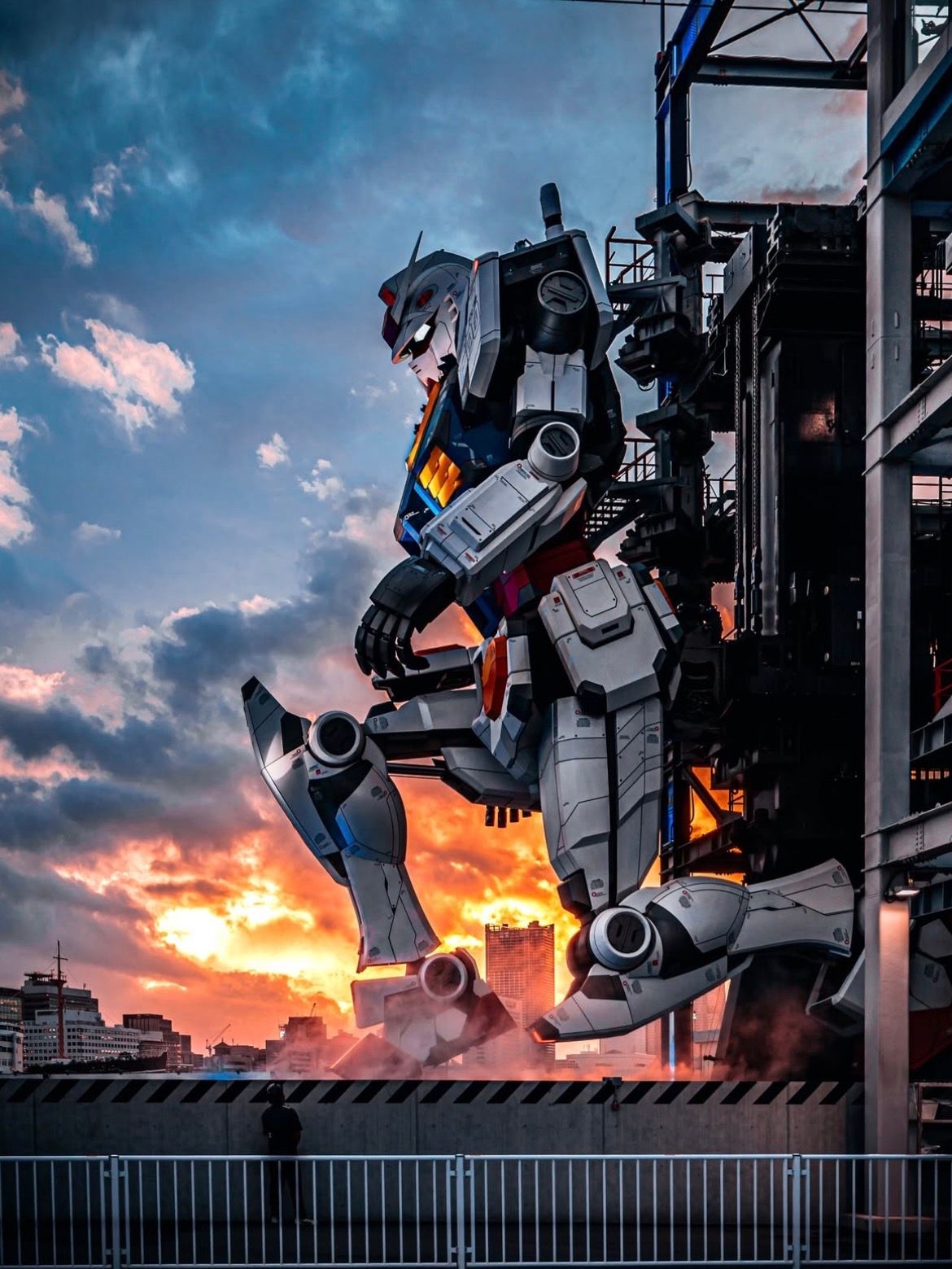
There’s one photo I really like just because I think it looks cool. It’s a shot of a guy walking past a huge Gundam display. There’s no deep meaning behind, I just love the colors and the framing. Everything came together nicely. Sometimes a photo just works for you, even if other people don’t see it the same way.
How do you decide whether a photo is better in black and white or color?
Most of the time I start with color and then try converting it to black and white to see if it feels stronger. Some photos just work better in monochrome, especially if the lighting is harsh or the mood is more dramatic. But if color is a big part of what makes the image interesting, I’ll keep it. Hong Kong especially is full of color.
Do you feel like your style has evolved over time? How so?
Yeah, a lot. When I first started I was mostly copying what I saw on Instagram, those teal and orange edits and that kind of cinematic look. Now I focus much more on composition and atmosphere. My editing is also more subtle these days, usually just trying to match the mood of the scene.

Who are some street photographers or other artists that inspire you?
I follow a lot of Japanese street photographers. Their work has this quiet intensity that I really admire. I also like photographers who shoot cinematic street, like Alan Schaller or Tatsuo Suzuki. They’re really good at making everyday scenes feel bigger than life.
How do you know when you’ve nailed the shot? Is it instinct or something else?
Most of the time it’s just instinct. You press the shutter and immediately feel like you got something good. Other times you don’t realize it until you get home and start going through your photos. But usually it’s that gut feeling.
How important is composition in photography?
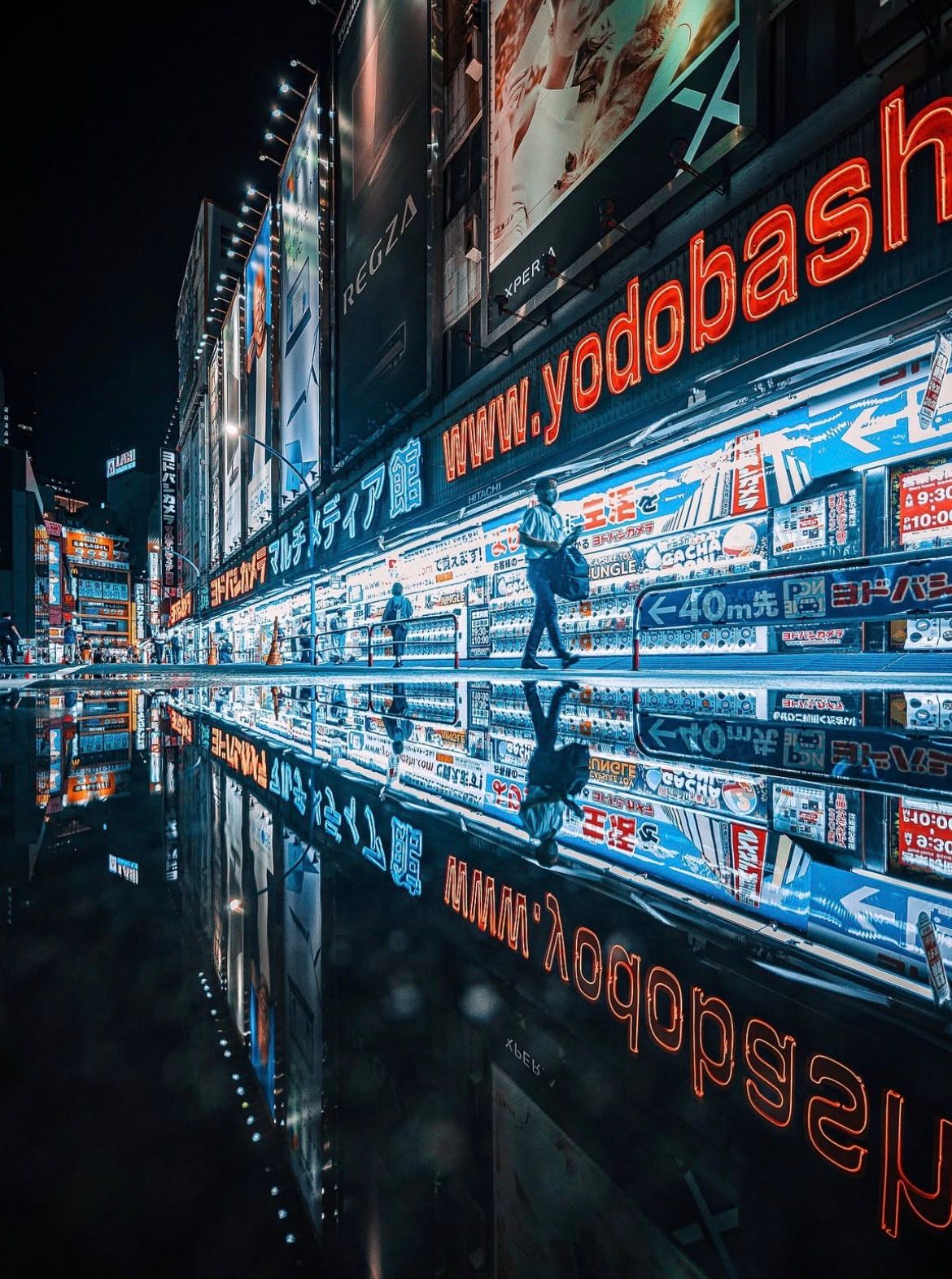
It’s very important. You can have a great subject and beautiful lighting, but if the composition is off, the whole image can feel messy. I spend a lot of time thinking about lines, balance, and how different elements fit inside the frame.
Do you ever go out specifically looking for bad weather?
Yeah sometimes. Rain in Hong Kong can make everything look more cinematic. The streets get reflective, the lights bounce off the pavement, and people start using umbrellas which can add interesting shapes to a scene. It’s definitely one of my favorite conditions to shoot in.

What’s something beginners often misunderstand about street photography?
I think a lot of people think you have to chase people or dramatic moments all the time. But sometimes the best shots come from just waiting quietly and letting the scene happen.
How important is walking in your photography process?
Walking is basically the whole process. The more you walk, the more chances you have to find interesting scenes.

What do you usually do after a shooting session?
After a shooting session I usually head home and start by importing everything into Lightroom. I like to go through the photos fairly soon after I’ve taken them because the scene is still fresh in my mind. The first pass is usually very quick, I’ll scroll through everything and flag the images that immediately stand out. Most of the shots get rejected right away because in street photography you often take a lot of photos to get a few that really work. For the ones I keep, I’ll take a closer look at the composition, the light, and the timing of the moment. Sometimes I instantly know a photo works, but other times I’m not completely sure. When that happens, I’ll leave it for a while and come back later with fresh eyes.
Do you think gear matters much for street photography?

The rest, 5 more questions of this Interview + an additional exclusive photograph selection, are for Premium subscribers only.
The Ultimate Phone For Photographers?

Leica Camera AG has experimented with smartphones before, including the Leitz Phone 1 and Leitz Phone 2. Those devices were built by Sharp Corporation and only sold in Japan. With its newest model, the Leitzphone, Leica is taking a different approach by partnering with Xiaomi and releasing the device globally.
At its core, the new Leica Leitzphone is closely related to the Xiaomi 17 Ultra, Xiaomi’s flagship phone that was co-developed with Leica. The two share much of the same hardware, but Leica has added its own design touches and photography-focused features that push the concept further toward a dedicated camera-style experience.

“The Leitzphone reflects how we see the evolution of photography today,” says Matthias Harsch, CEO of Leica Camera AG. “It brings out design principles, imaging expertise, and photographic intent into everyday moments, while remaining true to the passion that has defined Leica for generations.”
Mobile photography has been an important focus for Leica in recent years, and the Leitzphone is meant to reflect that direction. The company says it sees photography happening across different devices now, sometimes with traditional cameras, sometimes with phones, and believes both should still emphasise image quality and thoughtful image-making.

From a design standpoint, the Leitzphone is very much styled like a Leica product. It has a black fiberglass back panel paired with a knurled metal frame that resembles the texture of Leica lenses. The phone also carries the brand’s well-known red dot logo.
The camera hardware itself is largely shared with the Xiaomi 17 Ultra. That includes a triple-camera system with a 50-megapixel Type 1 LOFIC main sensor, a 200-megapixel Type 1/1.4 telephoto camera paired with a Leica APO 75–100mm lens, and a 50-megapixel ultrawide camera.

Where things start to diverge is in the shooting interface. Surrounding the large circular camera module is a customisable mechanical camera ring, something the Xiaomi version does not have.
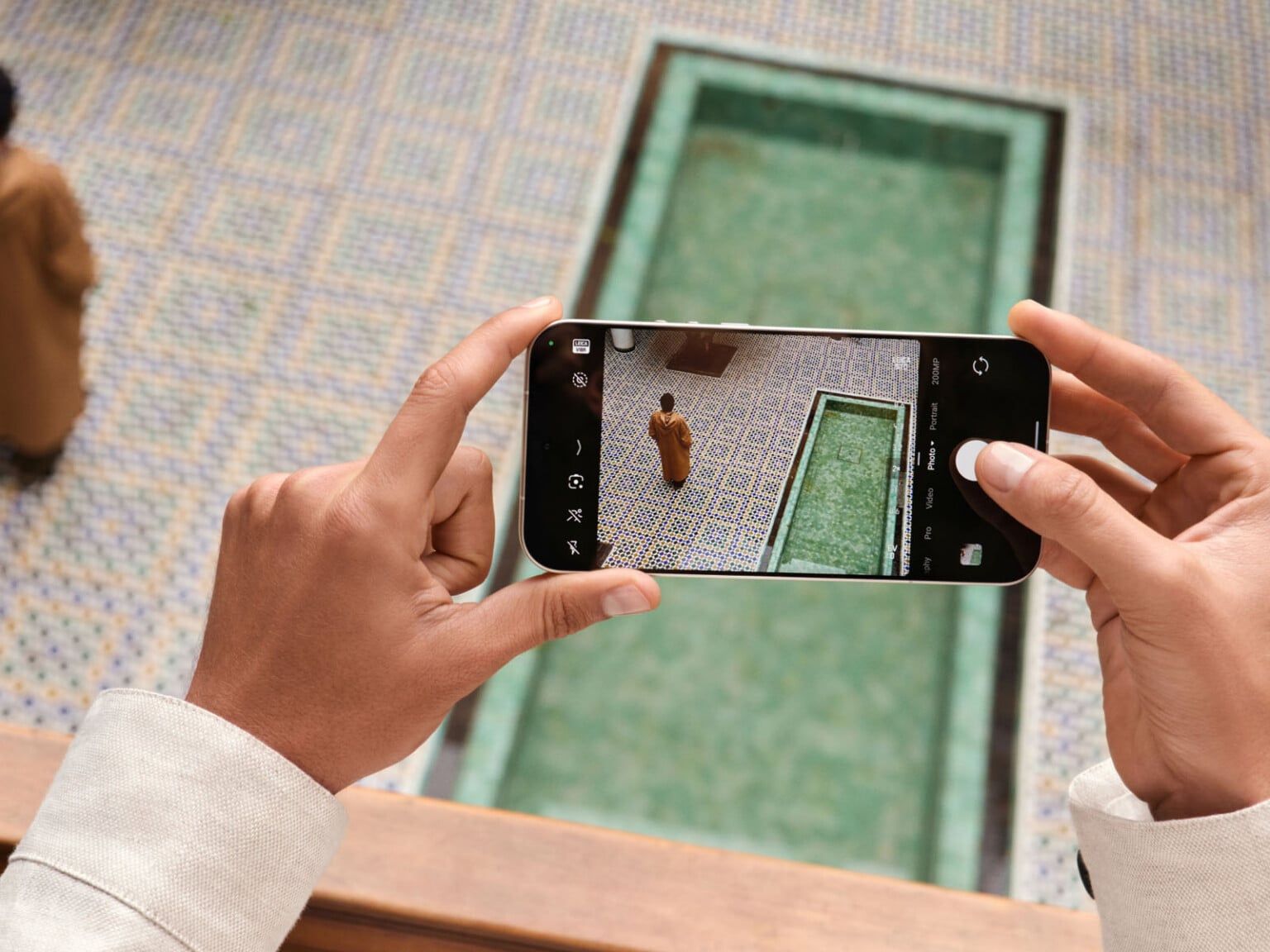
The ring allows you to adjust settings like zoom, ISO, exposure compensation, and shutter speed, or switch between lenses and Leica colour profiles.

The software side also leans heavily into Leica’s photography heritage. The Leitzphone includes 13 Leica “Looks,” five bokeh simulations inspired by well-known Leica lenses, and a Leica-designed user interface with photography-focused widgets.
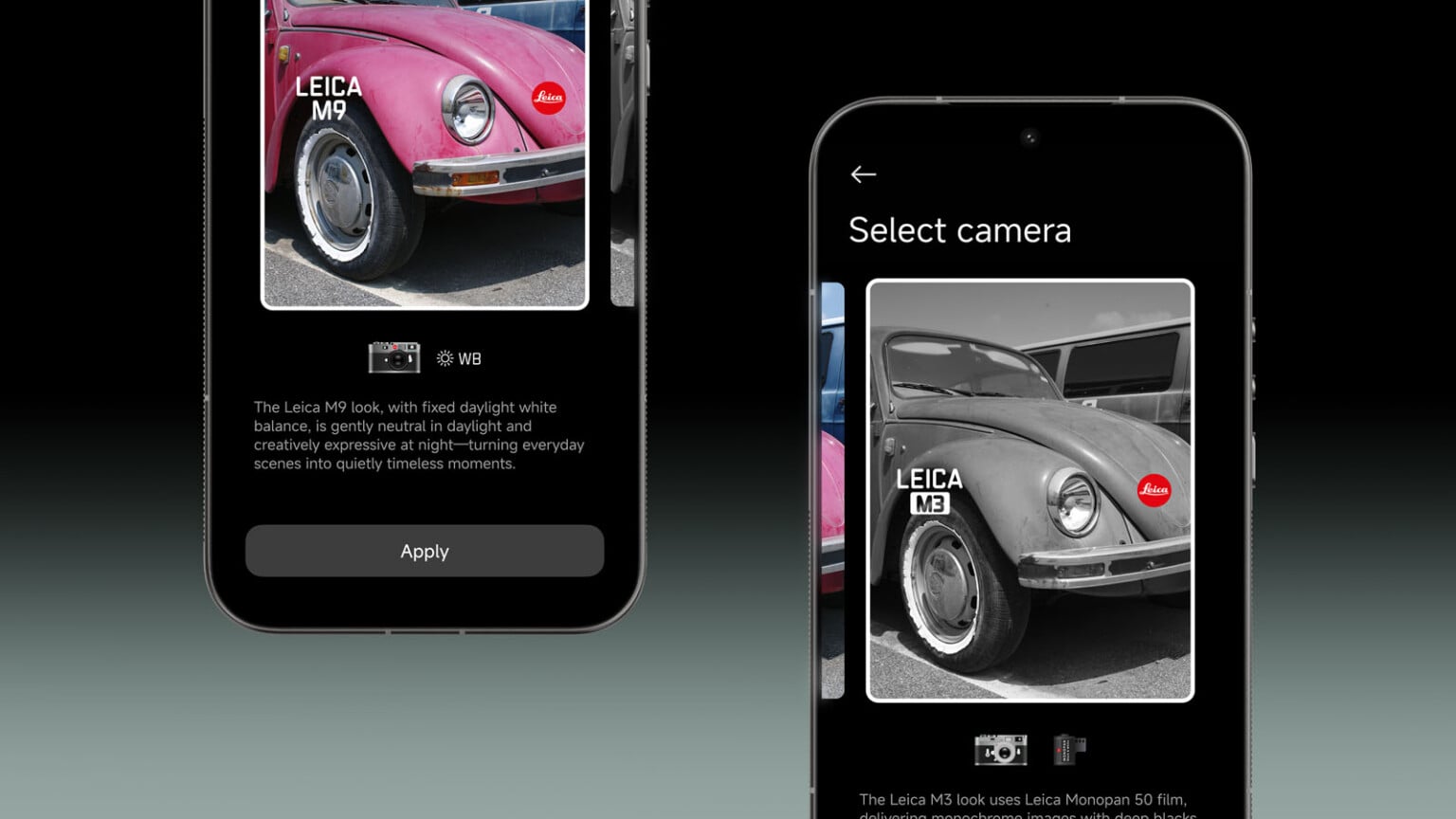
There is also a special Leica Essential Mode that simplifies the interface and focuses entirely on taking photos. It includes a colour profile inspired by the Leica M9 and a monochrome mode based on Leica Monopan.
Leica says its role in the partnership focused on optical expertise, colour science, and imaging philosophy, while Xiaomi handled the mobile platform itself. The goal, according to Leica, is to deliver natural colour reproduction and consistent image rendering within a smartphone workflow.
The Leitzphone also includes support for the Content Authenticity Initiative and C2PA standards, which allow images to carry metadata verifying their origin.
The Leica Leitzphone powered by Xiaomi is available through Leica’s official website, Leica stores, and selected retail partners. Pricing has not been announced globally yet, as it will vary depending on the region.

Photography Tip of the Week


The weekly photography tip is only accessible to Premium Subscribers of The Magazine For Photographers.
Photo Analysis
Welcome to the part of the Magazine Issue where we take a closer look at a photo and analyse it so that you can learn and better your own photography from it ;)
Photo by: @miromarsik

Let’s Analyse this Photo
Composition & Framing
What works well:
The framing by the trees is great. They form a natural tunnel that guides your eyes directly toward the tram.
The tracks create very strong leading lines, and the golden reflections along them (as well as the strong light/dark contrast) make those lines even more pronounced.
Depth is pretty strong thanks to the layering: we have the dark immediate foreground along with the rails → illuminated and shiny tram → glowing trees and background light.
The tree tunnel reinforces the 3D/depth look.
The rails also stretch deep into the scene, strengthening the sense of distance/depth even more.
The tram’s headlights function as ‘attention magnets’ too.
What could be better:
Leading lines could have been exaggerated even further by repositioning slightly lower right there on scene so that the tracks emerge directly from the corners of the frame.
The cables and structures above (especially inside the tree canopy) add some visual clutter once you start noticing them.
Because the tracks and the light are so visually strong (largely due to that very strong light/darkness contrast), they kind of overpower the tram itself as the main subject.
Light & Atmosphere
What works well:
The light is pretty much the defining element here. The intense golden backlight coming through the trees creates a very dramatic and almost magical atmosphere.
The warm glow surrounding the tram acts like a natural spotlight, immediately guiding your attention to the centre.
The strong contrast between light and dark adds drama and visual impact, especially where the sunlight hits the trees and tracks (as mentioned, this comes with its own possible challenges and problems).
What could be better:
The brightest part of the background is quite blown out, which removes some detail that could have enhanced depth.
The ‘extreme’ backlight causes some shadow areas on the tram to lose detail.
Texture & Sensory Detail
What works well:
The shine on the rails definitely adds a tactile quality to the scene.
The subtle reflections on the tram’s front window and metallic body provide additional surface detail and is just makes the tram ‘pop’ that much more (I personally am a big fan of the glossy window).
The leaves and foliage also give us a bit of texture, especially the ones up top.
What could be better:
The dark foreground obviously hides some ground detail.
As touched on before, the blown-out background removes some texture in that area.
Story & Emotion
What works well:
The display on the tram provides a subtle but important storytelling element because it gives a sense of place → Prague. Though, of course the iconic tram design can be enough for some people to spot that ;)
The autumn atmosphere + golden light adds emotional warmth and some seasonal context.
What could be better:
Storytelling aspect could have been stronger if a visible person appeared in the tram window (passenger, driver etc.) → without that human element, the ‘narrative’ remains more about atmosphere.
Balance
What works well:
The symmetrical structure of the rails and trees creates a strong sense of balance within the frame.
The tram acts as the central anchor point that stabilises the composition.
What could be better:
That strong light entering from the left and creating a ‘‘block’’ of light on the right, creates a slight visual imbalance compared to the darker left side.
Join Our Photographer Group!

Get access to the best photographer group/community for networking, collaborating, gear talk, feedback on your work and so much more!
Something You Have To Check Out
Why is everyone launching a newsletter?

Because it’s how creators turn attention into an owned audience, and an audience into a real, compounding business.
The smartest creators aren’t chasing followers. They’re building lists. And they’re building them on beehiiv, where growth, monetization, and ownership are built in from day one.
If you’re serious about turning what you know into something you own, there’s no better place to start. Find out why the fastest-growing newsletters choose beehiiv.
And for a limited time, take advantage of 30% off your first 3 months with code GROW30.
Photographer of the Week
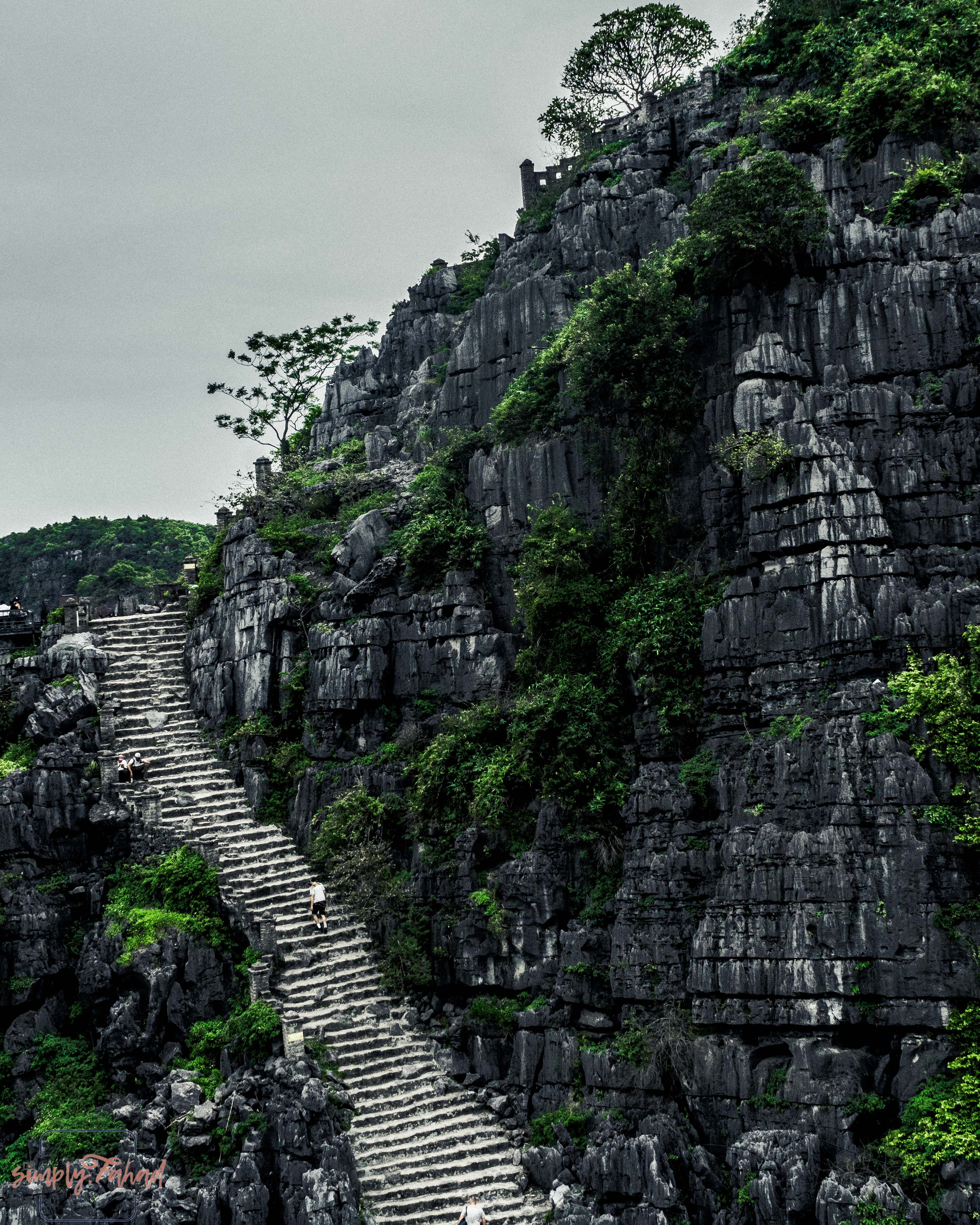
Photographer of the week goes to: Fahad
You can find him on Instagram as: @simply.fhd
A few photos of his:


The Rest of this Issue is for Premium Subscribers
