📸 SNAPSHOT - Issue 107
Welcome to a brand new Issue of my Magazine. A truly brilliant one, enjoy the read :)
In partnership with


In this Issue
A New Contax G to M-Mount Conversion Kit
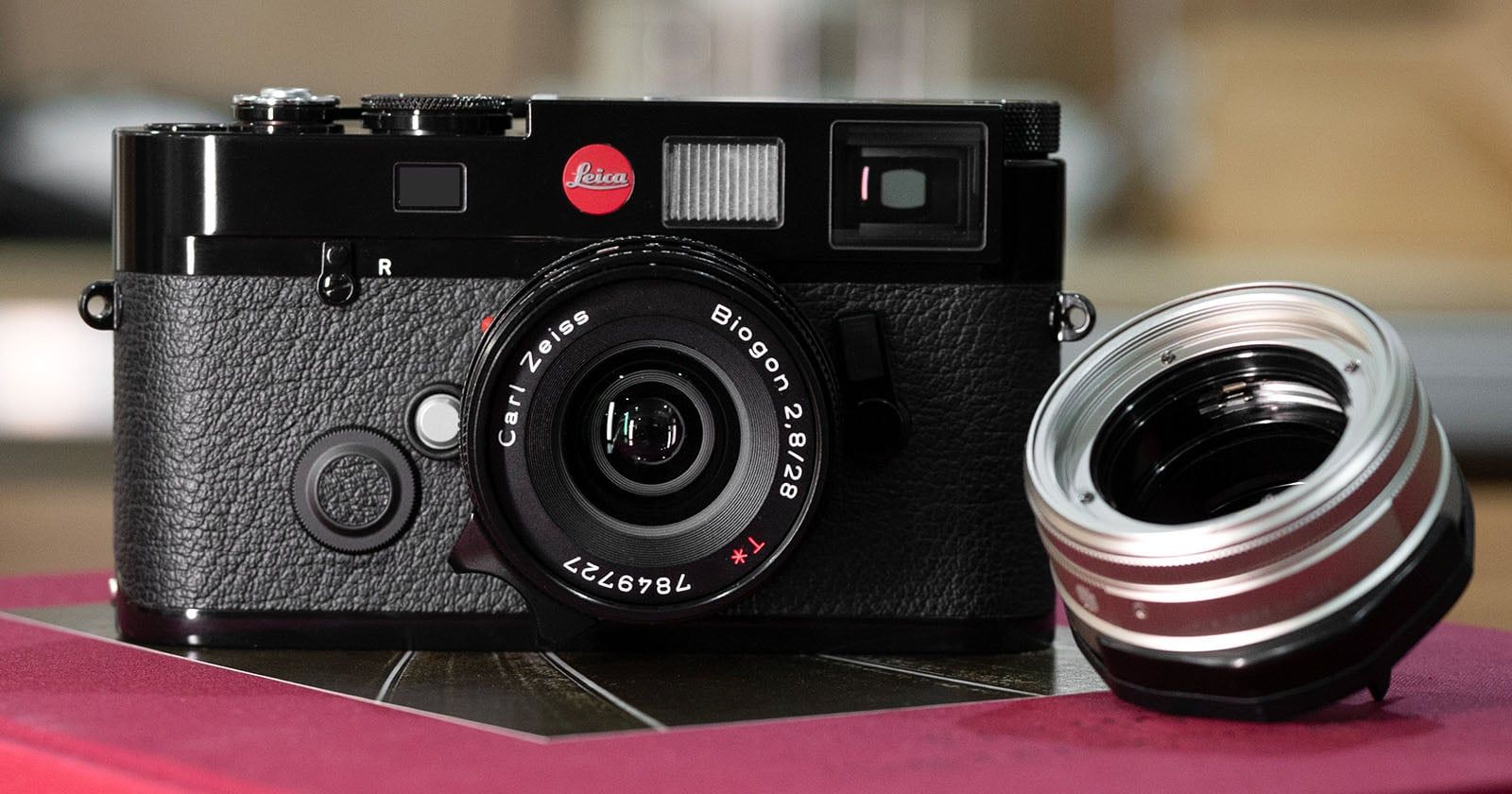
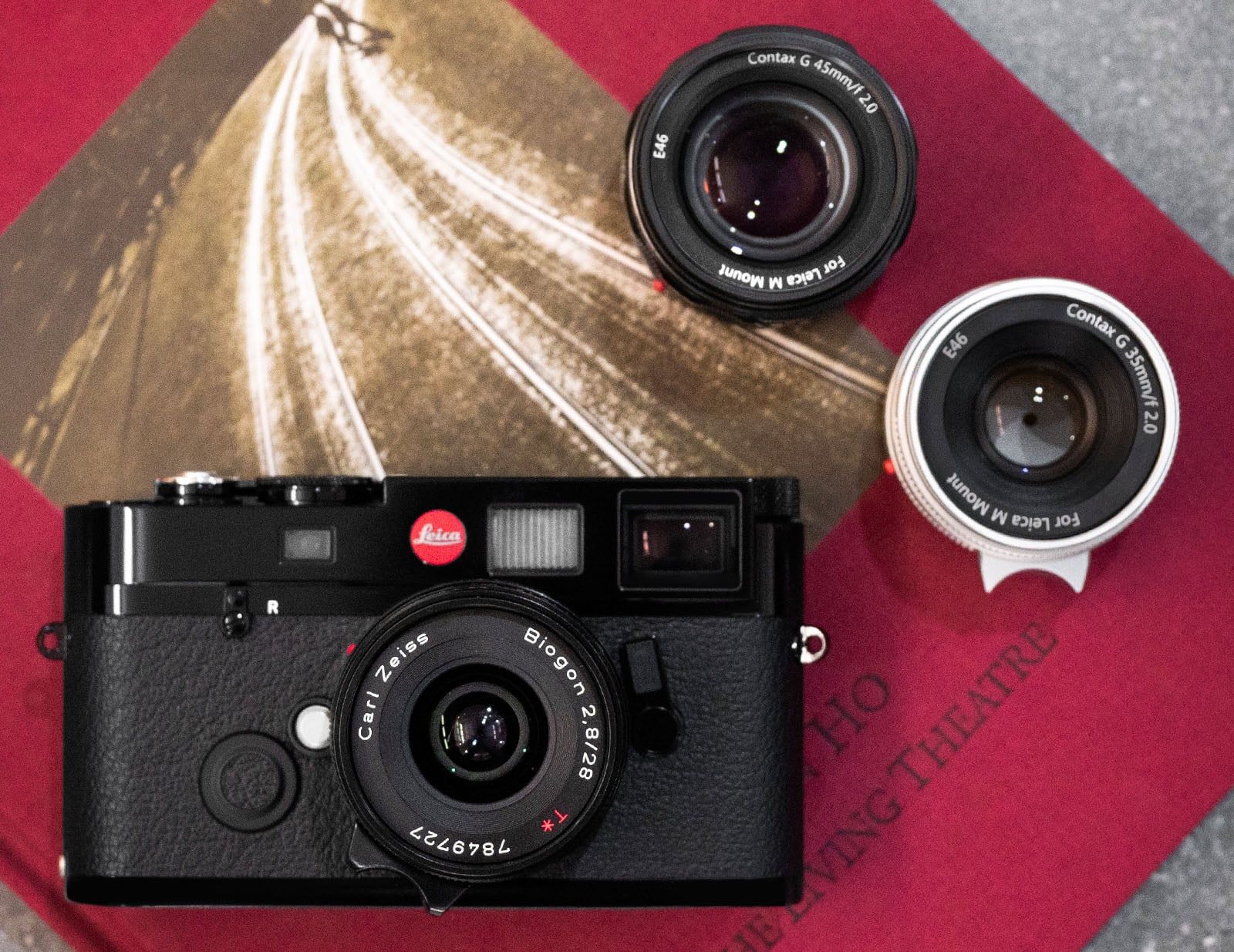
Lens makers Funleader and Mr. Ding have teamed up again to release a new Contax G to Leica M conversion kit, this time for the classic Contax 28mm f/2.8 Zeiss Biogon T*.
Originally developed in the 1990s by Contax and Carl Zeiss, the Contax G system was fairly unusual for its time because it brought autofocus to a rangefinder-style camera. The cameras themselves have become a bit niche over the years, but the lenses have held up extremely well and are still highly regarded. Because of that, photographers regularly adapt Contax G lenses to newer camera systems.
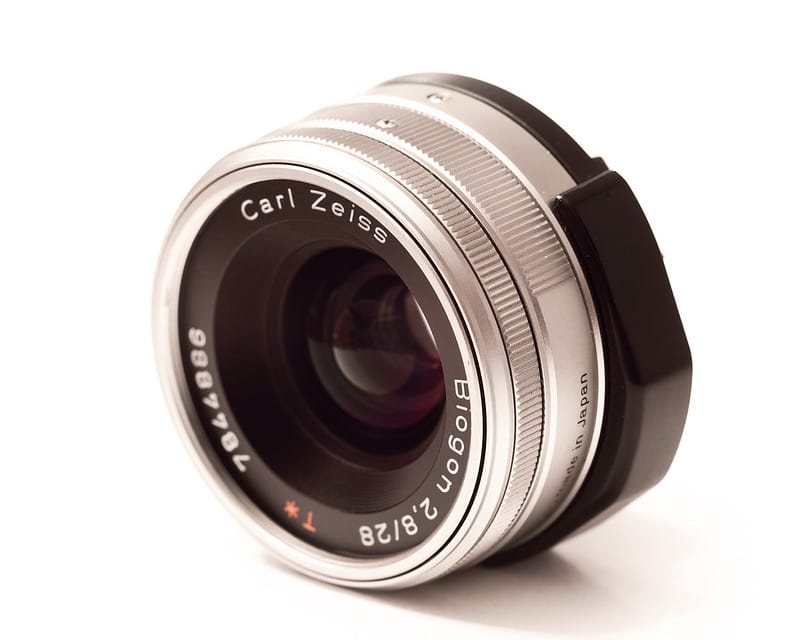
Adapters that let you mount Contax G lenses on full-frame mirrorless cameras already exist from companies like Fotodiox and Kipon. Converting them to work properly on Leica rangefinder cameras is a lot more complicated though.
The reason is that Contax G lenses rely on the camera body for autofocus, while Leica M cameras require a mechanical helicoid that works with the rangefinder focusing system. So it is not just a matter of adding an adapter, the internal focusing mechanism has to be replaced.
That is exactly what this conversion kit does. It replaces the original autofocus helicoid with a new rangefinder-coupled helicoid designed to work with the Leica M System. Once installed, the lens behaves much more like a native M-mount lens and can focus normally through the rangefinder.
One nice thing about the kit is that the process is non-destructive. The lens optics and original mount are not permanently altered, so the original parts can be kept intact.
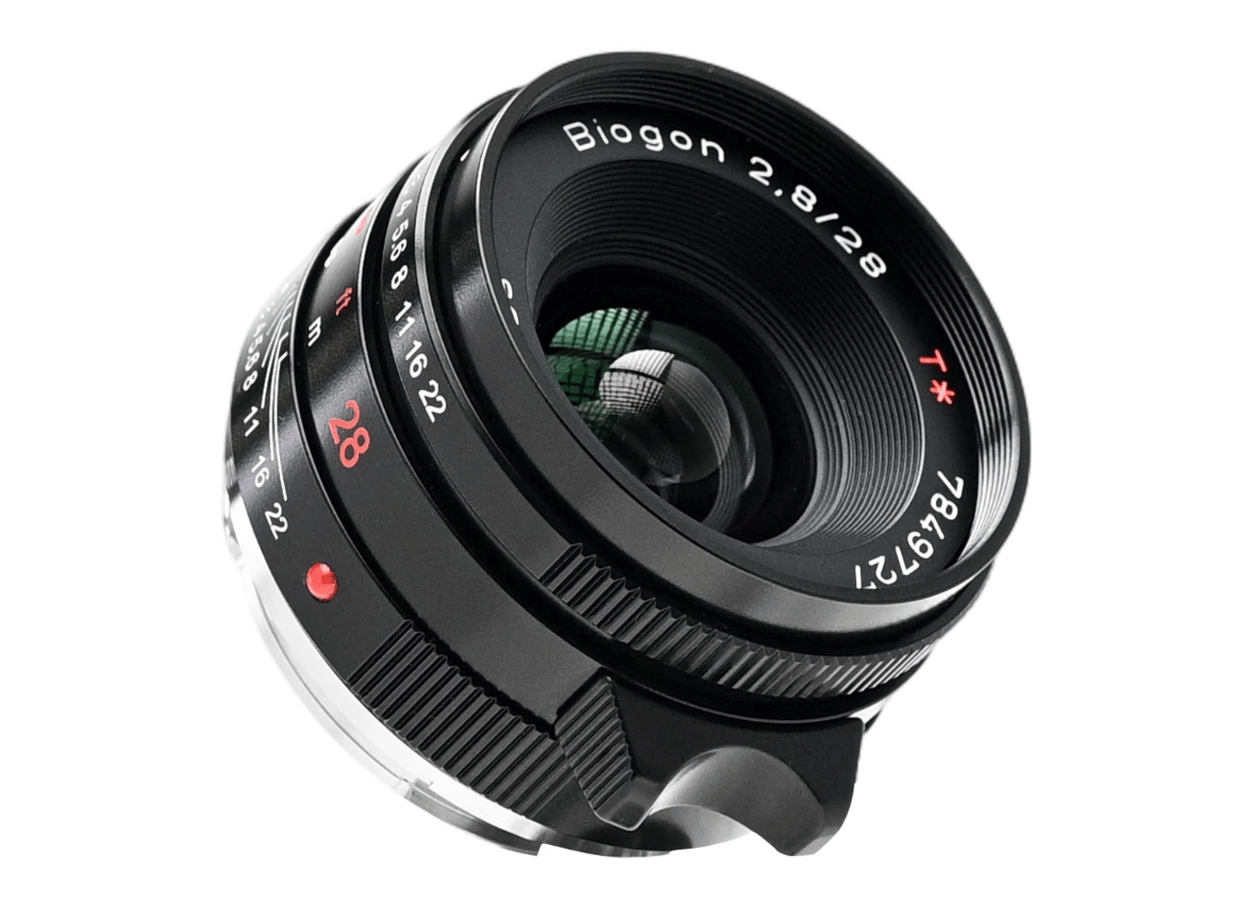
That said, installing the kit does take some patience. The process requires tools like a screwdriver, a paper clip, and a rubber wrench. The lens has to be partially disassembled, and the entire optical block is removed and installed into the new helicoid assembly.
The conversion kit itself is made from brass and aluminium, materials chosen to match the build quality of the original lens while still keeping things relatively lightweight.
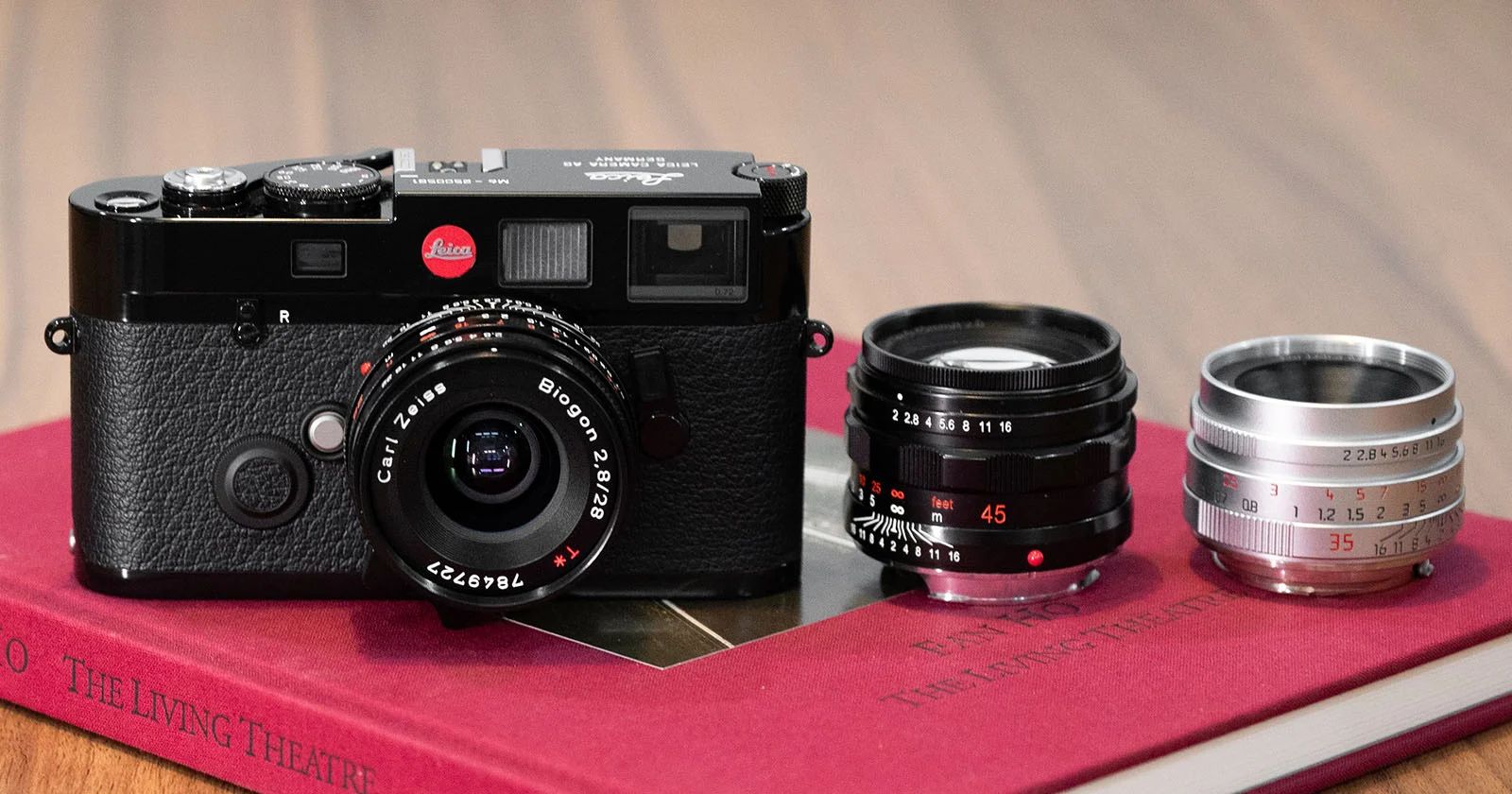
This is not the first time Funleader and Mr. Ding have worked on a project like this. Their collaboration started back in 2019 with a conversion kit for the Contax 35mm f/2 Planar. They followed that up in 2021 with a kit for the Contax 45mm f/2 Planar. With the addition of the 28mm Biogon kit, they now cover three of the most popular focal lengths in the Contax G lineup.
Funleader also released an updated G35 v2 conversion kit late last year with an improved focusing mechanism and revised internal design based on user feedback. According to the companies, more conversion kits for other Contax G lenses could potentially come in the future. The new conversion kit is priced at $469.
Learn The Art Of Photography
Get full and free access to my Creator University - The World’s Best Online University for Photographers & Creatives: Get access to hundreds of amazing photography courses, learn from professional photographers, connect with students and much more!
Interview with Dominik Frings
This week’s Interview with Dominik, a talented photographer from Germany. I am truly honoured to have had the opportunity to interview him again, this time with a closer look at his newer work!
You can find him on Instagram as: @dmnk.visuals
Enjoy the amazing Interview ;)

Can you tell us about yourself?
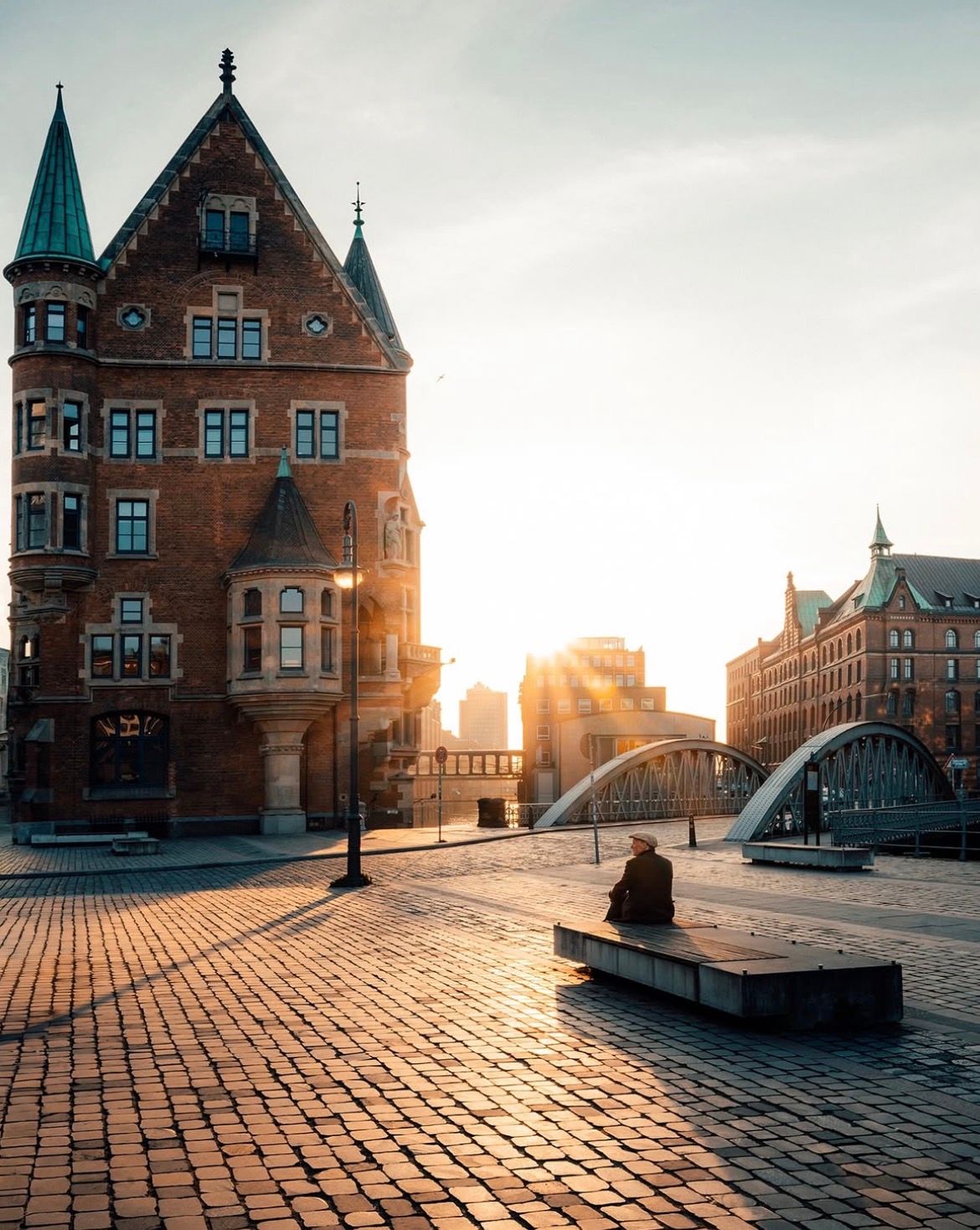
Hi, I'm Dominik, I'm from Hamburg and I mainly shoot urban and street photography. I've been photographing since 2018 and I love travelling and capturing the atmosphere of cities or quiet landscapes in my own unique way.
What drew you to photography in the first place?
Photography was always a part in my family, but the passion became more and more extreme after my studies as a balance to my actual job. The more spectacular sunrises and sunsets I photographed, the more I became fascinated by photography. Post-processing also plays a big role for me and sometimes it takes me days to find exactly the style I want for the photo. But that's also what photography is all about for me, constantly developing both photographically and in editing and standing out from other photos with your own style.
What are the best photo spots in Hamburg?
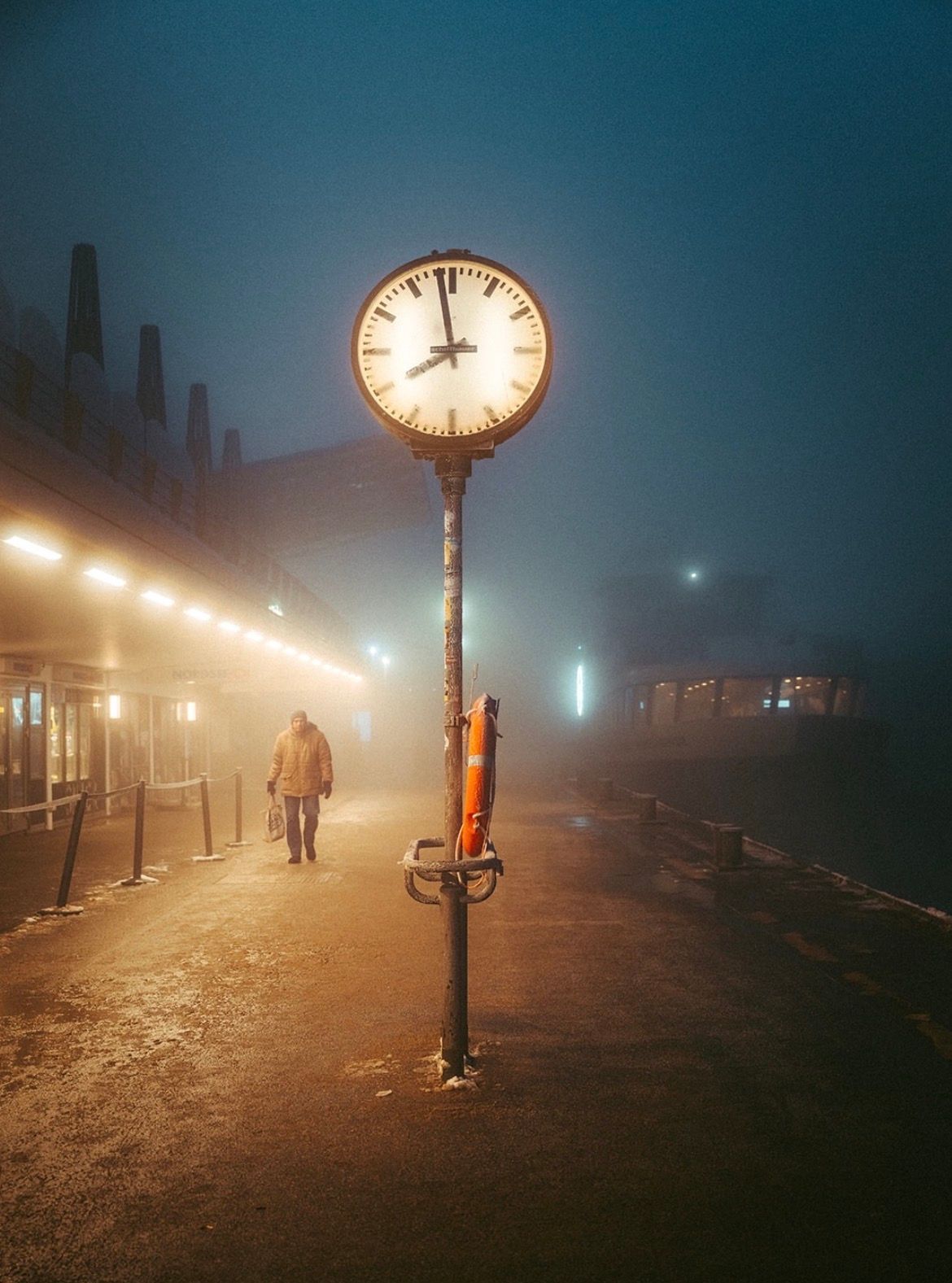
For me, Hamburg is closely associated with water and trade, so I would say the warehouse district and everything along the Elbe. You can start at one of Hamburg's most famous motifs, the Wasserschloss, and walk through the warehouse district to the fish market. Along the way, you pass both the Elbphilharmonie concert hall and the Landungsbrücken, which are probably some of the most famous sights in Hamburg. Especially in autumn and winter, the sunrises and sunsets here are truly spectacular.
What’s your favourite time of day to shoot?
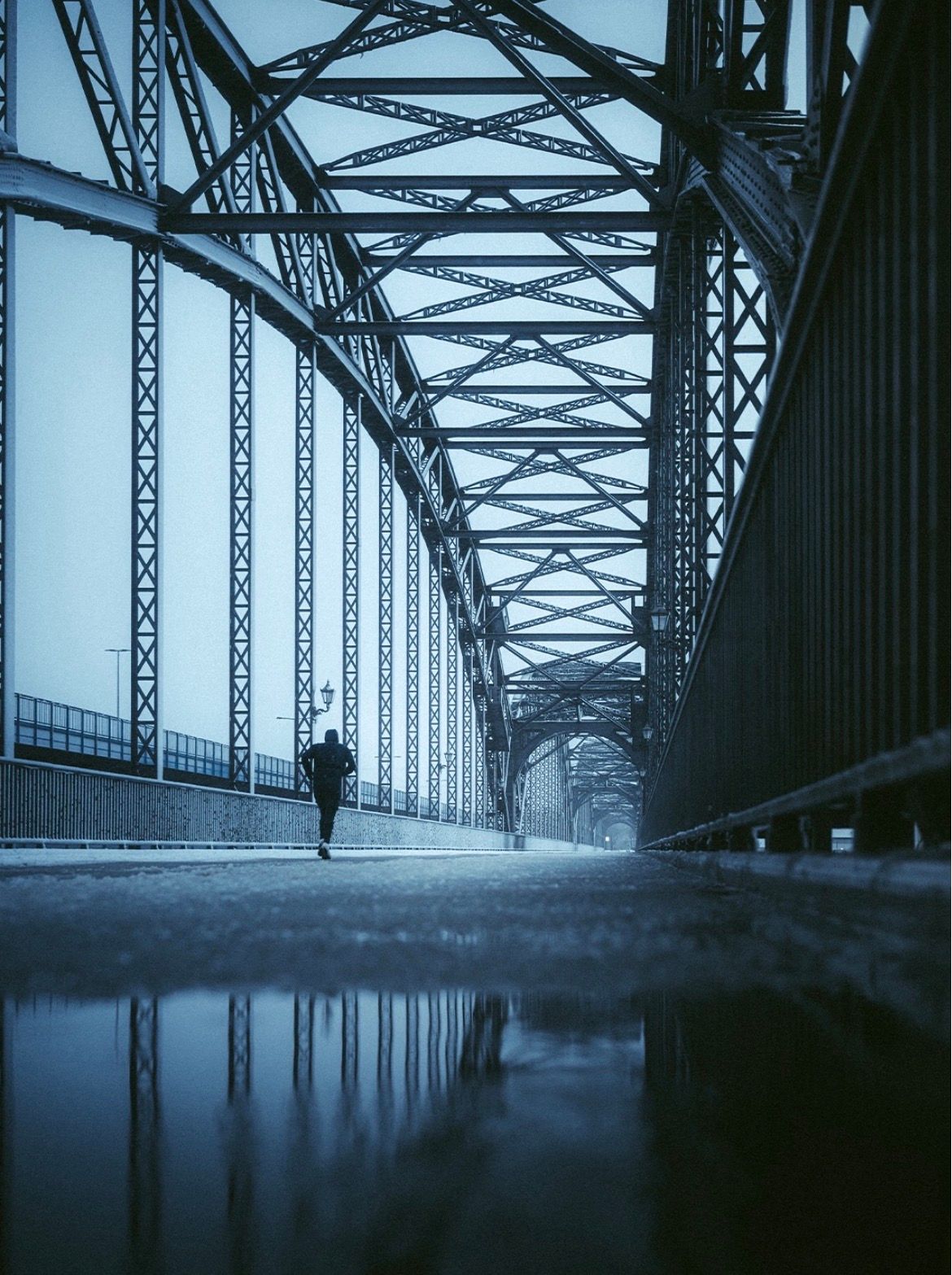
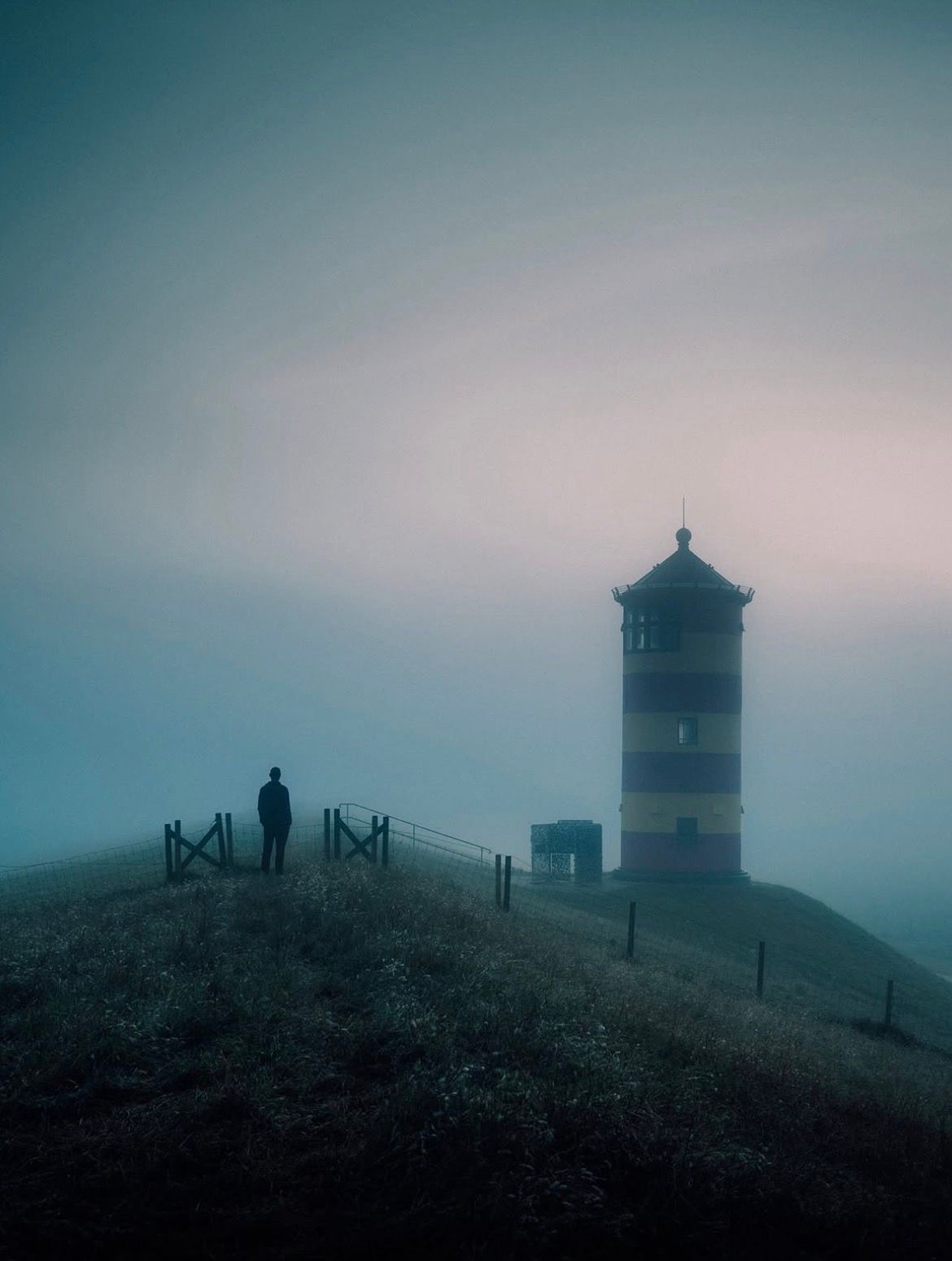
My favourite time is the golden hour, so both sunrise and sunset. When I shoot street photography, I love to shoot in the fog or at blue hour when it has been raining.
How do you scout locations for your shoots? Do you plan ahead or go with the flow?
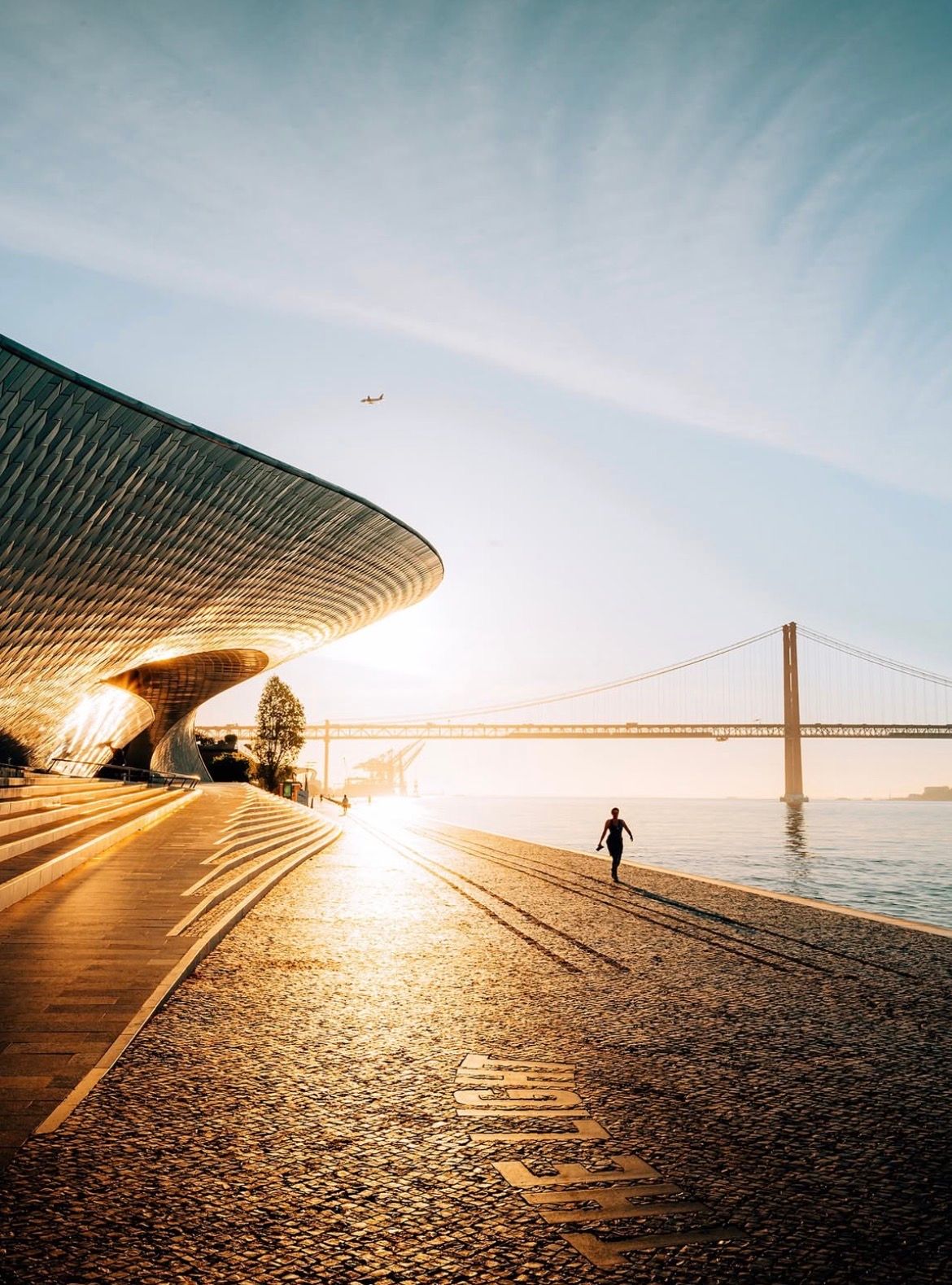
Both. Especially when I'm travelling, I think about which motifs I'd like to see beforehand, but then try to interpret them in my own way. But it's even more fun to let yourself drift creatively. I was recently in New York and walked around Times Square after a rain shower and it was incredibly fun not to be focussed on a motif that I had already seen somewhere on Instagram, but to take photos in my own way and find exciting motifs.
Is there a dream location you haven’t photographed yet but really want to?
I don't know if my list of dream locations has an end. But Japan, Hong Kong and the landscapes of Senja and the Lofoten Islands in Norway and Torres del Paine in Chile are definitely at the top of my list.
Do you prefer shooting in dramatic weather or when it’s calm and clear?
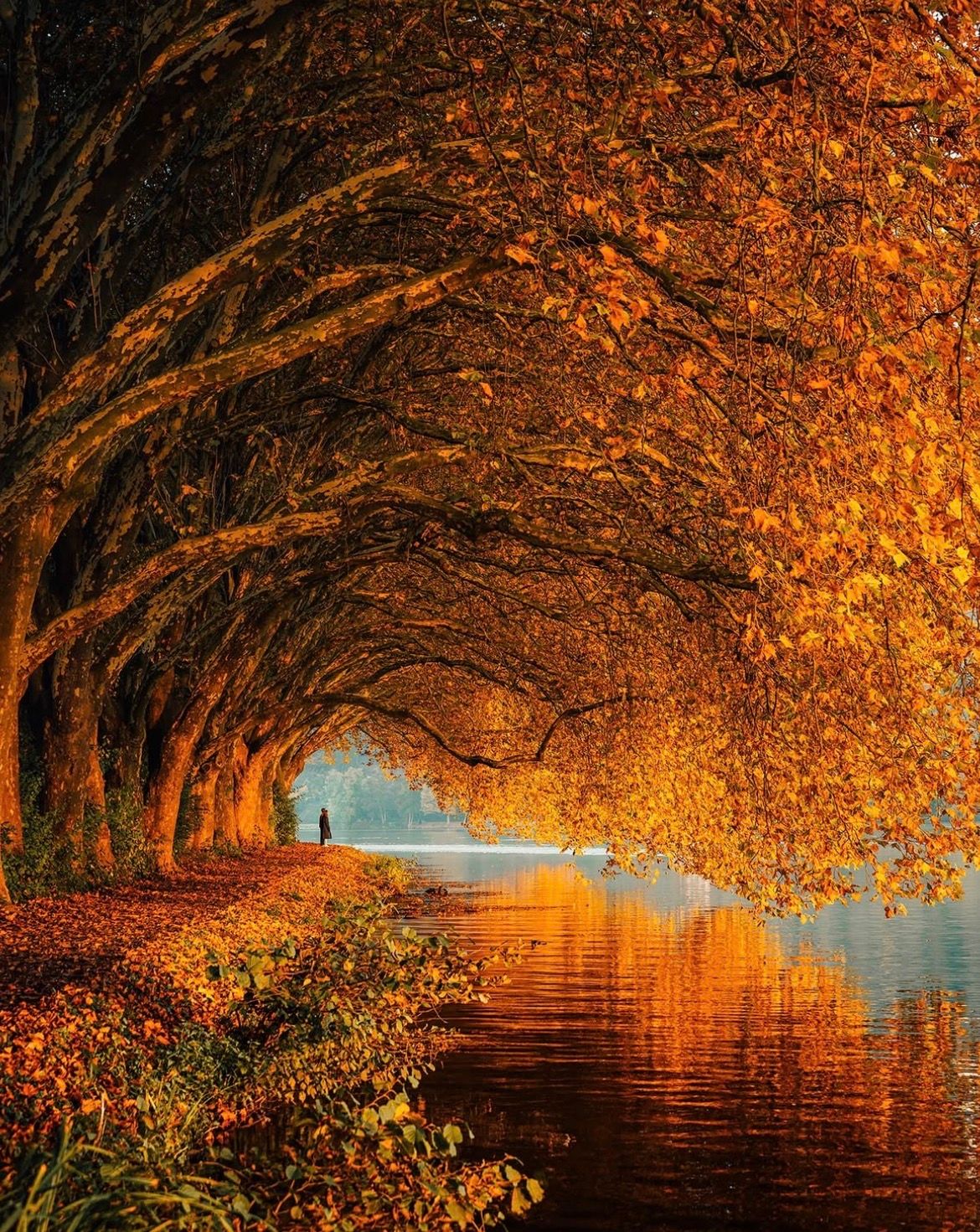
Definitely in dramatic weather. Especially at the golden hour, there's nothing better than dramatic clouds, which give the picture a very special atmosphere. For me, golden clouds or red cloudy skies are among the most beautiful moods that I try to photograph.
Do you consider yourself more of a street photographer or an architectural/landscape photographer?
I would describe myself as a photographer who tries to combine urban subjects of the city with elements of street photography. Through the influence of street photography elements, I can give my pictures a mood that you wouldn't otherwise feel. Nevertheless, I also really enjoy photographing landscapes and escaping the hustle and bustle of the city to be by myself.
You also shoot with a drone, right? What is that like? What drone do you use? Any challenges when shooting with a drone?
I'm currently using a DJI Mini 4 Pro and I love taking photos with the drone because it gives you completely new perspectives in terms of creativity that you don't have from the ground. The challenges here are definitely the regulations on flying, which have been increasingly restricted in recent years, and rightly so in some cases. This is probably a critical perspective, but for me, access to drones is too easy and there is a minority of people who don't pay any attention to the rules, fly around wildly and sometimes endanger others as a result which result in harder regulations.
What is your favourite subject to shoot?
Difficult to answer. Even though New York, for example, stands out with all its buildings and I love photographing there, there are always different subjects that are very special to me in the right light. So for me, there is a favourite mood rather than a favourite subject. The facades of a city, motifs in nature or even moments in street photography can all become favourite moments for me in the right light. I always realise this when I'm happy inside like a little child because the conditions are exactly as I dreamed they would be.
What’s the biggest challenge you face as a photographer?
Beeing creative all the time, maintaining and developing your own style and not being too influenced by social media. Especially before travelling, I spend a lot of time thinking about my destinations and looking for motifs that I would like to photograph. Nevertheless, I want to photograph and present the motifs in my own way and not in a way that has perhaps been seen umpteen times before and copied from another photographer's style.
How do you approach editing your shots? Do you aim for realism or go for a more artistic vibe?
I would say both in its own way. I like to give my pictures a dreamy, sometimes cinematic look. I often use a mist filter when I'm taking the photos. When it comes to colours, I definitely strive for realism. When I look back at my early days of post-processing, I usually turned the saturation slider all the way up. Today, I much prefer to take out some of the saturation to make the images look much more realistic and natural.
Do you ever wait hours for the perfect shot?
Definitely. Especially when I'm trying to incorporate elements of street photography, I like to wait half an hour or longer for a person to walk into the picture the way I'd hoped. If I want to photograph a subject during the golden hour, it's more the dependence on the weather that makes me visit a subject several times if the weather hasn't played ball and I'm not happy with my photo.
Do you have a favourite lens or piece of gear that you can’t shoot without?
For sure a fast 24-70mm 2.8 lens. With its open aperture, it's perfect for taking photos without a tripod, even during the blue hour/at night. During the day, it is a mix of wide-angle, classic street perspective (35mm) and detail shots at 70mm. For me, it's the perfect all-rounder.
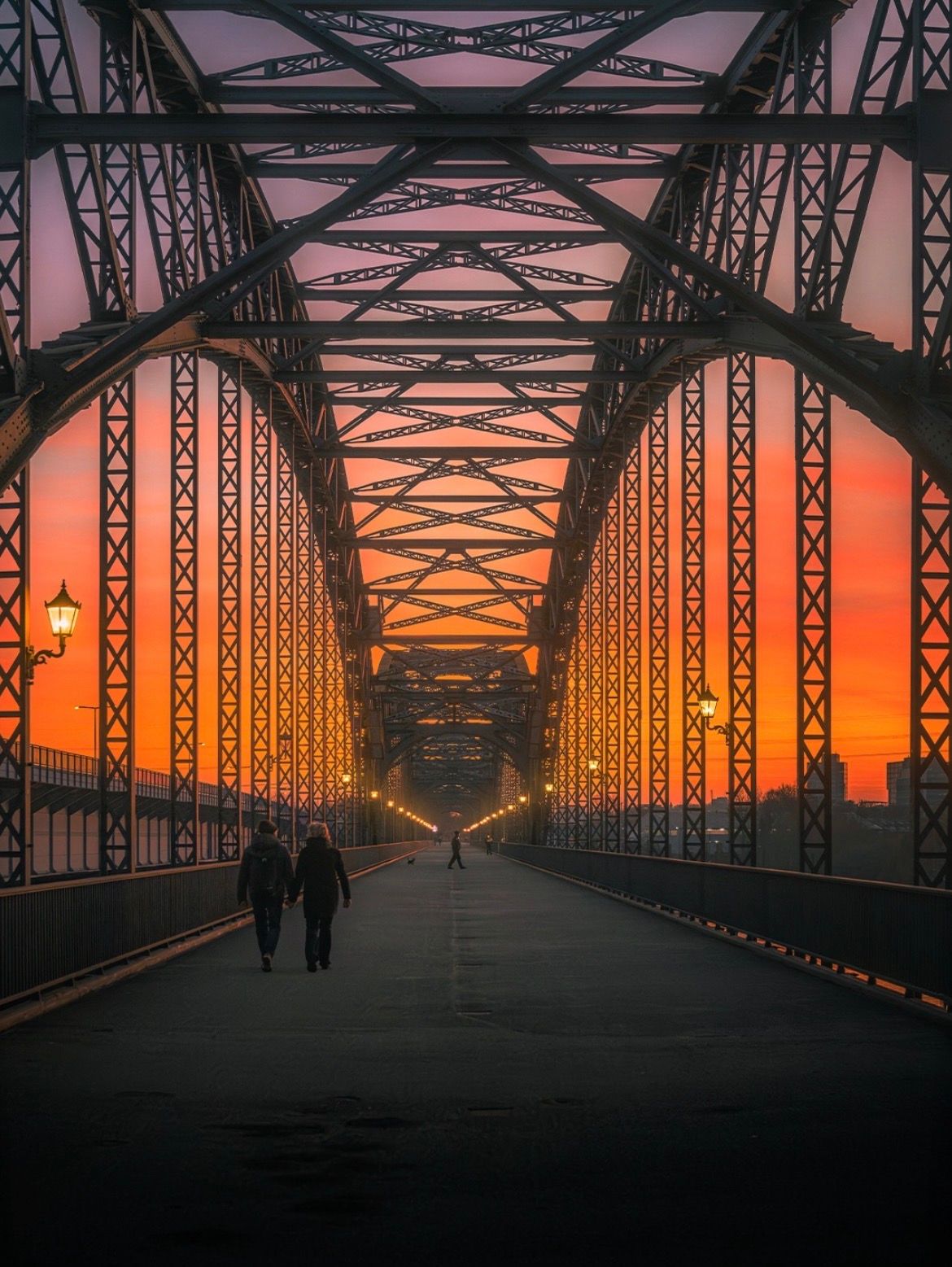
How do you manage to make a familiar spot look fresh and unique in your photos?
Very good question. I try to make the motifs appear unique through compositions on location (e.g. framing or leading lines), long exposures or my own style of editing. I also try to use influences from street photography to give my pictures a mood that the subject would not have without the element. Long shutter and people in the picture are a good way of portraying the hustle and bustle of a city, for example.
What’s your approach to capturing the scale of a building?
I have thought about this question for a long time but can’t find an answer - sorry.
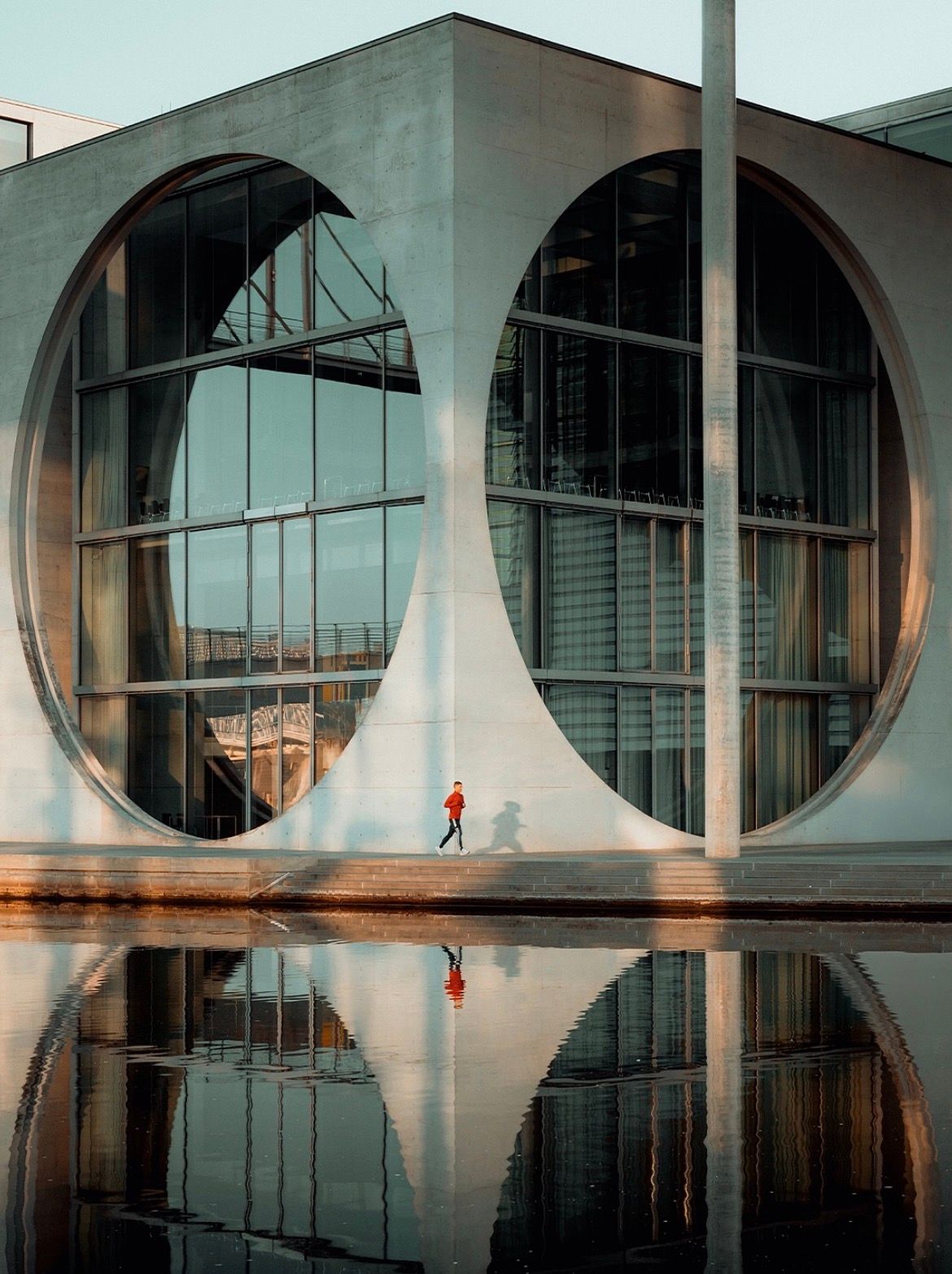
Are there any photographers or artists who inspire your work?
There are tons of photographers whose content I love to see, but it would be unfair to single them out. And it always depends a little on what mood I want to photograph at the time and I love to search for it specifically in social media and be inspired by completely new content that is different from the creators that have inspired me so far. However, it’s always important to me that inspiration remains inspiration and that I stay true to my own style.
What role does composition play in your photography?
Composition definitely plays a big role. In most cases, I try to stick to simple compositions such as the golden ratio or leading lines. However, if I want to give the picture a certain mood, I also like to use the possibility of including people in my pictures, e.g. to convey the hustle and bustle of a city.
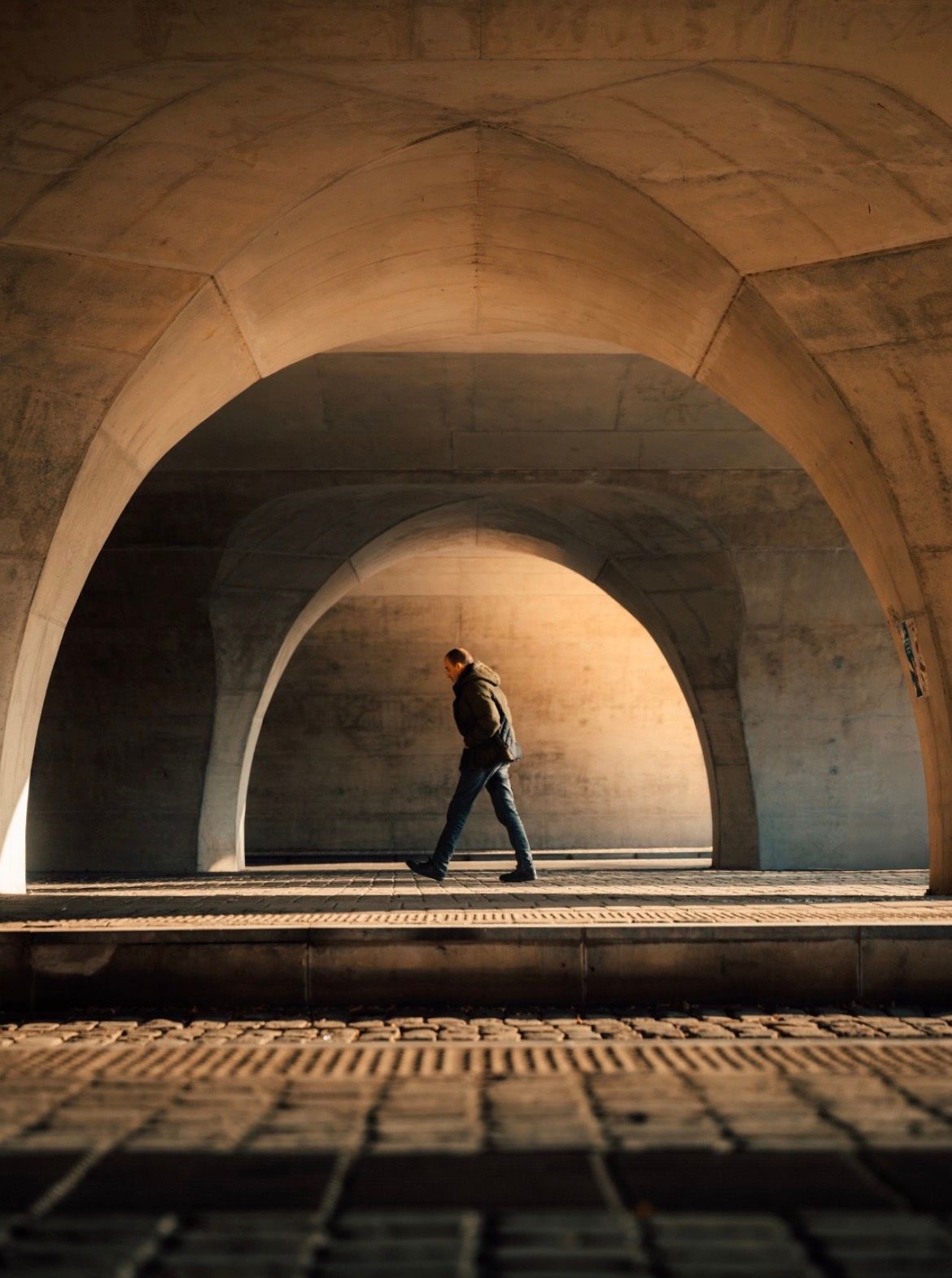
How important is light to your shots, and how do you work with it?
For me, the right light is one of the most crucial things in photography. Without light and shadow, every picture looks flat and only the light makes the subject appear alive. I love incorporating people into my pictures in golden backlighting, when the light casts long shadows. I am also fascinated by capturing moments during the blue hour with cinematic lighting aspects.Q20
What’s your advice for someone who wants to get started with photography?
Definitely that you should go out and shoot. You won‘t take that one special shot from your couch. As a self-taught photographer, I can assure you that it’s a learning process and you get better with every photo walk if you stick to basic compositions like the golden ratio.
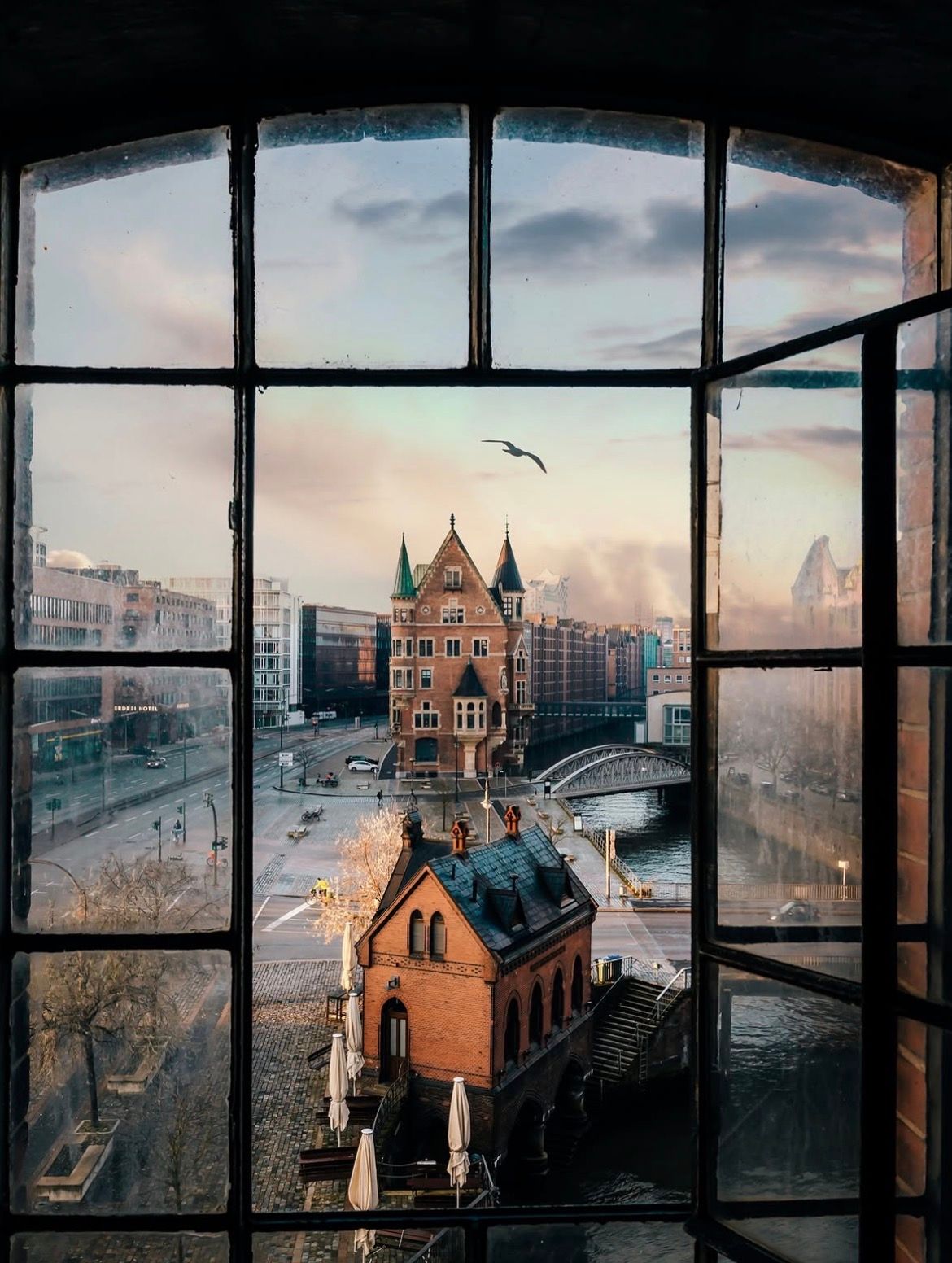
If you could spend a week shooting in just one place, anywhere in the world where would it be and why?
I think this is the hardest question of the whole Interview. If I had to choose I think it would be Tokyo because I’m completely unfamiliar with the area, but I feel totally inspired by the content I see from there. I absolutely love the cinematic vibes and think the city itself is more than worth seeing.
Do you think gear matters much for photography?

The rest, 5 more questions of this Interview + an additional exclusive photograph selection, are for Premium subscribers only.
I’m Back’s APS-C Digital ‘Film’ Roll
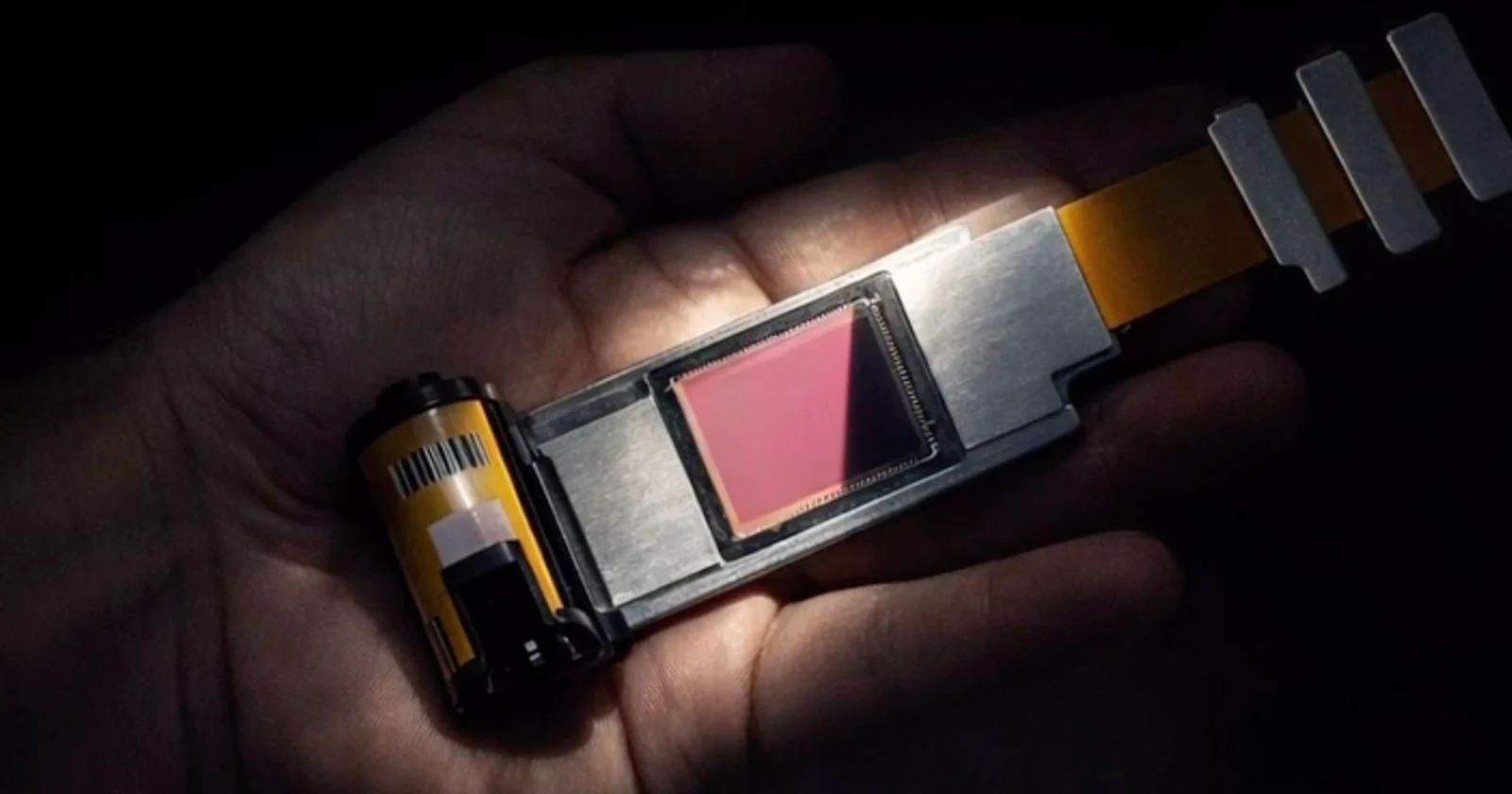
Living up to its name, I’m Back is back again. The company is teasing its newest idea, a digital “film” roll with a larger APS-C image sensor that sits inside a 35mm film camera and lets photographers capture digital photos with their old analog bodies.
This is not the first time the company has tried something like this. I’m Back first appeared in 2017 with a large digital back designed for classic 35mm film cameras. Two years later it released a version for medium-format cameras, though that system still used a fairly small 16-megapixel Type 1/2.33 sensor. In 2020 the company introduced the I’m Back 35, an updated version of the original concept, but it was still quite bulky and added noticeable size and weight to the camera.
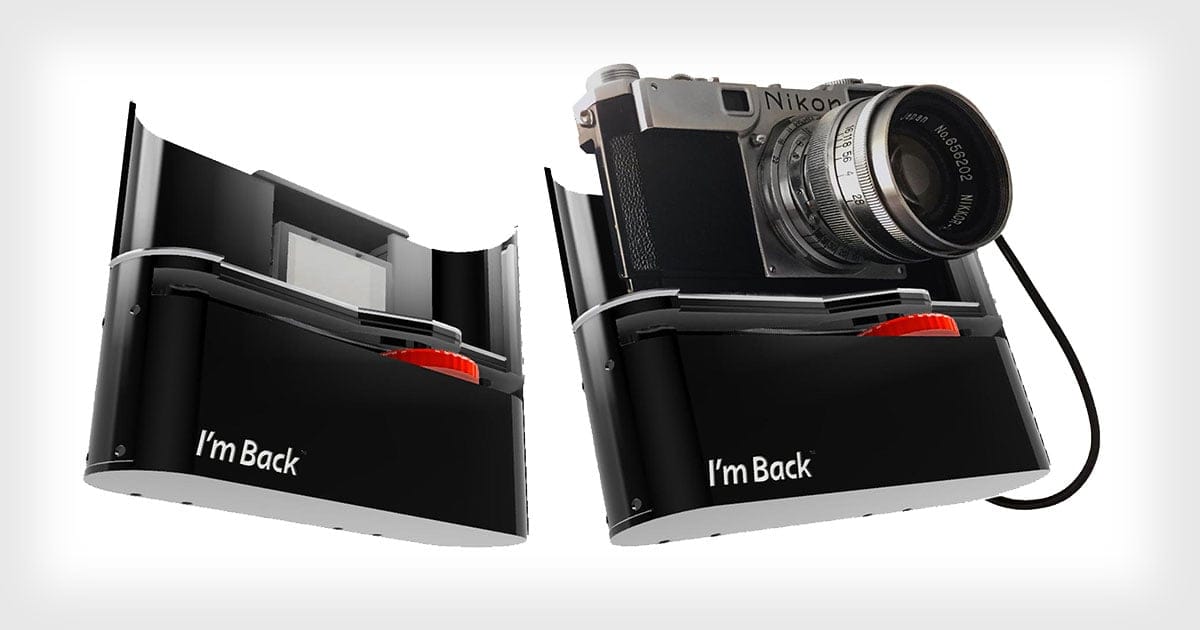
2017 version
In October 2023 the company returned with I’m Back Film, which took the same idea, a digital sensor for film cameras, and placed it inside a device shaped like a roll of film. Instead of attaching a big module to the outside of the camera, you could load it just like a normal film cartridge.
That design was much more compact and interesting, but it still used a relatively small 20-megapixel Micro Four Thirds sensor. Even so, the project launched very successfully on Kickstarter in late 2023 and eventually led to a collaboration with Yashica.
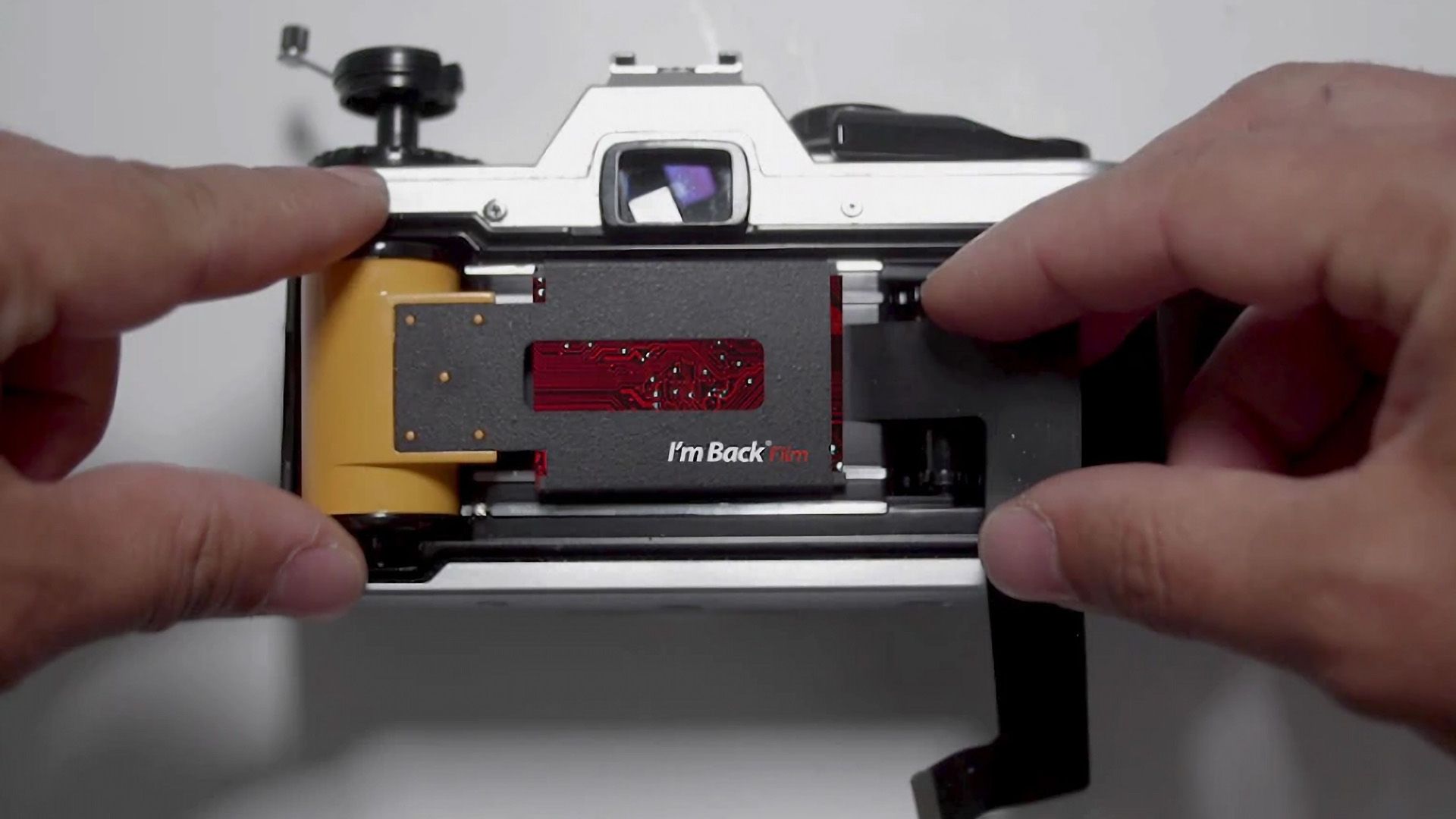
2023 Version
Now the company’s founder, Samuel Mello Medeiros, says the new version is addressing one of the biggest criticisms of the previous model, the small sensor. With the Micro Four Thirds chip, lenses designed for 35mm film cameras ended up with a 2× crop factor. That is not always a bad thing, but it can be frustrating for wide-angle lenses. Photographers using a 28mm lens typically want the look of a 28mm lens, not something closer to a 56mm field of view.
Moving to an APS-C sensor should help reduce that issue, though it won’t eliminate it entirely. APS-C still comes with about a 1.5× crop factor, but it is much closer to what those lenses were originally designed to deliver.
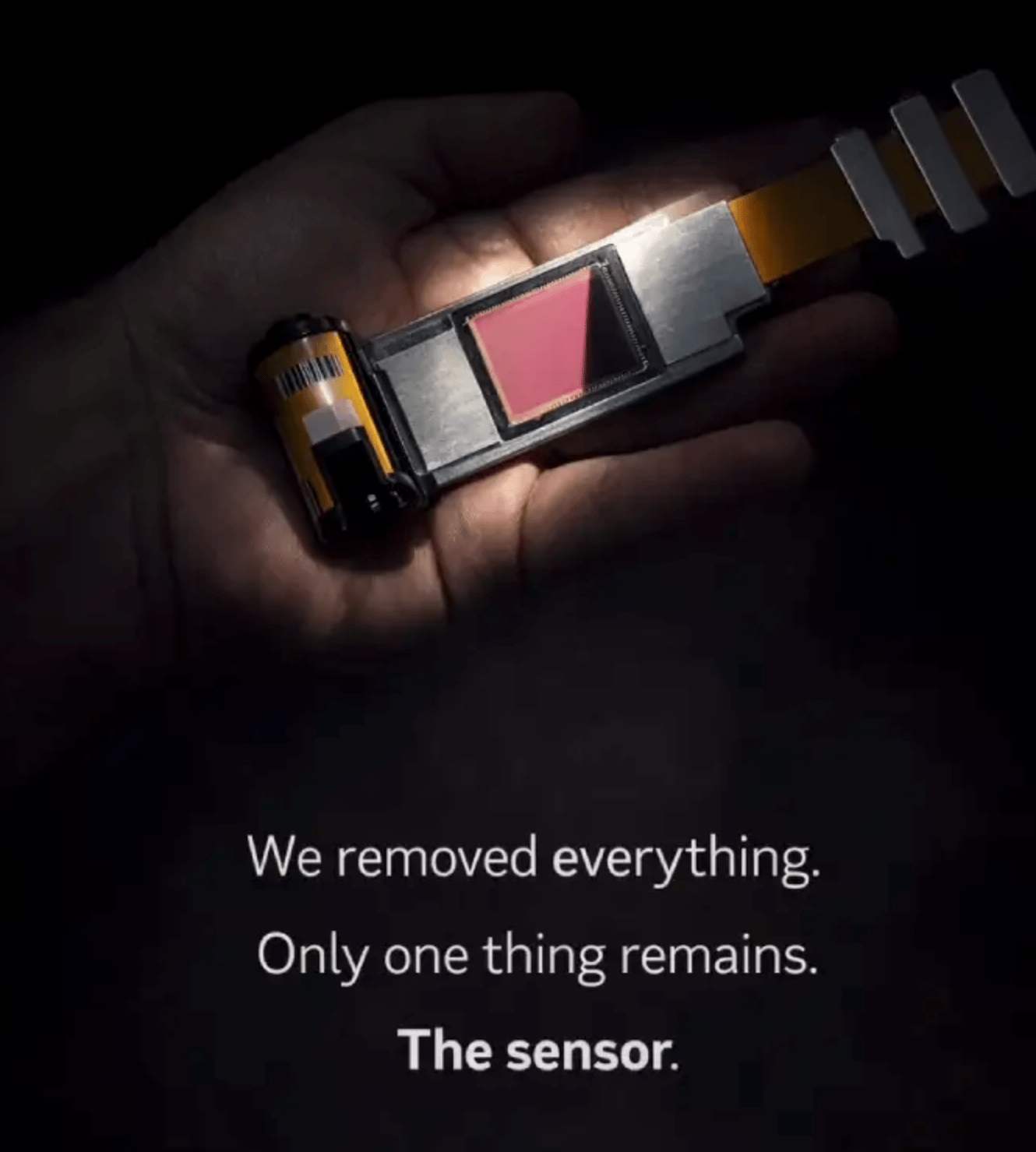
“The goal of this project is simple: allow photographers to return to the cameras they love while embracing a contemporary digital workflow. No external display. No visible modules attached to the camera. Everything stays inside. The only external element is a small Bluetooth remote control used to synchronize the shutter,” Medeiros explains.
Along with the larger sensor, the new design also moves storage and power inside the camera. The earlier Yashica collaboration used a separate processing module connected to the camera, but that external unit has now been removed.
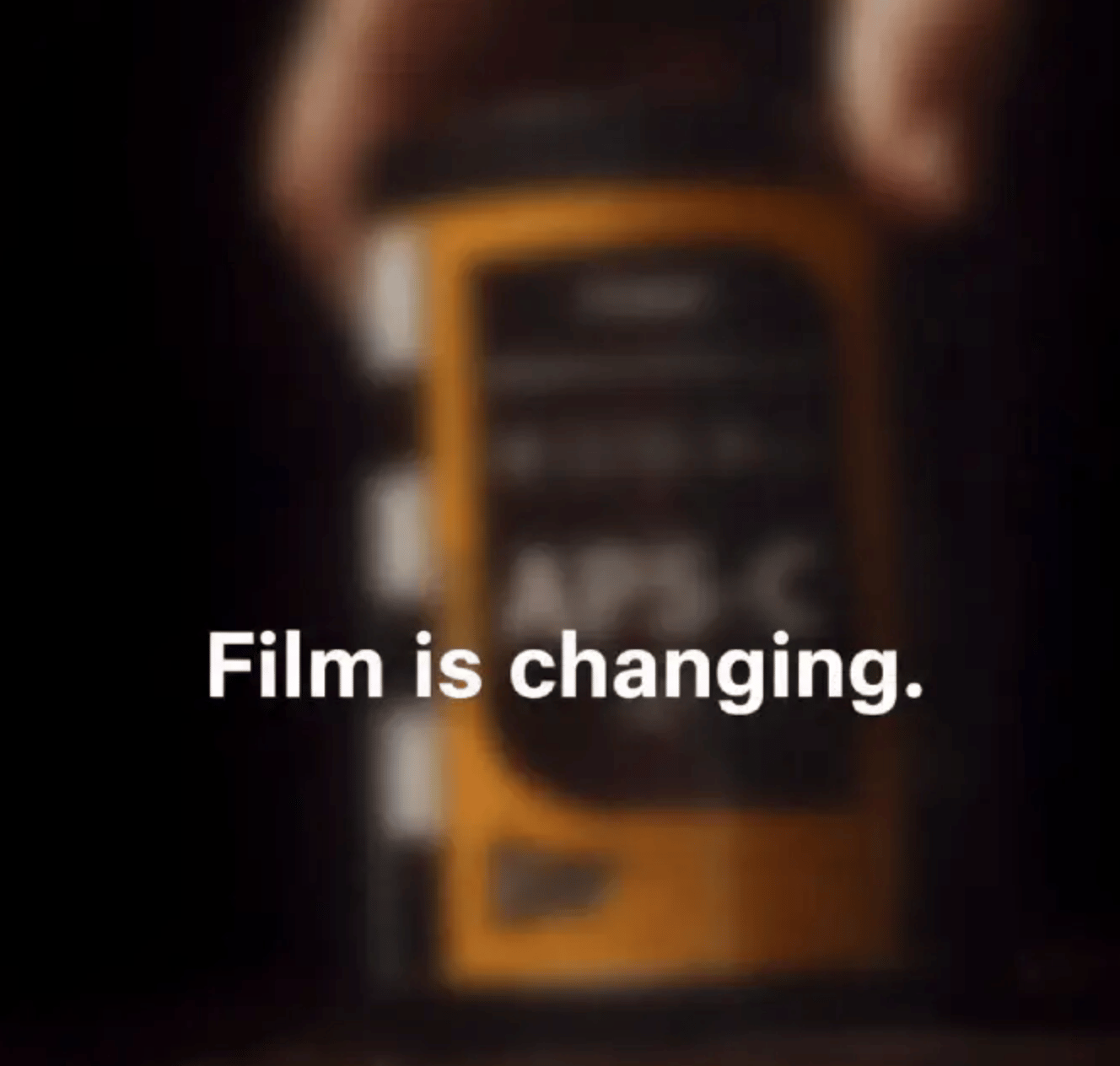
According to the company, that change does more than just make the system smaller. Because everything sits inside the camera body, the I’m Back Roll could even work with waterproof film cameras, including models like the Nikonos.
Details are still limited at this point. The company has not announced the exact megapixel count yet, but it says the APS-C “film roll” will include internal storage, Wi-Fi and Bluetooth connectivity, a rechargeable removable battery, and a CNC-machined aluminium body designed to be durable and stay cool. The sensor will also support RAW and JPEG photos along with 4K video recording.

“I’m Back Roll does not aim to replace analog photography or compete with modern digital cameras. Its purpose is to offer a new possibility, bringing historic cameras back to life and allowing them to continue telling new stories,” Medeiros says.
Whether the concept finally works in practice remains to be seen, but the I’m Back Roll is definitely an interesting project to watch.
Photography Tip of the Week


The weekly photography tip is only accessible to Premium Subscribers of The Magazine For Photographers.
Photo Analysis
Welcome to the part of the Magazine Issue where we take a closer look at a photo and analyse it so that you can learn and better your own photography from it ;)
Photo by: @d.grade
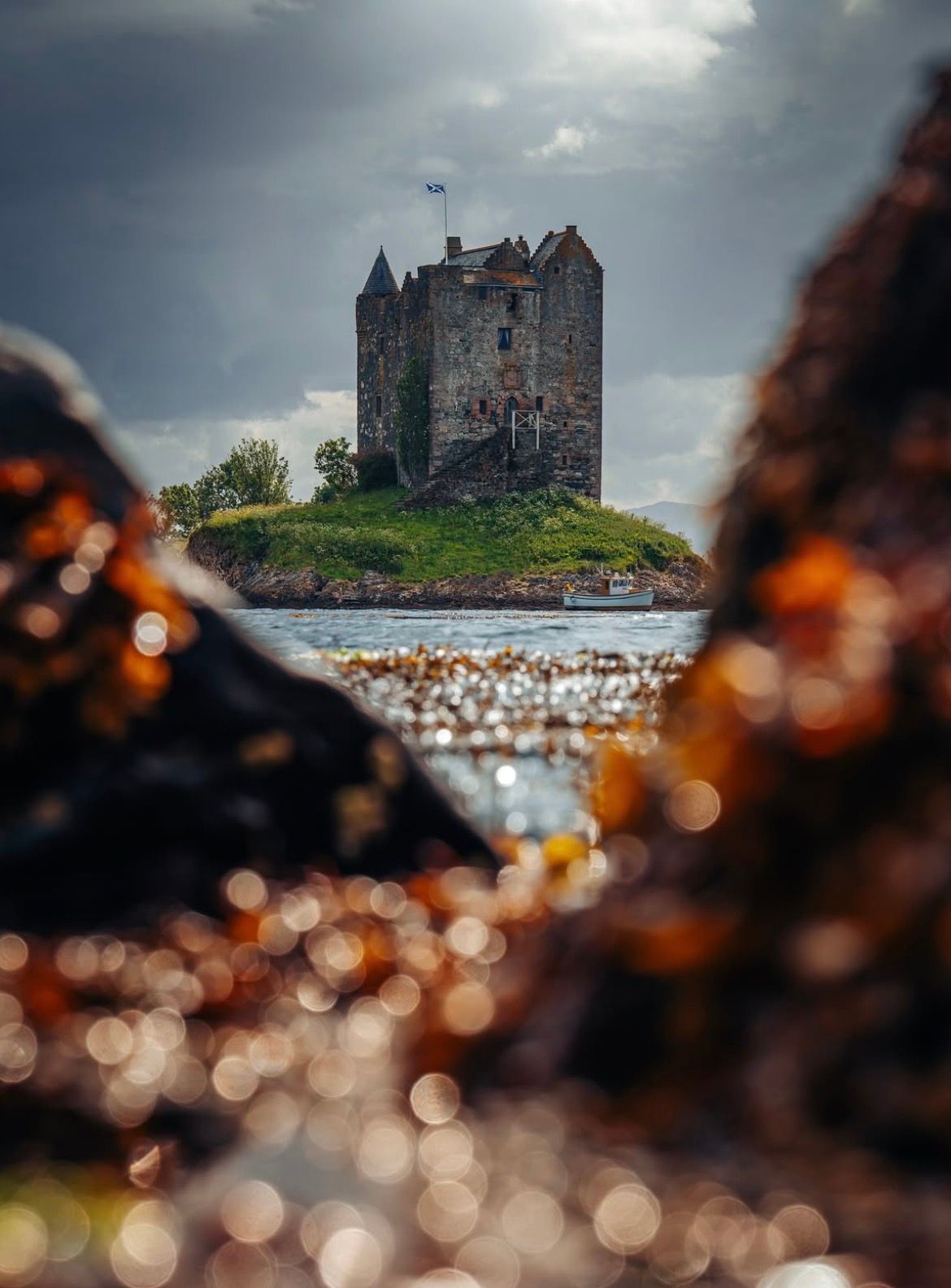
Let’s Analyse this Photo
Composition & Framing
What works well:
The framing is probably the strongest part of the photo. The two foreground rocks create a natural window that points viewer’s eye toward the castle.
The right and left rocks also create a very subtle S-shaped visual path (well, for me at least) → your eye starts in the bottom right, moves toward the left rock, curves back toward the right, and then naturally lands on the castle.
The castle sits nicely centred within that frame, which reinforces its role as our focal point.
What could be better:
The foreground framing elements are quite strong in colour, saturation, and just in sheer ‘‘size’’ they almost overshadow the actual subject, the castle.
The bright bokeh and reflections in the immediate foreground can again compete a bit visually with the main subject.
All together, because the castle is relatively small compared to the framing elements, it loses some dominance.
Depth & Layers
What works well:
The depth is pretty good. We clearly move through several layers: immediate foreground → the right rock → the left rock → the water → the island with the castle → and finally the sky.
This layering creates a strong sense of distance, scale and it gives us that nice 3D depth effect.
What could be better:
As I mentioned before, the foreground, even though it is out of focus, is still very dominant, which slightly overpowers the rest of the shot.
Colour & Tone
What works well:
The warm tones in the foreground rocks contrast nicely with the cooler tones of the sky and water.
The green of the island adds a pleasant midtone that bridges those warm and cool areas.
The overall colour palette feels pretty realistic and not overly processed.
What could be better:
Slightly more tonal separation between the castle and sky could help our subject stand out more.
Again, (I know I am kind of repeating myself) the warm saturation of the foreground rocks is quite strong and it pulls attention away from the castle.
Story & Emotion
What works well:
The castle on that small island immediately creates a sense of history and mystery.
There is a small boat in front of the island that adds some scale and hints at human presence.
We also see a flag on top of the castle which gives a clear sense of place —> this scene is recognisably in Scotland. Some castle enthusiasts could have also spotted that just by looking at the distinct architecture, I am sure ;)
What could be better:
The narrative is mostly about atmosphere/mood/location/the framing itself, rather than ‘action-driven’.
Balance
What works well:
The rocks on the left and right balance each other well and guide the attention toward the centre.
Yes, the castle acts as the central visual anchor in the frame.
The boat adds a small balancing element near the waterline.
What could be better:
Again, (last time I swear) because of the strong foreground, the castle can feel slightly secondary instead of fully dominating the composition.
Join Our Photographer Group!

Get access to the best photographer group/community for networking, collaborating, gear talk, feedback on your work and so much more!
Something You Have To Check Out
Why is everyone launching a newsletter?

Because it’s how creators turn attention into an owned audience, and an audience into a real, compounding business.
The smartest creators aren’t chasing followers. They’re building lists. And they’re building them on beehiiv, where growth, monetization, and ownership are built in from day one.
If you’re serious about turning what you know into something you own, there’s no better place to start. Find out why the fastest-growing newsletters choose beehiiv.
And for a limited time, take advantage of 30% off your first 3 months with code GROW30.
Photographer of the Week
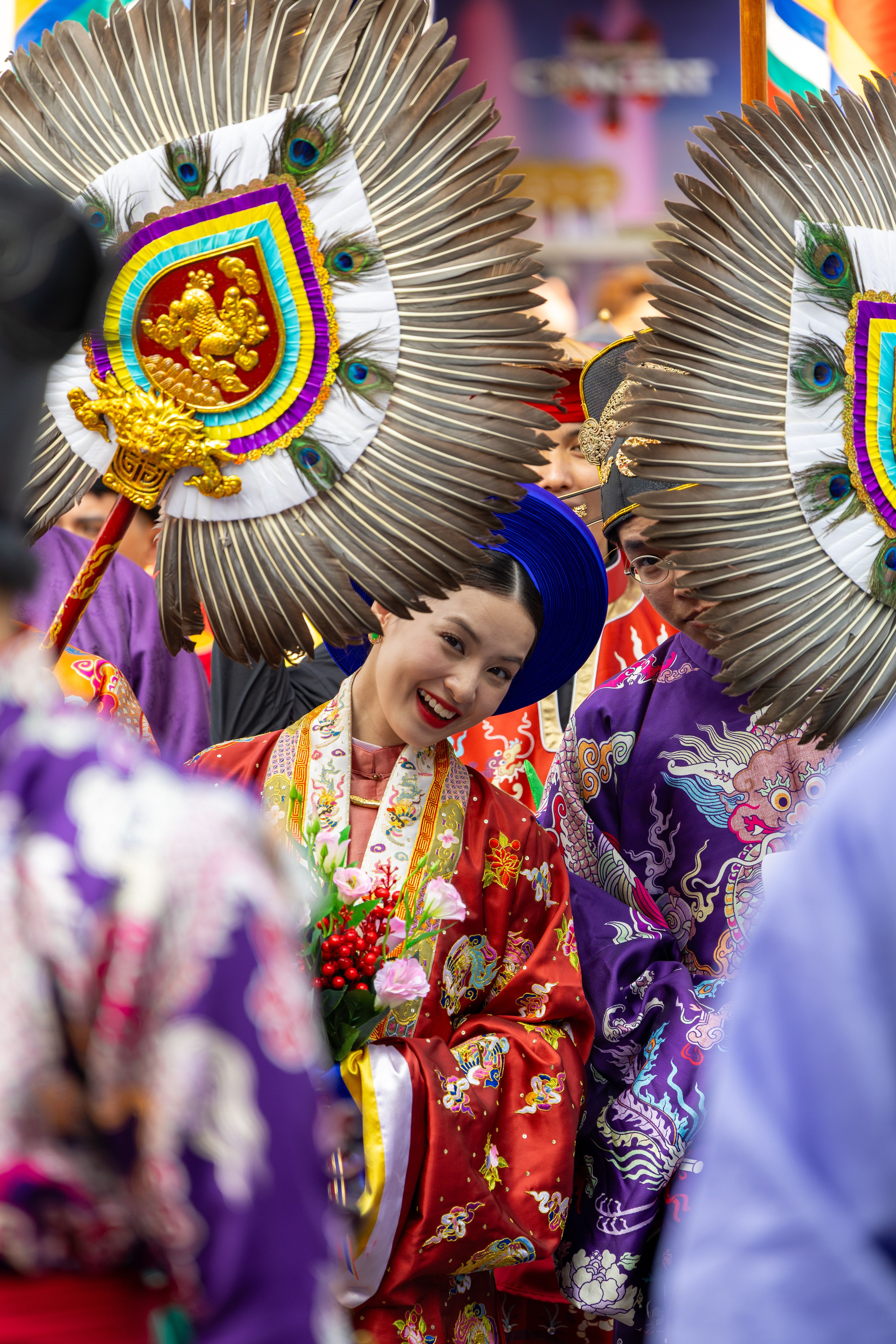
Photographer of the week goes to: David Lund
You can find him on Instagram as: @davidlund_photography
A few photos of his:


Also want your photos featured in the magazine? Become a member here!
The Rest of this Issue is for Premium Subscribers
