📸 SNAPSHOT - Issue 108
Welcome to a brand new Issue of my Magazine. A truly brilliant one, enjoy the read :)
In partnership with


In this Issue
A New Medium Format Film Camera
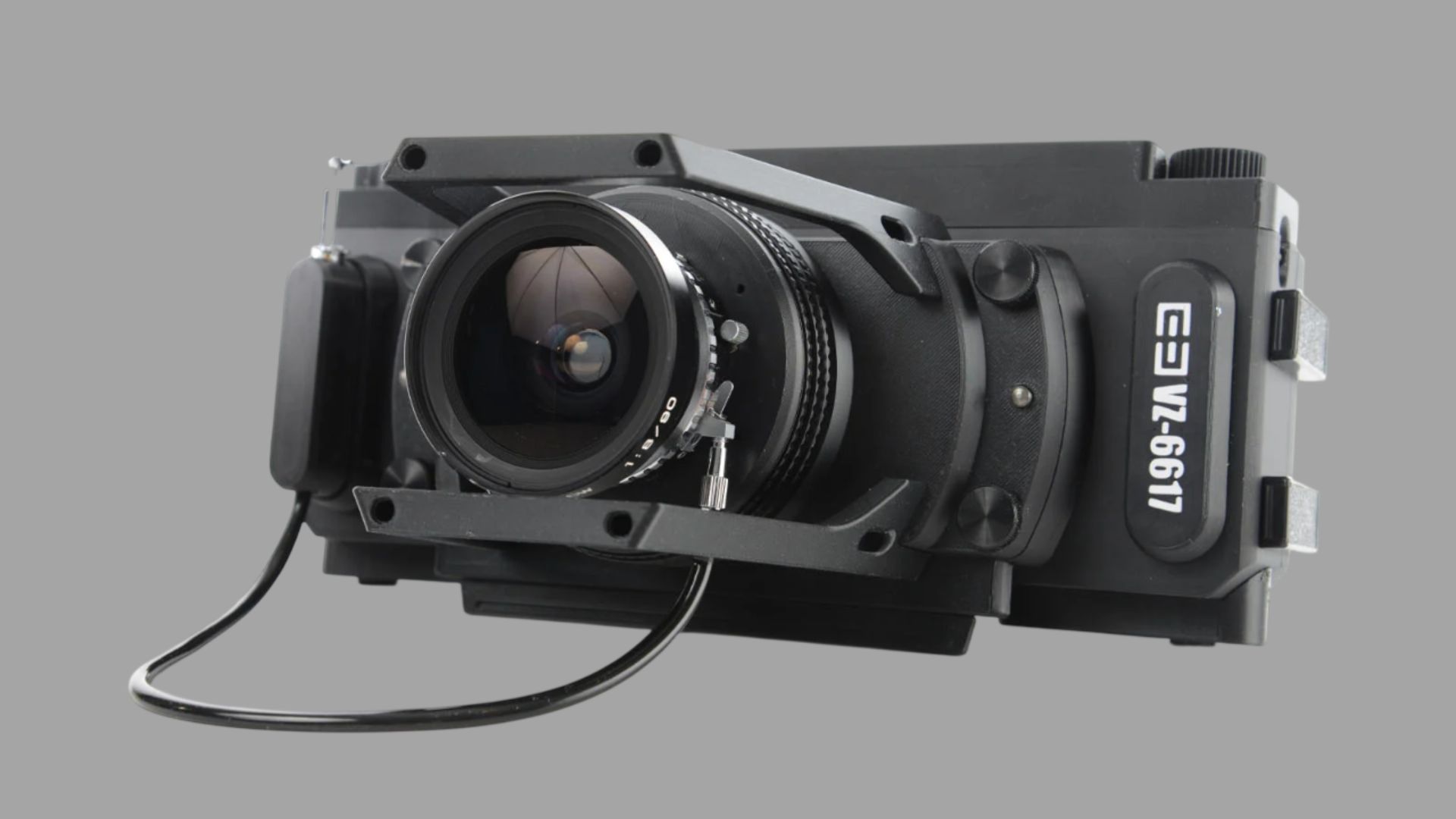
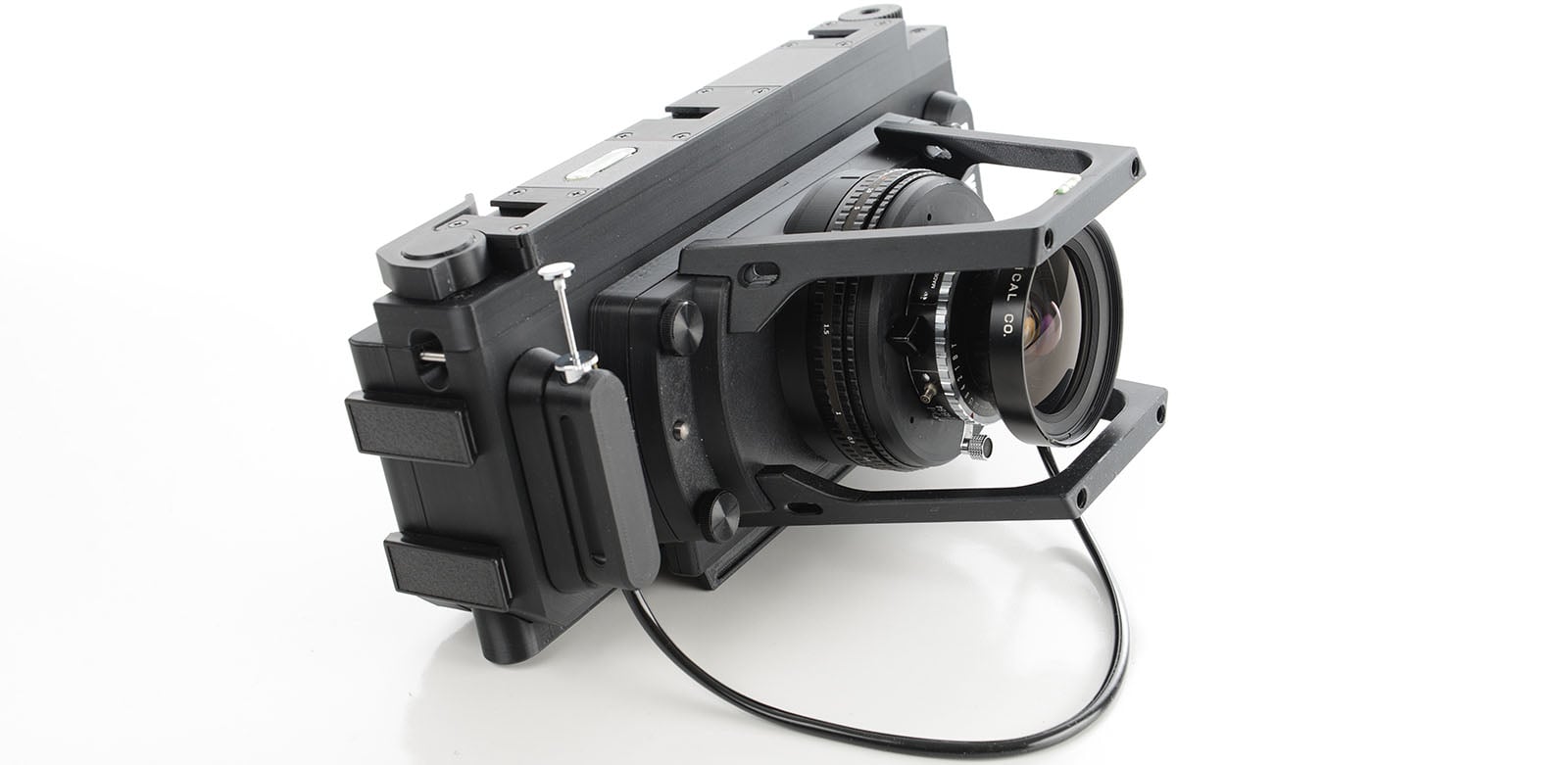
Exposing Engineering has announced the VZ-6617, a new medium format film camera that takes a slightly different approach to shooting film. The camera lets photographers switch between 6×6 and 6×17 formats mid-roll, something that is rarely been possible in a single body.
Most medium format cameras lock you into one format for an entire roll. If you load a 6×6 camera, everything is square. If you go with a panoramic camera, every frame is wide. This is the problem the VZ-6617 is trying to solve.
“If a photographer loads a 6×6 camera, every frame must be square. If they choose a panoramic camera, every frame must be panoramic. If they want both, they must carry multiple camera bodies with them. The VZ-6617 removes that limitation by allowing photographers to change the image area between exposures. A single roll of film can contain square portraits and panoramic landscapes,” the company says.
At the centre of the camera is what Exposing Engineering calls a Variable Zone Film Gate. It is a 3D-printed mechanism inside the camera that uses adjustable masking panels to change the exposed area of the film. By turning a knob, you can move between formats from 6×6 up to 6×17, including everything in between, without needing to swap anything out.

The system is fully built into the camera body, so the idea is that changing formats feels as straightforward as adjusting other settings like aperture or shutter speed.
The camera itself is also 3D printed, which helps keep the weight down and, according to the company, should make it more accessible compared to traditional medium format systems.
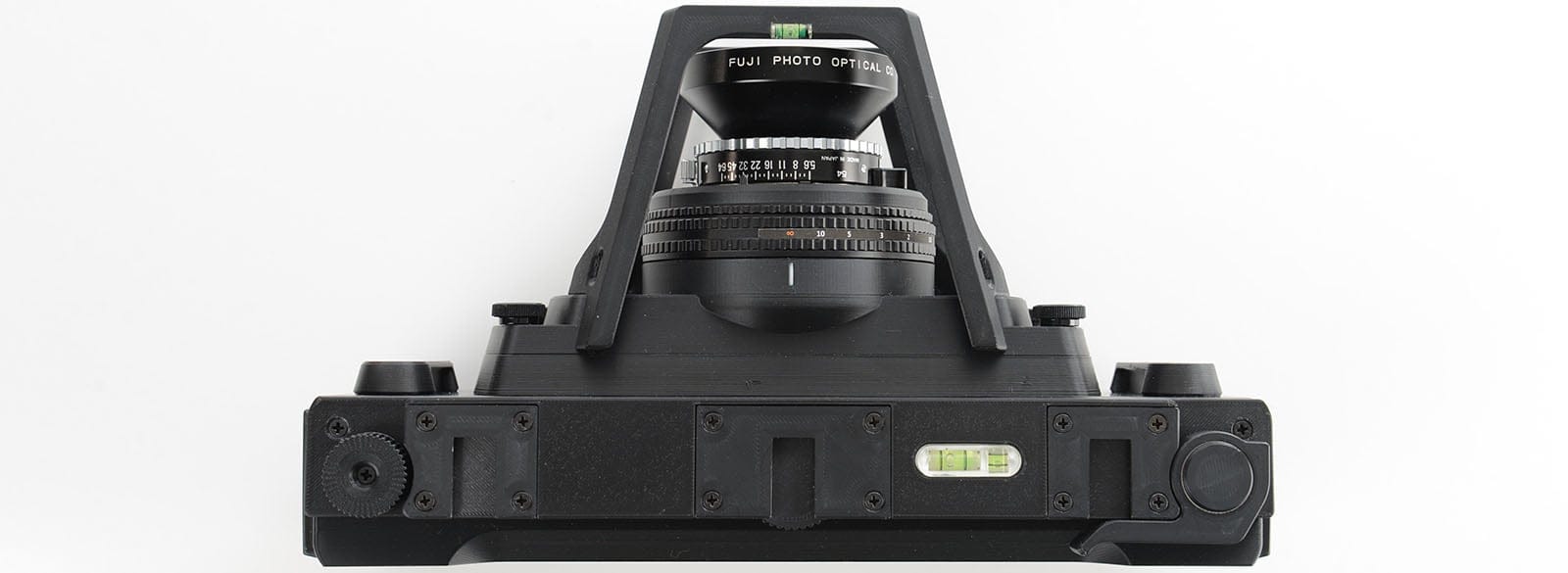
The VZ-6617 is designed to work with large format view camera lenses that have built-in shutters. Founder Francis Garing has already tested it with lenses from Fujifilm, Schneider Kreuznach, and Nikon.
Alongside the format flexibility, the camera includes a range of practical features. These include quick-release film spool holders, a frame counter that can handle mixed aspect ratios on the same roll, support for both optical and phone-based viewfinders, magnetic cable release mounting, built-in bubble levels, and three cold shoe mounts.
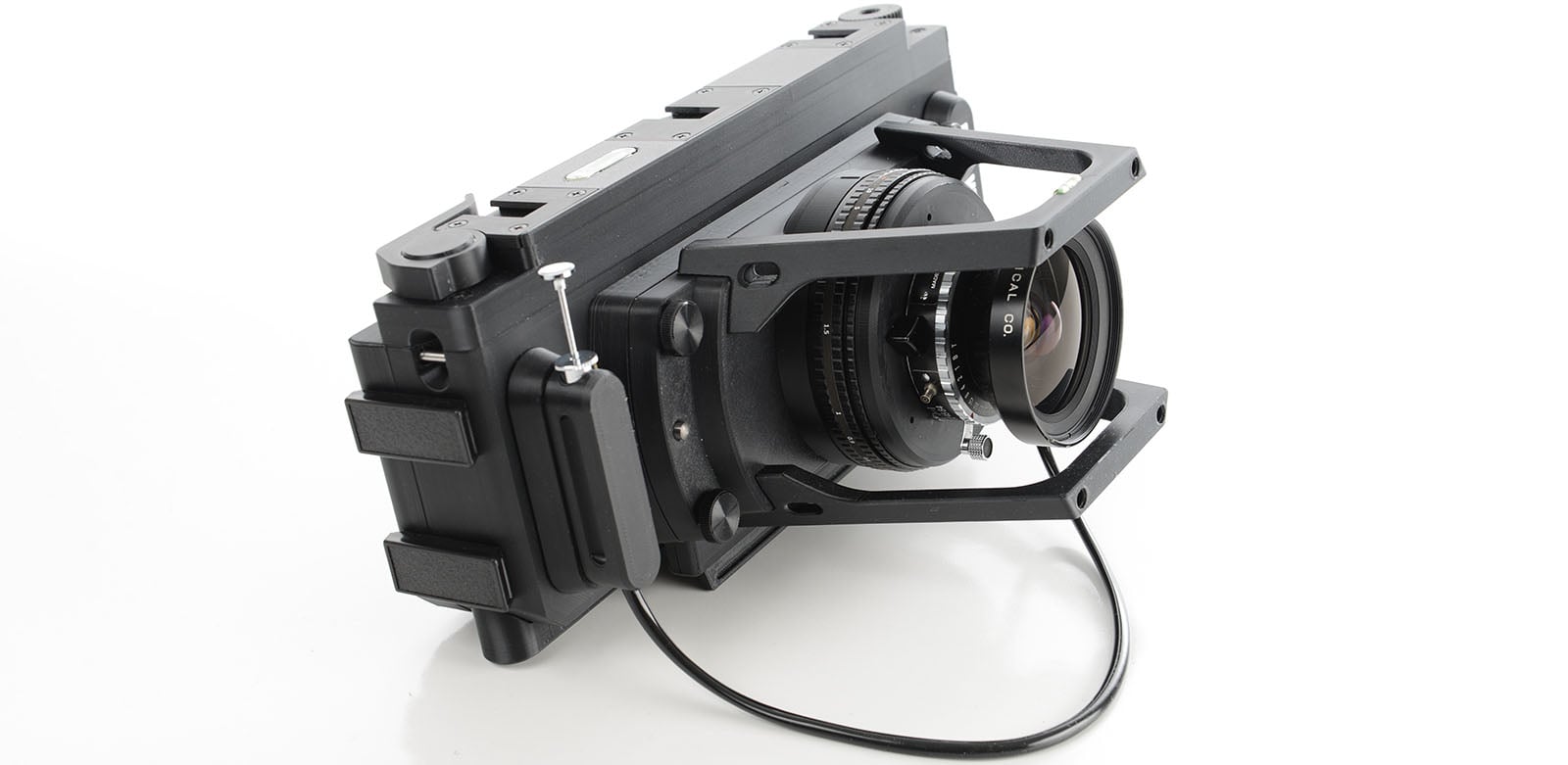
The VZ-6617 is part of a growing trend of new panoramic medium format cameras. Over the past year, similar projects from Custom Camera Building and Sasquatch have also appeared, both using 3D printing to make these kinds of cameras more accessible.
Garing says those cameras helped inspire the project, but he wanted to push the idea further. “Both the CCB 617 and Sasquatch 617 do panoramic formats great, and their use of 3D printing definitely makes the cameras more accessible relative to legacy systems like the Fujifilm GX617 or Linhof Technorama. I wanted to take a similar approach to making the camera accessible while adding features I’ve come to value in my photography process. The most important feature was the Variable Zone Film Gate mechanism,” he says.
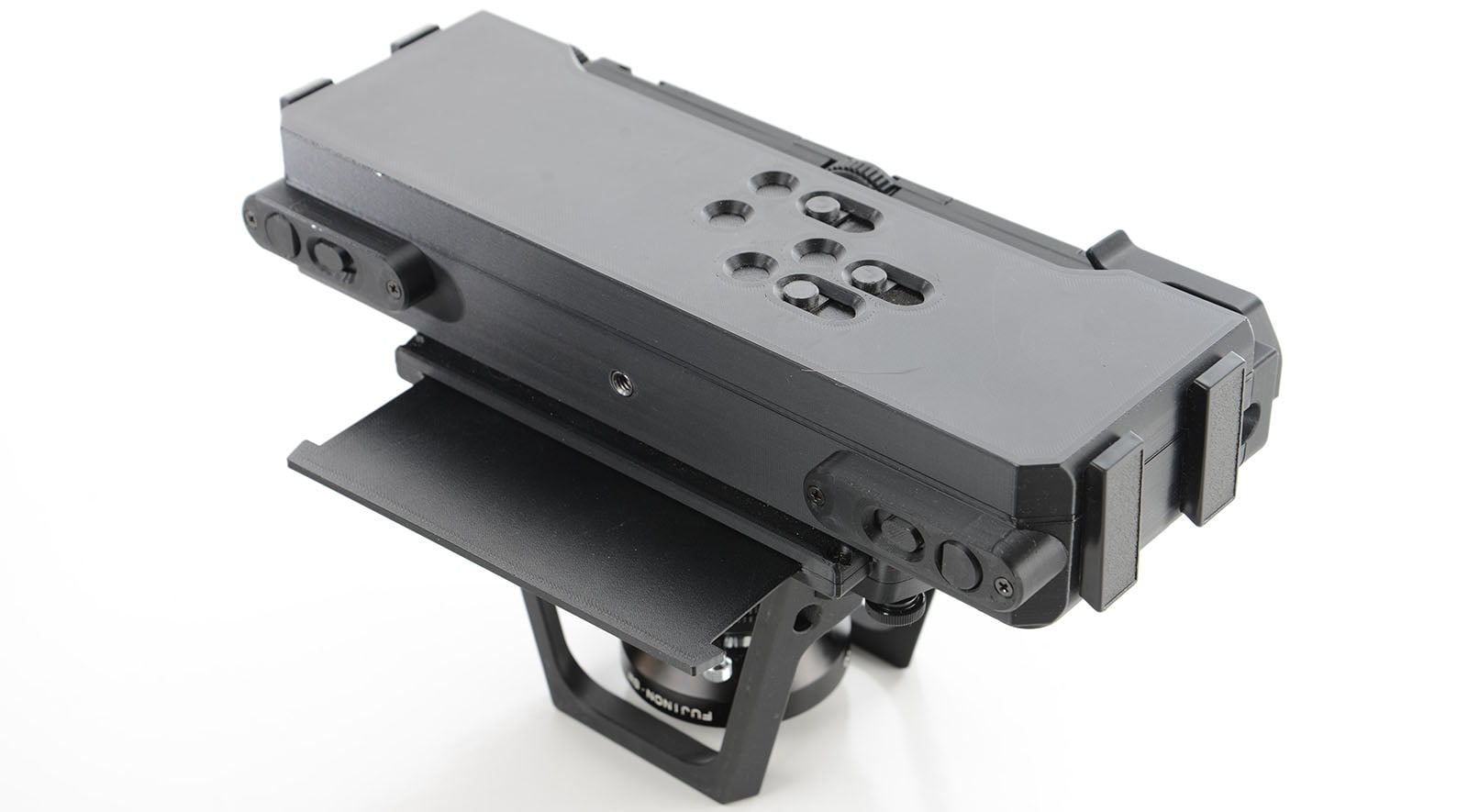
He also points to a more practical issue that led to the idea in the first place, not wanting to be locked into a single format.
“As I was getting back into photography, I had a hard time settling on a camera format that I wanted to have with me all the time, it was hard to commit to 6×6, 6×7, 6×4.5, etc. If I wanted to shoot more than one, I ended up bringing two different cameras with two different operating procedures. When I first tried 6×17, I knew I wanted that format available for travel photography.”
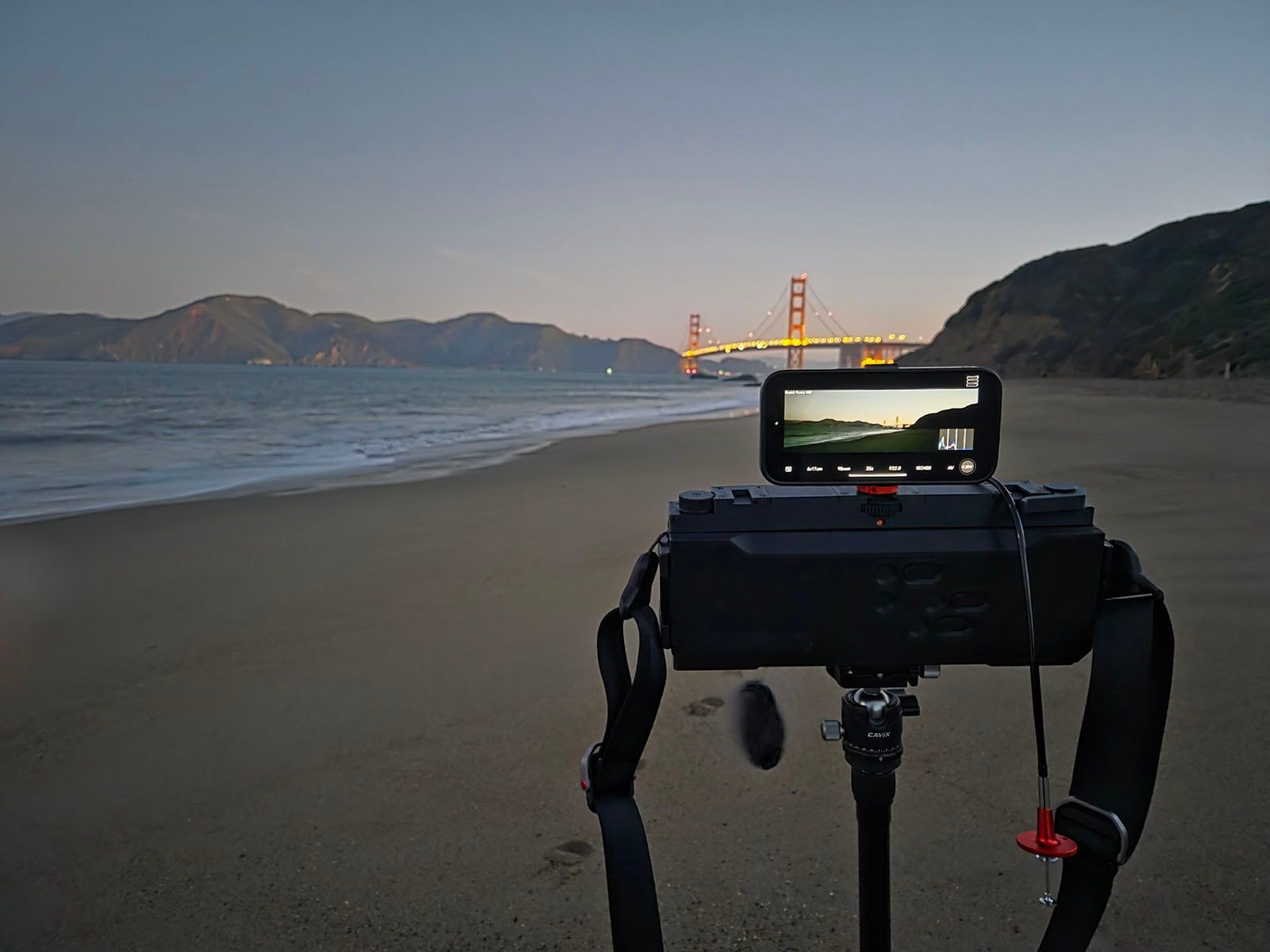
While similar concepts have existed before, they have mostly been tied to large format cameras using interchangeable film backs. According to Garing, those setups tend to be slower and less practical to use in the field.
“I wanted to build everything into one body and one system: shooting 6×6 to 6×17, adjusting on the fly, and mixing different aspect ratios on the same roll of film to make the most of it,”
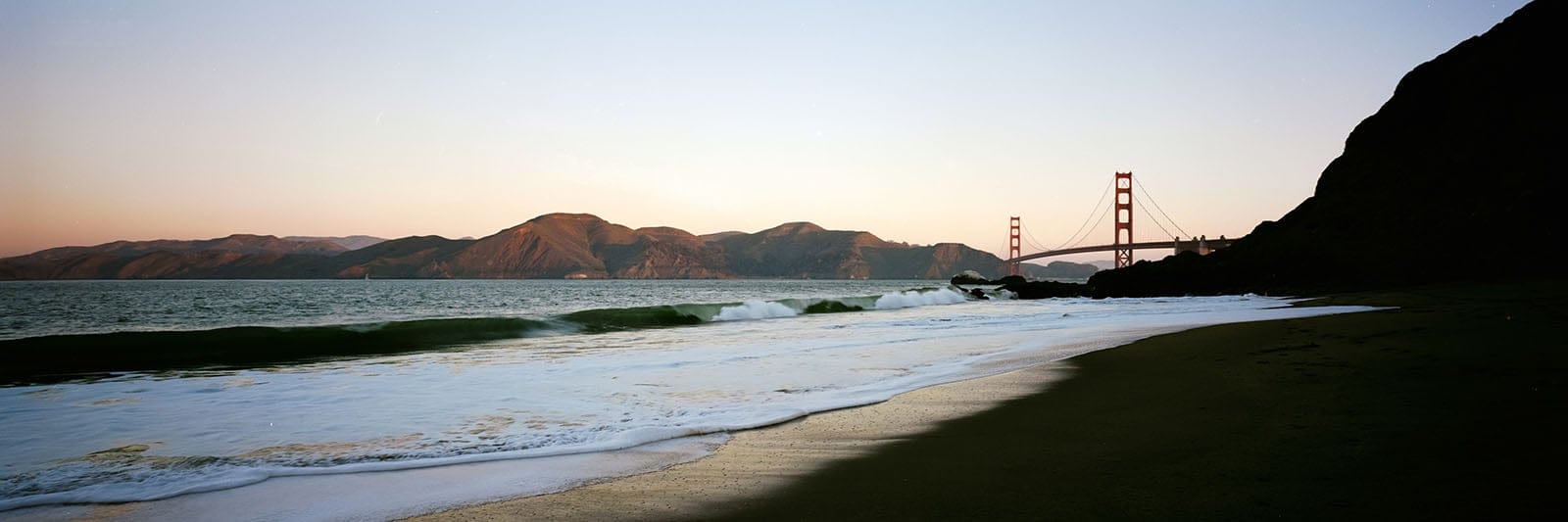
The VZ-6617 is currently in a beta phase, with a small group of testers providing feedback on the design. Exposing Engineering plans to launch the camera starting April 14. Pricing has not been announced yet.
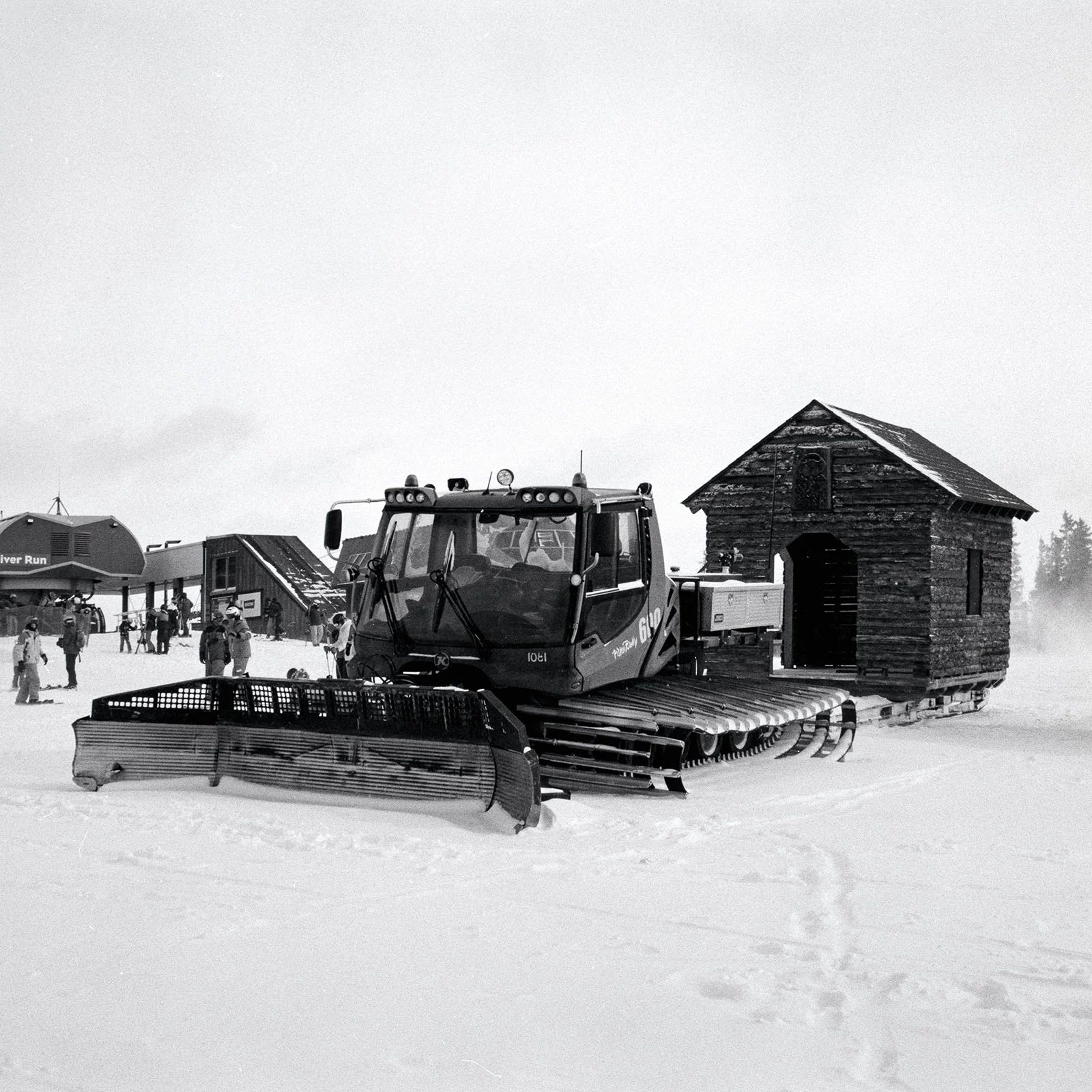
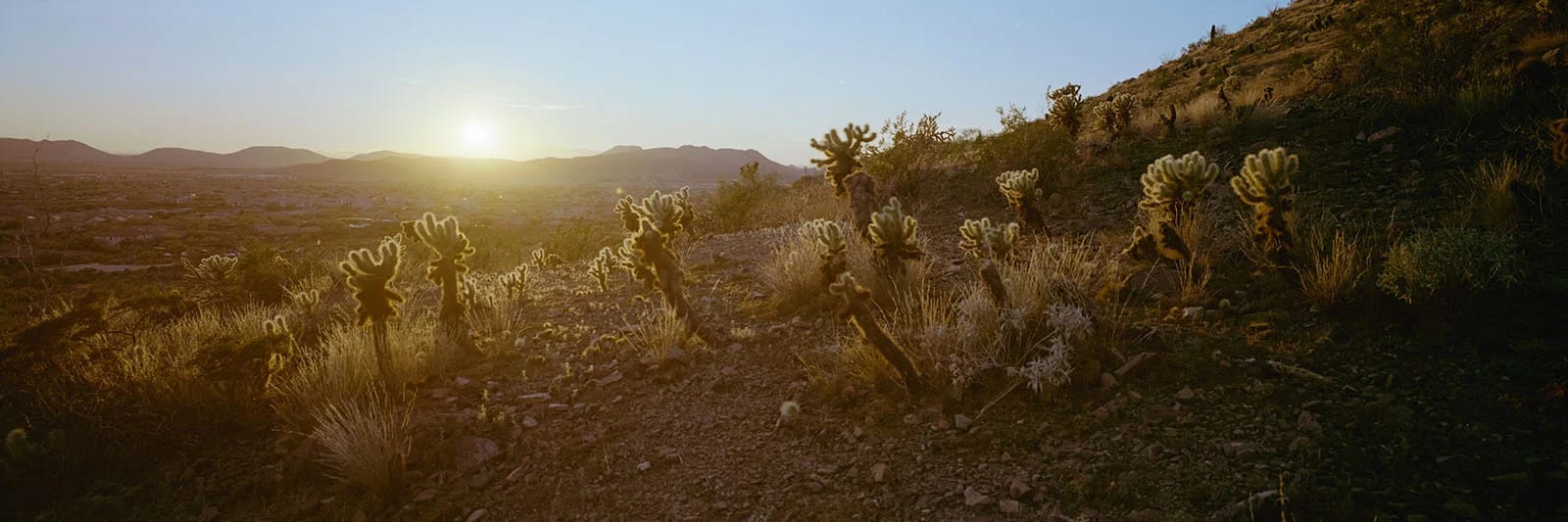
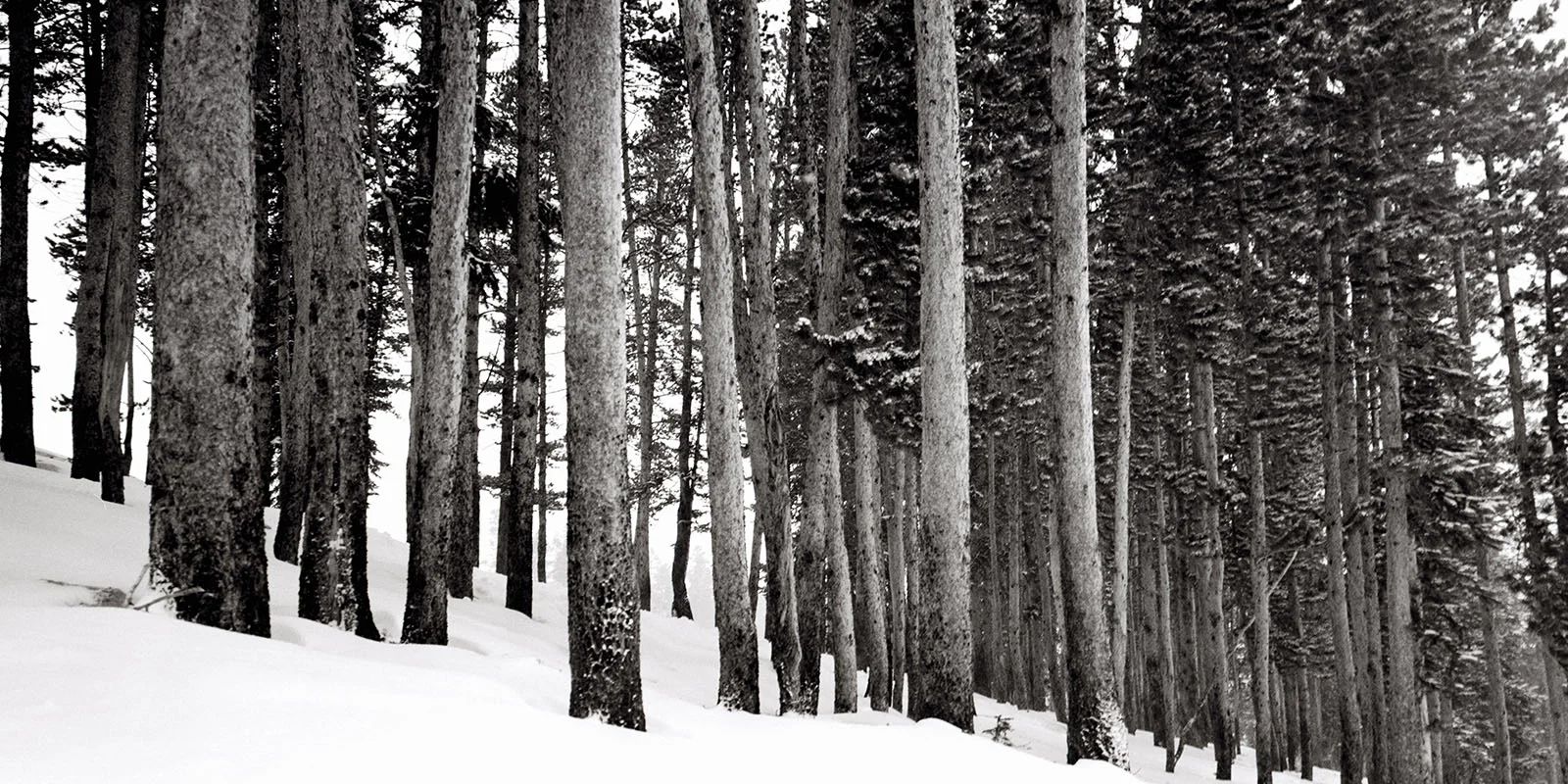
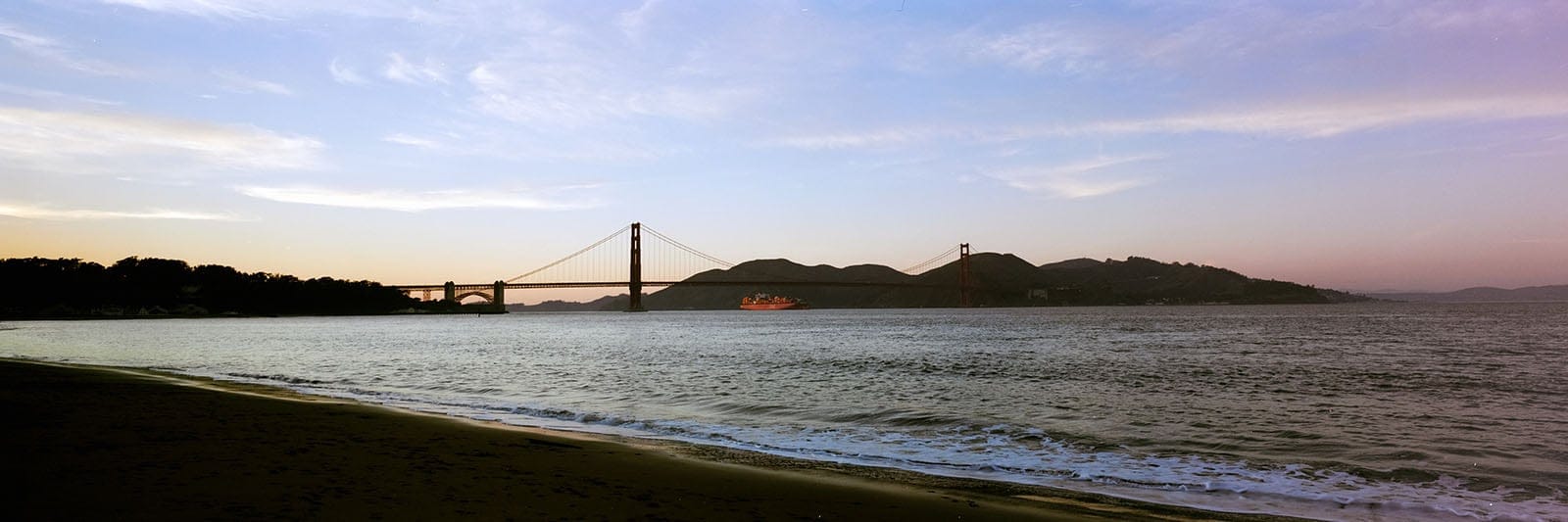
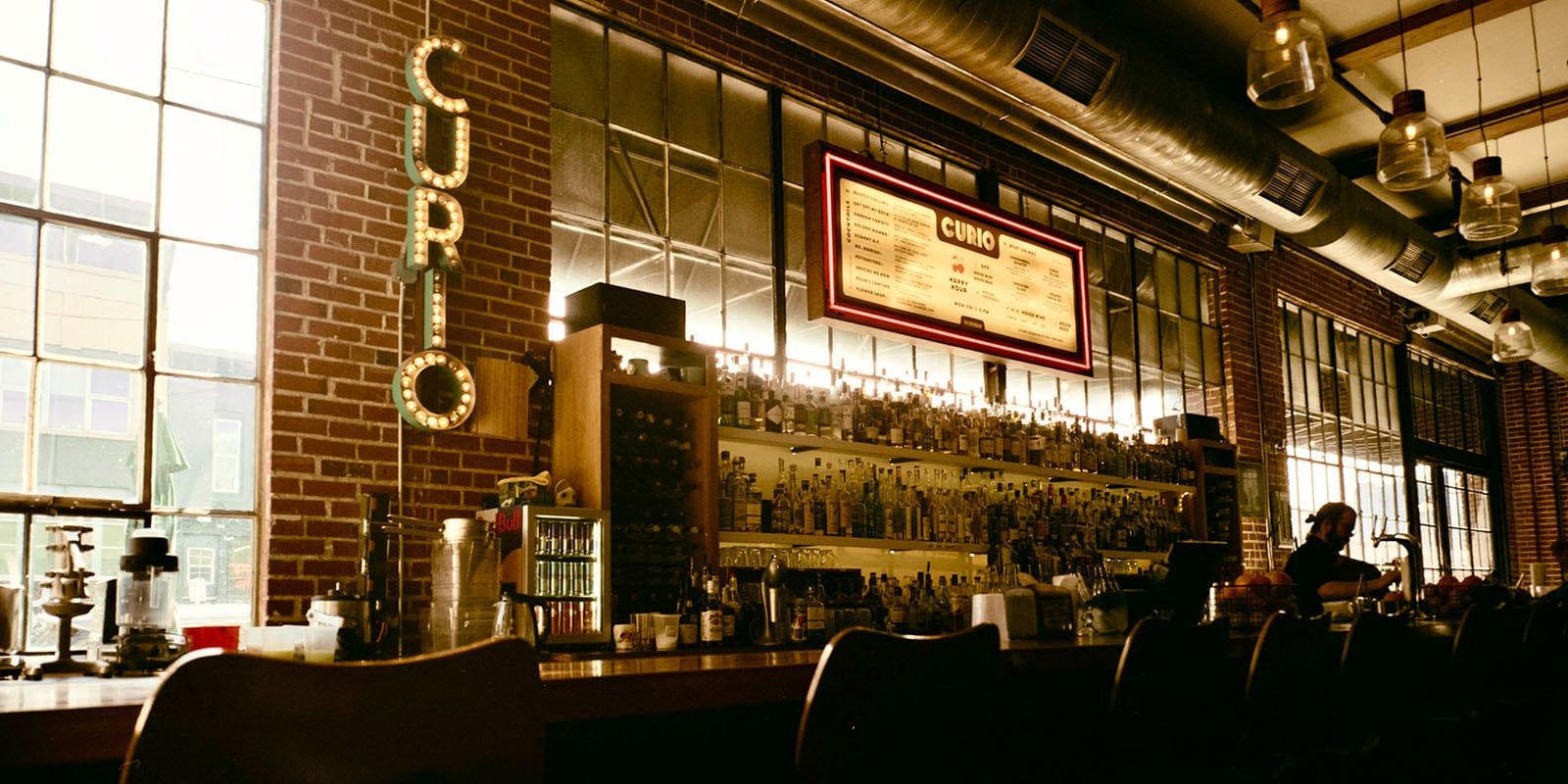
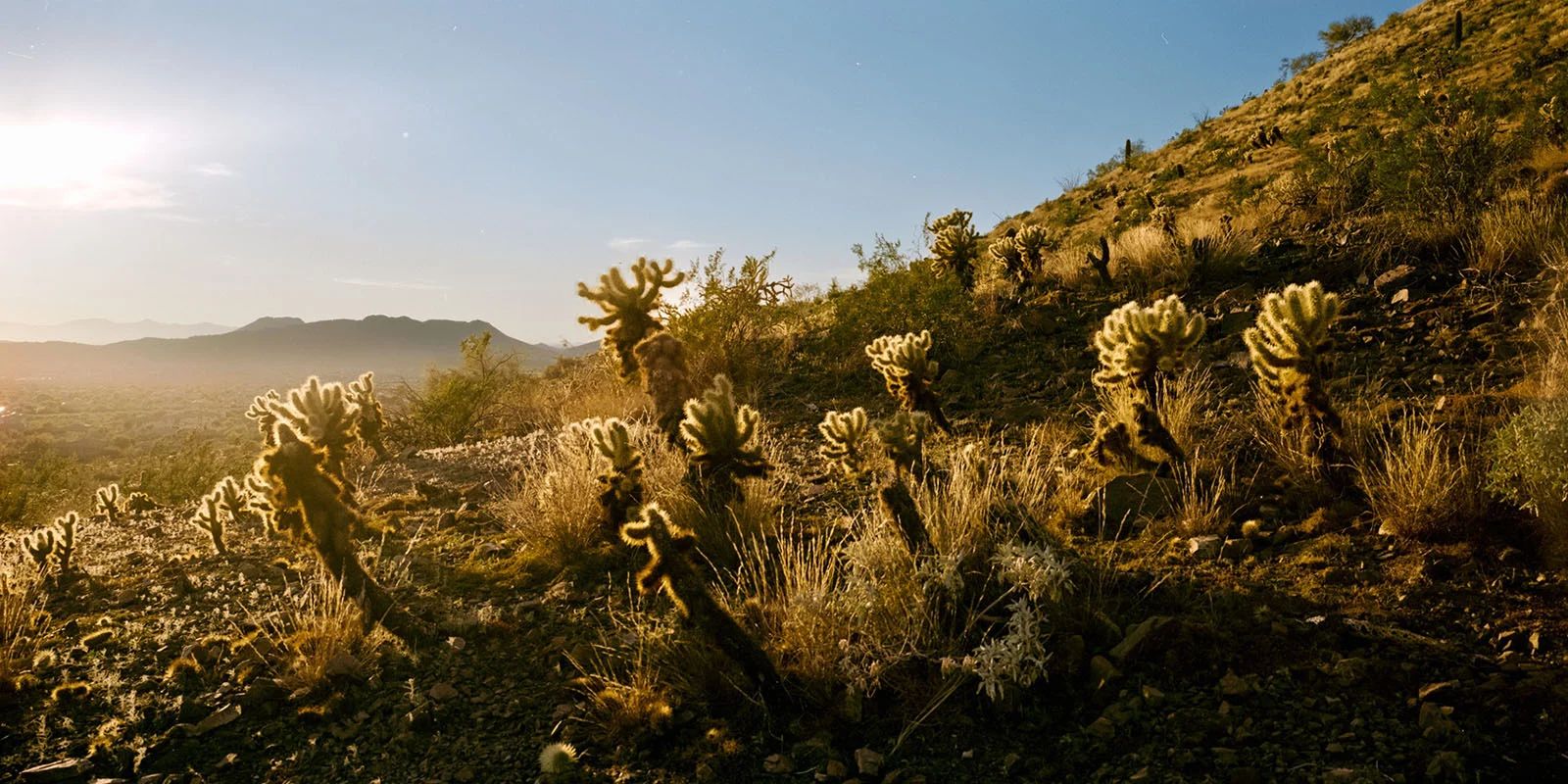
A few more sample shots:
Learn The Art Of Photography
Get full and free access to my Creator University - The World’s Best Online University for Photographers & Creatives: Get access to hundreds of amazing photography courses, learn from professional photographers, connect with students and much more!
Interview with Benny Bulke
This week’s Interview with Benny, a talented photographer from Belgium. I am truly honoured to have had the opportunity to interview him again, this time with a closer look at his newer work!
You can find him on Instagram as: @bennybulke
Enjoy the amazing Interview ;)

Can you tell us a bit about yourself?
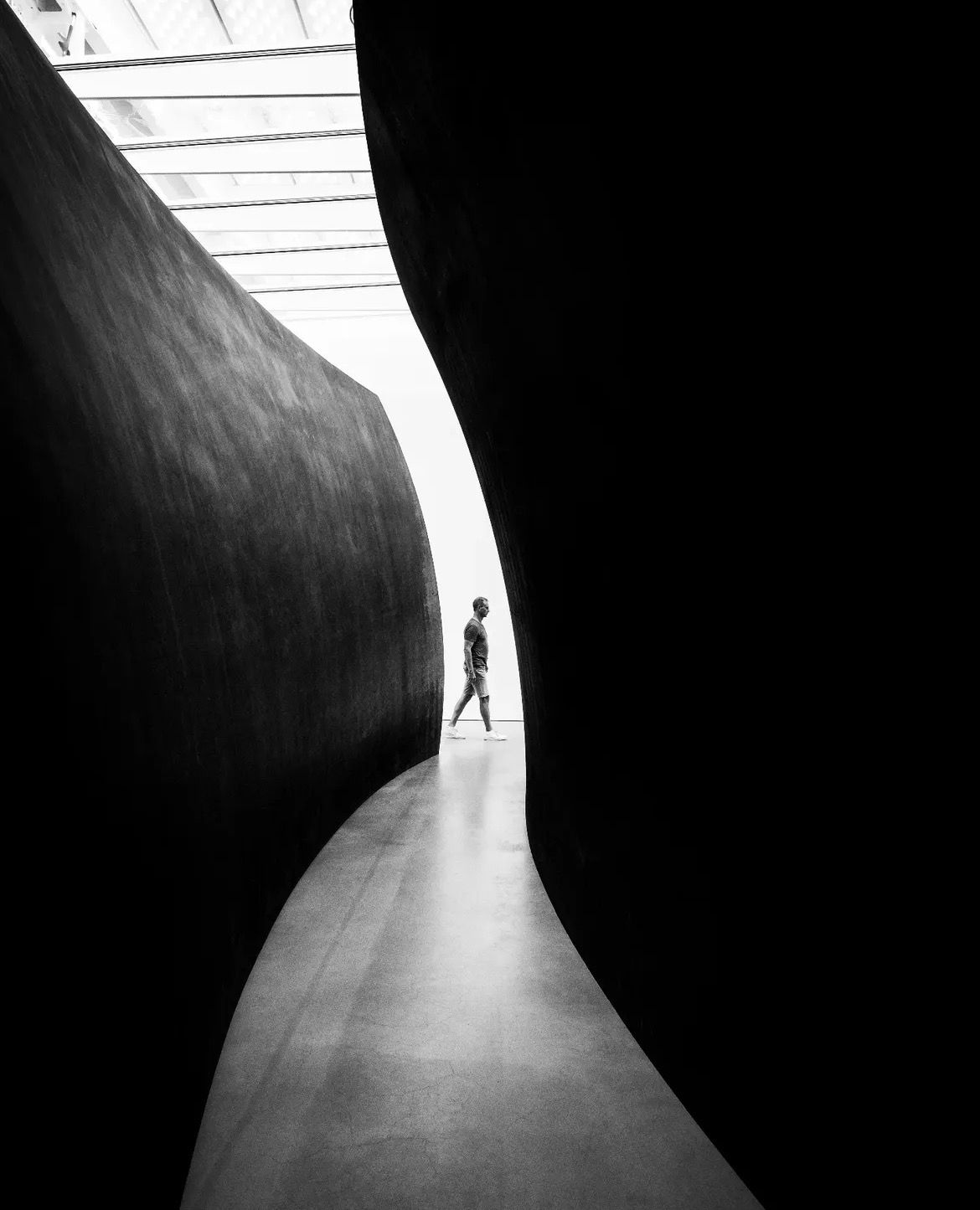
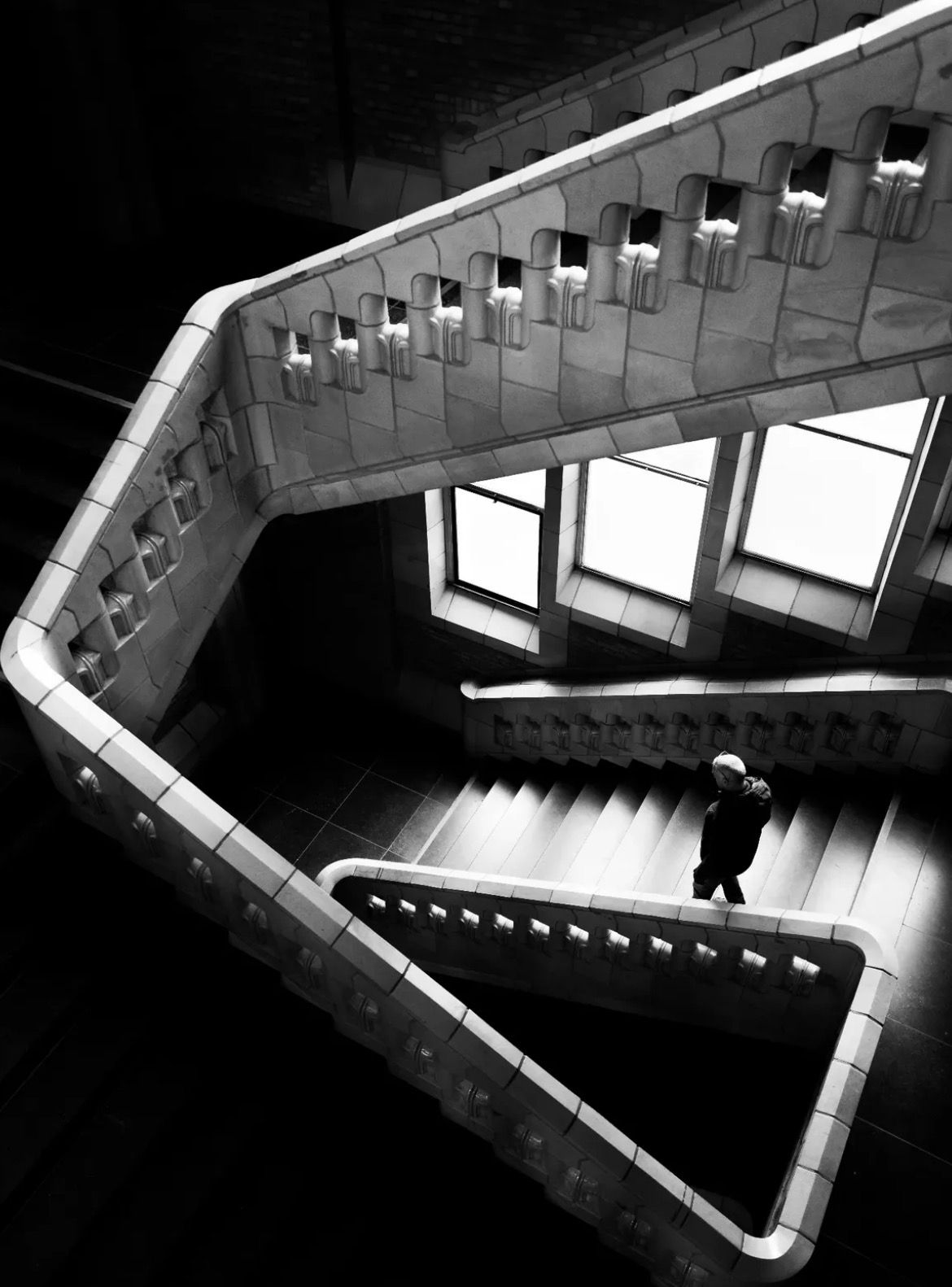
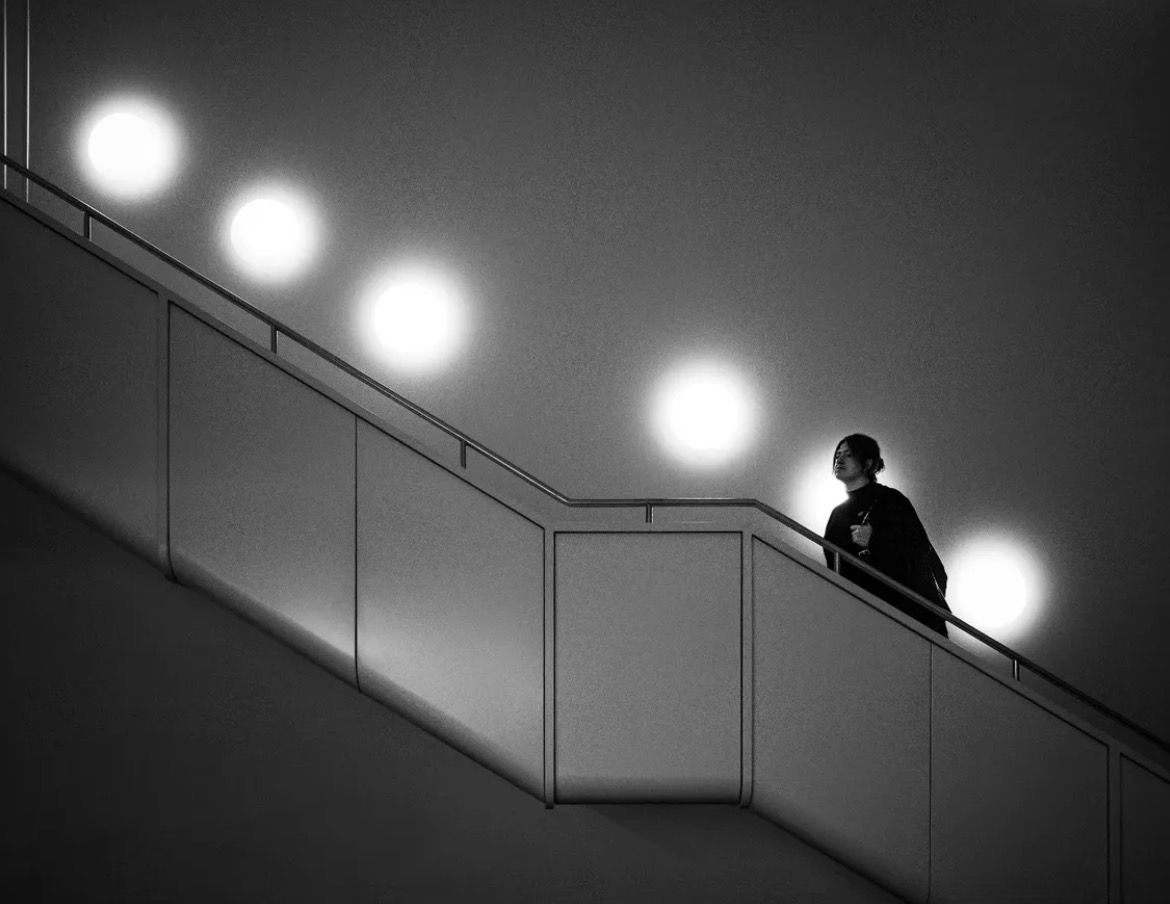
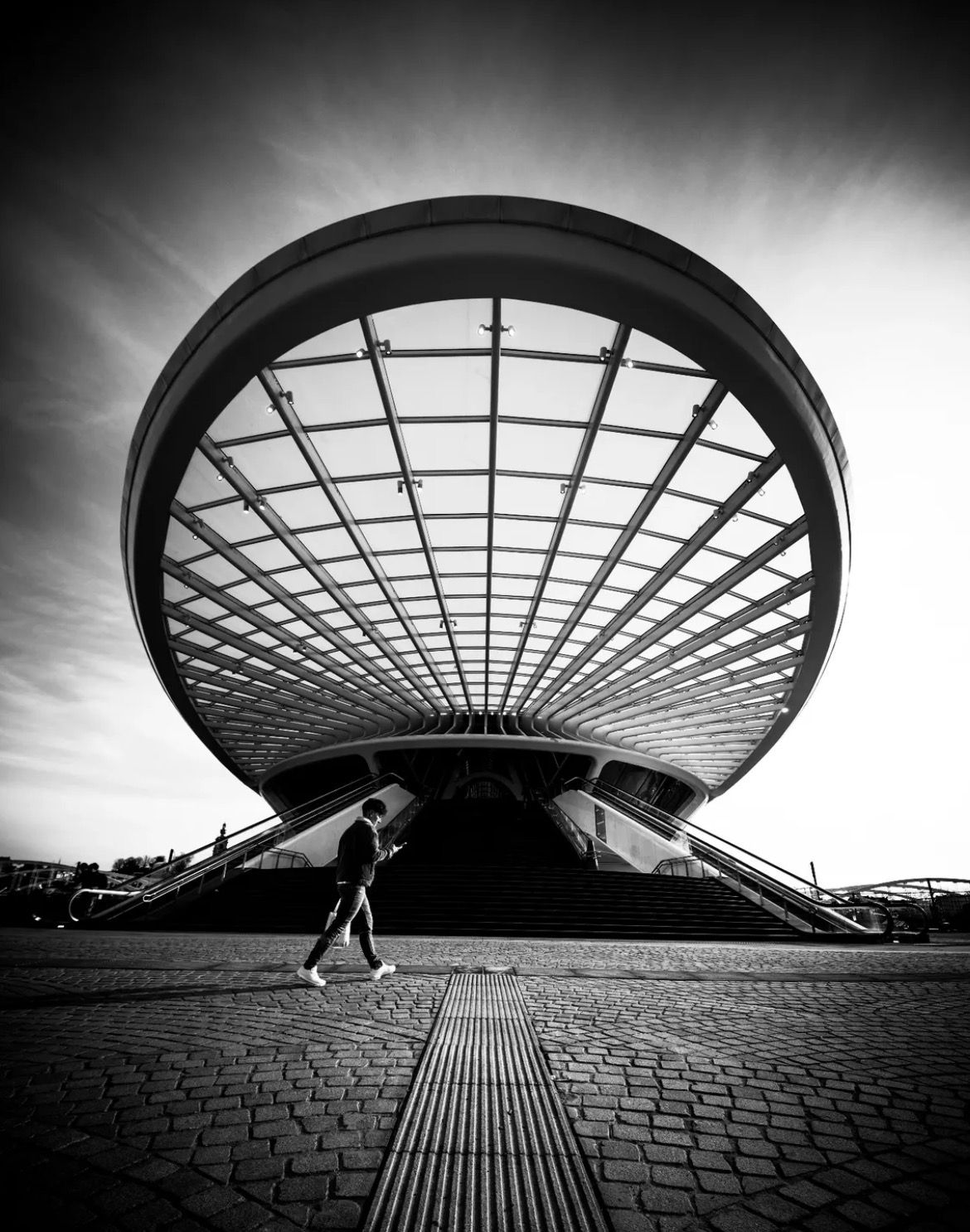
I’m Benny van den Bulke, a Belgian photographer specializing in fine-art street photography, with a strong preference for black & white. I bought my first DSLR in 2013, initially to photograph my kids, but quickly got hooked creatively. My background in graphic design trained my eye for lines, shapes and light, which became essential to my signature compositions. I also run workshops and share presets, so photography is far more than a hobby, it’s become my vision, passion and way of life
How did you first get into street photography?
It wasn’t immediate love, it began with portraits, kids and landscapes. But I found myself repeatedly drawn to street photography, candid city scenes that combine geometry, light and mood. Once I began exploring street, it became the genre I kept returning to.
What’s the wildest or most unexpected thing you’ve captured on the street?
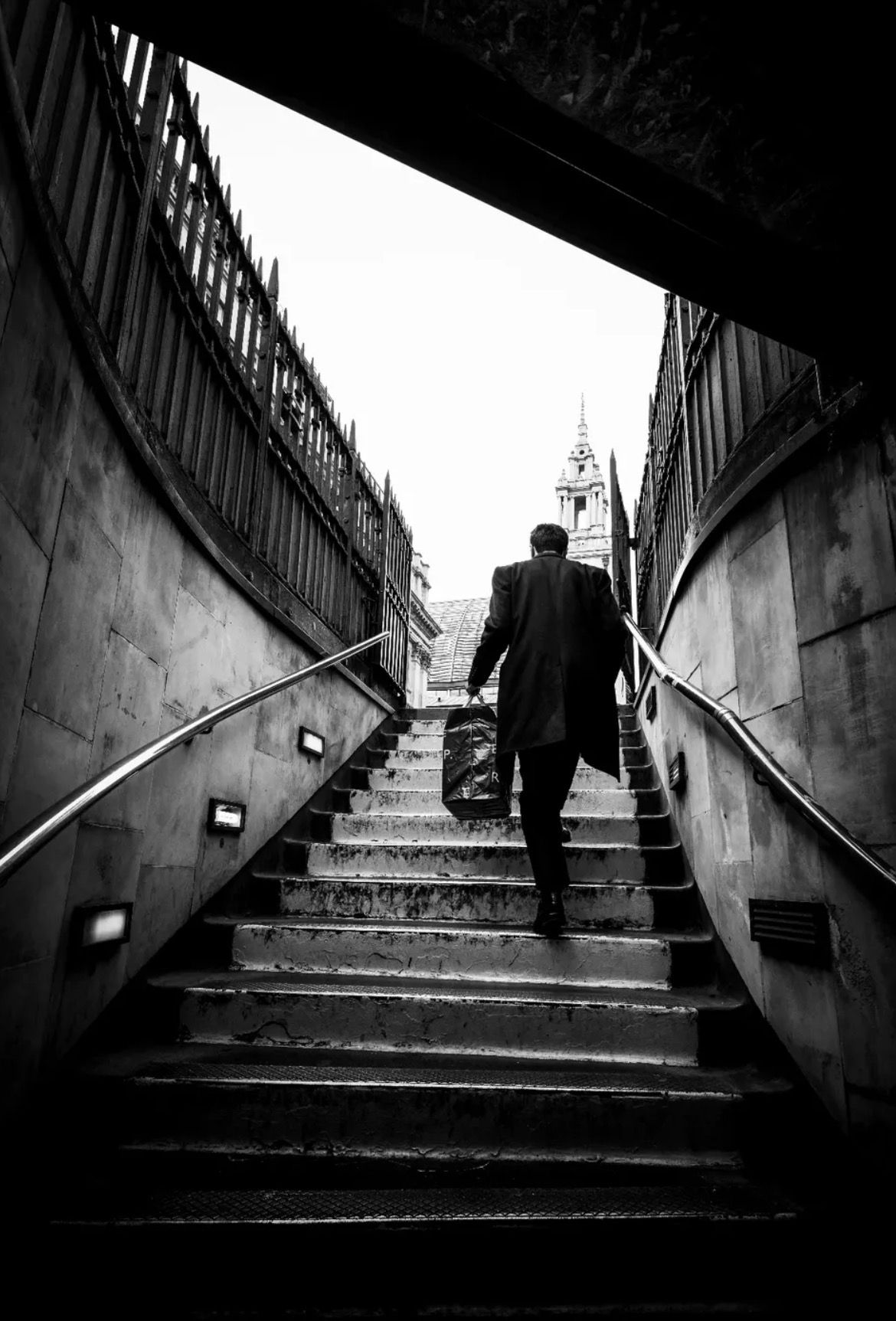
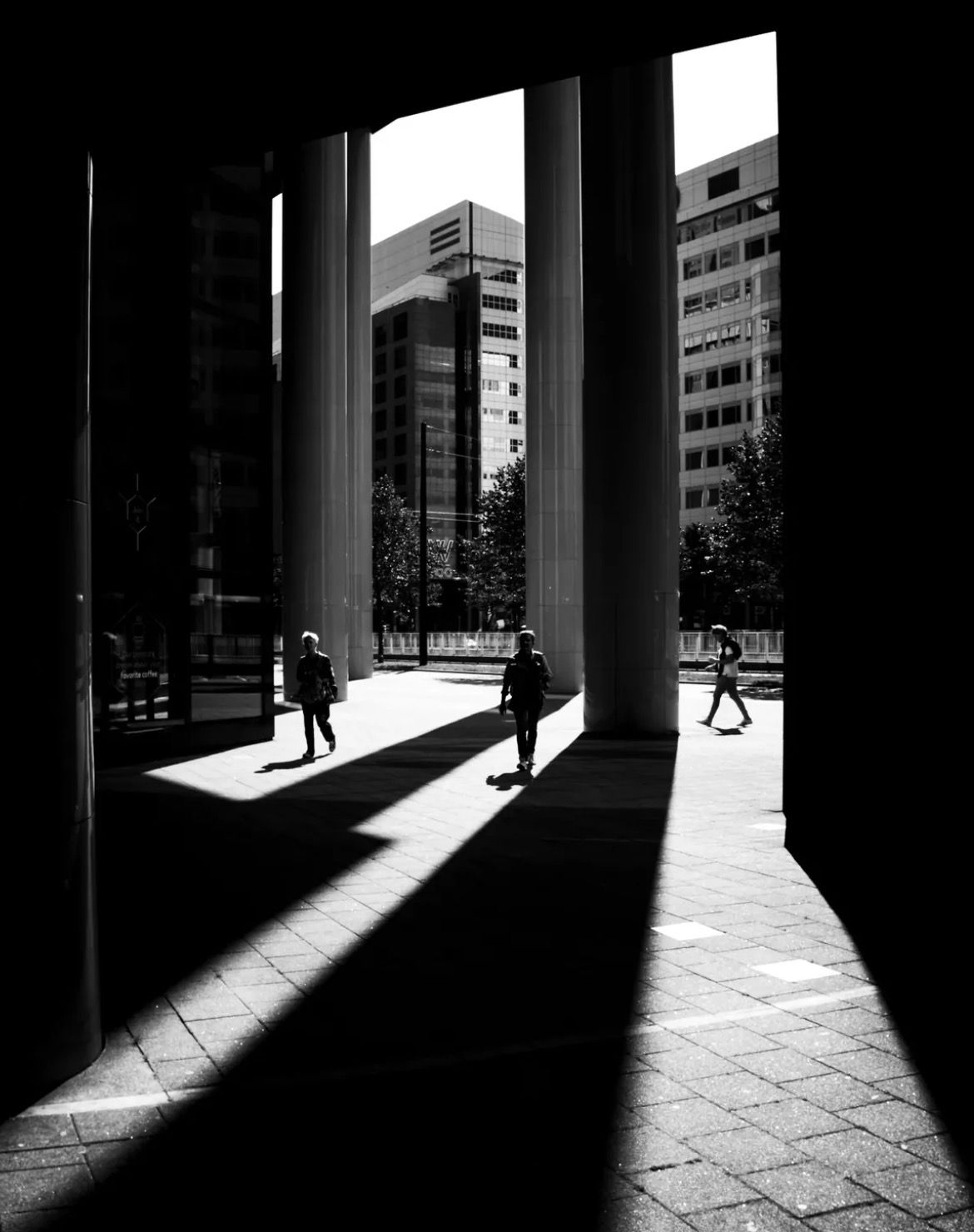
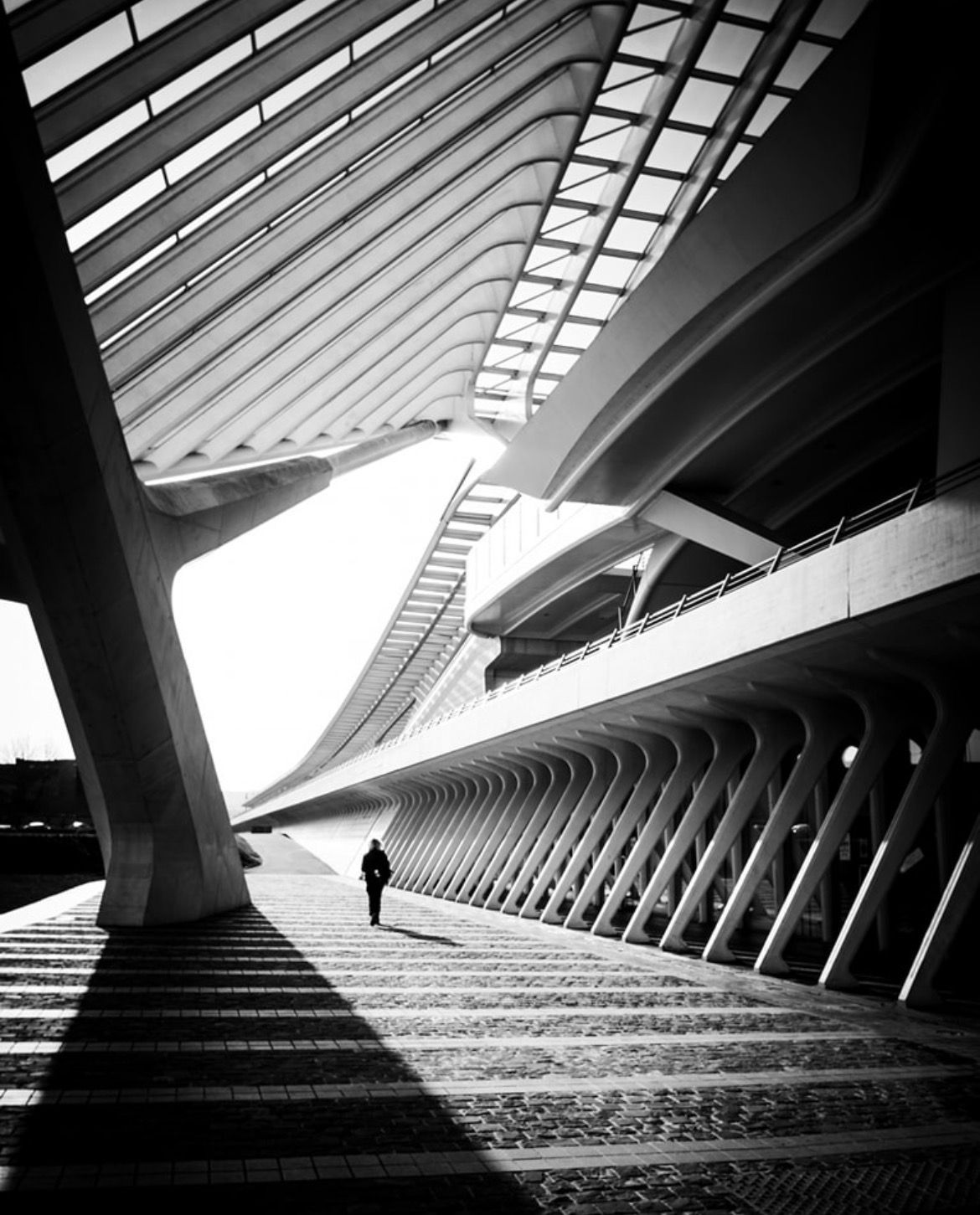
I’m more drawn to subtle décisive moments with shadows, lone figures, graphical interplay. Perhaps one of the more unexpected shots was at Liège station where a single person perfectly aligned within its architecture, light and structure all coming together.
How do you decide where to go and shoot? Is it planned or more spur-of-the-moment?
Some parts are planned mostly location wise, but when I’m on the go i try to keep an open mind. If a scene catches my attention, I’ll stay for a period of time waiting for the perfect alignment of lines, light and a subject.
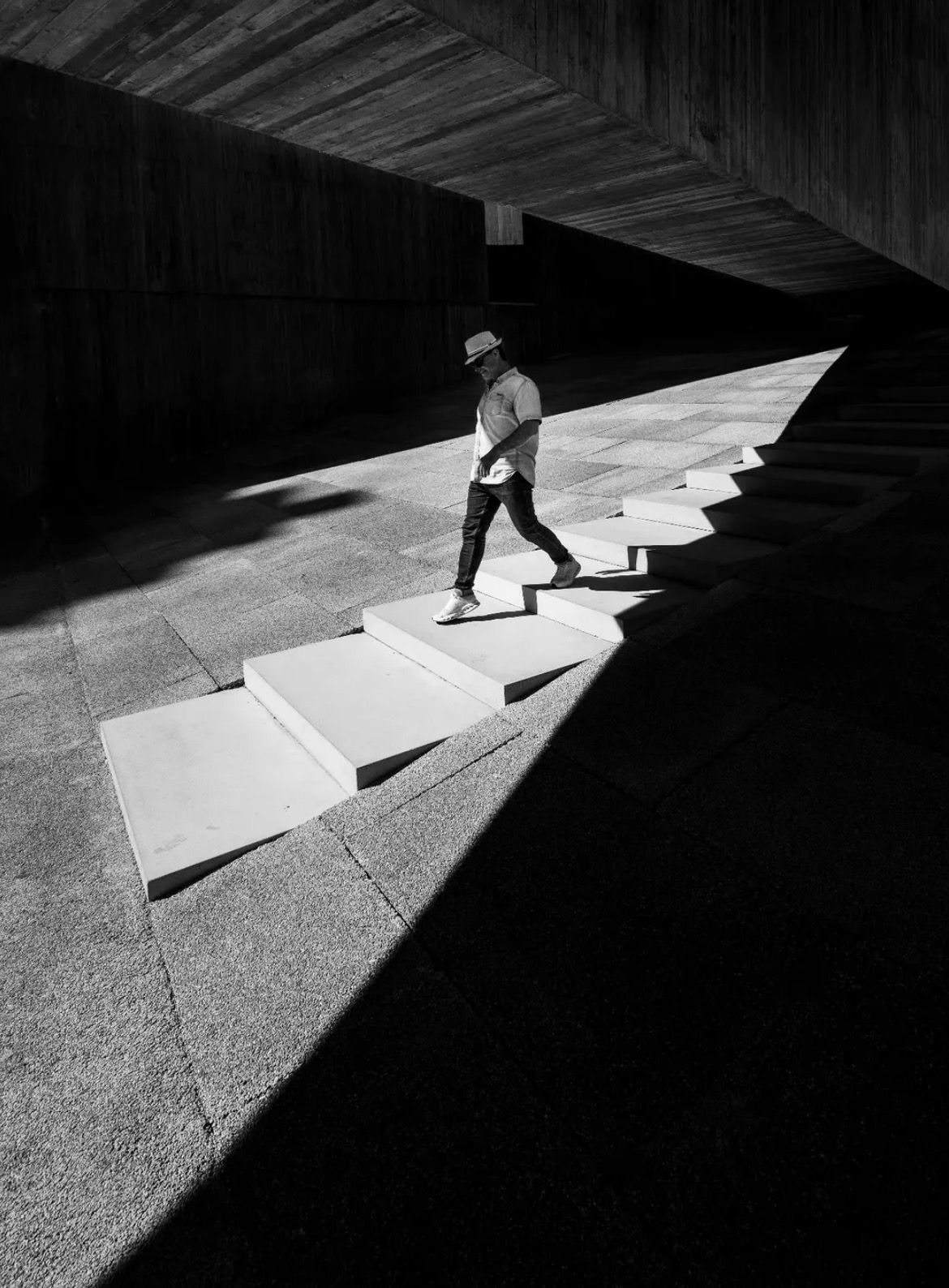
Do you have a favourite city or spot for street photography? Why?
Yes, Gare de Guillemins in Liège, Belgium. That station’s architecture with sweeping lines and dramatic light inspired me to define my own street style. I try to shoot there at least once a year
What’s your go-to gear setup when you hit the streets?
My gear has often been evolving as my taste for photography did, nowadays i use a nikon Z7 II with mostly a range of wide angle lenses and a few primes, and recently I tryed out a Leica Q2 monochrome, wich I’ve gotten very fond of! A dedicated bnw sensor has some really great perks!
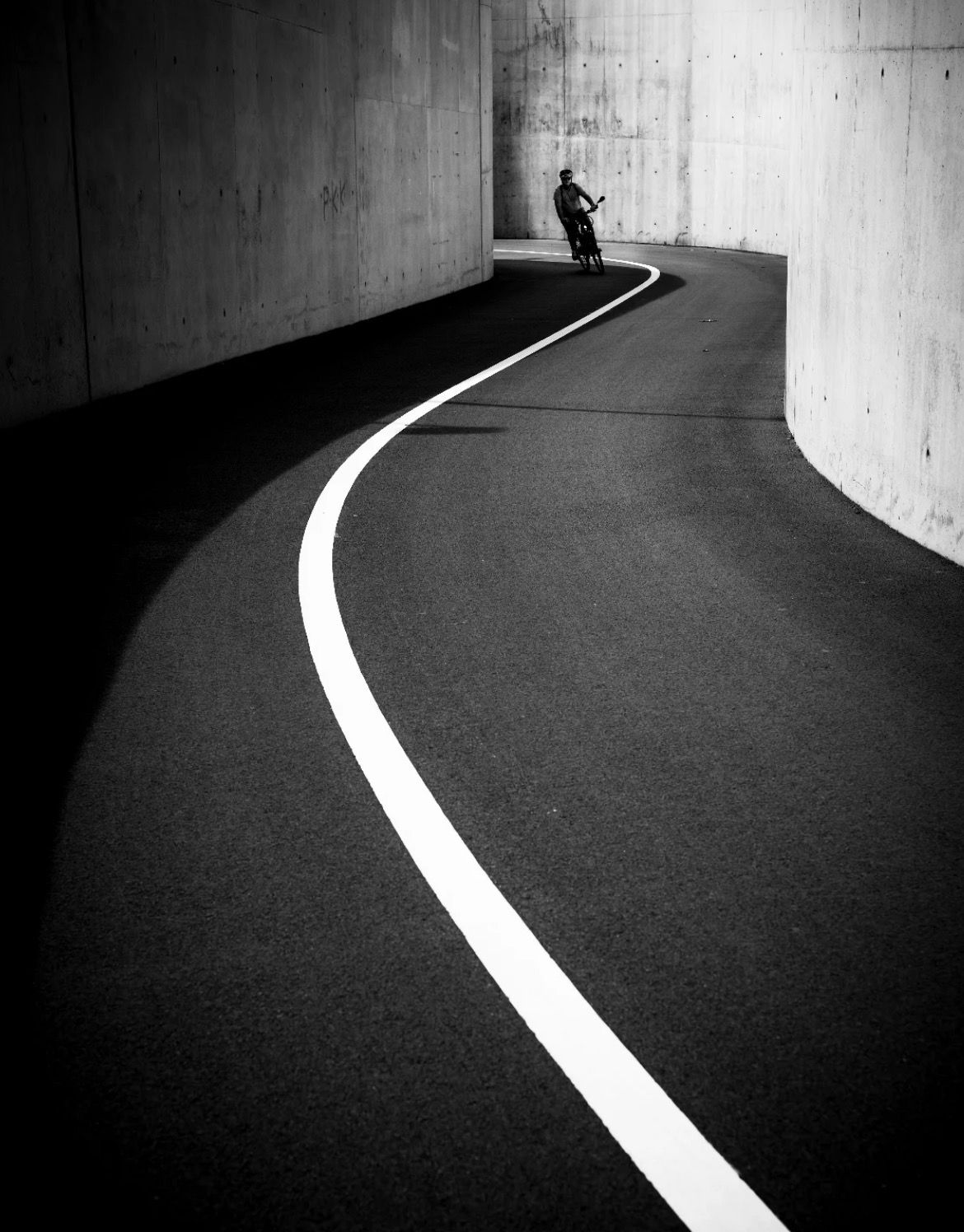
Do you prefer shooting in the chaos of a busy street or in quieter, more intimate spaces?
Honestly, I enjoy both, it really depends on my mood that day. Some days I’m drawn to the silence and minimalism of an empty architectural space, where one person passing through is enough. Other times, I feed off the energy of a busy street and enjoy the challenge of finding order and rhythm in the chaos. Each environment brings its own kind of inspiration.
Black and white or colour? And why?
Black & white, always. It strips away distraction, emphasizing geometry, contrast and mood. It aligns perfectly with my background in a graphic schooling and my interest in shapes, lines and dramatic lighting.
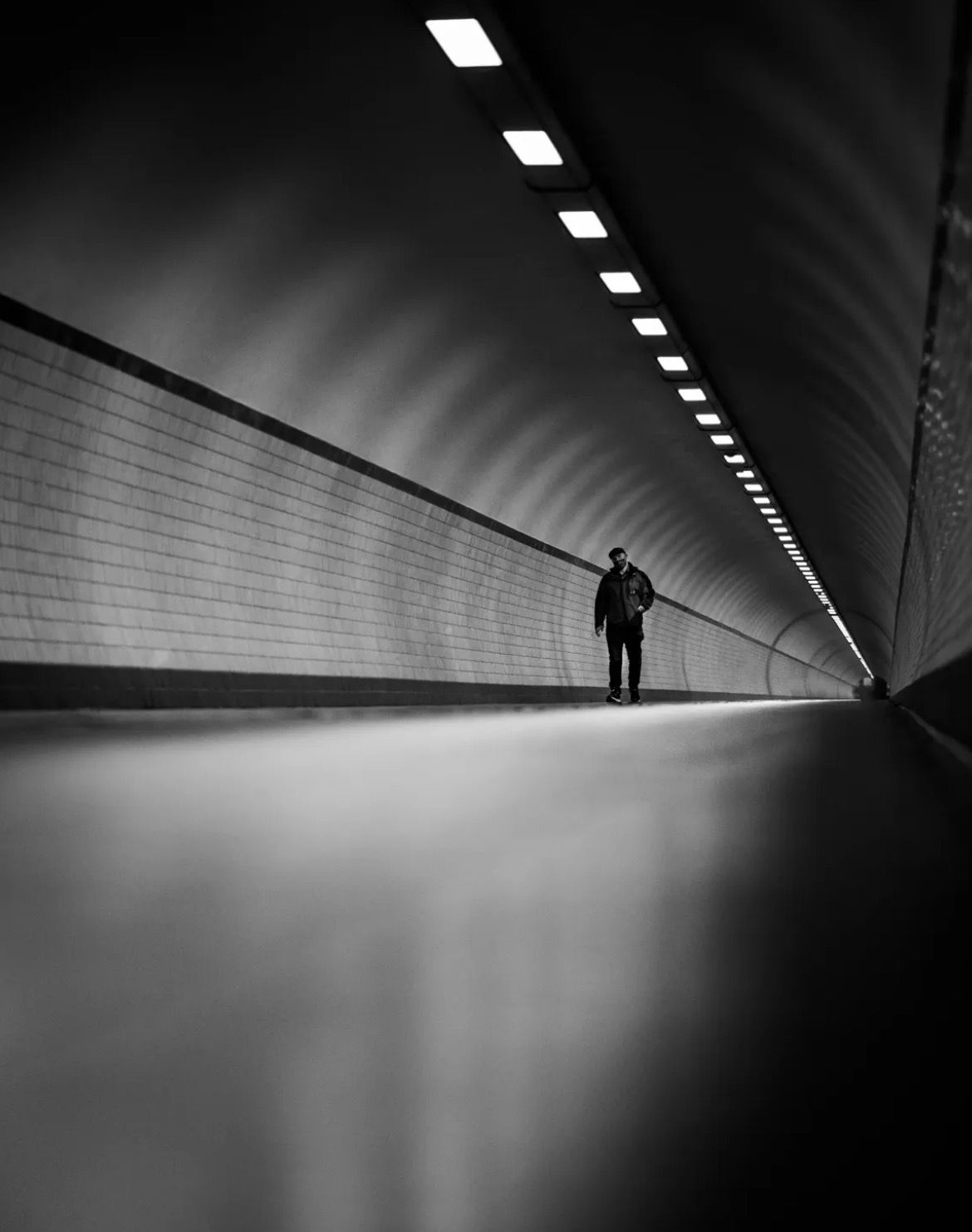
What’s your take on the ethics of street photography, like shooting strangers without asking?
I shoot candidly and discreetly, silent mode, no visible lights, minimal disruption. I believe in respecting privacy and capturing real moments without drawing attention to myself, when i am spotted shooting them, i always keep on a positive vibe and just be friendly, always works!
Are there any tricks you use to stay unnoticed when shooting?
Yes, mostly silent mode, turning off lights, tilting screen, casual demeanor. I make myself blend into the environment to capture authentic moments when people are unaware. I change the sorts of tricks as the situation requires, so being some sort of street chameleon is required in street photography i suppose ;-)
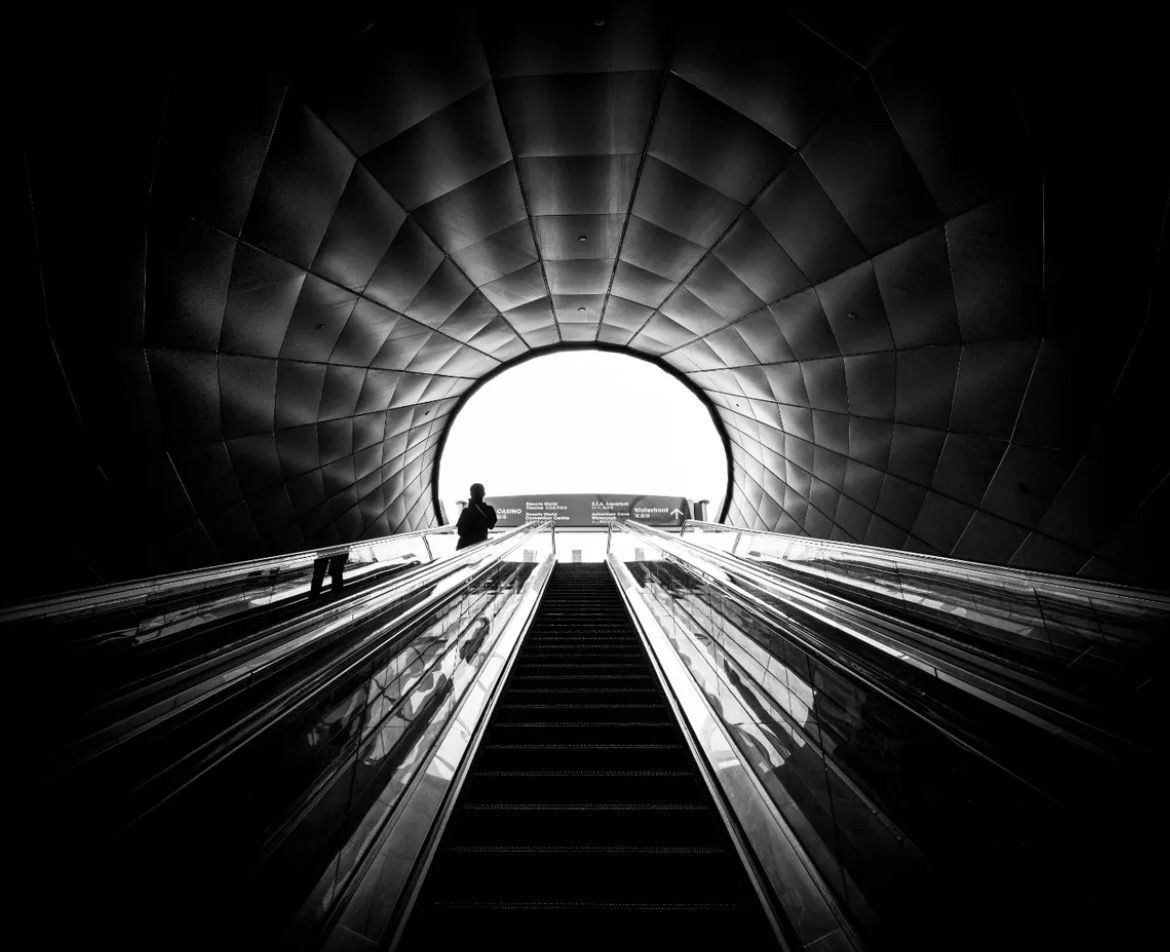
Your photos often seem quite abstract, why do you choose this style?
My graphic art background makes me drawn to abstraction with shapes, lines, geometry and negative space. I search for scenes where light and structure turn a simple street moment into something more visual and minimalist approach, often adding a hint of mood of course
What role does storytelling play in your work?
Storytelling is key, but it’s often conveyed through mood and atmosphere rather than narrative. Solitude, introspection, quiet moments: those stories resonate more than explicit action.
What’s the most challenging thing about street photography for you?
Staying in that mindset of invisibility, being patient, letting scenes reveal themselves. Also, achieving technical perfection (composition, lighting, clarity) while staying spontaneous.
There is usually just one person in your shots, why is that?
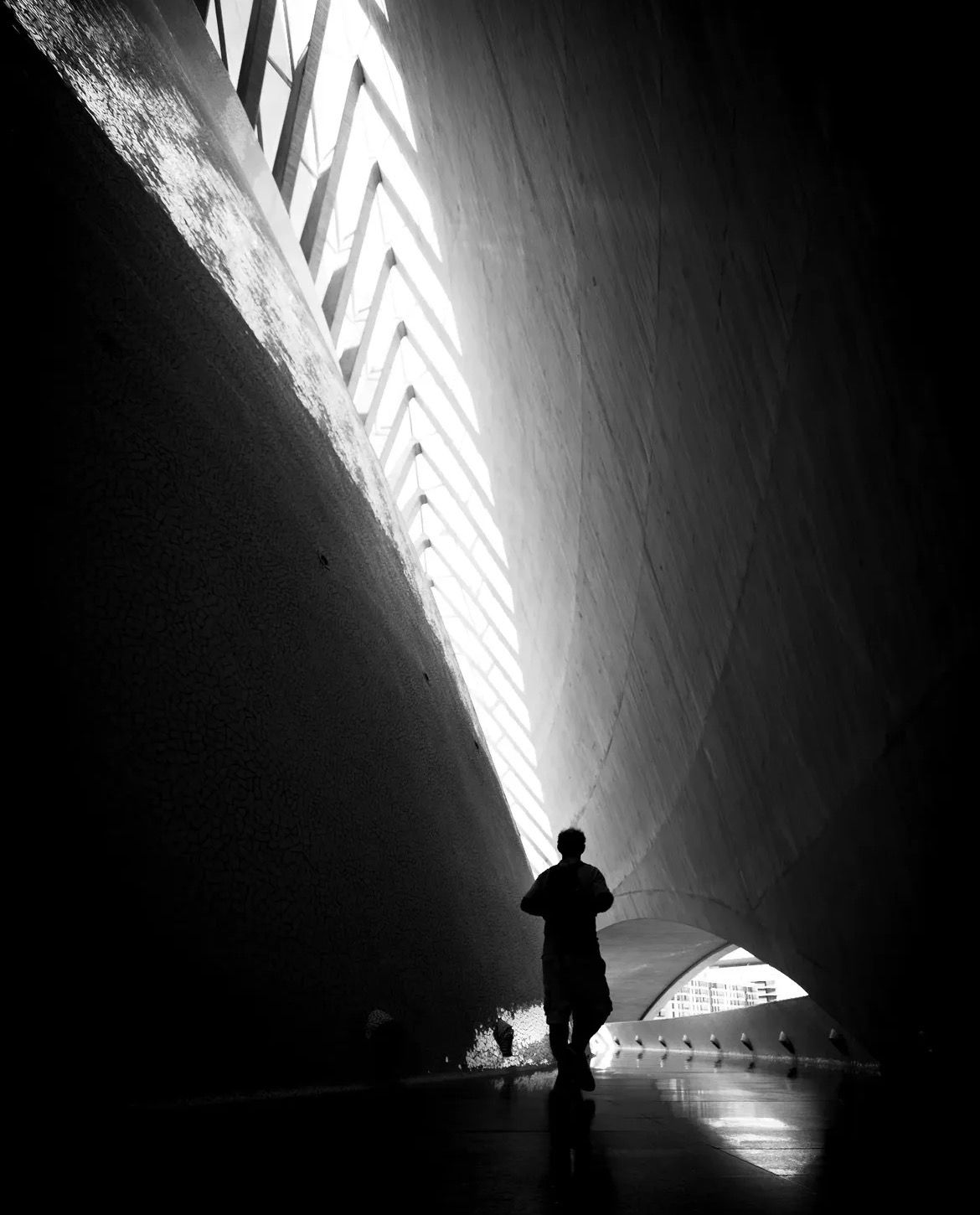
I prefer minimalism. One person in frame allows focus on form, mood, composition and storytelling without visual clutter. It highlights the human element in abstract space.
Do you feel like your style has evolved over time? How so?
In the beginning I tried a bit of everything, I was experimenting, exploring. Over time, I’ve developed a clearer focus. My eye is now more tuned to clean compositions, strong lines, and subtle details. I’ve also started seeing more potential in different kinds of light, harsh, soft, reflected, and how it interacts with architecture or people. My work has become more refined, but I still stay open to the discovery element.
Who are some street photographers or other artists that inspire you?
Vivian Maier, Henri Cartier-Bresson, Stephan van Fleteren his early work, and Thomas Leuthard stand out. Their mastery of light, composition and storytelling inspires my approach.
How do you know when you’ve nailed the shot? Is it instinct or something else?
It’s mostly instinct. Sometimes I just feel it the moment I press the shutter, something clicks, both in the camera and in me. Other times, it takes seeing the image on a big screen to realize it works. It’s not always the shot I expected, but when the elements fall into place, I just know. It’s like a quiet “yes” in my head… and sometimes, if it’s really good, maybe even a small fist pump when no one’s watching hahaha.
How important is composition in photography?
Crucial. My graphical background taught me the power of visual balance, geometry and structure. Composition turns an everyday scene into an art piece.
What’s your advice for someone who wants to start exploring street photography?
Get out and shoot, a lot! Learn techniques, practice composition and study light. Edit your work to find your style. Try, fail and most of all… Enjoy the journey! Let creativity guide you in your personal path.
How much of your photos is “found” versus “constructed” through waiting?
It’s a mix of both. The scene itself is found but the final image is constructed through patience. I often find a location that has strong graphical potential and then wait for the right subject to enter the frame. That moment of alignment is what I’m really chasing. So while I don’t control the scene, I do shape the outcome by waiting for the right elements to fall into place.
How important is lighting in photography?
Lighting is everything. It reveals shapes, mood, drama. Its the light that makes images something you can ‘feel something’ when watching them I often get inspired just by a shift in light, that guides where and when I shoot.
Do you ever leave a location without getting the shot you had in mind?
Yes, quite often actually. Not every visit results in a successful image, and I’m completely fine with that. Sometimes the light isn’t right, or the right subject never appears. I prefer to come back another day rather than force a shot that doesn’t feel right. Patience is a big part of photography my friends.
Do you ever shoot quickly, or is your process always slow and deliberate?
Most of the time it’s slow and deliberate. I prefer observing and waiting rather than reacting quickly. That said, there are moments where everything happens very fast and you have to react instinctively. But those are exceptions in my personal workflow.
How important is negative space in your compositions?
Very important. Negative space allows the subject to breathe and strengthens the overall composition. It also adds to the minimalistic feel I like to shoot.
Do you think minimalism makes a photo stronger?
For my work, yes. Removing unnecessary elements makes the photo more powerful and easier to look at.
How do you train your eye to see compositions like that?

The rest, 5 more questions of this Interview + an additional exclusive photograph selection, are for Premium subscribers only.
Llano’s New 4-in-1 Card Reader

Llano’s new R604 4-in-1 Card Reader is here. It is a compact multi-format card reader designed for photographers, videographers and other creatives who regularly work with large files and multiple types of memory cards. The device supports a range of common formats, including CFexpress Type A, CFexpress Type B, UHS-II SD, and microSD cards.
The R604 connects via USB-C and uses a USB 3.2 Gen 2 interface, which Llano says can deliver transfer speeds of up to 10Gbps. In practice, that should make moving large batches of photos or high-resolution video files relatively quick, depending on the speed of the cards being used.
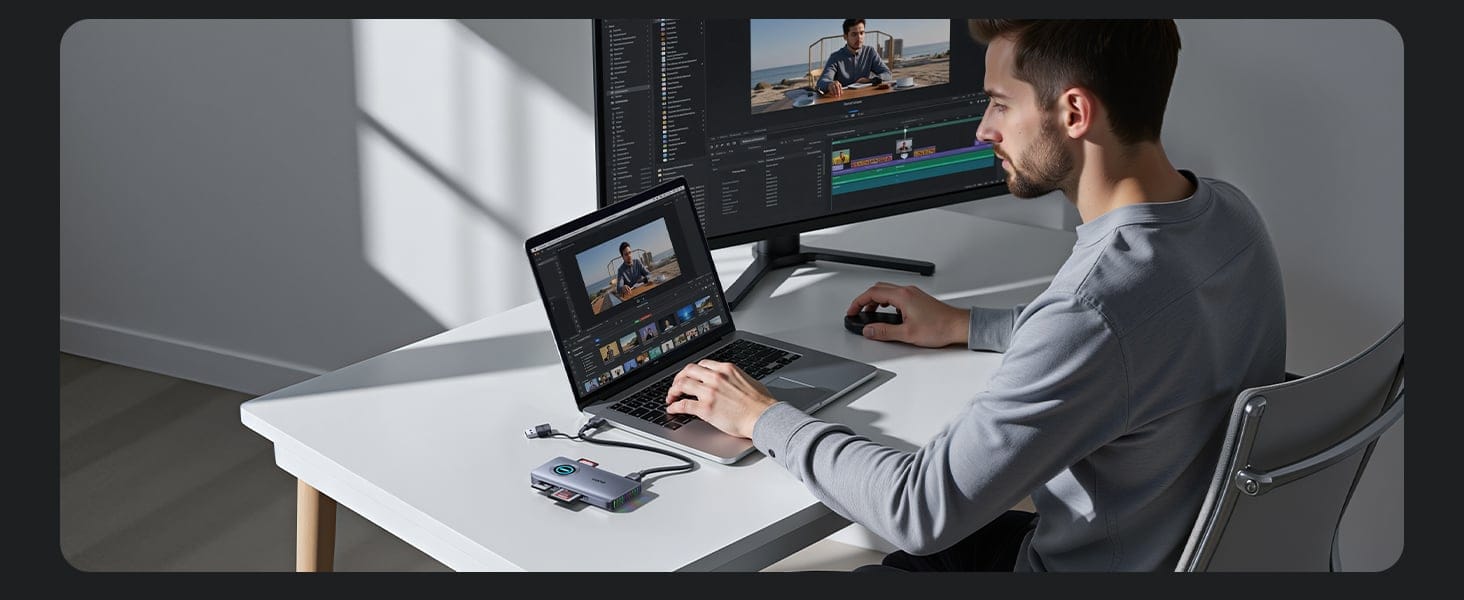
It is also designed to be plug-and-play, so there is no need to install any drivers. Llano says it works across a wide range of platforms, including Windows, macOS, Linux, iOS, iPadOS, and Android, which makes it easy to use across different devices without much setup.
The reader is built with workflows in mind where multiple card types are used at once. It includes four slots and can read up to four cards simultaneously, although there is one limitation. CFexpress Type A and Type B cards cannot be used at the same time, as they draw more power than the system can handle concurrently. The reader supports memory cards with capacities of up to 2TB.

Llano also points out that CFexpress Type B cards, in particular, can require higher peak power during intensive read and write operations. To address that, the R604 includes an auxiliary power system designed to help maintain stable performance during heavy transfers.
The device itself is made from a mix of aluminium alloy and ABS plastic, and it features a dual-cooling design intended to manage heat during longer transfer sessions.

In terms of reliability, the reader includes a number of built-in safety features, such as fuse resistors and protection circuits, which are meant to reduce the risk of short circuits or data loss while transferring files.
The Llano R604 4-in-1 Card Reader is priced at $55.
Photography Tip of the Week


The weekly photography tip is only accessible to Premium Subscribers of The Magazine For Photographers.
Photo Analysis
Welcome to the part of the Magazine Issue where we take a closer look at a photo and analyse it so that you can learn and better your own photography from it ;)
Photo by: @rizi_the_photographer
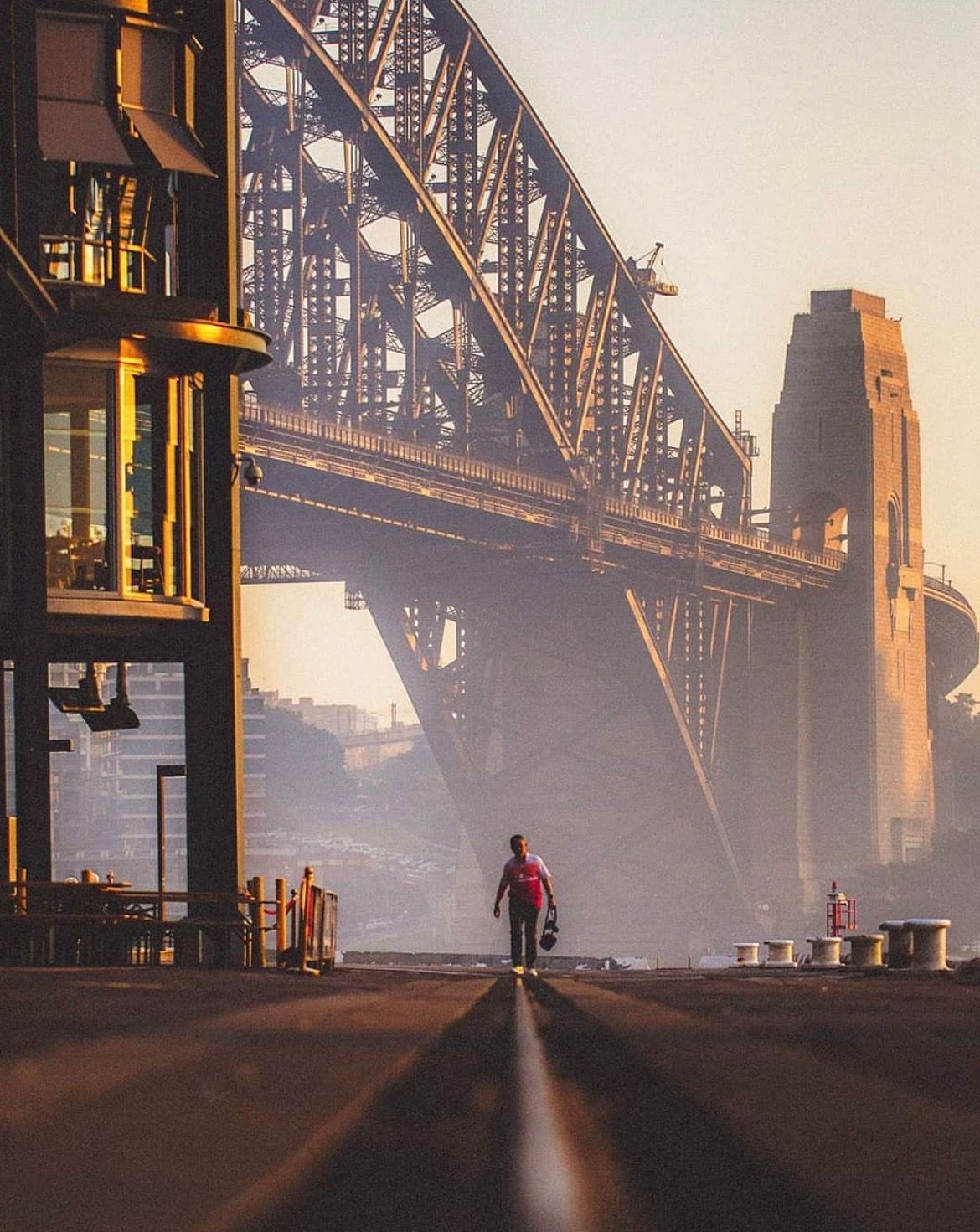
Let’s Analyse this Photo
Composition & Framing
What works well:
The leading line is probably the strongest aspect here. That line in the road pulls your eye immediately toward our subject, it’s very direct and very effective.
Our subject, the man, is walking perfectly along that line, which anchors the entire composition.
The bridge structure creates a massive diagonal that adds energy and scale.
The cylindrical building on the left + the tower of the bridge in the distance on the right act sort of like framing elements, helping to contain the scene.
What could be better:
The photo is a bit left-heavy because of the building next to our subject and simply because of the fact that there is ‘more’ of the bridge on the left side. Repositioning slightly could have balanced it more, but that likely would have sacrificed the strong leading line, which is probably not a trade-off worth making in my opinion.
Depth & Layers
What works well:
Depth and layering are also very good. We clearly move through the scene → immediate foreground → the person → the bridge → the city in the background.
The haze enhances that layering and gives the scene even more of that nice 3D effect.
The scale of the bridge is pretty impressive, and the person helps communicate just how massive it is.
What could be better:
The immediate foreground is a little dark compared to the rest of the scene, which slightly flattens that first layer.
Light & Atmosphere
What works well:
The golden hour light is very nice, it wraps everything in a warm glow and gives the pretty ‘industrial’ setting a pleasant and cinematic feel/look.
As mentioned before the haze adds a lot of atmosphere and enhances depth.
The light hitting the building on the left creates some beautiful reflections and warm highlights that contrast nicely with the darker areas.
What could be better:
Again, some shadow areas in the foreground are quite dark and lose texture.
The haze, while nice, slightly reduces clarity in parts of the bridge.
The bright reflections on the left building run the risk of pulling a bit too much attention, but here I think, it is still ok.
Colour & Tone
What works well:
Yes, the warm golden tones are very pleasing and consistent throughout the photo.
Our subject’s red shirt adds a subtle but very effective colour pop that helps him stand out much more (important since he is relatively small within the frame).
The contrast between warm highlights and cooler shadows adds depth.
What could be better:
The photo leans very warm, which slightly limits colour variation. → it sort of goes into that ‘dipped in gold’ territory.
Some darker areas lose tonal detail.
Story & Emotion
What works well:
The storytelling here is actually quite strong, but you have to look a little closer. Even without seeing the subject’s face clearly, we can read a lot from his body, clothing and, crucially, what he is carrying → a camera. It suggests he is probably a photographer who was just shooting the bridge himself. Combined with the warm evening light, it feels like he is finally heading home after a (hopefully) successful shooting session.
What could be better:
Facial expression is not visible, which of course limits emotional detail and personal connection.
Balance
The central leading line and subject help stabilise the composition.
Balance is, as mentioned, slightly lopsided toward the left due to the bright building and vertical mass of the bridge.
Join Our Photographer Group!

Get access to the best photographer group/community for networking, collaborating, gear talk, feedback on your work and so much more!
Something You Have To Check Out
Your Entire Studio, Right on Your Laptop

Record, edit, and publish your best content without needing a crew, studio, or complicated setup.
With Riverside, you capture high-quality video and audio, edit it instantly with AI, and turn one recording into clips, posts, and podcasts ready to share. All so you can spend less time troubleshooting tech and more time creating the content your audience actually wants.
Imagine finishing your session by lunch and sharing finished clips before your afternoon coffee. Riverside puts the power of a full studio right on your laptop so you can create faster, sound better, and look professional anywhere.
Photographer of the Week
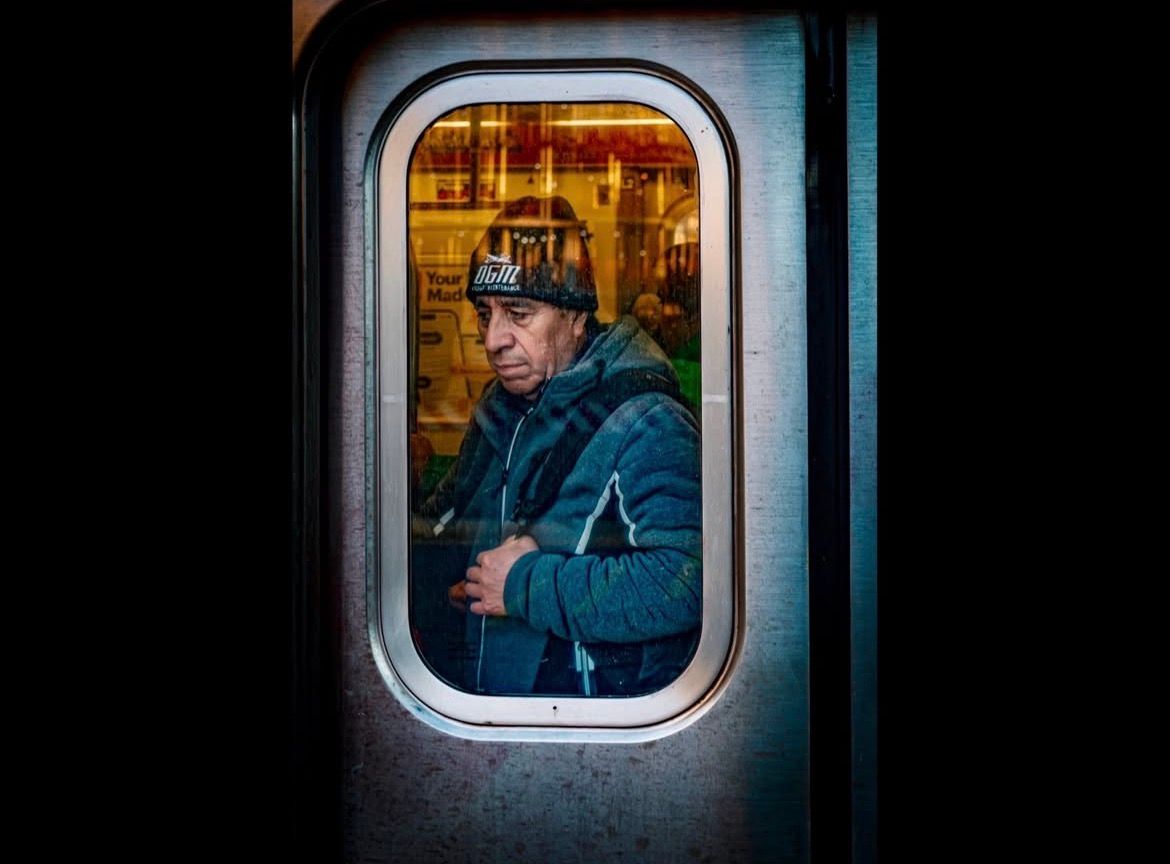
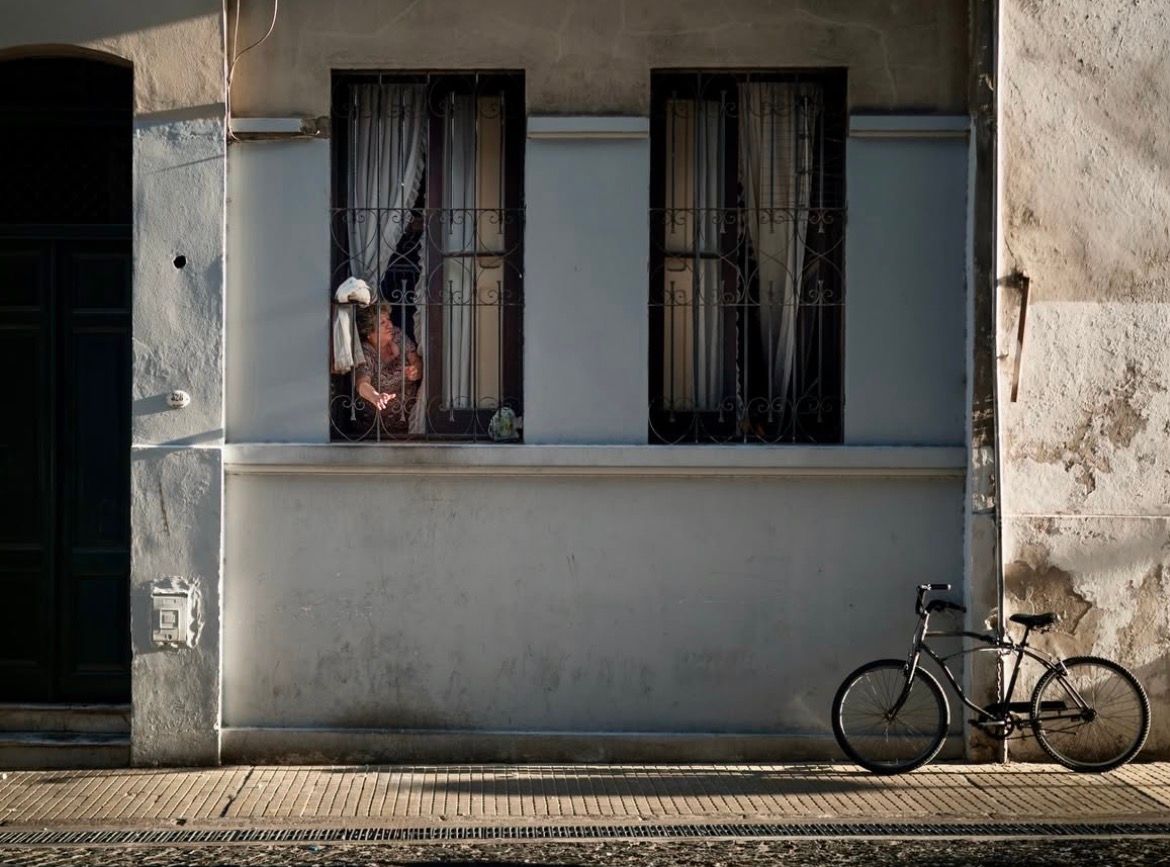
Photographer of the week goes to: Jonathan
You can find him on Instagram as: @framethestreetsdotcom
A few photos of his:

Also want your photos featured in the magazine? Become a member here!
The Rest of this Issue is for Premium Subscribers
