📸 SNAPSHOT - Issue 96
Welcome to a brand new Issue of my Magazine. A truly brilliant one, enjoy the read :)
In partnership with


In this Issue
ON1 Photo RAW 2026.2 is Here

ON1 has released ON1 Photo RAW 2026.2, and it is now available as a free update for everyone already on Photo RAW 2026. Rather than being a headline-grabbing feature drop, this update is more about refinement. The focus is on speed, smoother workflows, and more reliable AI results.
One of the more noticeable improvements shows up in Face Restoration inside Resize AI. ON1 has updated the underlying AI model, and the changes are especially visible when working with portraits that aren’t ideal to begin with. Faces that are small in the frame, slightly out of focus, or pulled from older, low-res files now come back with better detail in key areas like eyes, teeth, and glasses. More importantly, the results look less processed. Skin texture is preserved more naturally, and there is less of that plasticky or over-sharpened look that can creep in when AI pushes things too far. For portrait photographers who regularly upscale or restore images, this alone could be reason enough to install the update.
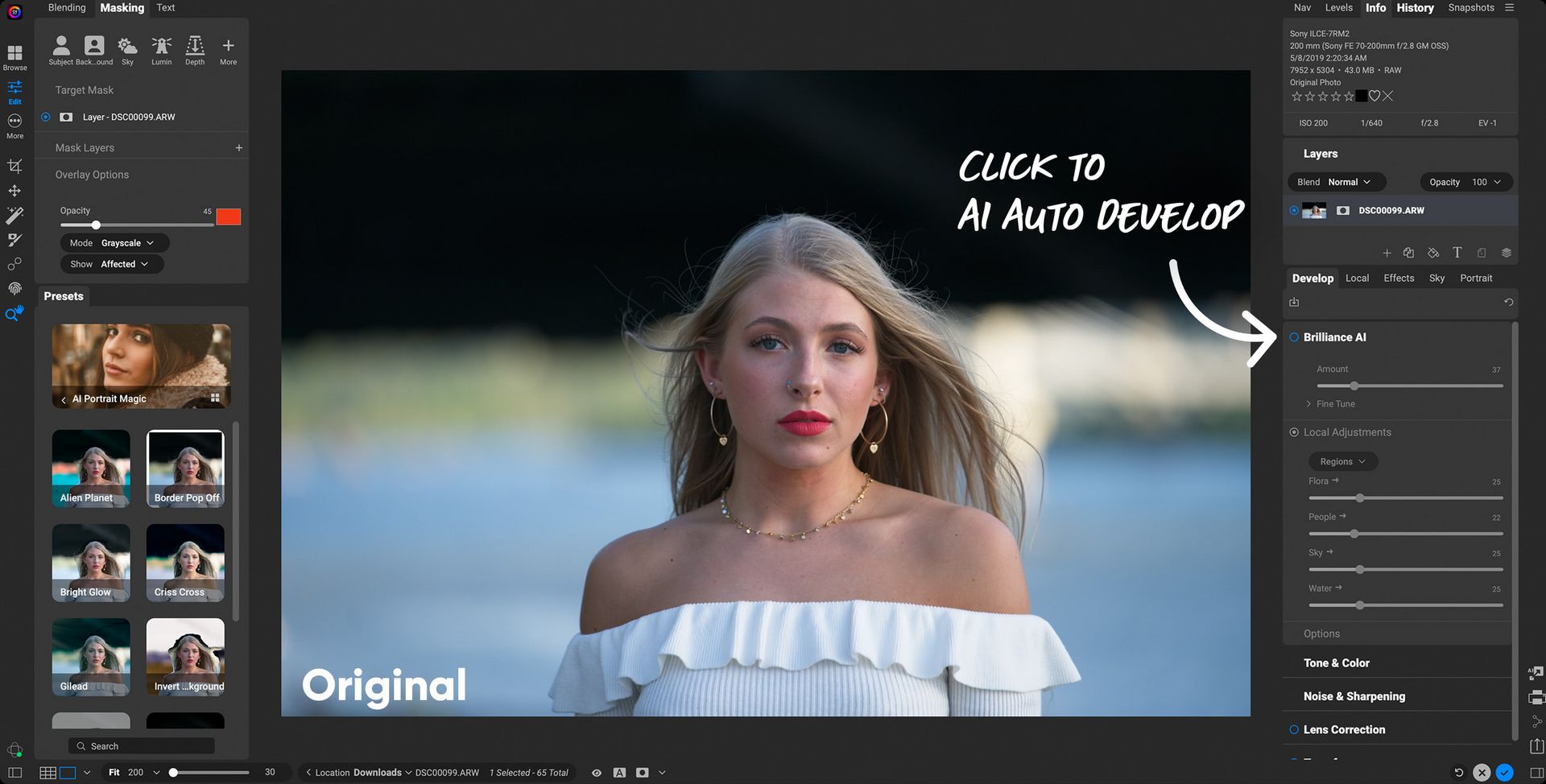
Another quality-of-life improvement comes in the form of new Module Tips. These are short onboarding dialogs that appear when you enter a module for the first time, offering a quick explanation of what it does and how to get started. It is a small addition, but a smart one. New users get a gentler learning curve, while long-time users may discover tools or shortcuts they have been overlooking.
Export performance has also been improved, particularly when dealing with large raw files or batch jobs. ON1 says exports are now faster and more responsive, and in practice that translates to less waiting around when you are trying to deliver a finished set. Alongside that, export presets have been reworked to be easier to create, manage, and reuse.
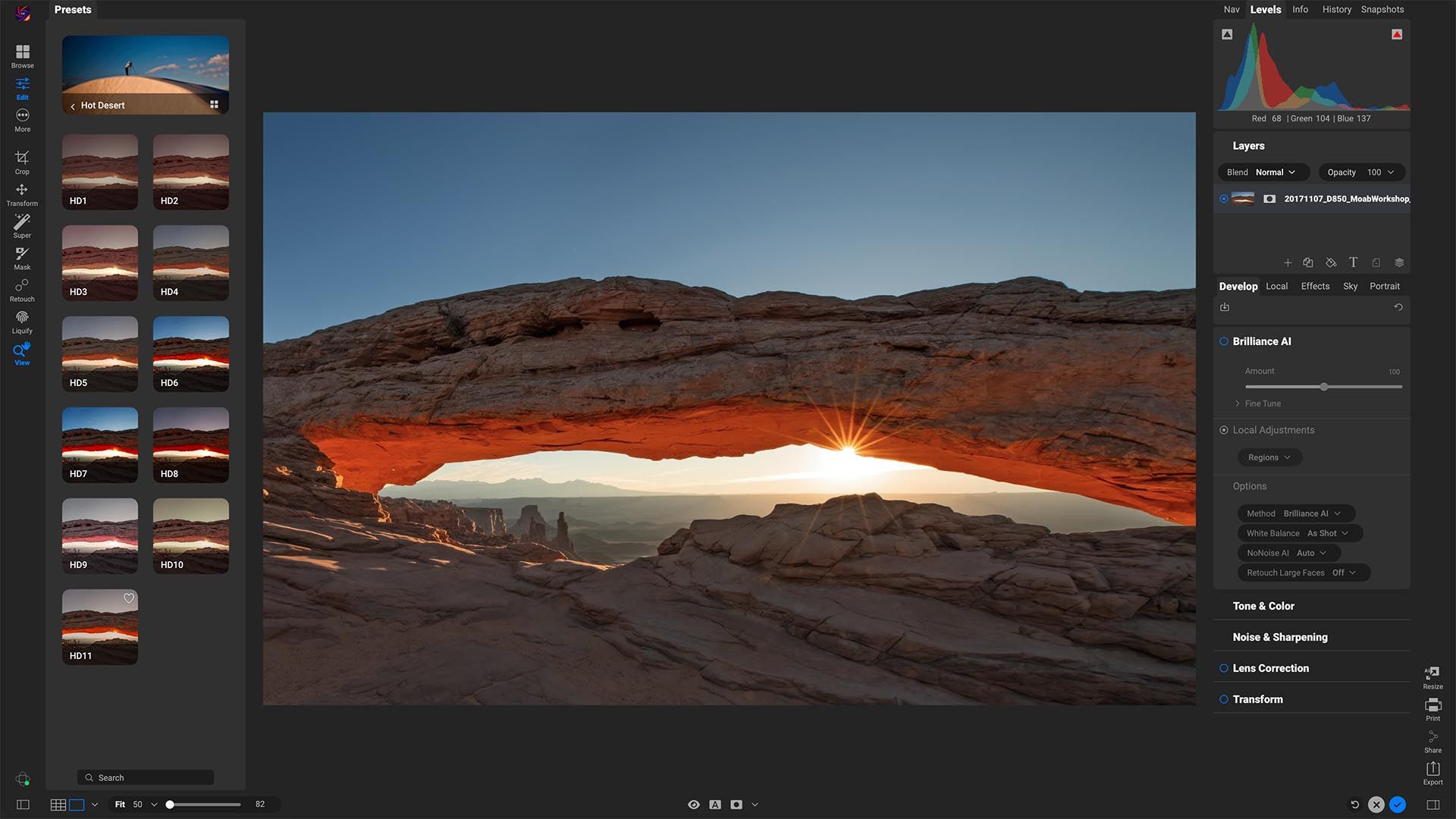
ON1 Photo RAW 2026.2 also expands hardware support. RAW files from the Leica M EV1 and Sony FX30 are now fully supported, allowing files from both cameras to open and process correctly. On the lens side, ON1 has added a long list of new profiles, covering everything from modern mirrorless glass to older and more niche lenses. Canon shooters get support for lenses like the RF 10–20mm f/4L IS STM, Nikon users see profiles for lenses such as the Z 70–180mm f/2.8, and there are additions from Fujifilm, Pentax, OM System, Tamron, TTArtisan, Viltrox, Carl Zeiss, and more.
Beyond specific features, this release includes general stability improvements, interface polish, and bug fixes throughout the app.

There is one caveat worth noting for macOS users on macOS Tahoe 26.1. Some Generative AI tools, including Generative Erase and Generative Crop, may run slower due to system-level changes that disabled GPU and NPU acceleration. ON1 says the results are now correct again, but processing may fall back to the CPU, leading to longer wait times. This issue isn’t unique to ON1 and affects other developers as well, and the company says it is working with Apple on a fix while continuing to share updates through its official channels.
If you already own Photo RAW 2026, the update is completely free and available now through the in-app updater or your ON1 account.
Learn The Art Of Photography
Get full and free access to my Creator University - The World’s Best Online University for Photographers & Creatives: Get access to hundreds of amazing photography courses, learn from professional photographers, connect with students and much more!
Interview with Alex Schönberg
This week’s Interview with Alex, a talented photographer from Germany. I am truly honoured to have had the opportunity to interview him again, this time with a closer look at his newer work!
You can find him on Instagram as: @schoenberg.alexander
Enjoy the amazing Interview ;)

Can you tell us a bit about yourself?
I am Alex Schönberg, 45 years old and living in Hamburg, Germany. In my works, I try to capture the everyday scenes of a city, which also shape them under the typical weather conditions that prevail there. My works are difficult to assign a particular direction to, it is most a mixture of architecture, street, fine-art and people.
How did you first get into street photography? Was it love at first click?
That was at the beginning of October 2015, when I had already been producing music and writing lyrics for 15 years, when a doctor unexpectedly recommended that I ‘just go for more walks’. I immediately realised that I was getting bored of just walking around... I didn't think twice, went into a shop and bought a camera straight away. And so began my journey into the world of photography.In the beginning, I photographed all kinds of things. Street photography was also part of it. But I realised that street photography challenges me the most and offers a lot of creative possibilities. Street photography is a much bigger ocean of possibilities for me than landscape photography, for example.
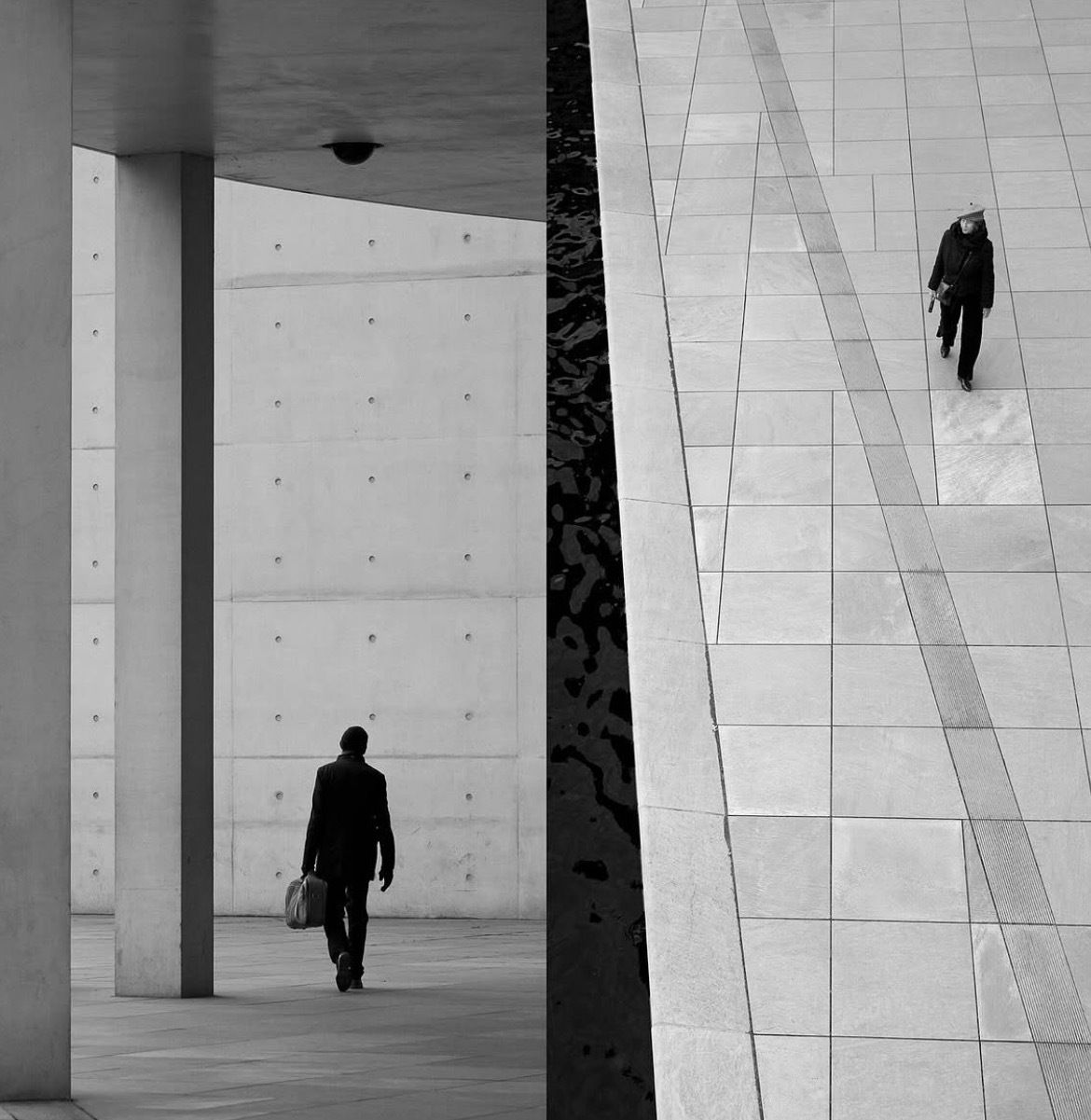
What’s the wildest or most unexpected thing you’ve captured on the street?
It was a foggy morning in Hamburg, sporadically the sun came through the clouds, the atmosphere was incredible! I was near the Elbphilharmonie and on the bench I noticed a man holding an analogue medium format camera in his hands, we got talking.... Every now and then I looked in the direction of the Elbphilharmonie and saw a woman in one of the hundreds of windows, posing or doing some kind of gymnastics. I was stunned at first and thought she was posing for me and started taking photos of her. Then the man came up to me again and said to me: ‘How could you see her, you have an incredible eye, because it's so far away...?’ I said to him: ‘I'm a street photographer, I see things like that...’ I think the most interesting aspect of street is that the most beautiful and coolest photos come unexpectedly, you should just get out and take pictures, just be there
How do you decide where to go and shoot? Is it planned or more spur-of-the-moment?
When I visit another city, I try to photograph a kind of reportage and visit the important places and squares that make up the city. But most of my photos are taken because I see the situation at that moment. I really like to feel and experience a new city without.
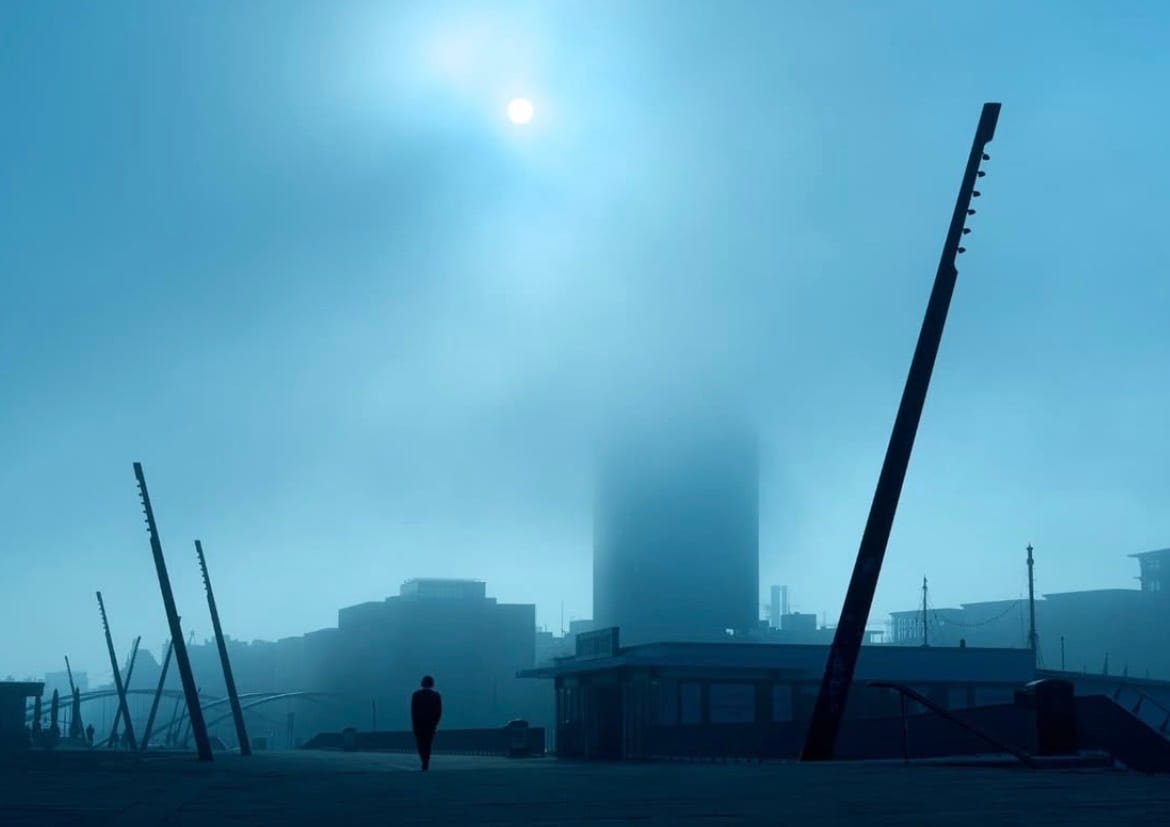
What’s your go-to gear setup when you hit the streets?
About ninety percent of the time, I shoot with the Sony A9 II. During the day, my main lens is the Sony 24–70mm f/2.8 GM because it gives me a lot of flexibility. At night, I usually switch to the Sony 35mm f/1.4 or the 135mm f/1.8, depending on the scene and distance. Sometimes I also shoot analog, using a Minolta XD7 with a 50mm f/1.4. Shooting film slows me down a lot and forces me to think more carefully. I really like that contrast to digital photography.
Do you prefer shooting in the chaos of a busy street or in quieter, more intimate spaces?
I try to be as variable as possible, but if I’m honest, I feel more comfortable in chaos. Busy streets, lots of people, movement, unpredictability, that’s where I feel at home. Chaos gives me more layers and more tension to work with. Quiet places can be beautiful too, but chaos feels more alive to me. There is always something happening, even if it’s very subtle.
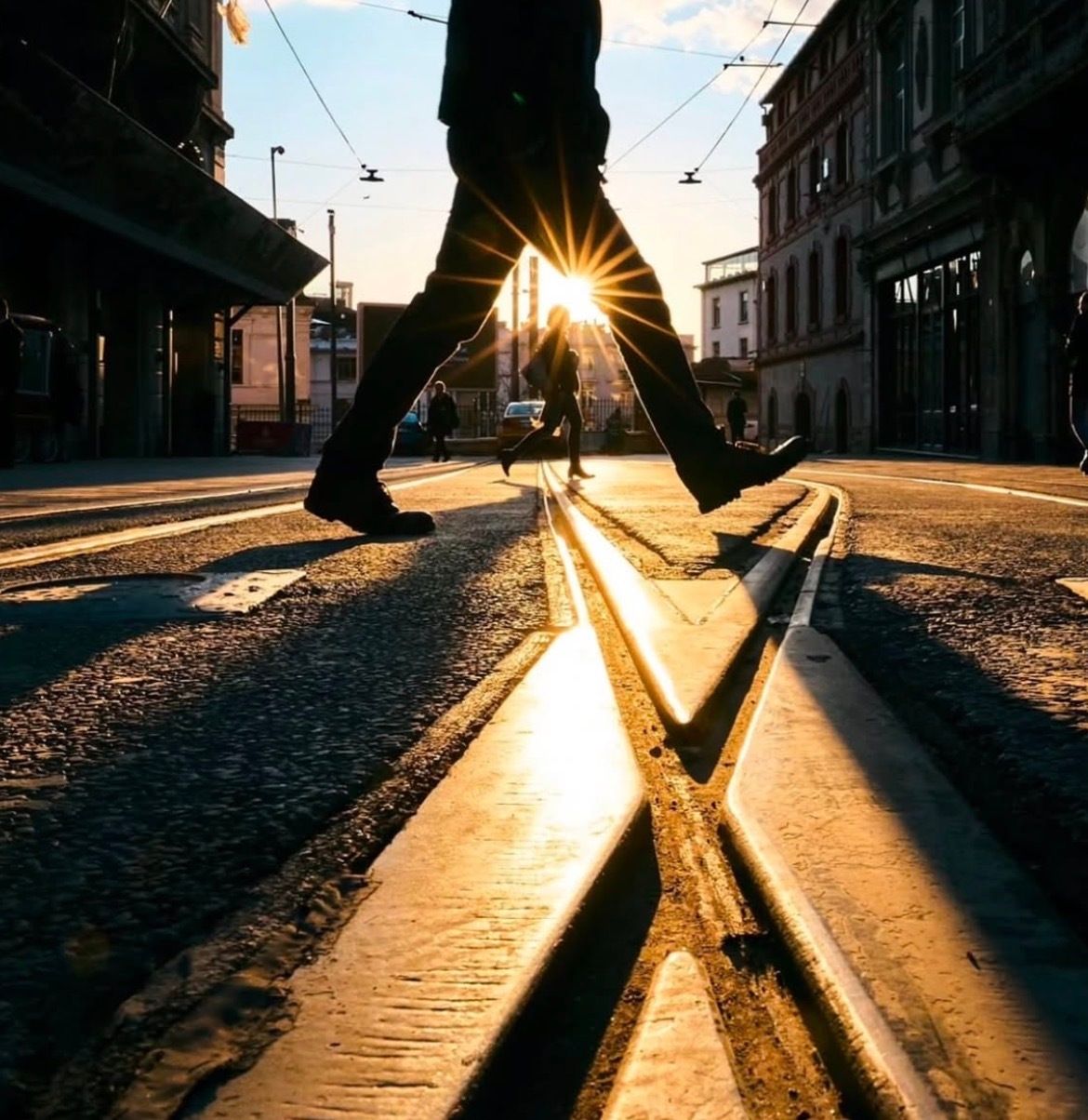
How do you approach people on the street if you want to include them in your shots?
I actually prefer photographing people from behind rather than directly from the front. Faces from behind feel more anonymous and mysterious. They are more open to interpretation and less specific. For me, those images often feel more poetic and less intrusive. I don’t like to confront people directly. I prefer observing and waiting.
Are there any tricks you use to stay unnoticed when shooting?
In most cases, I first look for or see an interesting place/background, then I check the surroundings and the lighting situation and ask myself what would have to happen here (e.g. where would a person have to walk past here...) so that it all makes a good photo? It's often the case that people see you and don't want to disturb you while you're taking a photo, so they stand still... For an outsider, I usually behave as if I'm simply waiting for someone at this spot and happen to be holding my camera in my hand or pretend that I'm simply photographing a certain detail on the wall, i.e. as if it's not about ‘the passers-by’ at all...
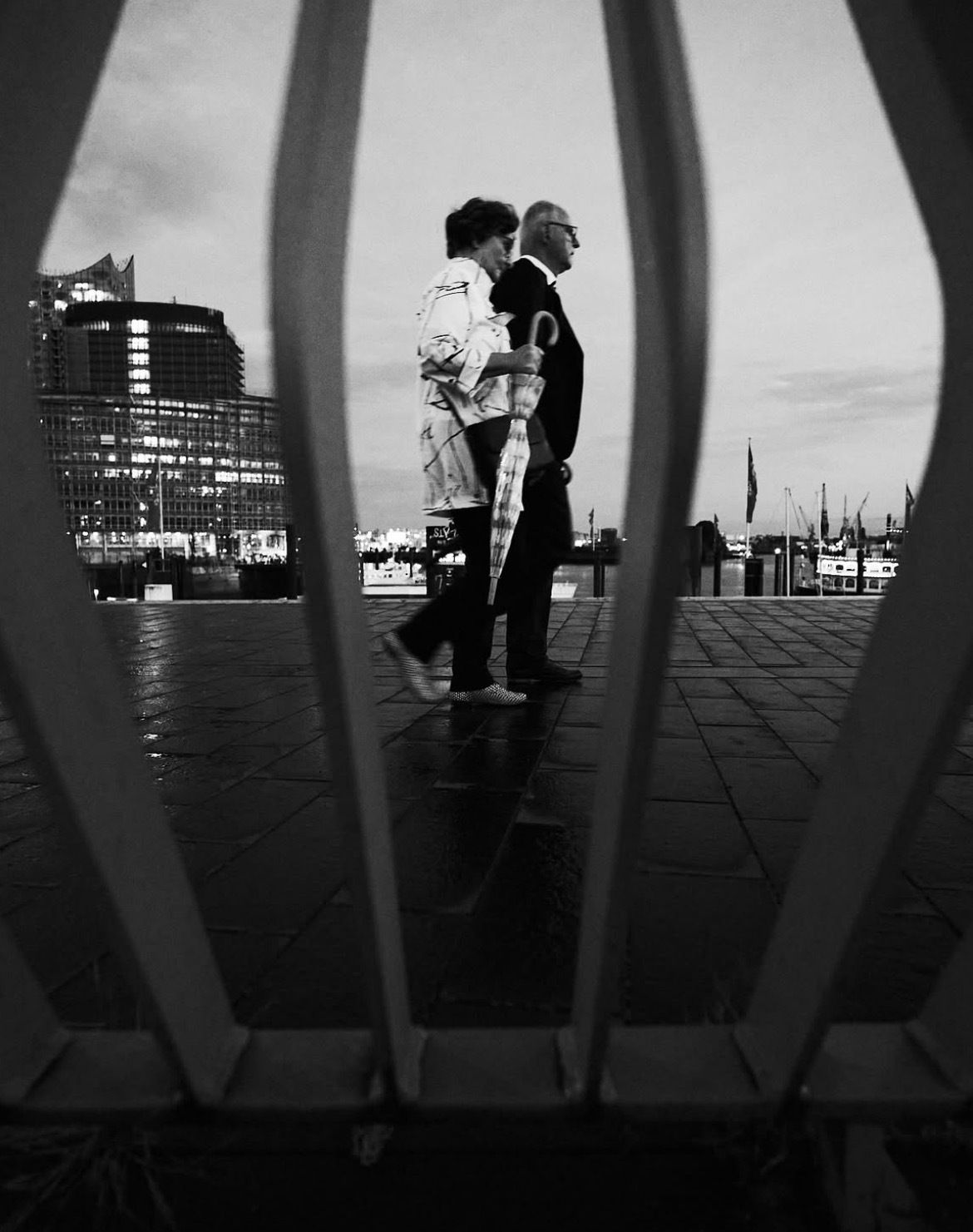
What’s the most challenging thing about street photography for you?
Street is a labour of patience! You have to try to keep an overview of a lot of things: Choose the right background; wait for the right moment; keep moving yourself, things often develop very dynamically... Often it has a lot to do with anticipating what might happen... Thinking in advance about whether it's worth taking a photo of this person or not.
How do you decide whether a photo is better in black and white or colour?
If the colours in the photo distract from the main message or are rather distracting, then black and white is better. But there are actually no specific rules as to when black and white is better. For me, the more graphic the image is, the more likely it is to be converted to black and white.

How do you know when you’ve nailed the shot? Is it instinct or something else?
It happens all the time that I take photos that I haven't planned, you can't really plan much in the street. You should always be awake, see, anticipate, look for interesting spots, find unusual light situations, weigh things up and be in the right place at the right moment! I often instinctively realise that this is the shot, but there are often photos that only open up to our eyes at second glance...And some have to mature on the hard disc for a few years before they are ready.
Have you ever had a shoot that just didn’t go as planned? How did you deal with it?
Napoleon once said: ‘If you are 50% prepared for a battle, then you are very well prepared, because the rest is decided in battle!’ It happens all the time that I take photos that I haven't planned, you can't really plan much in the street. You should always be awake, see, anticipate, look for interesting spots, find unusual light situations, weigh things up and be in the right place at the right moment!
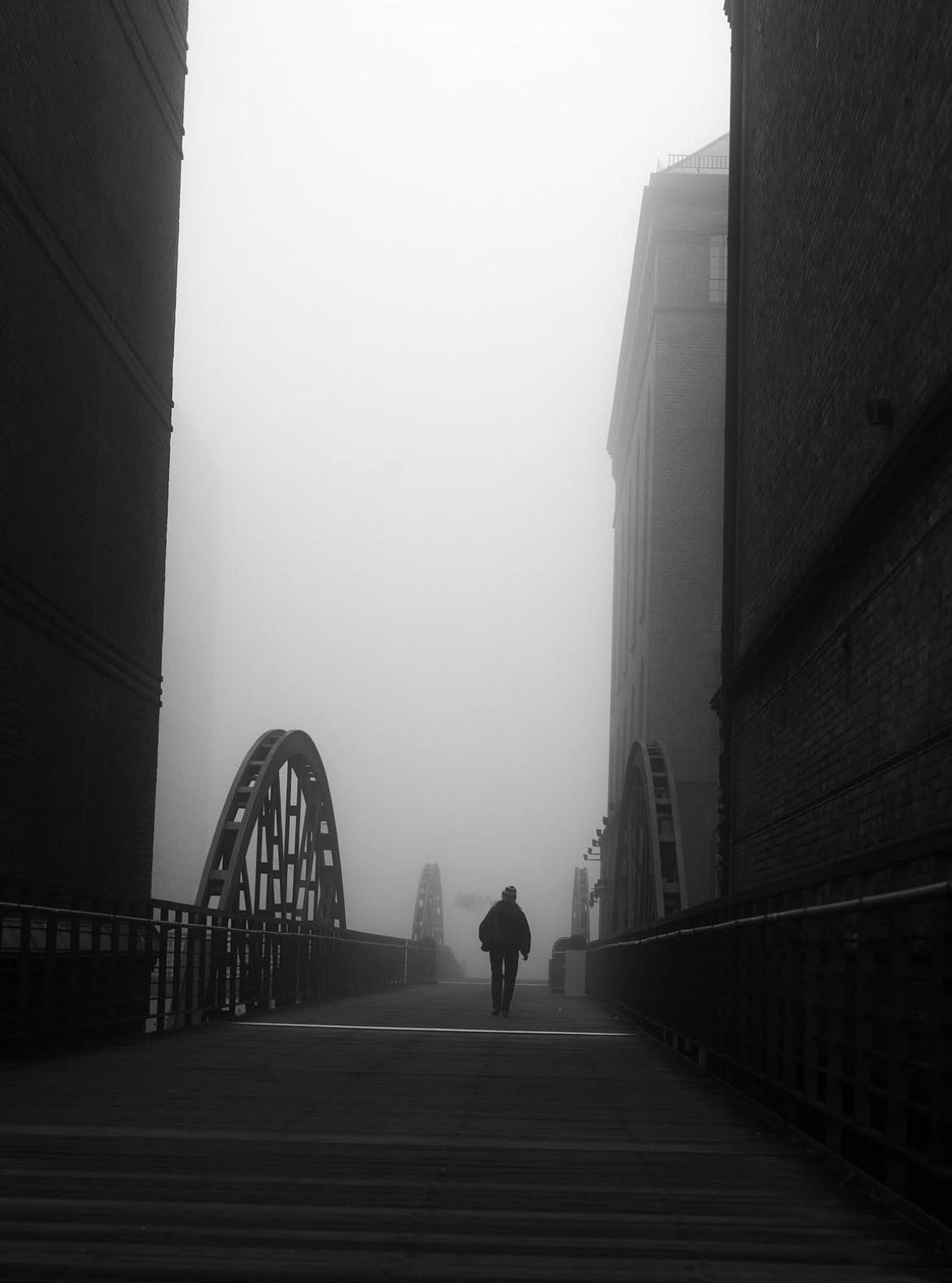
If you could photograph any street in the world tomorrow, where would it be?
New York. The energy, the density, the diversity, it’s a street photographer’s dream.
Who are some street photographers or other artists that inspire you?
Actually the usual suspects: Henri Cartier-Bresson, Josef Koudelka, Peter Lindbergh. But I also think some contemporary street photographers are great: Peter Kalnbach, Billy Dinh, Skander Khlif.
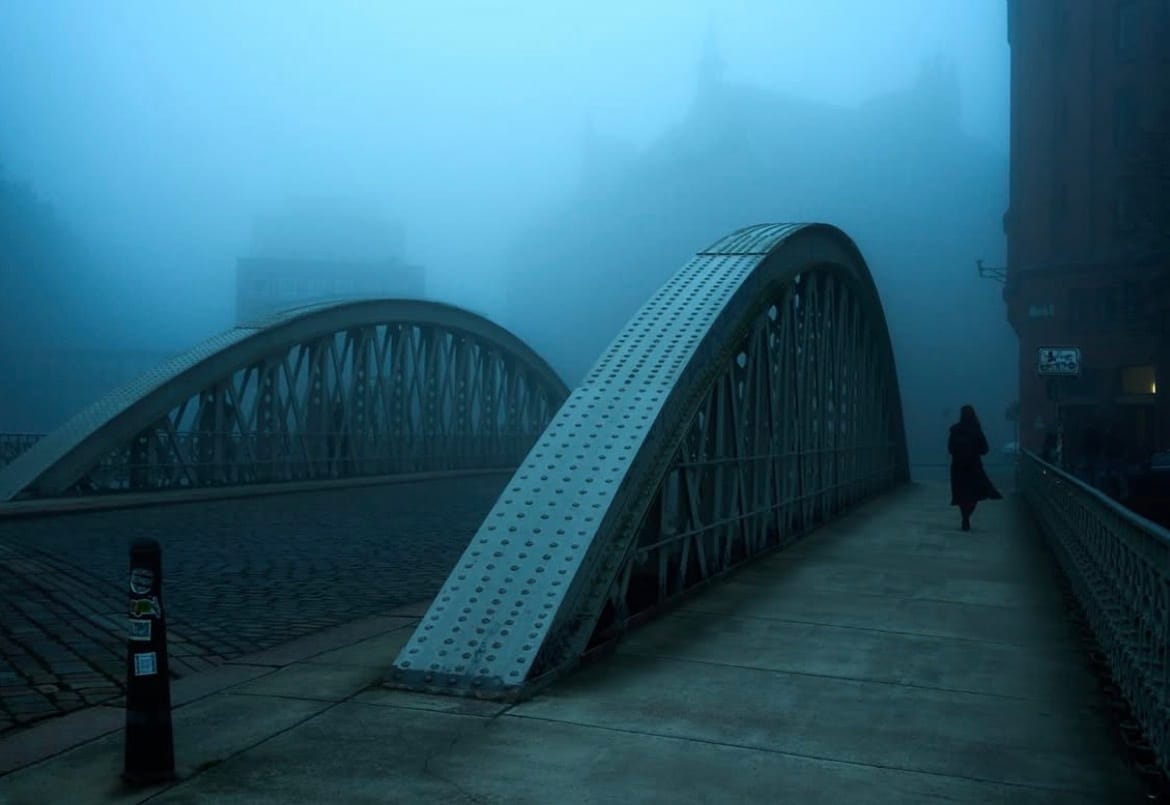
Do you feel like your style has evolved over time? How so?
Yes, my style has changed quite a bit... I used to always try to produce very clean, perfectly aligned images, usually with just one person in the picture and very graphic. They now seem pretty lifeless, cold and emotionless to me. Nowadays I like a raw, dirtier style, often with lots of people. I don't really care what the weather is like, because I can always find something to photograph. My image composition has also become much more complex.
What role does storytelling play in your work? Are you always chasing a narrative?
For me, photography is basically about telling a story with a photo, and street photography is no exception. Many people think that story-telling in street photography always has to have something to do with a person, but I don't see it that way at all. As soon as you realise that you consciously design a photo according to certain rules, a narrative begins, it can be a road or a bridge, basically just anything...
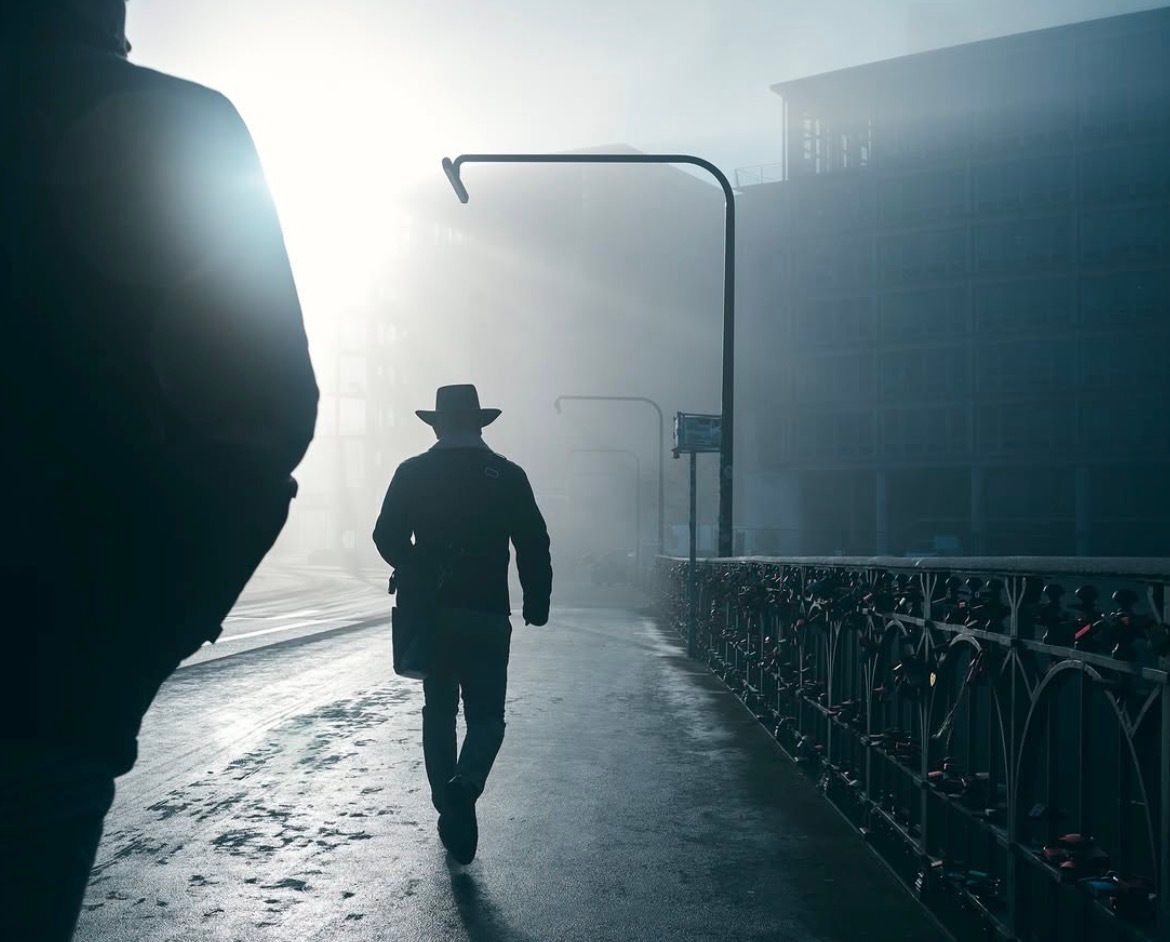
Do you have a favourite image you’ve taken, and what’s the story behind it?
I just like this picture because of the composition and the mood and because it took me 2 years to realise this picture exactly as I wanted it.
Do you have a favourite city or spot for street photography? Why?
Every city has something of its own, something that makes it so special, I don't have any particular preferences, well... maybe Amsterdam, it had a very nice atmosphere there this autumn! And I'm from Hamburg, so of course I know every bridge and every corner and I probably feel most at home here!

How important is weather in your photography?
Weather plays an extremely important role in my work, maybe more than in the work of many other photographers. I actually love bad weather. Rain, fog, strong wind, dark clouds all of that adds layers and atmosphere that you simply don’t get on a sunny day. Sunshine can be beautiful, but it’s often too clean, too obvious.
How do you approach editing and post-processing?
Editing is an important part of my process, but I try to keep it very restrained. I don’t want to over-edit or polish my images too much. The raw feeling of the moment is very important to me. If an image feels too clean or perfect, it often loses its emotional impact.
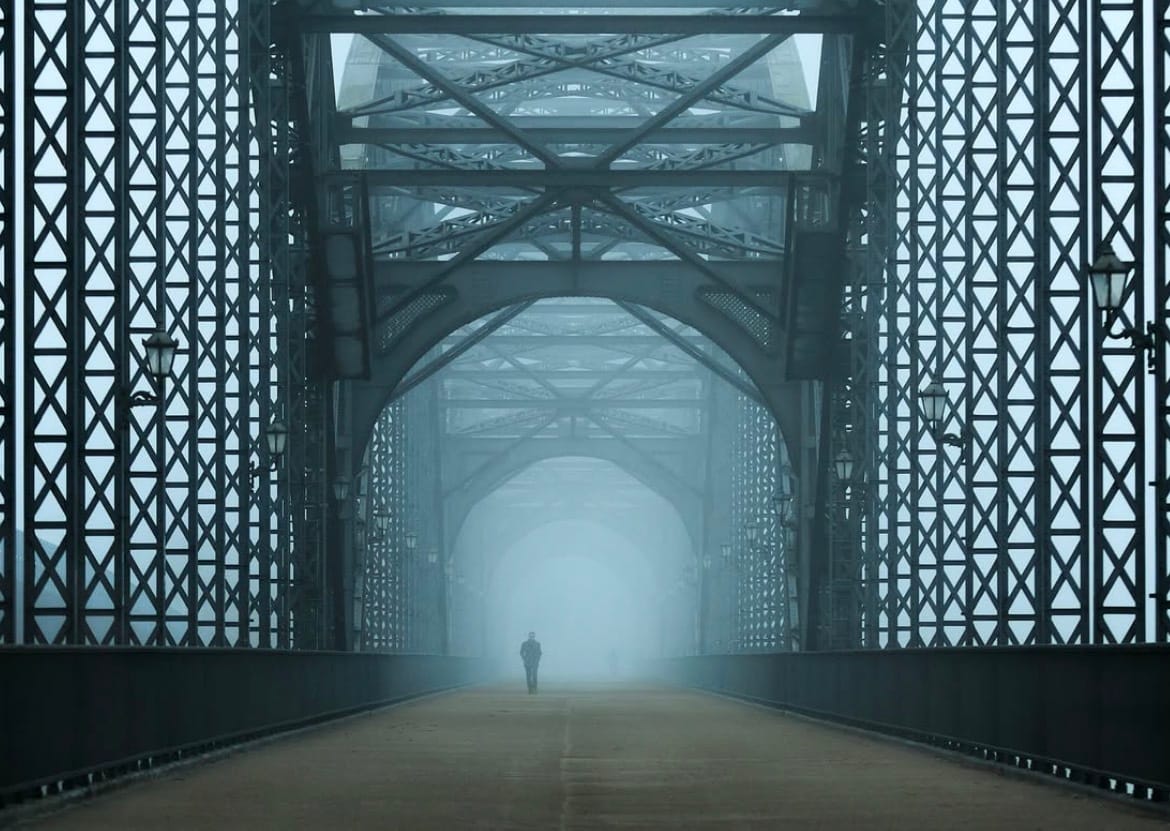
What advice would you give to someone starting out in street photography?
The most important advice I can give is to be patient. Street photography takes time. You won’t create strong images every day, and that’s completely normal. Many beginners expect instant results, but street photography is a long-term process.
What keeps you motivated to continue shooting?

The rest, 5 more questions of this Interview + an additional exclusive photograph selection, are for Premium subscribers only.
Viltrox’s Compatibility Update For The Sony A7 V

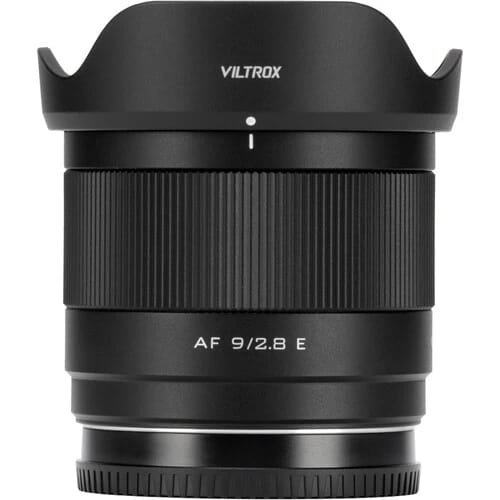
Viltrox has started rolling out the firmware updates it previously promised, addressing performance and compatibility issues with Sony’s brand-new Sony a7 V. The updates cover a wide range of Viltrox autofocus lenses, ensuring they work as expected on Sony’s latest full-frame body. Among the updated lenses are the AF 9mm f/2.8 Air, AF 15mm f/1.7 Air, AF 16mm f/1.8, AF 20mm f/2.8 Air, AF 27mm f/1.2 Pro, AF 35mm f/1.2 LAB, AF 75mm f/1.2 Pro, AF 85mm f/1.4 Pro, and the AF 135mm f/1.8 LAB, along with several others across the Air, Pro, and LAB lines.
The updates arrive after early reports suggested that some third-party lenses were behaving inconsistently on pre-release Sony a7 V units. During early reviews, a few testers, including well-known reviewer Kai Wong, ran into autofocus and performance issues with certain Chinese-made third-party lenses. That quickly sparked speculation online about whether Sony had changed something to restrict third-party lens behaviour on the new camera.
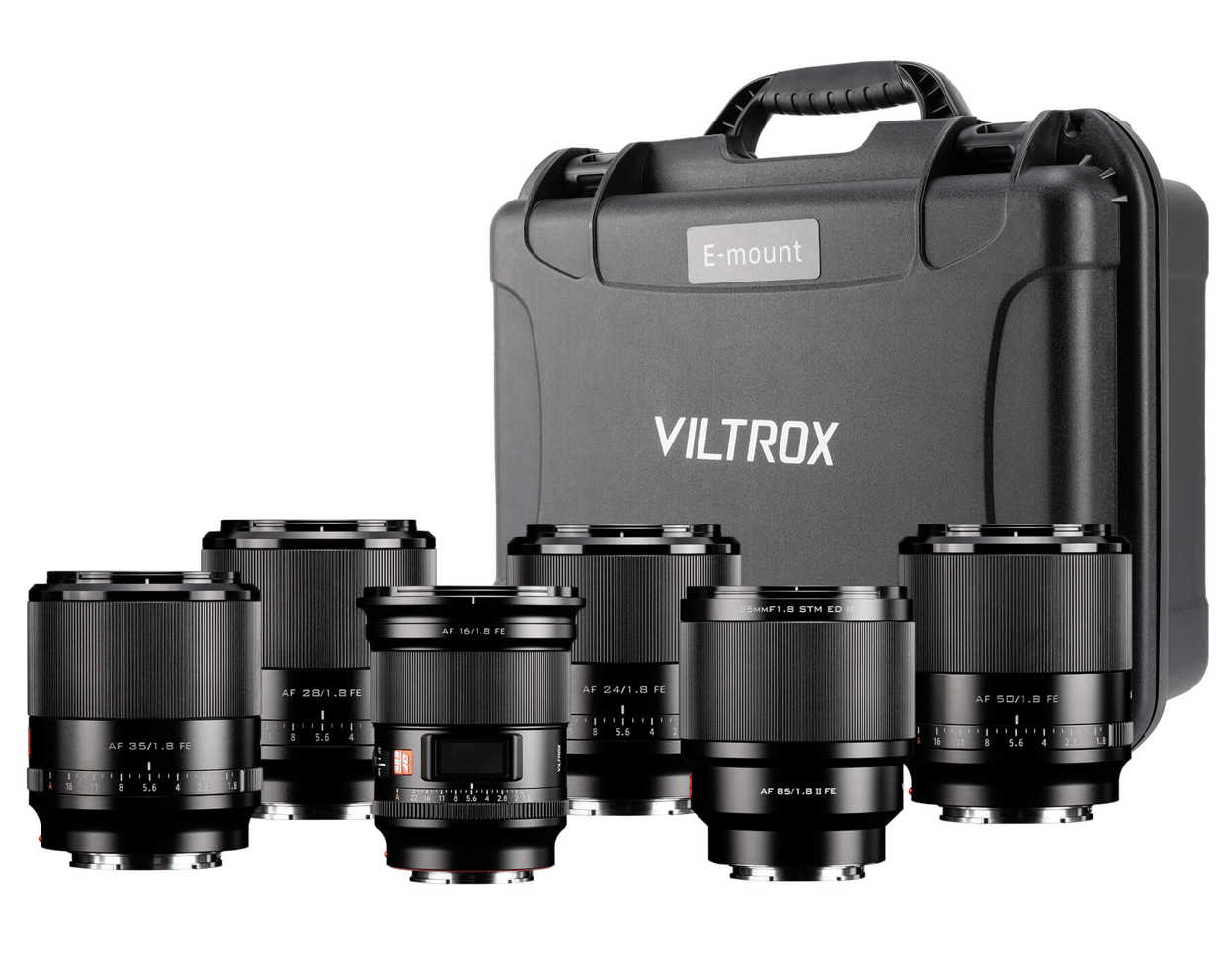
Viltrox has since pushed back on that idea, making it clear that there is no evidence of Sony intentionally limiting third-party lenses. According to the company, the bigger factor is the camera itself. The Sony a7 V introduces an entirely new imaging processor, the first major change of its kind in years, and that shift affects how the camera communicates with lenses. Whenever that level of internal architecture changes, it can expose edge cases that only show up once real-world users start mounting a wide range of lenses on the body.
Firmware updates are the usual fix in situations like this, and Viltrox says this release is part of that normal post-launch tuning process. A couple of weeks ago, Frank Fang, Viltrox’s US Marketing Director, explained that the company’s R&D team had been actively testing lenses across different camera bodies, firmware versions, and shooting scenarios. He noted that camera–lens communication is increasingly complex, and small inconsistencies can surface when a new camera enters the ecosystem. According to Fang, the firmware updates focus on improving stability and consistency rather than addressing any single dramatic failure point.

Fang also emphasised that again nothing observed so far suggests intentional behaviour from Sony’s side. Instead, this kind of fine-tuning is something the industry sees regularly whenever new camera systems or major hardware revisions are released.
Sony itself has echoed that position. When asked earlier this month about third-party lens issues on the a7 V, the company reiterated that photographers experiencing problems should contact the lens manufacturer directly. Sony does not guarantee third-party lens performance and places that responsibility firmly with the companies making those lenses. At the same time, Sony continues to highlight the openness of its E-mount system and the size of the ecosystem built around it.
Masanori Kishi, Sony’s Senior General Manager of Lens Technology and Systems Business Unit, has previously described third-party development as something that actively benefits the system. He has said the E-mount’s large ecosystem pushes Sony internally and creates more opportunities for creators, precisely because it is developed in collaboration with outside manufacturers rather than being tightly closed off.
Get your Photos featured in this Magazine for Free
I am currently testing a new feature, where everyone can get a completely free chance to be featured in my magazine and get seen by thousands of photographers.
Advertisement (Absolutely make sure to check it out) ⬇️
Banish bad ads for good

Your site, your ad choices.
Don’t let intrusive ads ruin the experience for the audience you've worked hard to build.
With Google AdSense, you can ensure only the ads you want appear on your site, making it the strongest and most compelling option.
Don’t just take our word for it. DIY Eule, one of Germany’s largest sewing content creators says, “With Google AdSense, I can customize the placement, amount, and layout of ads on my site.”
Google AdSense gives you full control to customize exactly where you want ads—and where you don't. Use the powerful controls to designate ad-free zones, ensuring a positive user experience.
Photography Tip of the Week


The weekly photography tip is only accessible to Premium Subscribers of The Magazine For Photographers.
Photo Analysis
Welcome to the new part of the Magazine Issue where we take a closer look at a photo and analyse it so that you can learn and better your own photography from it ;)
Photo by: @framed.by.riks
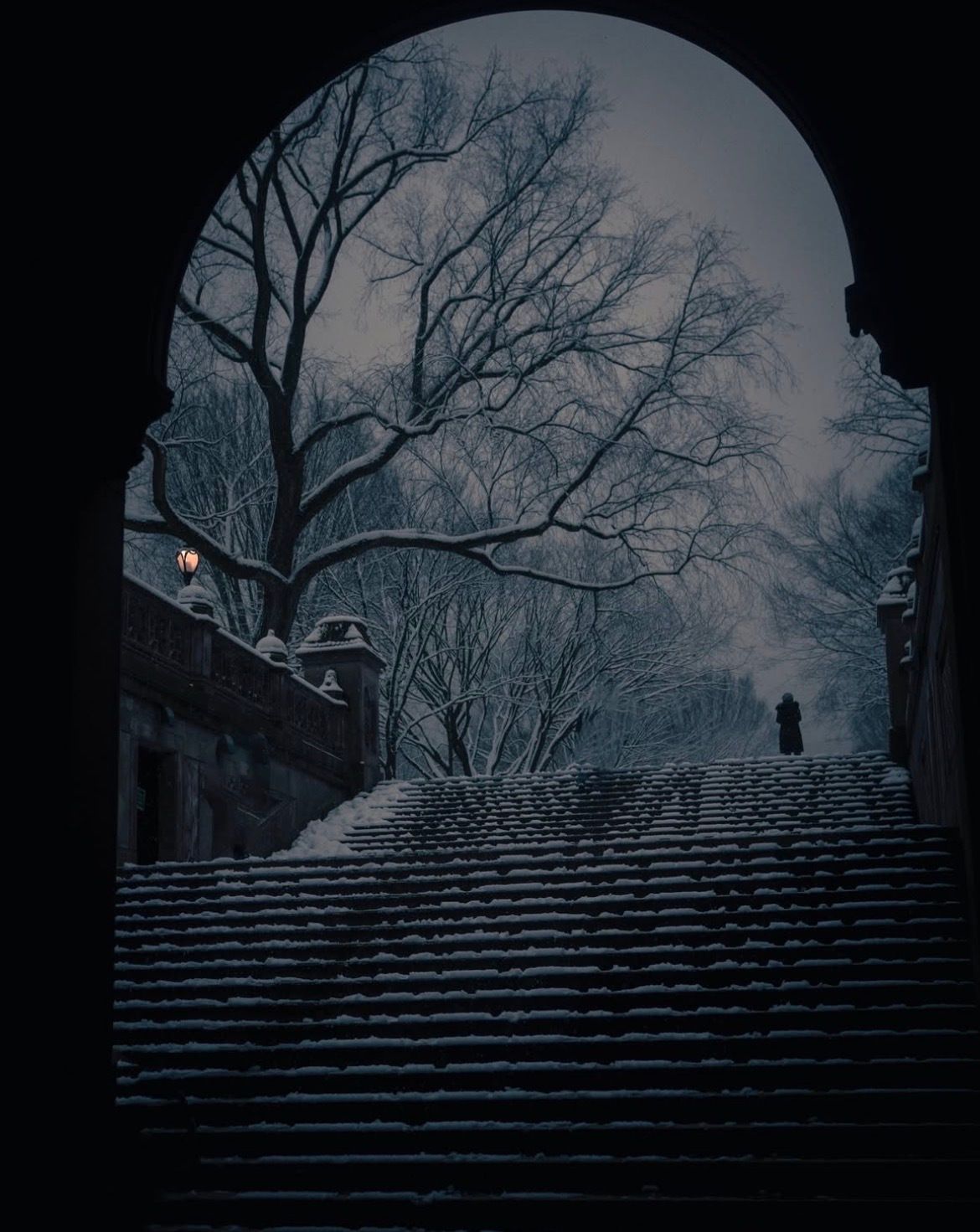
Let’s Analyse this Image:
Composition & Framing
What works well:
The framing by the arch is really great. It naturally pulls your eye into the scene and immediately sets up a strong focal direction (especially since it is ‘stronger’/more pronounced on the left and thus → ‘leading’/’turning’ the frame to the right).
The stairs act as powerful leading lines, guiding your eye upward toward the person standing at the top + the concrete walls on both sides subtly reinforce those leading lines and everything converges toward our subject.
The layering is really nice too → arch in the foreground, stairs in the mid-ground, the person further back, and then the trees and sky in the background. It gives everything a great 3D look.
What could be better:
The arch feels a little tight at the top of the frame (so the literal boarder of the picture). A bit more breathing room above could have made the framing feel less cramped.
Our subject, the person is quite small in the frame. Waiting a moment for them to step slightly forward could have strengthened the visual presence a bit more (however it also depends on what you are going for → if you want to go more anonymous/mysterious/dystopian vibes a smaller person might be better).
Light & Atmosphere
What works well:
I personally think that the snow is doing a lot of heavy lifting here. It instantly sets the mood and gives the shot a more quiet, frozen and almost timeless feeling.
The overall light is very soft and diffused, which works perfectly for a winter scene like this. Nothing feels harsh or overly distracting.
Overall it is very cool/blue-toned which really sells the cold (the frozen looking trees add to that as well). You literally look at that and you can feel the cold in my opinion, it actually reminds me of the move ‘the day after tomorrow’ which is also mostly set in New York City (the picture was taken in Central Park) haha. Definitely recommend that move, it is great!
We have a single warm lamp on the left that adds a subtle contrast and prevents the image from feeling completely flat or lifeless (thought it also has a cavity (more right down below)).
What could be better:
The lamp on the left is just a touch too bright compared especially to the subject. It does add contrast, but it also pulls attention away from the person at the top of the stairs. Darkening it a bit in post could help.
The shadows inside the arch are very deep. While that helps with framing, it also hides texture and detail that could add richness.
The atmosphere is strong but very uniform. A bit more tonal separation between foreground and background could enhance depth a bit more.
Emotion & Story
What works well:
The lone person immediately creates a sense of isolation and mystery.
As touched on before, the silhouetted look fits the mood well.
Overall the ‘story’ is more created through the atmosphere.
What could be better:
We don’t really get to see the person, so it is hard to connect emotionally/on a ‘personal’ level.
There are very few clues about who they are or what they’re doing, which keeps the story vague/we dont get to see those clues since the person is too far away.
Colour & Tone
What works well:
The cool blue tones dominate the photo and fit the winter atmosphere really well. Nothing feels out of place.
There is a subtle warmth in the sky if you look closely which adds a bit of colour variation and prevents the image from feeling too monotone.
Again, the single warm lamp works as a bit of a counterbalance to all the cold tones.
What could be better:
The shot does lean heavily into cool tones. Just a touch more variation could add more depth and visual interest.
Some midtone contrast could help separate the layers more clearly.
Balance
The photo is well balanced overall, with the arch acting as a strong visual anchor.
The subject ‘placement’ prevents the shot from feeling bottom-heavy despite the pretty large staircase.
The tree on the left and the person on the right do more or less balance each other out as well.
Check Out Simple Photo Gallery

*advertisement
Turn your photo folders into a modern, clean portfolio page in minutes - without touching a website builder. Upload your work, organize it into galleries, and present each set the way it was meant to be seen. Add captions and rich descriptions to give viewers context, highlight the details you care about, and create photo stories worth sharing. Then send a single link to clients, friends, or anyone who loves photography.
Photographer of the Week
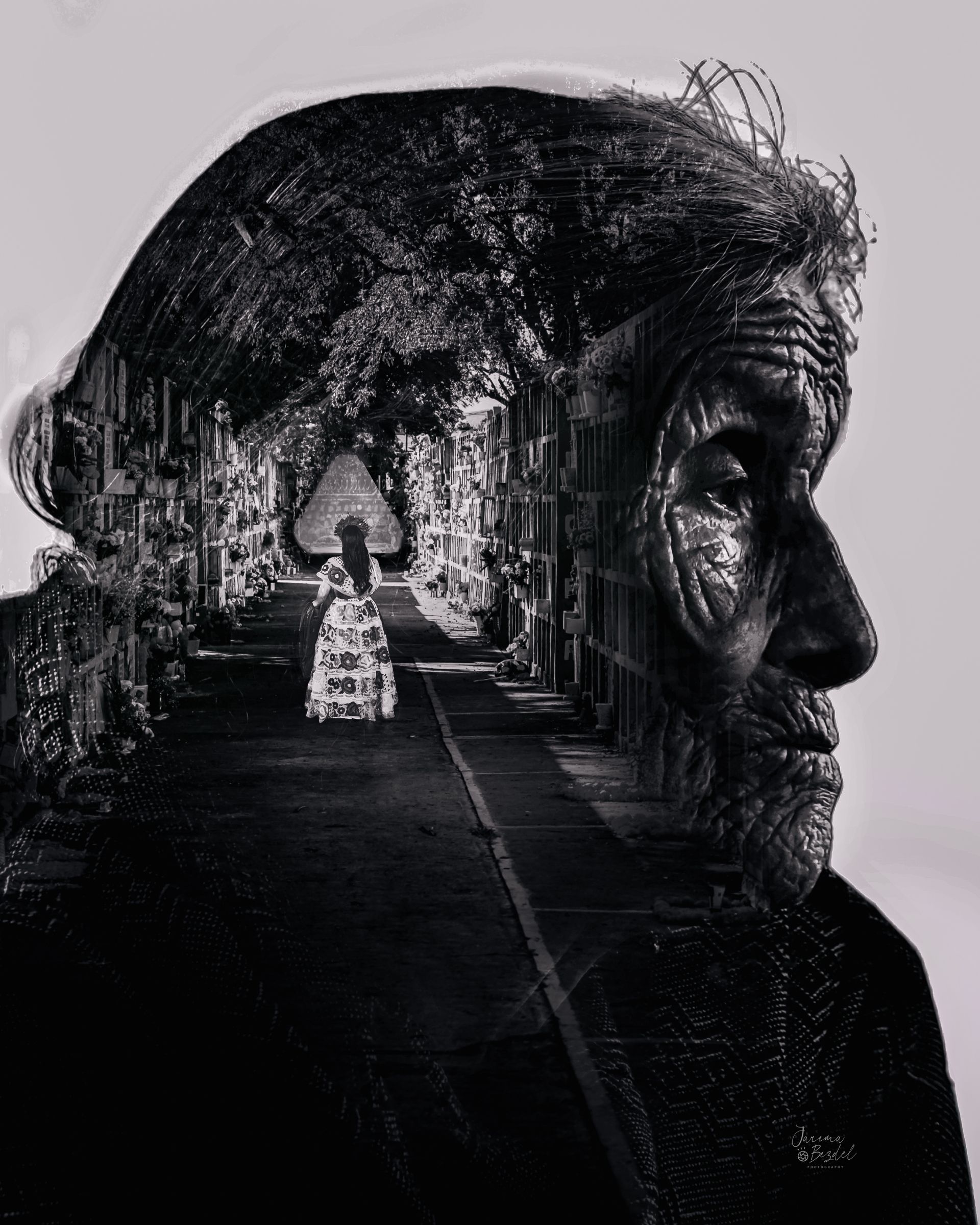
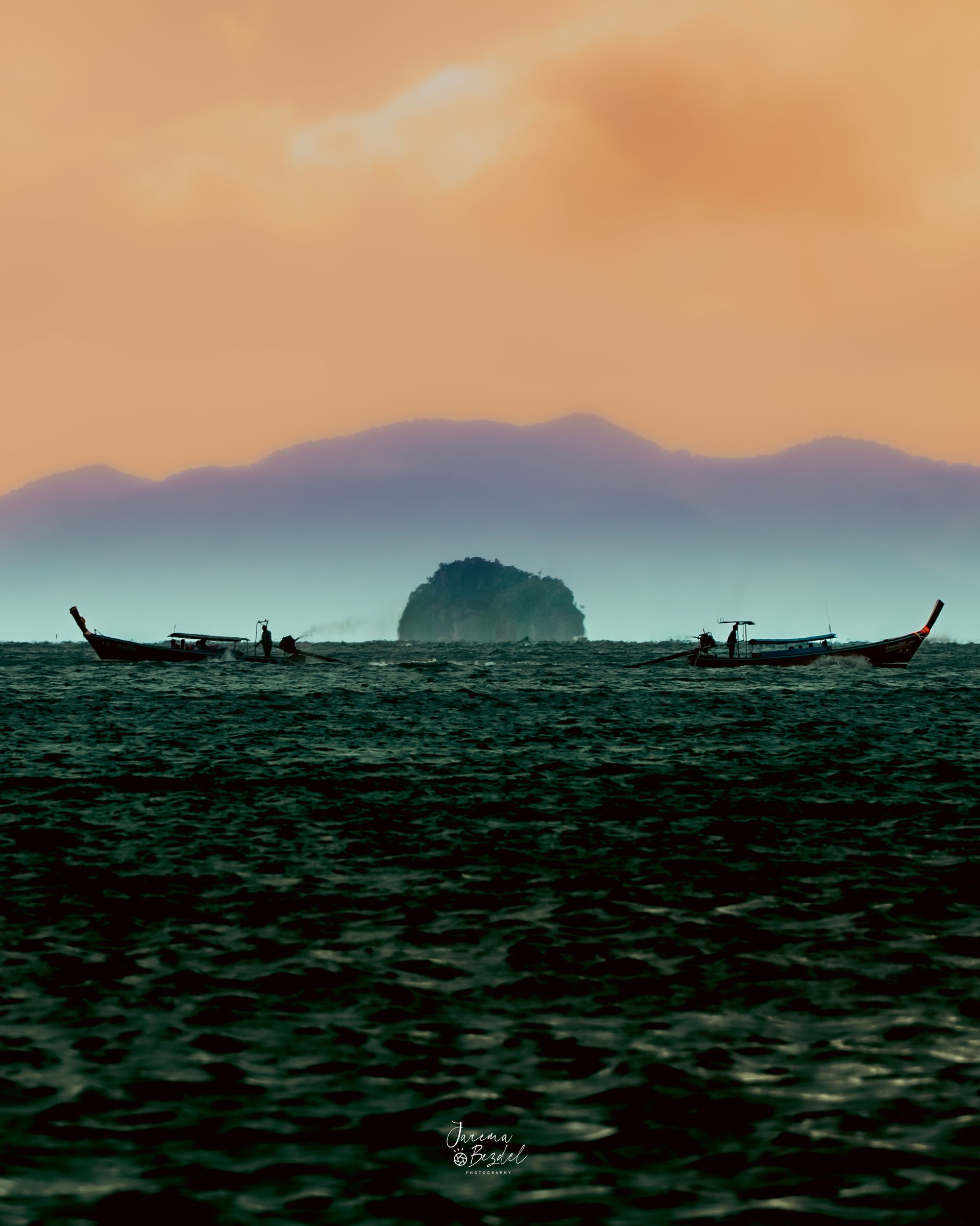
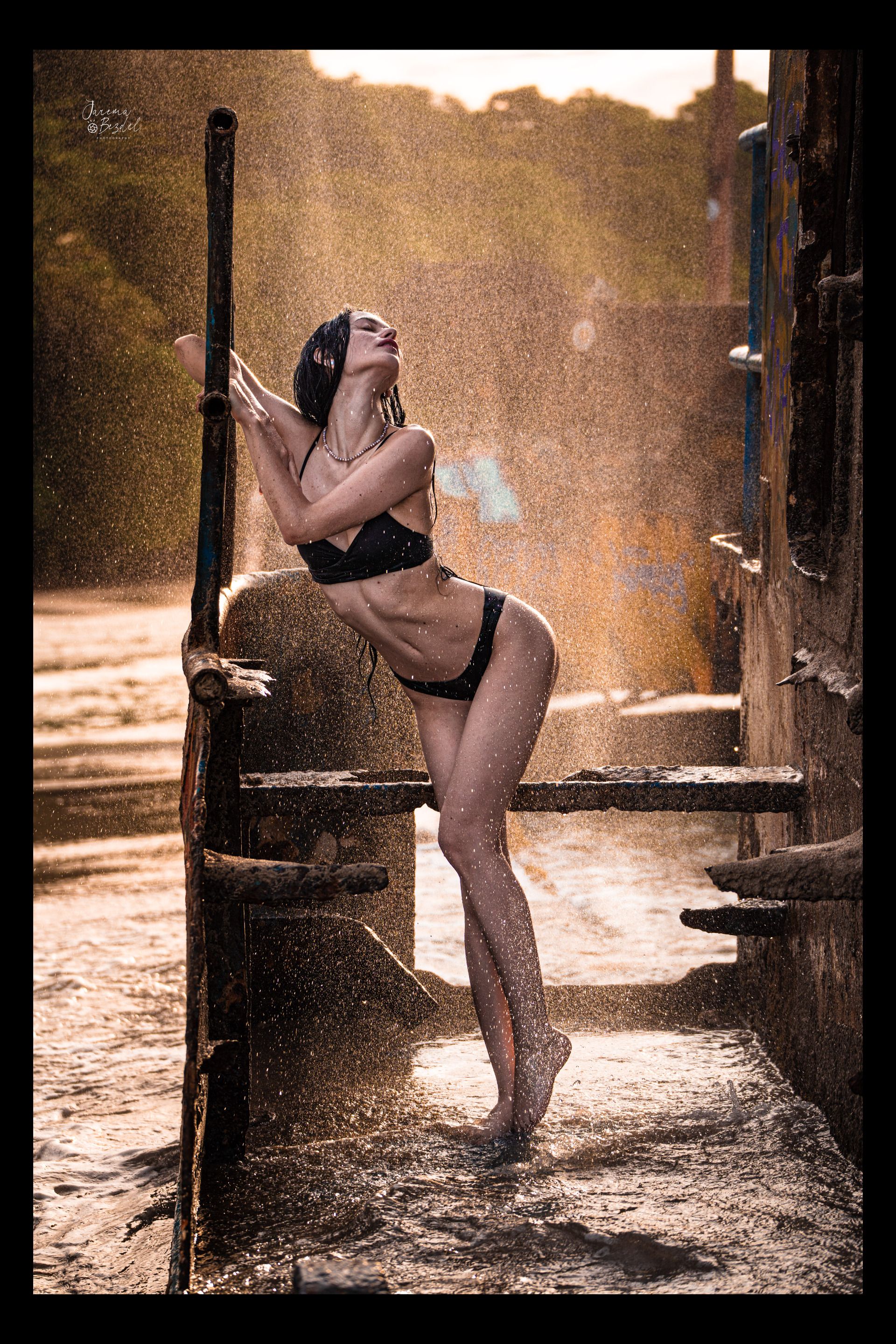
Photographer of the week goes to: Jarema Bezdel
You can find him on Instagram as: @amerajb
A few photos of his:
The Rest of this Issue is for Premium Subscribers
