📸 SNAPSHOT - Issue 98
Welcome to a brand new Issue of my Magazine. A truly brilliant one, enjoy the read :)
In partnership with


In this Issue
Viltrox’s 56mm f/1.2 Pro Lens For Nikon Z

Viltrox has brought its AF 56mm f/1.2 Pro to Nikon Z mount, making the fast APS-C portrait prime available to Nikon DX shooters for the first time. The lens was originally announced last September, and it is designed to give crop-sensor cameras a true high-end portrait option without needing to rely on full-frame glass. On Nikon APS-C bodies, the 56mm focal length works out to roughly an 85mm equivalent, which is right in classic portrait territory.
For Nikon Z photographers, that is notable because Nikon doesn’t currently offer a DX-specific prime in this focal length and aperture class. The closest native options are either the Z DX 35mm f/1.7, which lands closer to a normal field of view, or stepping up to full-frame 50mm lenses like the 50mm f/1.8 S, f/1.4, or the much larger 50mm f/1.2 S. Those all work well on DX bodies, but they are bigger and heavier than a lens designed specifically for APS-C.

Optically, the lens is fairly complex for an APS-C prime. It uses 13 elements in eight groups, including one ED element, one ultra-precision aspherical element, and three high-refractive elements. Viltrox says this combination is meant to keep sharpness high across the frame while controlling things like chromatic aberration and colour fringing, even when shooting wide open at f/1.2. That fast aperture is a big part of the lens’s appeal, giving photographers more control over depth of field and background blur than most DX-format lenses offer.
The lens has a full-metal body and is sealed against dust and splashes. In terms of size, the Viltrox 56mm f/1.2 Pro sits somewhere in the middle. It weighs 595 grams and is about 94mm long, so it is not tiny, but it is still more manageable than most full-frame f/1.2 primes. It takes 67mm filters on the front.

Autofocus is handled internally and is designed to be fast and accurate for both stills and video. The lens can focus as close as 0.5 meters, giving a maximum magnification of 1:7.7. That is not close enough for macro work, but it is plenty for portraits and tighter compositions where you want to really take advantage of that wide f/1.2 aperture.
The Viltrox AF 56mm f/1.2 Pro for Nikon Z mount is available now through authorised retailers with a price of $580.
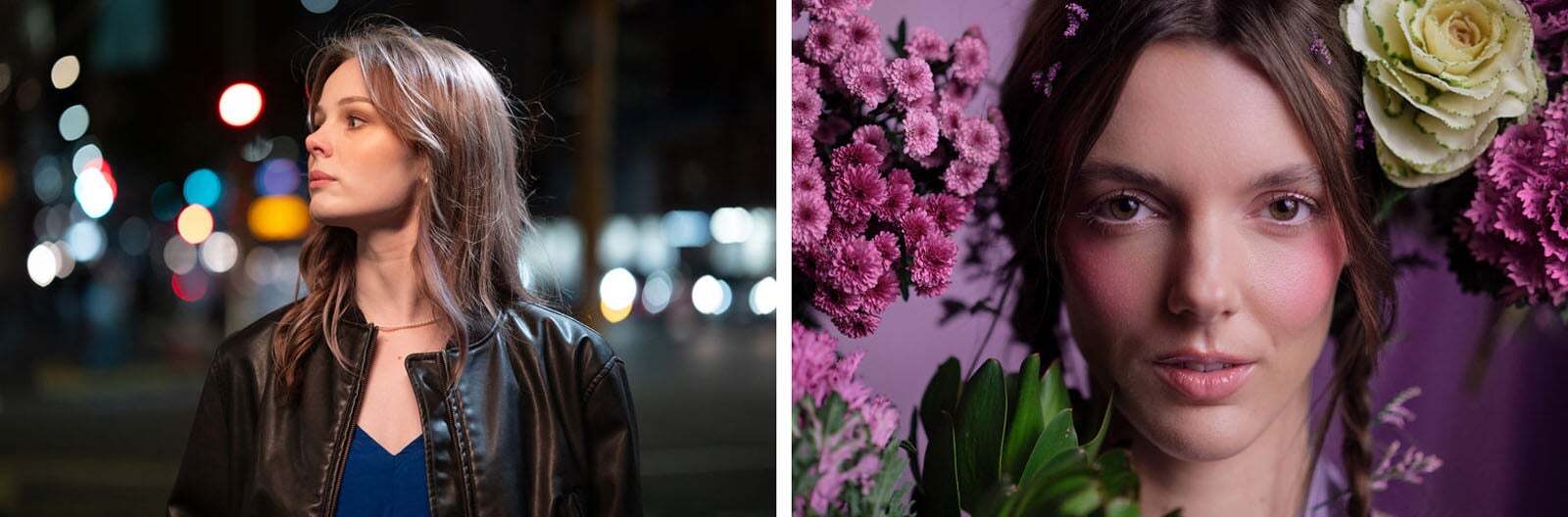
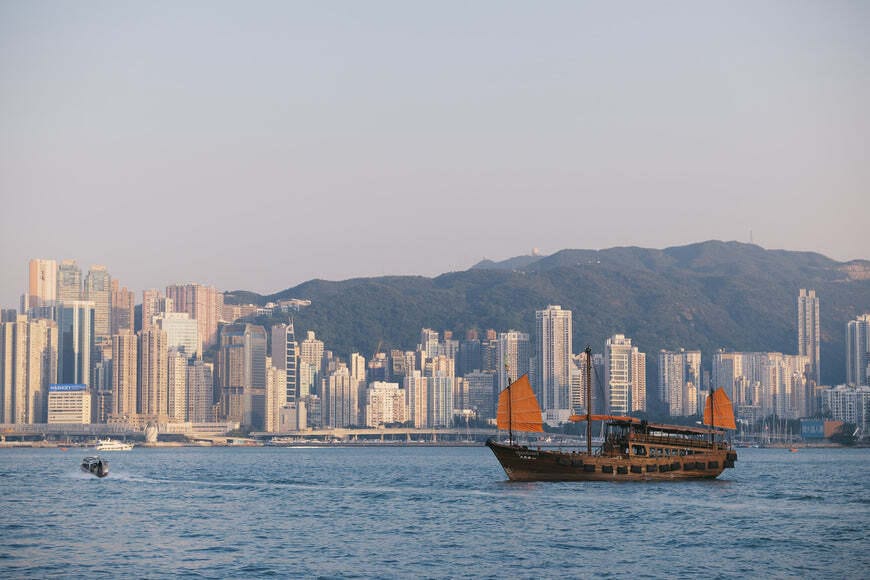
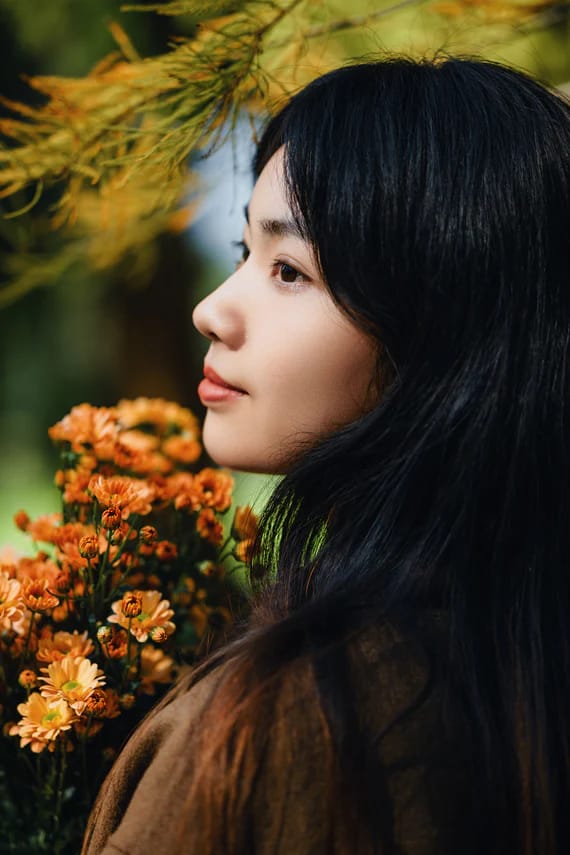
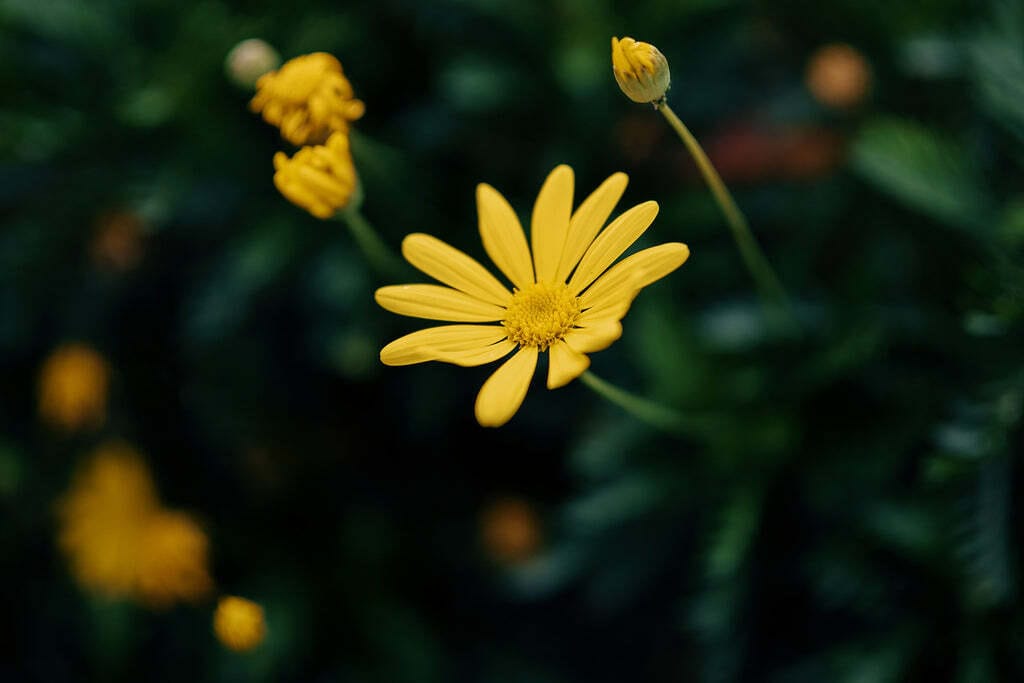
A few sample shots:


Learn The Art Of Photography

Get full and free access to my Creator University - The World’s Best Online University for Photographers & Creatives: Get access to hundreds of amazing photography courses, learn from professional photographers, connect with students and much more!
Interview with Luca Theil
This week’s Interview with Luca, a talented travel photographer from Switzerland. I am truly honoured to have had the opportunity to interview him again, this time with a closer look at his newer work!
You can find him on Instagram as: @throughlucaslens
Enjoy the amazing Interview ;)

Can you tell us a bit about yourself?
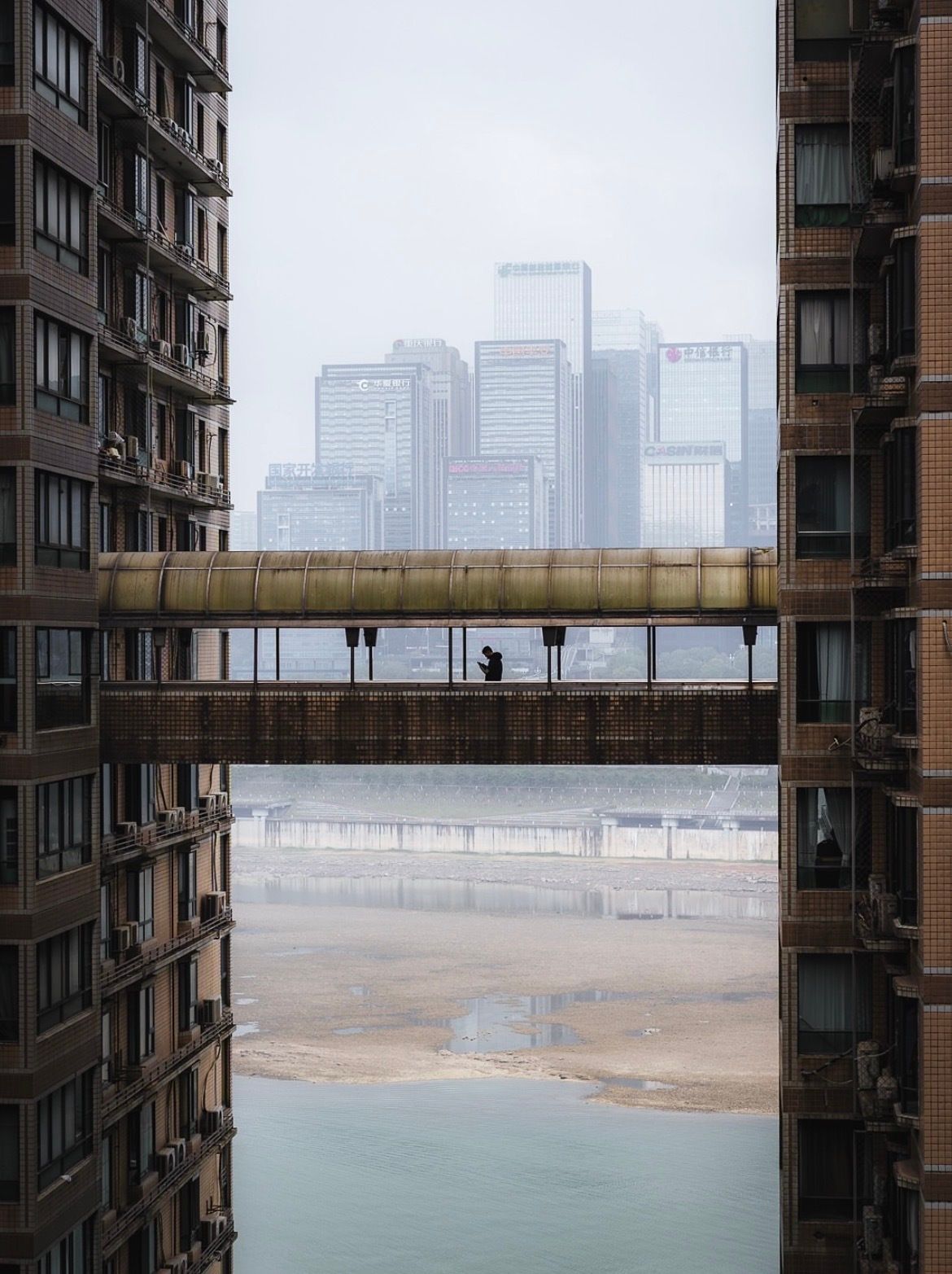
I’m Luca, a photographer from Zurich, Switzerland, but most of my work happens far away from home. I grew up in a small town, and that shaped the way I look at things. When you’re not surrounded by noise all the time, you start paying attention to small details. That way of seeing stayed with me when I started traveling. Over the last few years, photography has taken me across large parts of Asia, including Bangkok, Hong Kong, Myanmar, Taiwan, and several other places. I’m not interested in just documenting famous locations. I want to understand how a city actually feels when you spend time walking through it. Every place has a different rhythm, a different way people interact with each other and with their surroundings. My goal is to notice those differences and translate them into photos.
How did you first get into street photography?
I started photography in 2019, but I didn’t come into it without any experience. I had a background in graphic design and more than ten years working in marketing, so I already understood how photos work, how visuals communicate ideas and so forth. When I picked up a camera, everything clicked very quickly. Street photography stood out to me because nothing is controlled. You don’t decide what happens in front of you. You react to it. That felt much more exciting than setting up scenes or working in a studio. I could walk through a city I had never seen before and still create something meaningful just by observing and waiting.

What’s the wildest or most unexpected thing you’ve captured on the street?
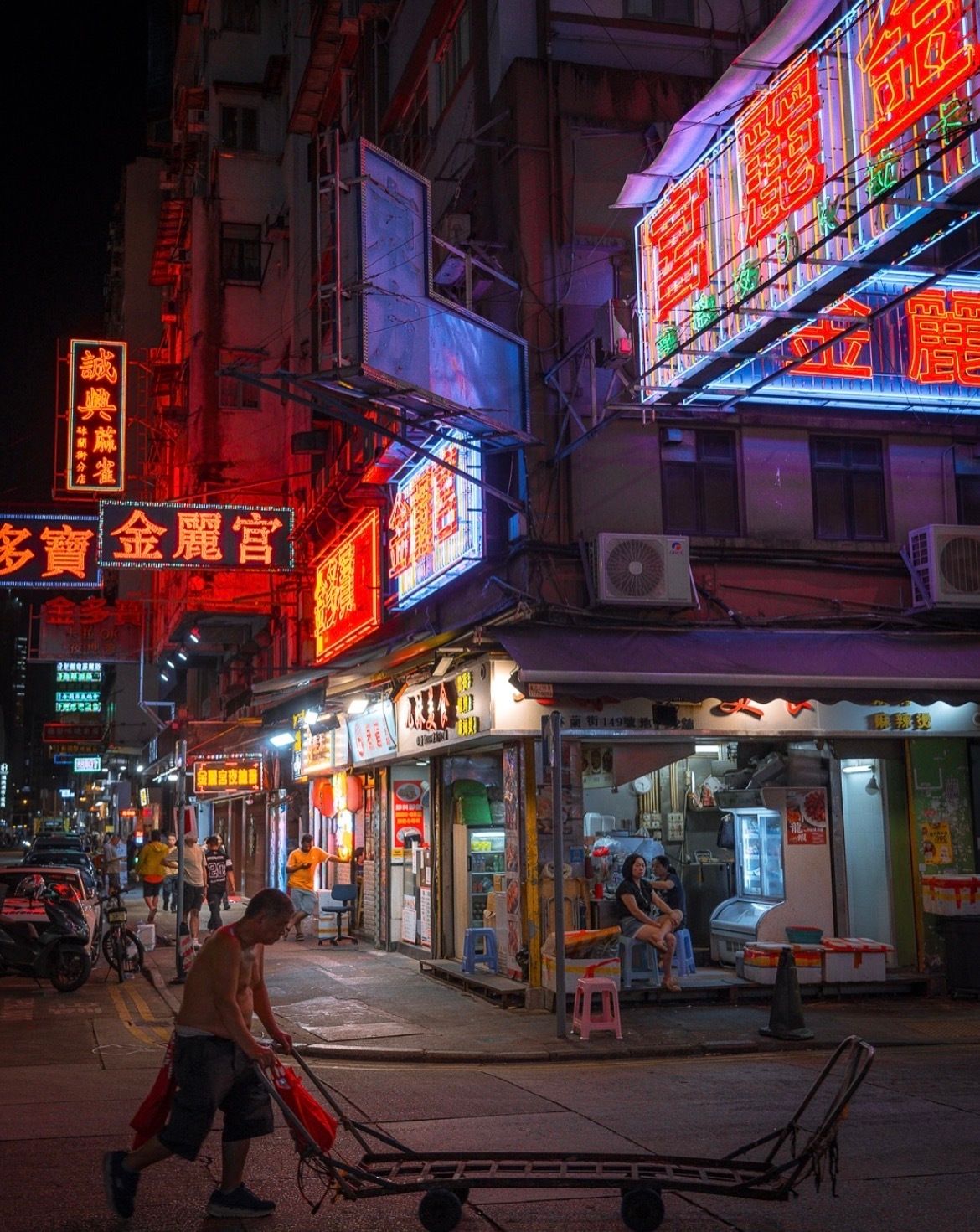
One of the most intense moments I experienced was in Hong Kong during typhoon season. It was a hot summer night, and the city already felt heavy and restless. I was walking and shooting when suddenly a strong rainstorm hit. Within minutes, everything changed. People started running for cover and the sound of rain completely took over the street. It was complete chaos. You couldn’t plan a scene like that. It just happened. I remember barely thinking about camera settings anymore. I was just reacting, moving, and trying to keep up with what was happening around me. That storm gave me some of my strongest images because everything felt raw and alive. It reminded me that sometimes the city gives you something special if you’re there at the right moment.
How do you decide where to go and shoot? Is it planned or more spur-of-the-moment?
It’s always a mix of planning and instinct. Before I travel, I spend a lot of time researching. I look at maps, neighborhoods, and areas that might have visual or cultural interest. That gives me a basic structure so I’m not completely lost when I arrive. But once I’m on the street, I don’t follow a strict plan. I let light, movement, and atmosphere guide me. If a street looks interesting, I go there. If a place feels dead, I move on. Some of my best photos come from walking without a destination and letting things happen. Planning helps you get started, but being open to change is what actually leads to good images. Cities don’t work on schedules, and neither does street photography. You have to adapt to what’s in front of you.
What’s your go-to gear setup when you hit the streets?
My main setup is the Sony A7 IV with a 24–105mm lens. I like this combination because it covers almost everything I need without forcing me to change lenses in the middle of a moment. If you’re swapping lenses, you miss shots. The zoom range lets me go from wide scenes to tighter compositions instantly, which is important for me. I don’t use a lot of extra gear. I prefer keeping things simple and lightweight so I can move easily. I know this camera well, and that matters more than having the newest equipment.
Do you have a favourite city or spot for photography? Why?
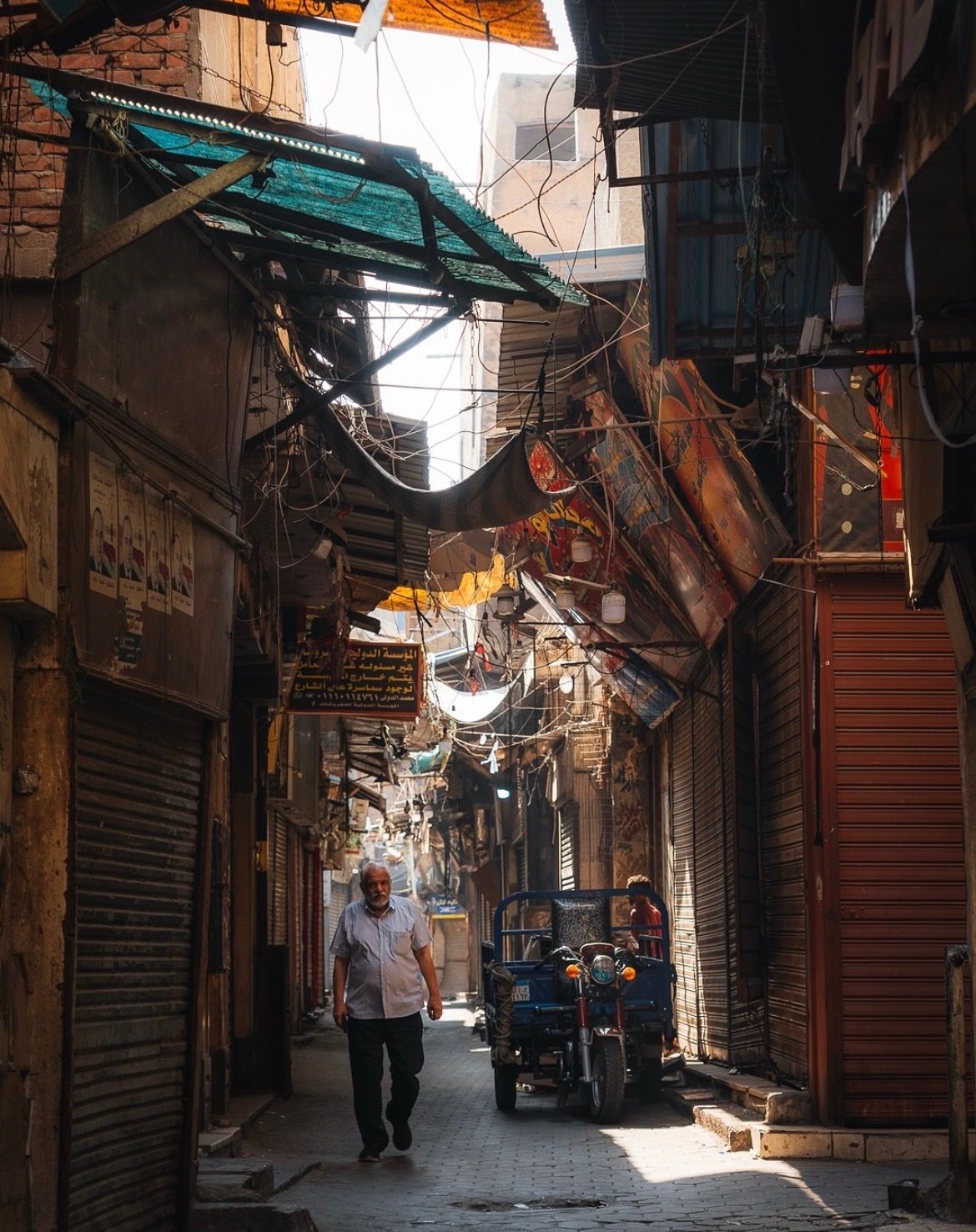
Cairo is the city that excites me the most. It feels completely different from anywhere else I’ve photographed. The city is full of strong contrasts. You have ancient buildings and modern life mixed together in ways you don’t see anywhere else. One moment you’re walking past a mosque that’s hundreds of years old, and the next you see someone on a motorbike passing by with the pyramids in the background. Everything feels real and slightly chaotic. That makes it perfect for photography. The light is harsh, the streets are busy, and people are constantly moving. There’s always something happening. You can find scenes in Cairo there that you simply couldn’t recreate anywhere else.

Do you prefer shooting in the chaos of a busy street or in quieter, more intimate spaces?
I enjoy both, and I use them for different kinds of images. Busy streets are great when you want layers and complexity. You get people, traffic, signs, and buildings all interacting at once, which can create very strong compositions if you wait long enough. Quieter spaces, on the other hand, allow you to focus on small details and single moments. A person standing alone in a quiet street can sometimes tell a stronger story than a crowded intersection. I don’t limit myself to one or the other. I move between them depending on what I’m feeling and what the city gives me that day. What matters more than how busy a place is, is whether it has atmosphere. If a location feels empty or boring, I move on, no matter how crowded it is.
How do you approach people on the street if you want to include them in your shots?
If someone is clearly the main subject of my photo, I usually ask. I don’t make it complicated. I just approach them politely and explain that I’m a photographer and I like their look or the scene they’re in. Most people are fine with it. Sometimes they say no, and that’s okay. When I’m not asking, I usually frame my photos so people are not that easily recognizable. That way I can include them without making anyone uncomfortable. I don’t like sneaking close to people’s faces without permission. Respecting the people you photograph makes the whole process better and more honest imo.

Have you ever had a shoot that just didn’t go as planned?
Yes, that happens all the time. You can have a location in mind, great light in the morning, and everything set up, and then suddenly the weather changes, the street gets blocked, or people simply don’t show up. Sometimes nothing works the way you expected. I’ve learned not to fight it. If a place feels wrong, I move on. If the light disappears, I look for something else. Street photography is unpredictable, and that’s part of what makes it interesting. Not every day has to produce great photos. Some days are just about learning the city better.
Are there any tricks you use to stay unnoticed when shooting?
The main trick is not acting like you’re trying to hide. I move slowly, stay calm etc. I also spend a lot of time in one place. When you stand somewhere for a while, people stop paying attention to you. Sometimes I wait up to an hour for a moment to happen. That patience allows things to develop naturally. Blending into the street is about being comfortable and not drawing unnecessary attention. When you’re relaxed, others around you usually are too.
What role does storytelling play in your work?
Storytelling is important, but it’s not always a clear narrative. I’m more interested in mood and atmosphere. I look for places and scenes that feel unique, and then I let whatever happens there become the story. Sometimes that includes people, sometimes it doesn’t. I don’t go out with a specific plot in mind. I want the city to tell me what’s happening. My job, as I see it, is to recognize when a moment feels meaningful and capture it.
What’s the most challenging thing about street photography for you?
The physical side of it is often the hardest. I walk a lot, sometimes all day, often in heat and humidity. In places like Southeast Asia or the Middle East, the weather can be exhausting. But that’s part of the process. If you want to find good moments, you have to be out there long enough to see them. Street photography rewards people who keep moving and keep paying attention.
Do you have a favourite image you’ve taken?
I’m really drawn to all my pictures from Cairo. They capture the city's stories and often have a surreal quality, where unexpected scenes meet ancient architecture, like the pyramids. It's something you can't find anywhere else in the world.
Do you think one becomes better with time?
Yes. The more you shoot, the faster you get and the better you understand what works. You start recognizing moments before they fully happen. Your compositions become cleaner and more intentional. Luck always plays a role, but experience makes luck more likely.
How do you know when you’ve nailed the shot?
When everything comes together, you feel it immediately. The light, the subject, and the composition all make sense at once. You don’t have to think about it.
How do you decide whether a photo is better in black and white or colour?
I mostly prefer colour because it shows the atmosphere of a place more clearly. Colours tell you a lot about light, weather, and location. Black and white can be nice, but colour feels more honest to how a scene actually looked.
Who are some street photographers or other artists that inspire you?
There are many. I follow a lot of photographers on Instagram and see different approaches every day. That keeps me curious and helps me see new possibilities.
If you could photograph any street in the world tomorrow, where would it be?
I don’t have one single street in mind, but I know it would be somewhere in Asia. That part of the world continues to surprise me visually and culturally. Cities there are often dense, layered, and full of movement, which gives you endless material to work with.

What’s your advice for someone who wants to start exploring street photography?
The best advice I can give is to stop overthinking and just go out and shoot. You don’t need expensive gear or a perfect plan. Use whatever camera you have, even a phone, and start walking. Street photography is learned by doing, not by reading about it. Walk a lot, pay attention to light, and take a lot of photos. Most of them won’t be great, and that’s normal. You improve by making mistakes and seeing what doesn’t work. Don’t compare yourself to photographers who have been doing this for years. Everyone starts somewhere. Consistency is more important than talent.
How much does weather influence your decision to shoot?
Weather plays a big role in how I decide when and where to shoot. I actually prefer difficult conditions because they add character to the scene. People behave very differently when it rains or when it’s super hot.

How do you deal with language barriers when photographing people abroad?
Language barriers are part of traveling, and I don’t see them as a problem. Most of the time, body language and a friendly attitude are enough. A smile and a simple gesture toward the camera usually communicate what I need. When I ask someone for a photo, I keep it simple and respectful. You don’t need a long explanation. People understand when you’re being genuine. If someone says no, I respect that and move on.
Do you think street photography is more about luck or skill?

The rest, 5 more questions of this Interview + an additional exclusive photograph selection, are for Premium subscribers only.
Westcott’s New FJ250 Strobe

Westcott added a new model to its FJ lighting system with the release of the FJ250 250Ws Touchscreen Strobe. It sits below the FJ400 II and FJ800 in the lineup and replaces the older FJ200, bringing a number of practical updates in a smaller, lighter package.
The FJ250 uses the same FJ Pro AC/DC lithium-ion battery found in Westcott’s higher-end strobes. That battery is rated for more than 850 full-power flashes on a single charge, and the strobe itself weighs about 4.2 pounds, or just under 2 kilograms.

Power output is rated at 250 watt-seconds, adjustable over a nine-stop range with both 0.1-stop and 1-stop control. Recycle times run from 0.01 seconds at low power up to about 0.9 seconds at full output. High-speed sync is supported up to 1/8000 second, and Freeze Mode can push flash durations down to 1/29,600 second, which helps when trying to stop fast motion. Westcott lists colour temperature at 5500K with a tolerance of ±150K in normal and TTL operation.
One of the more visible changes compared to the older FJ200 is the full-colour OLED touchscreen on the back. It is the same style of interface used on Westcott’s larger strobes and includes a built-in help guide for navigating settings. The screen gives access to features like Creative Mask mode, which lets you pre-set up to six lighting looks in multi-light setups and switch between them without physically touching the lights.
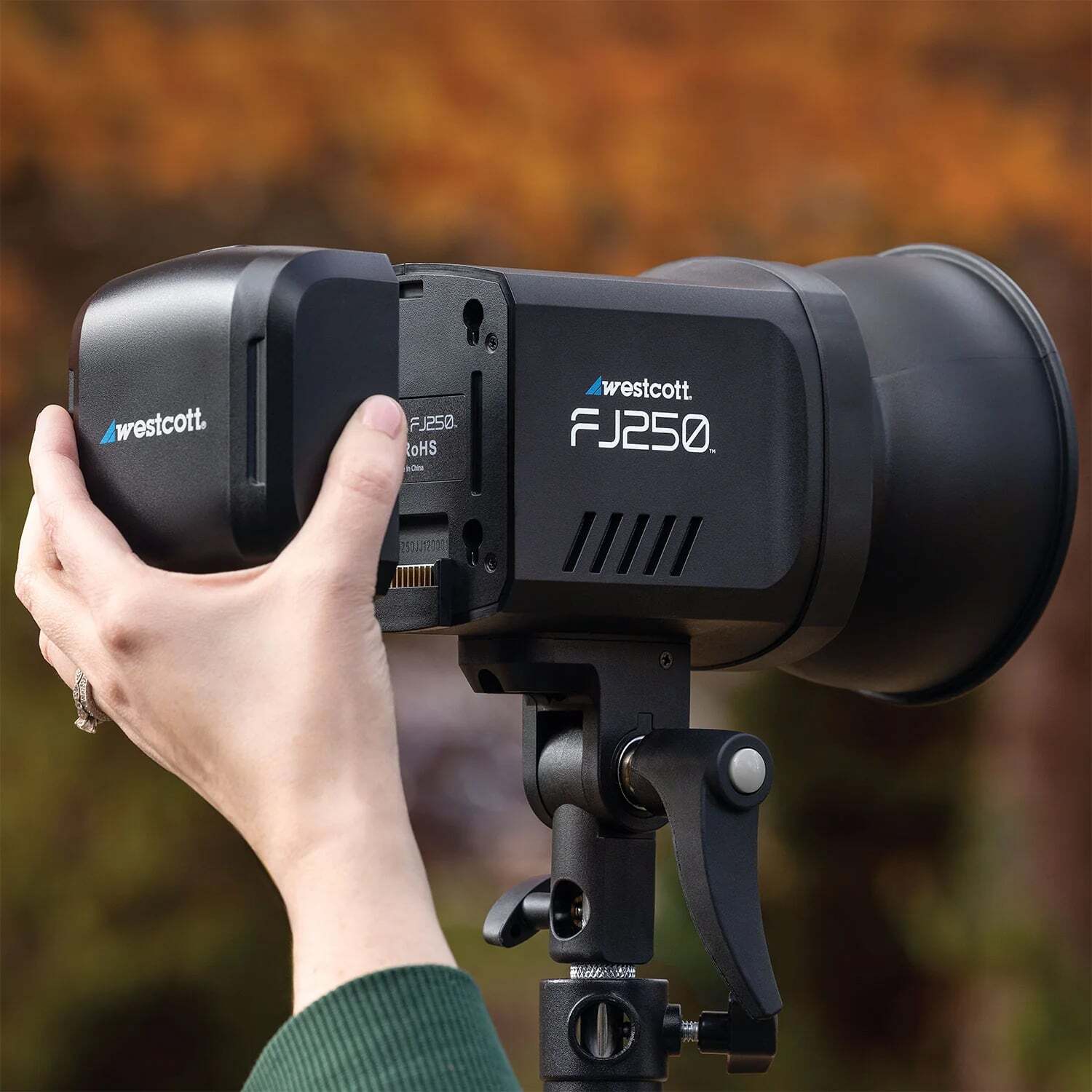
Wireless control is handled through Westcott’s 2.4GHz FJ system, with 31 channels and 16 groups and a working range of up to 100 meters. A new group indicator light helps show which group a strobe is assigned to, which can be useful when you are dealing with several lights at once. The FJ250 works with Westcott’s triggers, speedlights, and the StudioLink mobile app.
The strobe uses a standard Bowens S-type mount, so it can take most common modifiers without adapters. Westcott includes a magnetic 5.5-inch reflector and a gel set, and there is also an insert for mounting Rapid Box Switch softboxes. A built-in 12-watt bi-colour LED modeling light, adjustable from 2700K to 6500K, provides a way to preview lighting before firing the flash.
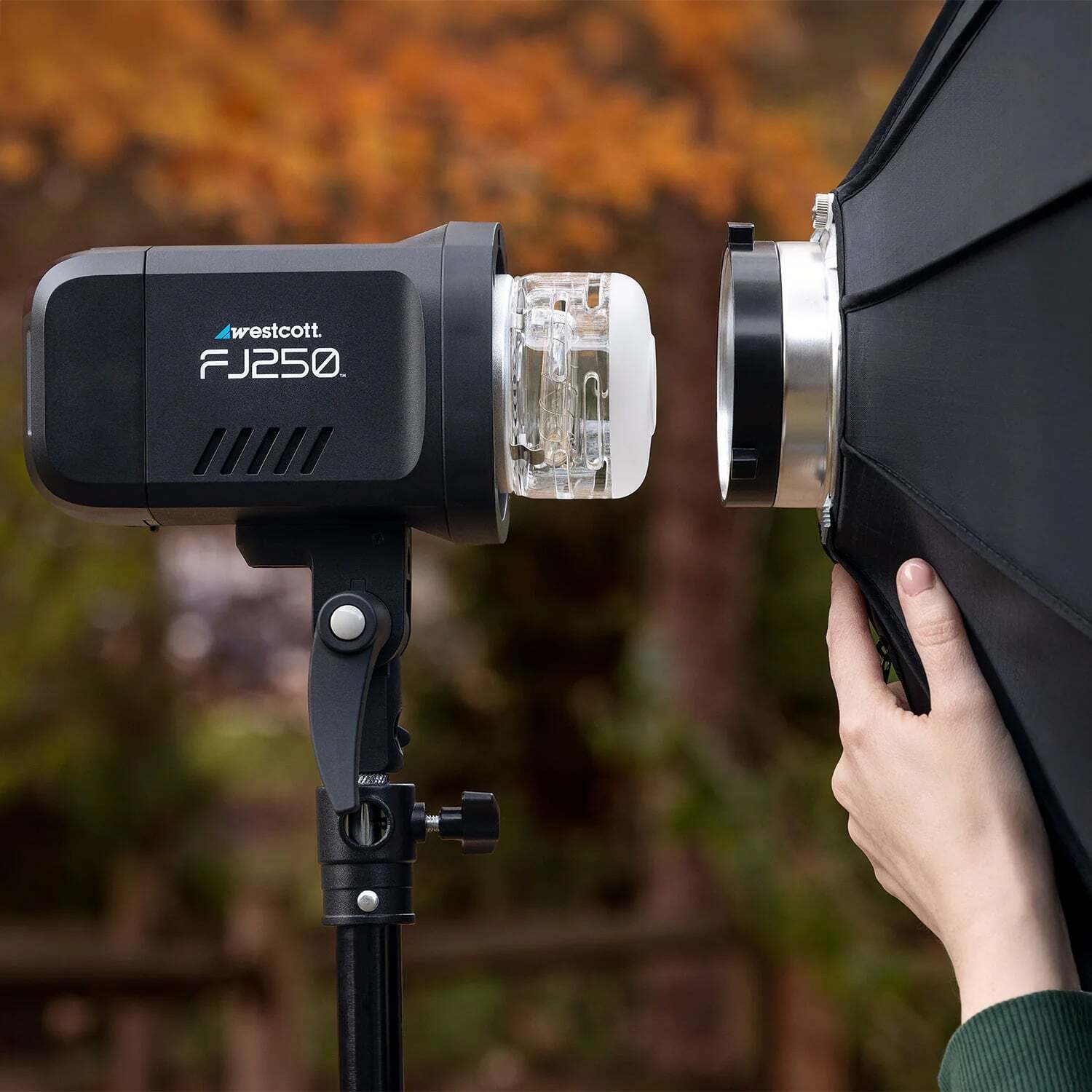
Power comes from a removable 29.6-volt, 74-watt-hour battery that charges in about 1.5 hours. It can also trickle-charge while plugged into AC for longer shoots. Firmware updates are handled through a USB-C port.
The Westcott FJ250 Touchscreen Strobe with the FJ Pro AC/DC battery is priced at $399.90. It is also sold in one- and two-light backpack kits, as well as in mixed kits with the FJ400 II.
Get your Photos featured in this Magazine for Free
I am currently testing a new feature, where everyone can get a completely free chance to be featured in my magazine and get seen by thousands of photographers.
Advertisement (Absolutely make sure to check it out) ⬇️
Your dream is ready. Are you?

What if you woke up tomorrow with all your expenses covered for an entire year? No rent. No bills. What would you dream up? What would you build?
Our Dare to Dream challenge answers these questions. We believe in Creators, in Entrepreneurs, in the people who bet on their own ideas and their will to make them real.
That’s why we’re awarding $100,000 to one person who shows up as their authentic self and tells us how their dream can make a real difference in their communities.
We’ve got five runner-up prizes each worth $10,000, too. So get out your phone, hit record, and dream the dream only you can dream up.
Today is your day.
NO PURCHASE NECESSARY. VOID WHERE PROHIBITED. For full Official Rules, visit daretodream.stan.store/officialrules.
Photography Tip of the Week


The weekly photography tip is only accessible to Premium Subscribers of The Magazine For Photographers.
Photo Analysis
Welcome to the part of the Magazine Issue where we take a closer look at a photo and analyse it so that you can learn and better your own photography from it ;)
Photo by: @beansmeanshiorns
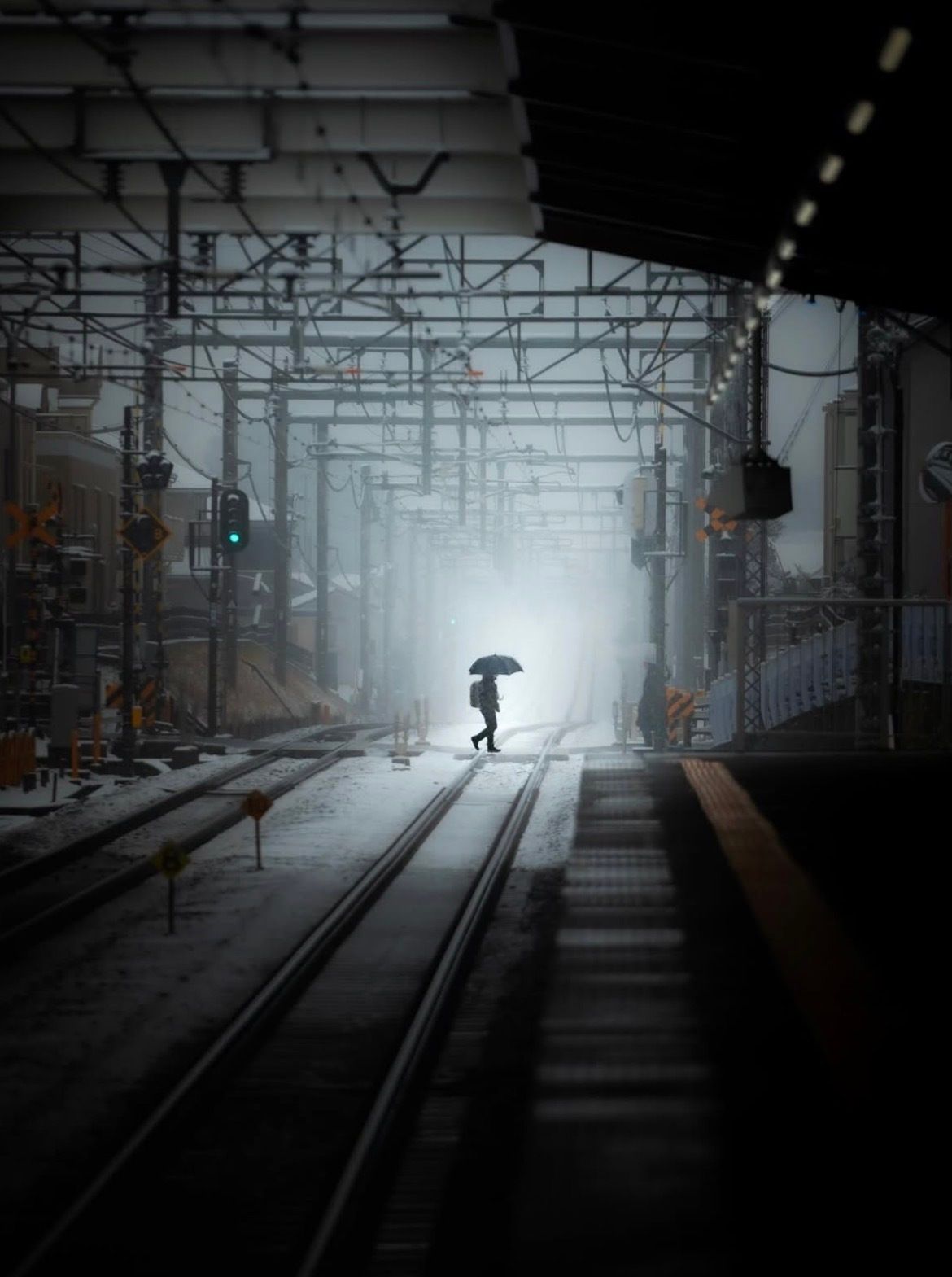
Let’s Analyse this Image:
Composition & Framing
What works well:
Leading lines here are definitely strong. The train tracks are the main ones, but the platform edges and overall station structure also pull your eye straight toward our subject.
The repeating shapes and lines, especially overhead to the left, add a lot of visual rhythm and complexity, making the photo feel rich, layered and overall just visually more appealing (there is just more to look at and explore).
The whole architecture of the station creates a natural tunnel effect that frames the person and guides you right into the centre.
The white snow behind our subject gives incredible subject separation (+ the person is also dressed in all black with a black umbrella so that helps even more)
What could be better:
It might have been interesting if the photographer had waited like half a second longer so the person was perfectly centred between the rails. That said, the mid-step position actually gives a better/more interesting silhouette + separation and just more visual energy, so it would have been a bit of a trade-off.
A slightly lower shooting position could have exaggerated the leading lines even more, but of course since this is a train station, please always be careful and mind your surroundings (don’t risk your life just to get a slightly better shot)!
Light & Atmosphere
What works well:
As mentioned before, the bright white snow in the background is doing an amazing job here, acting almost like a natural light source, making the dark silhouette of the person and the umbrella pop really clearly.
The slightly foggy, cold looking air mixed with the snow gives the whole scene a really quiet, winter mood. It feels calm, isolated, and a little surreal.
The contrast between the cold blue-grey environment, some yellows and browns, and the white snow creates a strong atmospheric separation.
What could be better:
The shadows around the edges are quite heavy. They do create a (probably intended) vignette, but with such a strong white snow patch in the middle, that extra darkness isn’t really needed. So, lifting the shadows a bit would let us explore more of the station without hurting the mood (and the spotlight effect of the snow area).
Some of the fog and glow is so intense that it flattens parts of the background slightly, but it really is not that tragic.
Emotion & Story
What works well:
The lone person with the umbrella + the snowy and empty station instantly suggests isolation and a quiet, maybe even personal moment.
The silhouette makes the scene feel anonymous (can have positives and negatives, more follows), which lets the viewer project themselves into it.
What could be better:
Because the person is silhouetted and far away, we obviously do not get to connect with them emotionally on a deeper level → We can’t read their face or clothing clearly, so the story stays very open and abstract. The only thing I guess we can see is that they are carrying an umbrella (obviously) and also a backpack meaning this might be a person going to or from work (the time of day seems to be somewhere in the middle of the day though, since in winter it is dark in the morning and early at night -> so would guess going to the office at like 10 am in the morning, that would also explain the lack of people at the station → most of them are already at work))
Colour & Tone
What works well:
The mix of cold blues and greys with the bright white snow feels very natural for a winter scene.
Small hints of warmer tones in the station and outside (especially to the left) add just enough contrast to keep the photo from feeling flat/cold.
The overall colour grading feels restrained and pretty realistic.
What could be better:
Again, some areas lean very dark, which hides colour and tonal variation.
The strong white glow can overpower subtle colour transitions in the background.
Slightly lifting the mid-tones could bring more richness to the scene.
Balance
The bright snow area in the centre balances the dark edges really well and anchors the whole shot.
The tunnel-like framing keeps everything focused on the person even though there are so many potential distractions/complex things to look.
I personally think that with slightly lighter shadows, the balance between centre and edges would feel more open and refined.
Explore The World’s Best Photography Locations
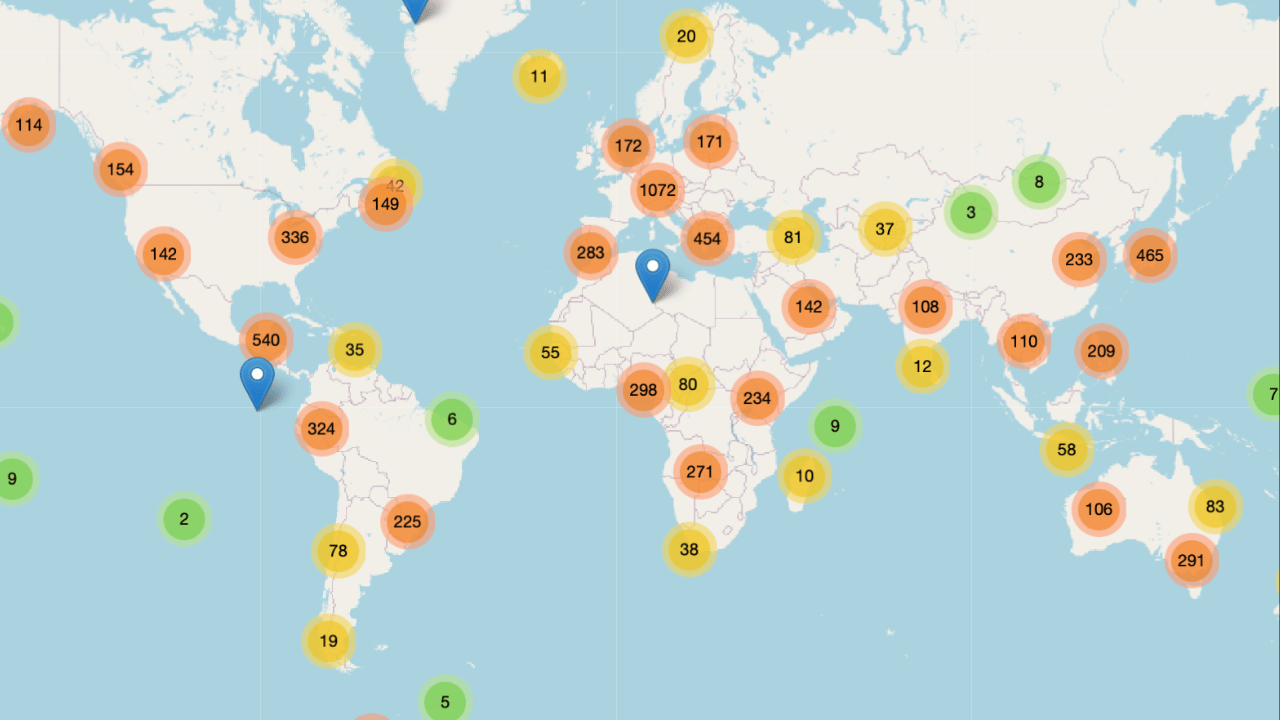
Get access to the world’s best photography location map - explore tens of thousands of amazing photo spots across the globe!
Photographer of the Week
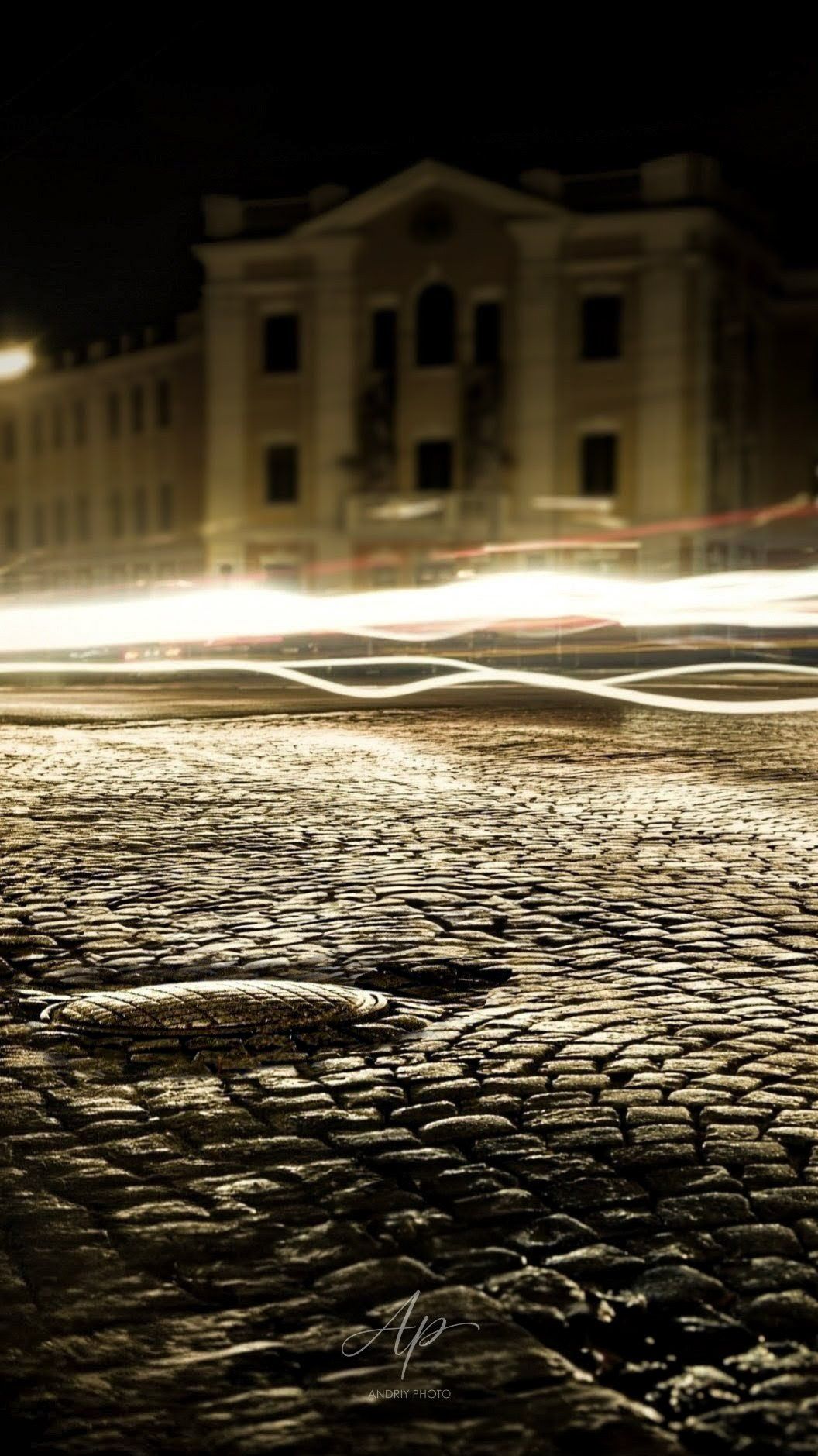
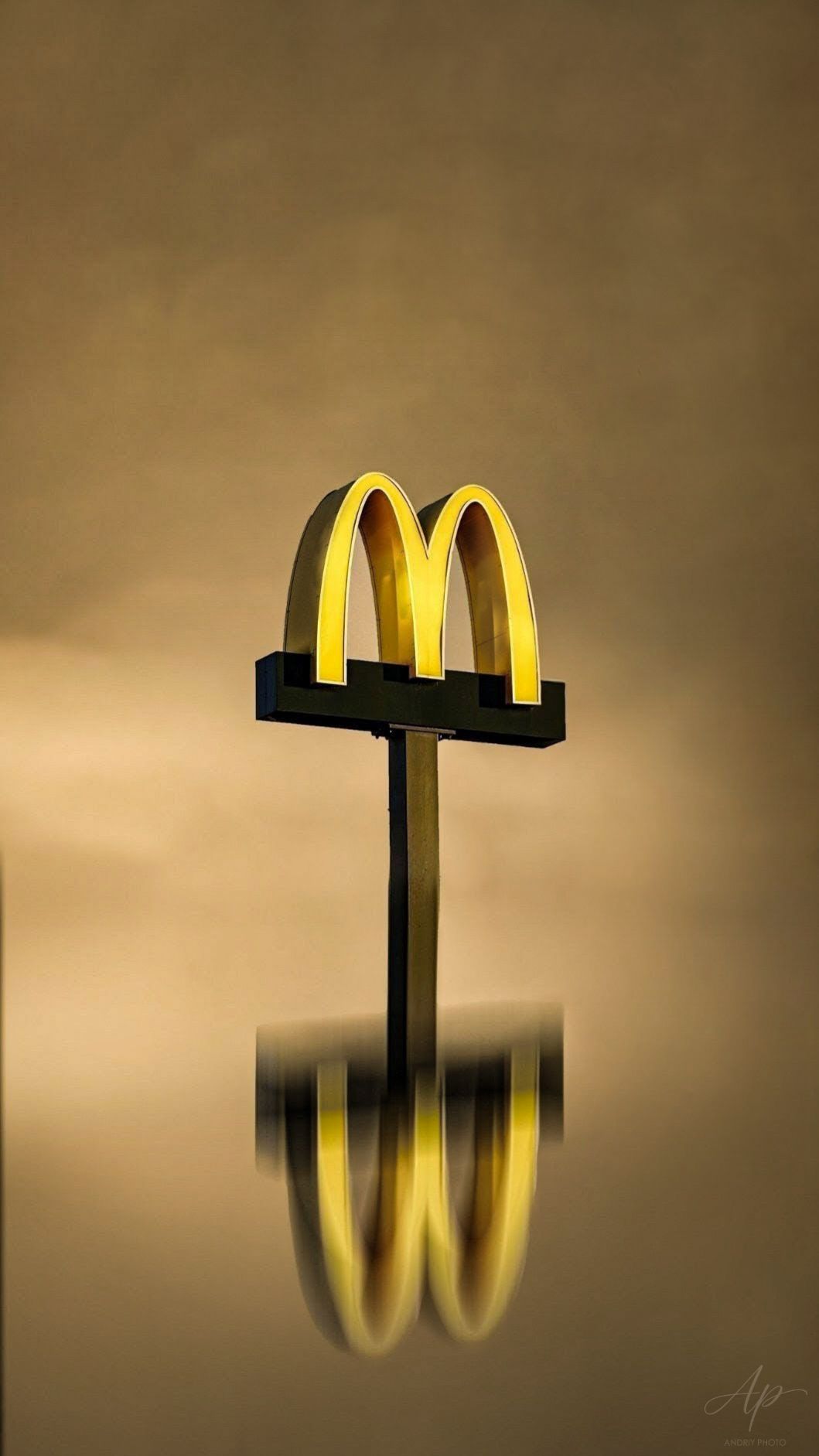
Photographer of the week goes to: Andriy Photo
You can find him on Instagram as: @a.p_frames
A few photos of his:

The Rest of this Issue is for Premium Subscribers
