📸 The Magazine For Photographers - Bite Size
Read the Latest Photography News and Updates in the Creative Industry in 3-4 minutes or less ;)
In partnership with


Important note: All photography articles are NOT sponsored
The Latest News:
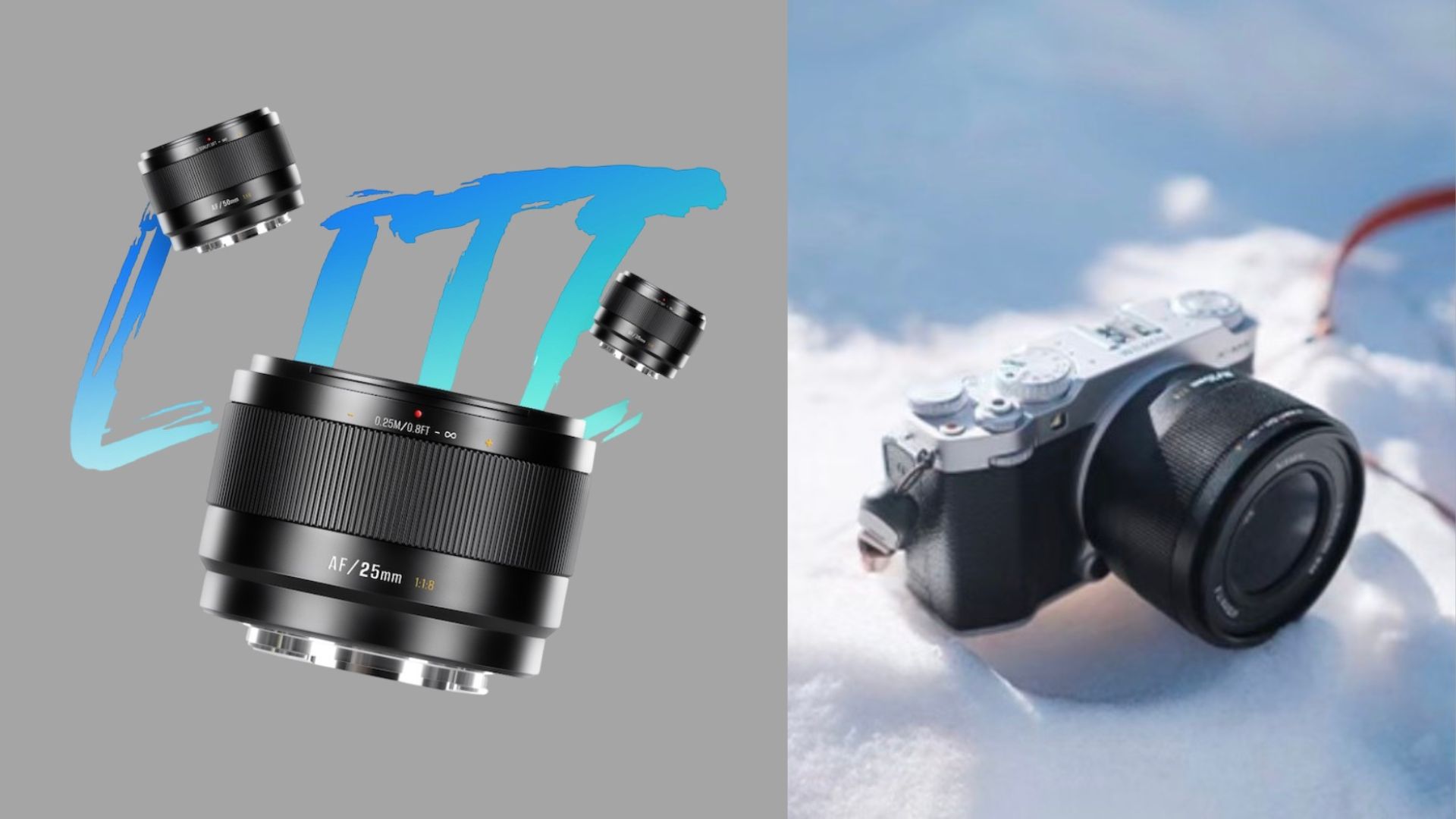
7Artisans’ Upcoming LITE Lens Series
credits: 7Artisans
Some extra details have surfaced around 7Artisans’ upcoming LITE autofocus lens lineup, which includes three APS-C primes, 25mm f/1.8, 35mm f/1.8, and 50mm f/1.8, all designed for Sony E and Fujifilm X mounts. As the name suggests, compact size and low weight seem to be the main focus. All three lenses share a very similar physical design, measuring around 67mm in diameter and 51mm in length, and weighing between 178 and 183 grams depending on the focal length.
Optically, the designs stay fairly straightforward. The 25mm uses 8 elements in 5 groups, the 35mm goes with 7 elements in 6 groups, and the 50mm has 6 elements in 5 groups. 7Artisans mentions the use of high-refractive-index glass to help keep aberrations in check without making the lenses bigger or heavier. All three share a 9-blade aperture, an f/1.8 to f/16 range, and the APS-C-only coverage. Close-focus distances scale with focal length, 0.25m for the 25mm, 0.35m for the 35mm, and 0.55m for the 50mm.
Autofocus is built in, with manual focus available as well, and there is a USB-C port on each lens for firmware updates. They also keep things consistent with 58mm filter threads and metal barrels across the lineup. Field of view ranges from 58.3° on the 25mm down to 31.4° on the 50mm. Pricing has not yet been announced.
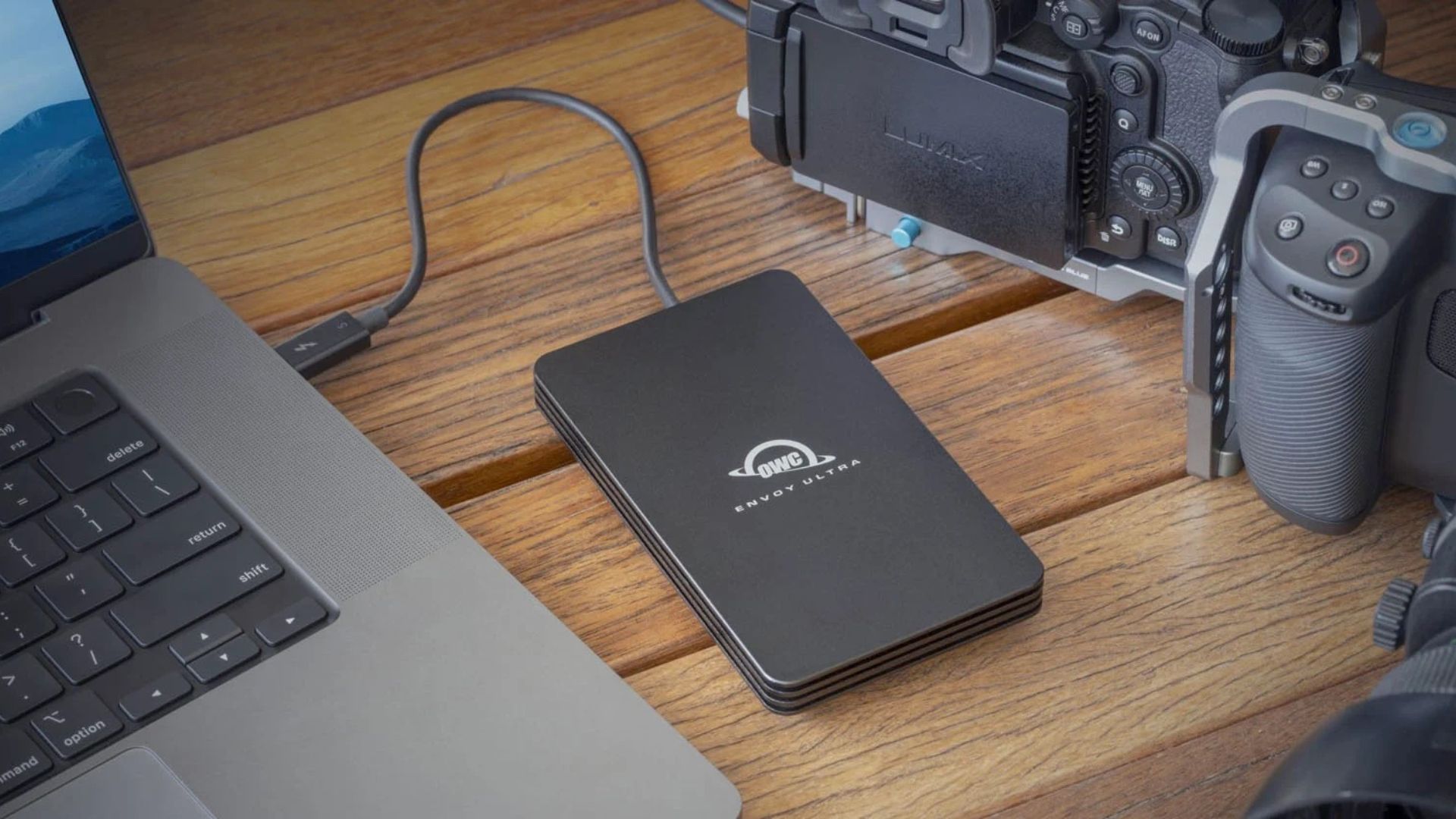
OWC’s New 8TB Thunderbolt 5 Portable SSD
credits: OWC
Other World Computing has added an 8TB option to its Envoy Ultra Thunderbolt 5 SSD lineup, and the main point is that it remains fully bus-powered. OWC says this makes it the first Thunderbolt 5 external drive in the world to offer that much capacity without requiring an external power adapter.
In terms of design, the 8TB model is identical to the existing Envoy Ultra drives. It uses the same compact enclosure with integrated heatsinking, rubber feet, and a permanently attached Thunderbolt 5 cable. That fixed cable limits flexibility of course, but helps with durability and contributes to the drive’s IP67 rating. Performance expectations are also unchanged, with OWC quoting read and write speeds above 6,000 MB/s. Independent testing hasn’t always reached those figures exactly, but the Envoy Ultra series has shown strong sustained performance and stable thermal behaviour during long transfers.
The main difference here, OWC says, is capacity. Moving to 8TB allows a single portable drive to hold large photo libraries, multi-camera video projects, or full backups without splitting data across multiple SSDs. Pricing for the 2TB model starts at $449.99, the 4TB version is $699.99, and the new 8TB drive is listed at $1,699.99.
Download The World’s Best Lightroom Presets

Something You Have To Check Out

Join over 4 million Americans who start their day with 1440 – your daily digest for unbiased, fact-centric news. From politics to sports, we cover it all by analyzing over 100 sources. Our concise, 5-minute read lands in your inbox each morning at no cost. Experience news without the noise; let 1440 help you make up your own mind. Sign up now and invite your friends and family to be part of the informed.
Weekly Photo Technique Exploration
Welcome to a new section of the magazine where every week we will explore a new photography technique from across various photography genres.
This week’s technique: The Rule Of Space


The Rule of Space
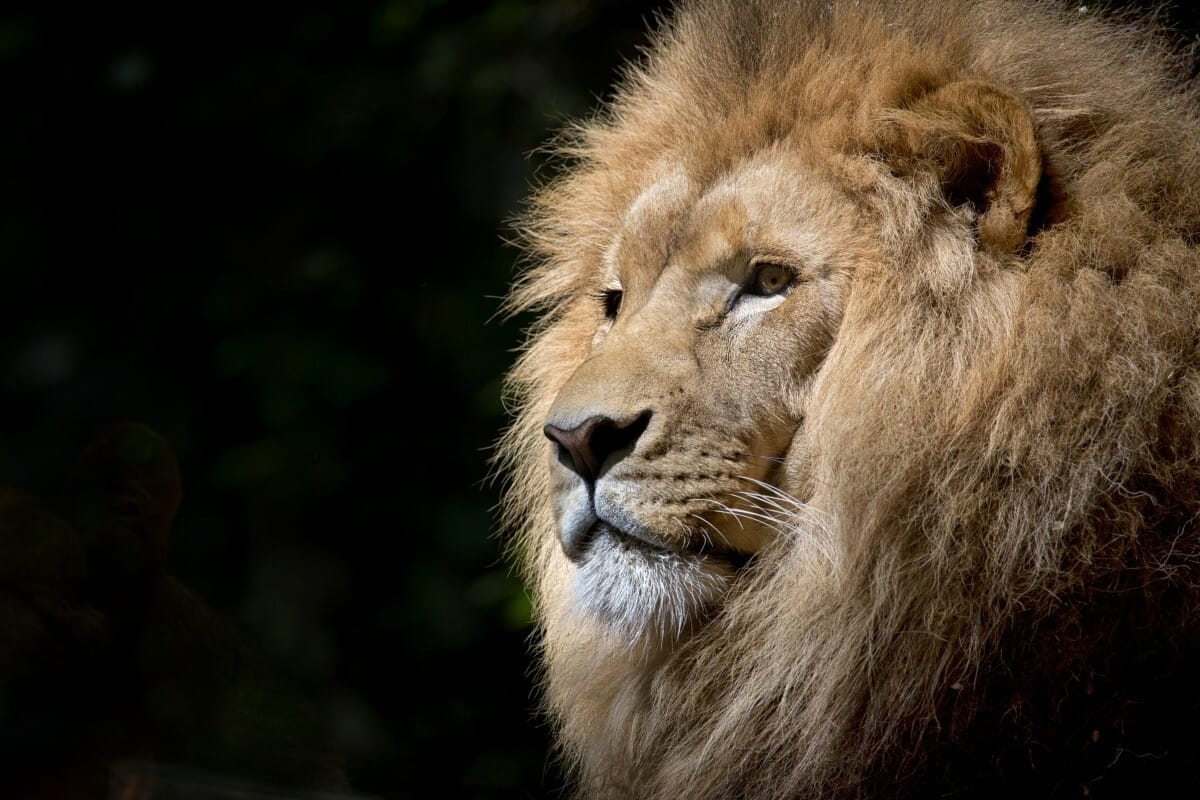
The Rule of Space is actually pretty simple, it is about giving your subject room to exist and move inside your frame. Instead of centring everything or cramming your subject against the edge, you intentionally leave empty space in the direction they are facing, moving, or looking.
What the Rule of Space Means Precisely
In practical/completely basis terms, the rule says this:
If your subject is looking somewhere → leave space in that direction
If your subject is moving → leave space in front of them
If your subject feels dynamic or directional (or is supposed to be dynamic) → do not box them in
The space becomes part of the composition. It suggests what is about to happen, where the subject is going (where they came from also), or what they are reacting to.
Why It Works, Psychologically Speaking
Our eyes naturally want to follow direction. When a subject looks or moves toward the edge of the frame and there simply is no space left, it feels like they are about to hit a wall.
Giving space makes the photo feel calmer, adds tension or anticipation, overall feels more natural to the viewer. It is subtle, but your brain notices immediately (for most of us unconsciously).
How to Use the Rule of Space While Shooting
You really do not need to overthink this. Just start asking one question before you press the shutter → “Where is my subject going?” → Then compose accordingly.
How Much Space Is Enough?
There is no exact measurement, but there are some rough guidelines:
60–70% of the frame in front of movement often feels natural
30–40% behind works as visual support
Fast subjects of course need more forward space
Slow or static subjects need less
And please remember that negative space does not have to be empty. It can be, sky, fog, blur, shadows, architecture etc. As long as it supports the subject, it counts.
Breaking the Rule On Purpose
Like with any rule in photography (or any other art-form for that matter), breaking it can be powerful, if you do it intentionally.
Crowding your subject can create tension, feels claustrophobic, or it can suggest danger, pressure, or urgency.
Just make sure it feels deliberate, not accidental.
The Rest of this Issue is for Premium Subscribers
