📸 The Magazine For Photographers - Bite Size
Read the Latest Photography News and Updates in the Creative Industry in 3-4 minutes or less ;)
In partnership with


Important note: All photography articles are NOT sponsored
The Latest News:
Brightin Star’s New 35mm f/1.4 Prime Lens
credits: Brightin Star
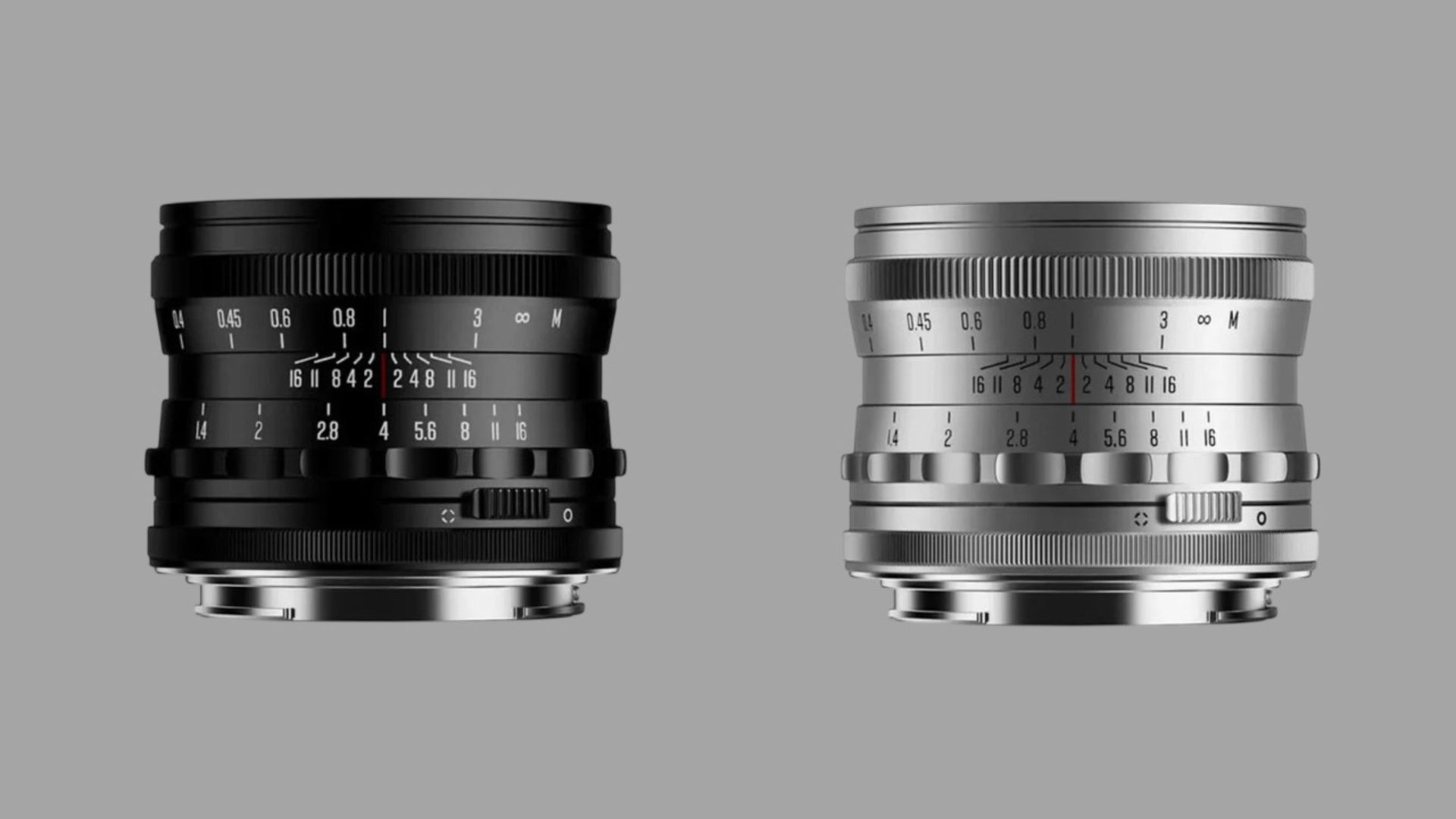
Brightin Star has added another manual-focus prime to its lineup with the release of the 35mm f/1.4 for full-frame mirrorless cameras. It is a pretty straightforward lens meant for photographers who prefer compact gear and mechanical controls over autofocus and electronics. The lens is available for Sony E, Canon RF, Nikon Z, L-mount systems and comes in black or silver.
Physically, the lens weighs 218 grams and measures about 42mm in length. The body is entirely metal, with engraved markings and a retro-inspired exterior. The focus ring is manually damped and designed for precise adjustments, while the aperture ring can be switched between clicked and step-less operation, making the lens usable for both stills and video. Additionally, it is equipped with a standard 49mm front lens filter thread.
On the optical side, the lens uses a seven-element, six-group design that includes one high-refractive element and one low-dispersion element. Brightin Star says this double-Gaussian-based layout is intended to deliver consistent sharpness across the frame while keeping distortion and aberrations under control, even at f/1.4. The lens is priced at $159.99 across all mounts.
You can see full details and sample shots on Brightin Star’s website here
The Latest Canon EOS R3 Mark II Rumours

credits: Canon
The Canon EOS R3 Mark II is starting to appear more consistently in the rumour cycle, with growing speculation that Canon could be preparing it for a pre-Olympics reveal. While there is still no official confirmation, the timing alone has caught people’s attention. Canon has a long history of aligning professional camera announcements with major sporting events, and the 2026 Winter Olympics in Milan would be a very logical moment to introduce or at least tease a new pro body.
What is interesting is how the R3 II is rumoured to fit into Canon’s lineup. Rather than acting as a direct successor to the EOS R1 or trying to replace it, the R3 II is expected to be more specialised. Current chatter points toward either a speed-focused camera built around a global shutter, or a higher-resolution stacked sensor model designed for demanding sports, wildlife, and agency work.
Beyond that, expectations include a newer processor with stronger AI capabilities, refinements to Eye Control AF, a more responsive electronic viewfinder, and expanded video options. If Canon does stick to an Olympic-adjacent announcement, pricing is expected to land below the R1 but definitely in professional territory, likely somewhere around the $6,500 to $7,000 range.
Download The World’s Best Lightroom Presets
Something You Have To Check Out
Are you a social media content creator? (a photographer, videographer etc.)
If so, you know how hard the fight against the Algorithm is (no matter on what platform you are)!
You create amazing content but nobody gets to see it. If there was only a way to stop fighting the Algorithm and avoid it entirely!
→ enter Beehiiv the ultimate platform that lets you connect with your audience without using any Algorithms at all.
Make sure to check them out ⬇️
A big 2026 starts now

Most people treat this stretch of the year as dead time. But builders like you know it’s actually prime time. And with beehiiv powering your content, world domination is truly in sight.
On beehiiv, you can launch your website in minutes with the AI Web Builder, publish a professional newsletter with ease, and even tap into huge earnings with the beehiiv Ad Network. It’s everything you need to create, grow, and monetize in one place.
In fact, we’re so hyped about what you’ll create, we’re giving you 30% off your first three months with code BIG30. So forget about taking a break. It’s time for a break-through.
Weekly Photo Technique Exploration
Welcome to a new section of the magazine where every week we will explore a new photography technique from across various photography genres.
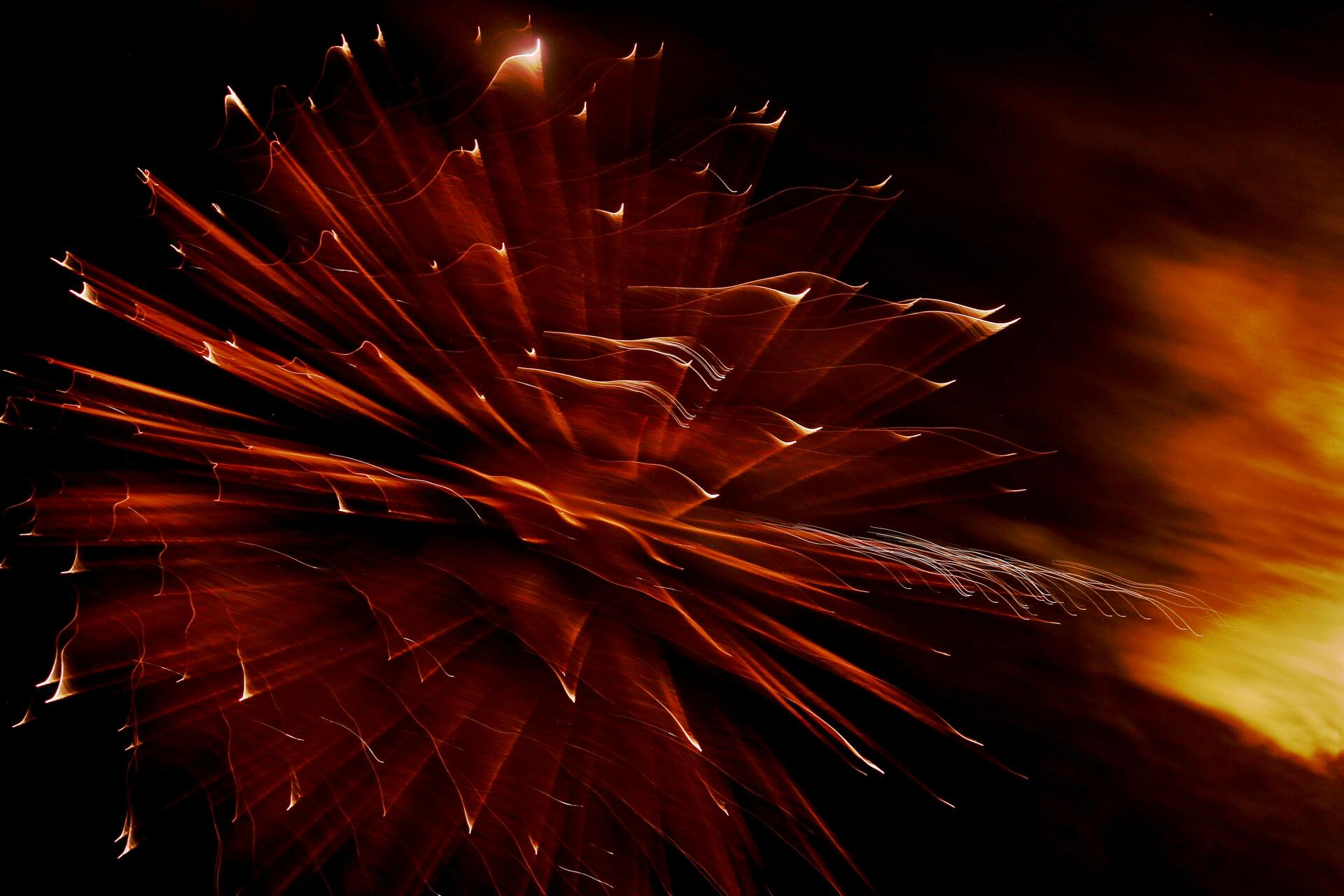
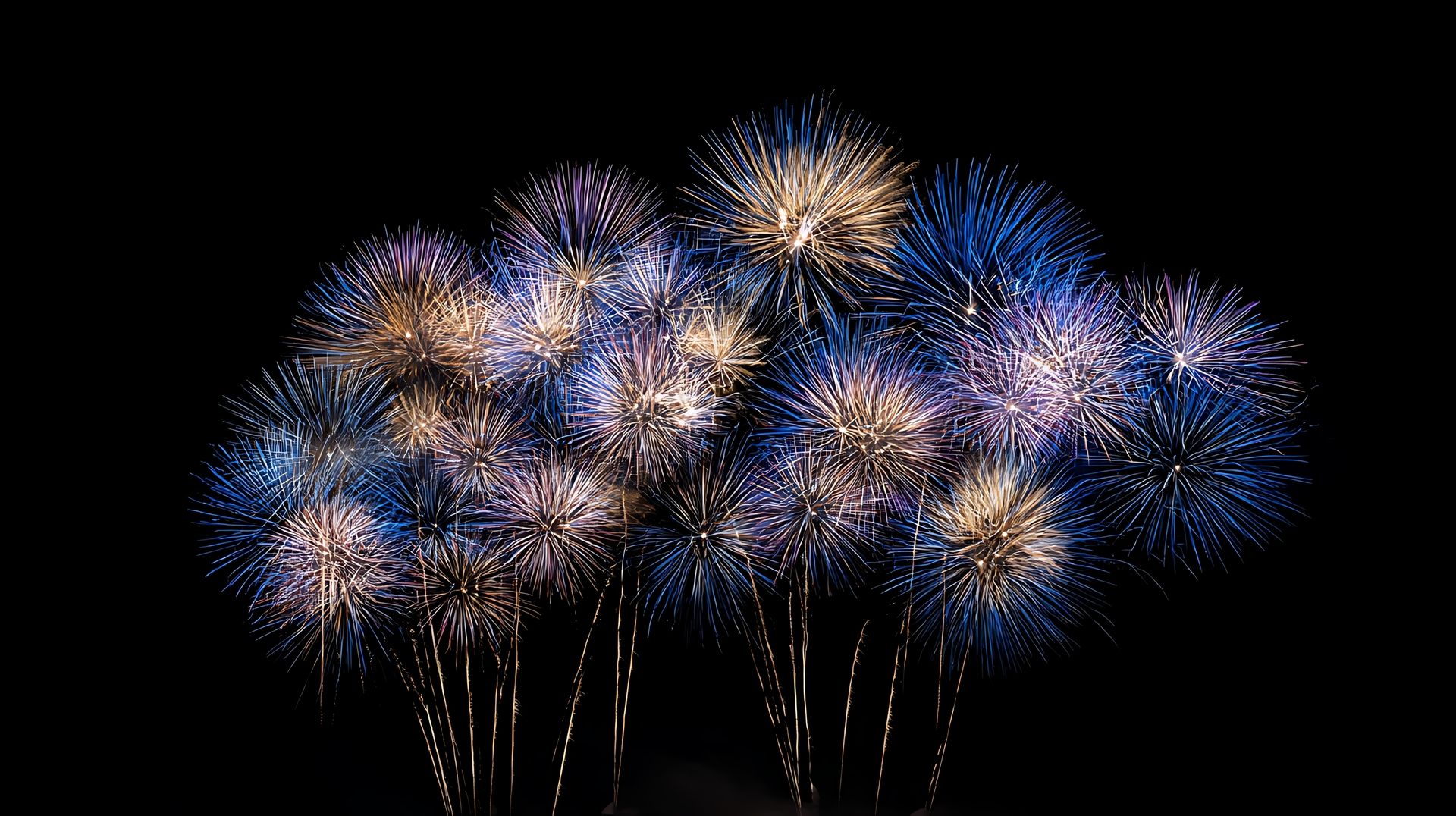
This week’s technique: Abstract Firework Photography
iluvzcereal/Reddit
Mariann Rixton
Gerhard welch
Natthaphon Sirisombatyuenyong
Abstract Firework Photography
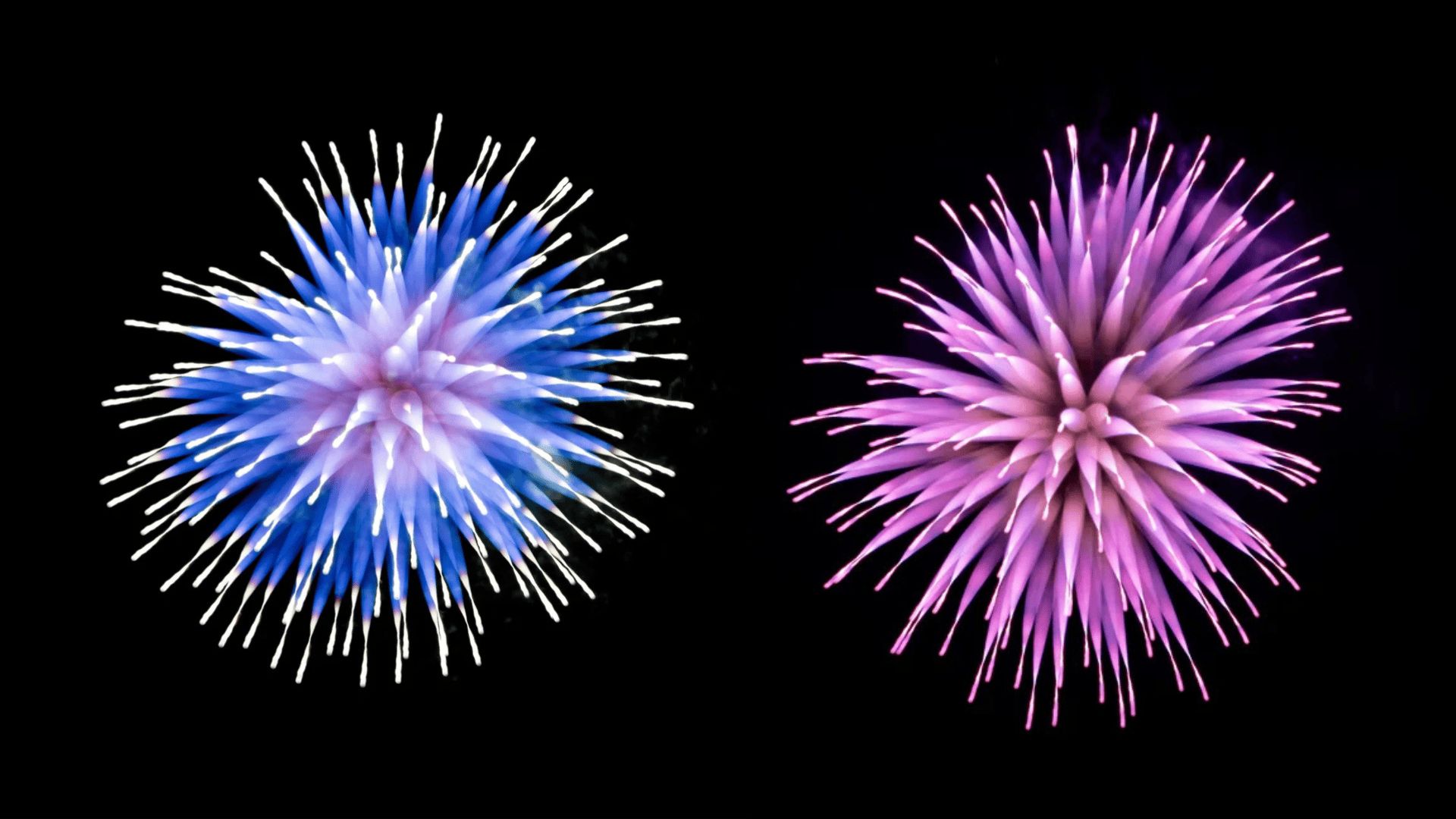
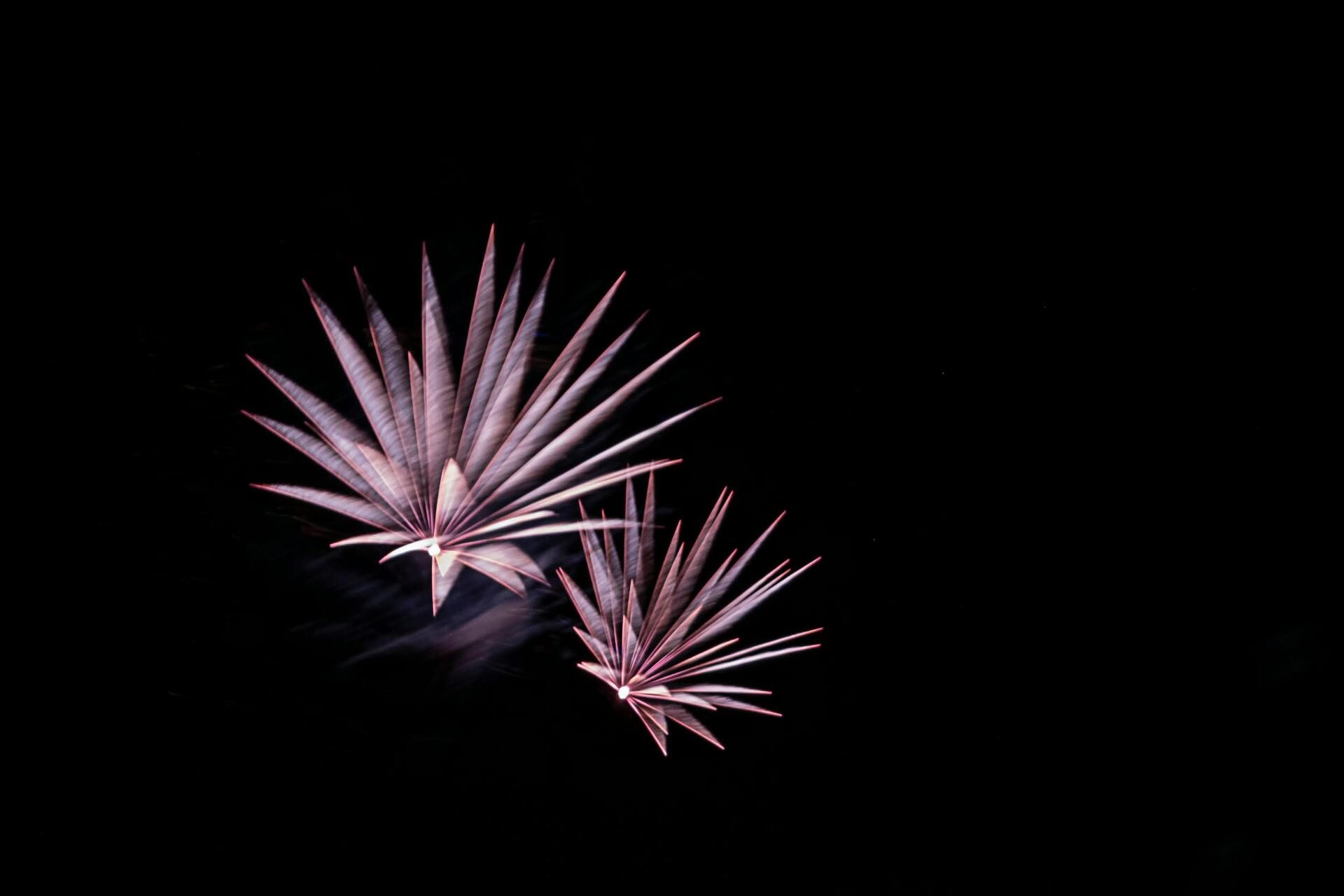
The new year is right around the corner, making this an optimal time to brush up on your firework photography skills. However this time, lets do something a bit different, lets focus more on ‘Abstract firework photography’, where you are not trying to show exactly what the fireworks looked like, you want to be using them as raw material to create shapes, textures, and motion that feel closer to painting than photography.
A Different Approach
Most people shoot fireworks trying to be precise → perfect timing, as sharp as possible, frozen motion etc. Abstract firework photography flips that completely. You want to embrace things like blur instead of sharpness, motion instead of precision, overlap instead of isolation, colour and rhythm instead of clarity.
Core Techniques That Make It Abstract
Defocusing on Purpose
This is a technique I already wrote about a few months ago. Instead of focusing at infinity you pull focus slightly (or a lot) out of focus (if you haven’t read my detailed guide, just google ‘‘defocused firework photography’’ and you will find great in depth explanations).
How to do it (a quick recap/introduction):
Switch your lens to manual focus
Start focused normally at infinity
Slowly turn the focus ring back toward closer focus
Watch the fireworks in live view as you do this
You will see a clear progression:
Slight defocus means → fireworks look soft but still readable
More defocus → the bursts turn into glowing discs
Heavy defocus → pure colour blobs and overlapping shapes
Also keep in mind that every lens behaves differently, so if you have multiple, test early in the night.
An advanced defocusing technique:
→ Pull focus during the exposure. So, you start sharper → slowly defocus; Or you start defocused → slowly bring it closer to sharp
This creates shots that feel like they are melting or morphing as the burst expands.
Long Exposures with Multiple Bursts
With this technique you let multiple fireworks happen inside the same exposure and then stack on top of each other.
How to do it:
You want to be using bulb mode or a fixed shutter between 2–5 seconds
Open the shutter just before a burst starts
Keep it open through multiple explosions
Close it once the frame feels “full enough”
A couple exposure control tips:
Use f/8–f/16 to avoid blowing out highlights
If things get too bright, stop down instead of shortening the exposure
What this will give you:
Overlapping shapes
Colour interactions between bursts
And most importantly, fireworks stop being individual events and become a collection of texture
Intentional Camera Movement (ICM)
Another technique I covered in the past (but that was quite a while ago + not specifically for fireworks). ICM works with fireworks, because they are already isolated points of light against a dark background, meaning they respond incredibly well to camera movement.
How to do it:
Use a shutter speed between 1–4 seconds
Start the exposure
Move the camera deliberately (in different motions) while the shutter is open
Different movements will give you different results:
Vertical movement → long streaks, looks like light rain or energy beams
Horizontal movement → smeared layers
Circular motion → spirals and vortex looking shapes
Diagonal movements → gives more aggressive, chaotic energy
You can also:
Move for the entire exposure
Move only at the start or end
Pause briefly and then move again
→ Each variation will change the results.
Zoom Blur
Here, instead of moving the camera, you are changing how the lens projects light while the shutter is open (So you are zooming in or out while the shutter is open).
How to do it:
Use a zoom lens (obviously)
Set a shutter speed around 1–3 seconds
Start the exposure
Smoothly zoom in or out during the shot
Zooming in, pulls everything toward the centre
Zooming out, pushes light outward
More advanced options:
Zoom only for part of the exposure, then hold still
Zoom one direction, pause, then zoom again
Combine zoom blur + slight camera movement for warped looking spirals
Zoom blur, in essence, turns fireworks into tunnels and ‘energy fields’. I would say it its one of the most visually aggressive techniques.
Editing Approach
Post-processing should support the abstraction, not clean it up.
Some things you definitely will want to do → Increase contrast slightly; deepen blacks to isolate colour; fine-tune saturation carefully; crop aggressively if needed; don’t over-sharpen
Black and white conversions can also be surprisingly powerful here.
Wishing you all a happy new year (soon) and have fun shooting abstract fireworks ;)
The Rest of this Issue is for Premium Subscribers
