📸 The Magazine For Photographers - Bite Size
Read the Latest Photography News and Updates in the Creative Industry in 3-4 minutes or less ;)
In partnership with


Important note: All photography articles are NOT sponsored
The Latest News:
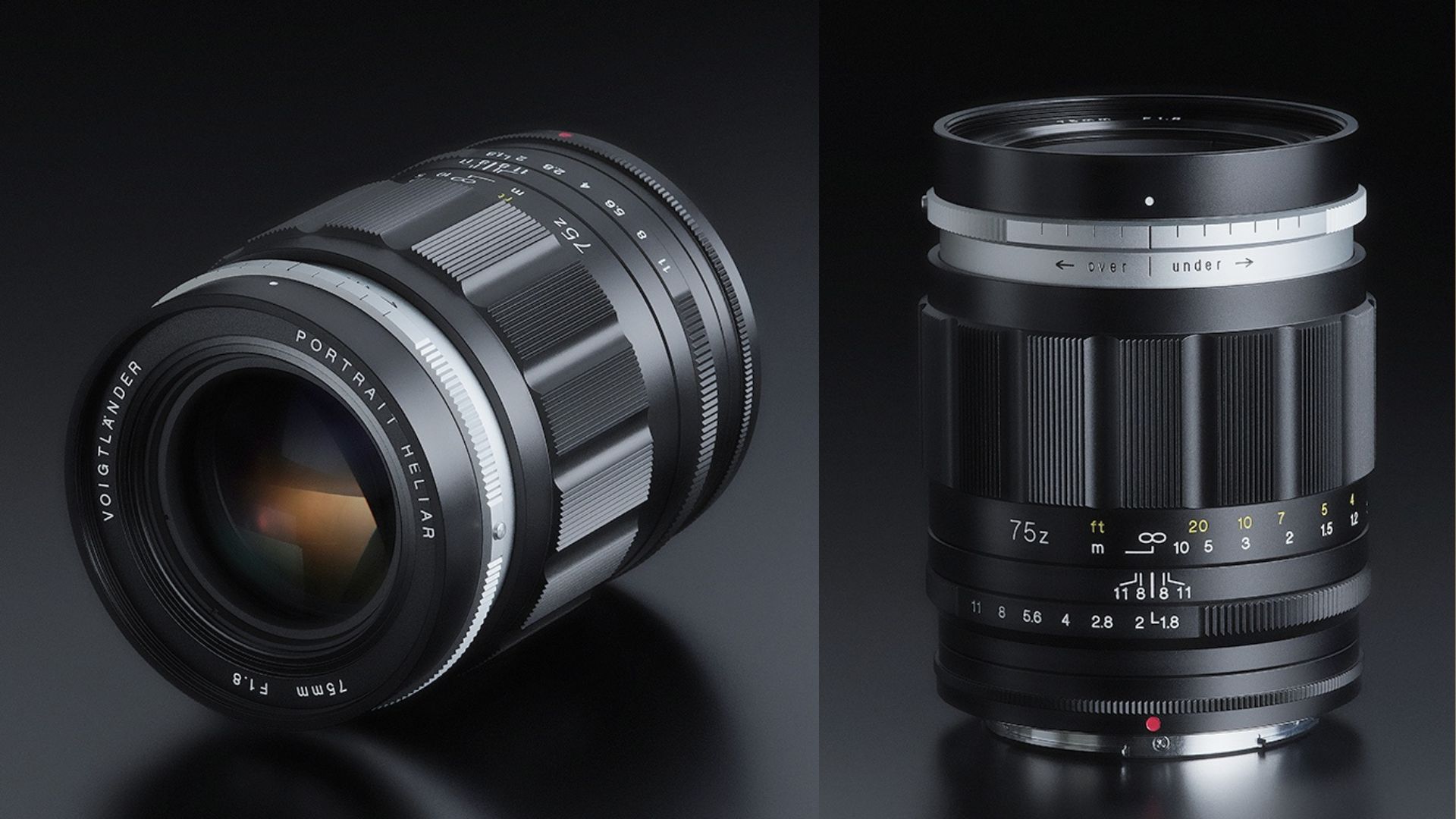
Cosina’s New 75mm f/1.8 Lens For Z And RF Mount
credits: Cosina
Cosina has announced the new Voigtländer Portrait Heliar 75mm f/1.8, coming to Nikon Z and Canon RF mounts. It is a full-frame lens with a 75mm focal length and an angle of view of roughly 33 degrees. Physically, the lens weighs 580 grams, measures 71mm in diameter and 90mm in length. It has an all-metal barrel and a standard 62mm filter thread up front. Minimum focusing distance is 0.7 meters, which is fairly typical for a lens in this class.
In terms of optics, the lens uses a relatively simple construction of six elements in three groups, but the standout feature is the spherical aberration control ring built into the barrel. This ring lets you actively adjust how spherical aberration is corrected. In practical terms, dialling it one way keeps the plane of focus clear while making background blur more bubbly, turning it the other way softens contrast and highlights, producing smoother, more diffused bokeh.
Although focusing is entirely manual, the lens does include electronic contacts for communication with the camera body. This enables EXIF data recording, support for in-body image stabilisation on compatible cameras, and access to focus aids like peaking, focus frame colour changes, and magnification. Pricing is at $699 with availability listed as ‘‘soon’’.
Nikon-Viltrox Lawsuit
credits: Nikon
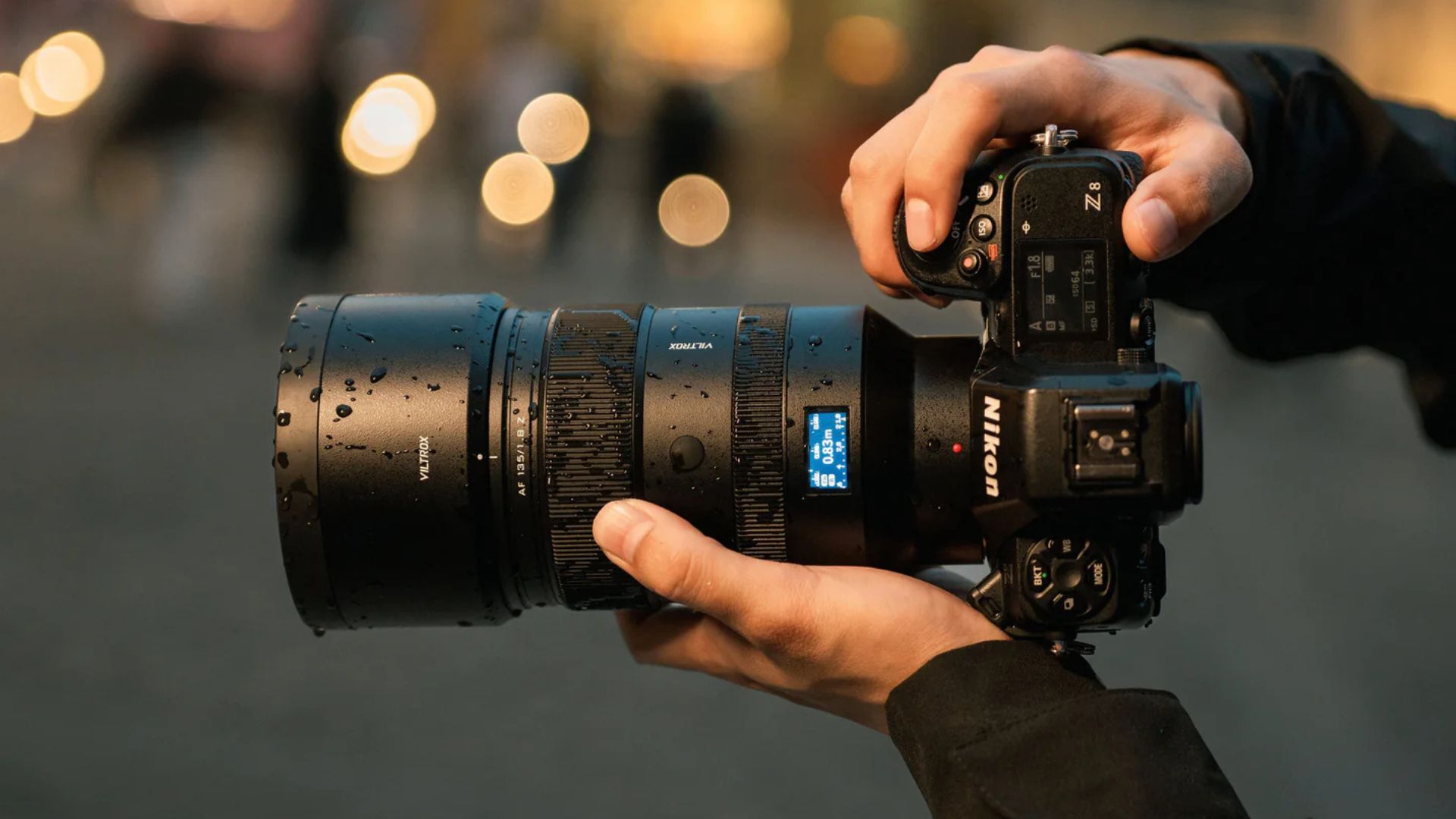
According to reports coming out of China, Nikon just filed a lawsuit against lens maker Viltrox, with the dispute focusing on patent licensing fees related to Nikon’s Z-mount technology. Multiple outlets claim the case has been accepted by the Shanghai Intellectual Property Court and reportedly names three defendants, Viltrox itself, its parent company, and a Shanghai-based distributor. A hearing is apparently scheduled for March 2, 2026, although neither Nikon nor Viltrox has publicly commented so far.
The story started circulating around January 17 and has since been picked up by multiple camera news sites, all pointing back to Chinese court and business databases such as Qichacha and Tianyancha. Accessing those databases from outside China is not straightforward, which makes independent verification difficult, so for now the details are based entirely on secondary reporting.
Based on what is being said, the issue seems to centre on Viltrox’s planned Z-mount teleconverter. In 2025, Viltrox published a patent for a 2× teleconverter that would be the first third-party option for Nikon’s mirrorless system, although so far it has only been released for Sony E-mount. Comparisons to Canon’s 2022 action against Viltrox are inevitable, but there is an important difference here, Nikon is reportedly pursuing licensing fees rather than demanding an immediate stop to sales. For photographers already using Viltrox Z-mount lenses, there is no reason to worry at this point, as the reports suggest the dispute is limited to the teleconverter and not existing lenses.
Download The World’s Best Lightroom Presets

Something You Have To Check Out

Join over 4 million Americans who start their day with 1440 – your daily digest for unbiased, fact-centric news. From politics to sports, we cover it all by analyzing over 100 sources. Our concise, 5-minute read lands in your inbox each morning at no cost. Experience news without the noise; let 1440 help you make up your own mind. Sign up now and invite your friends and family to be part of the informed.
Weekly Photo Technique Exploration
Welcome to a new section of the magazine where every week we will explore a new photography technique from across various photography genres.
This week’s technique: Soft Focus Photography

Skylum

Skylum

Skylum
Soft Focus Photography
Soft focus is when you intentionally reduce sharpness (just a little) to get a gentle, glowing image. It smooths out textures (especially skin), reduces contrast, and gives your photo a kind of, let’s say ‘ethereal’ look. It is often used in portraits, dreamy landscapes, artistic/fine art work, vintage-style shots or even editorial fashion photography
It is not the same as being out of focus. Good soft focus still has structure in it. You can usually tell what you are looking at, it just feels calmer, more organic, and a little bit, well like a dream.
The Different Ways to Create Soft Focus
There are quite a few ways to do it. Let us take a look at some:
1. Shoot Wide Open
Probably the most simple way to introduce softness is to use your lens near its widest aperture.
For this you want to:
Use a fast lens (f/1.2–f/2)
Focus carefully on the main subject
Let depth of field fall off naturally
Wide apertures often introduce, slight optical softness, low in highlights, gentle edge blur etc. → Older lenses (vintage glass) are especially good at this.
2. Use Diffusion Filters
Soft focus filters are designed specifically for this (but you obviously have to reach in your $ pocket a bit).
Some popular options are → Black Pro-Mist, White Pro-Mist, Soft FX filters.
What diffusion filters do:
Bloom highlights, lower micro-contrast, create the look but still keep the photo readable.
3. Put Vaseline on the Camera Lens
This is the classic DIY method. It is cheap, effective, and delivers surprisingly good results when you do it carefully.
So, here is how to do it:
Make sure to always use a clear protective filter on your lens
Apply a very thin layer of Vaseline around the edges only (you can always add more later)
Leave the centre of the filter clean so the subject stays sharp
This naturally diffuses light and creates the soft glowing look while keeping the centre relatively sharp. The more Vaseline you apply, the stronger the effect of course, but subtlety works best in my opinion.
4. Use the Stocking Trick
Another creative, low-budget method is stretching sheer stocking material over the lens or a filter.
Here, you wan to use a thin, sheer stocking (not thick fabric), then stretch it over the front of the lens or filter and secure it gently with a rubber band
The fabric diffuses light while still letting detail through. You can ‘control’ the effect by:
‘Adjusting’ how tight the stocking is, simply doubling layers for stronger softness, or twisting it slightly for uneven diffusion (can be interesting and playful)
5. Create Soft Focus in Post-Processing
Soft focus can also be created or refined in editing.
Using software like Adobe Photoshop or Luminar Neo, you can:
Apply subtle Gaussian Blur
Duplicate your image layer
Apply Gaussian Blur to the top layer (start very low, usually 5–20 px depending on resolution)
Add a layer mask
Mask the blur off your main subject and important details (eyes, key textures, focal points etc.)
Let the blur live mostly in highlights, edges, and background areas
Soften specific areas while keeping the subject sharp
Lower clarity and texture selectively
Add glow to highlights
This, of course, works best when the base image already has soft light, post-processing should enhance the look, not completely fake it.
A Few Final Tips
Best lighting for soft focus is: window light, overcast daylight, golden hour
White balance: slightly warm enhances the mood directly
ISO: you will want to keep it low
The Rest of this Issue is for Premium Subscribers
