📸 The Magazine For Photographers - Bite Size
Read the Latest Photography News and Updates in the Creative Industry in about 3 minutes or less ;)
Sponsored by


All Photography Articles are NOT Sponsored!
The Latest News:
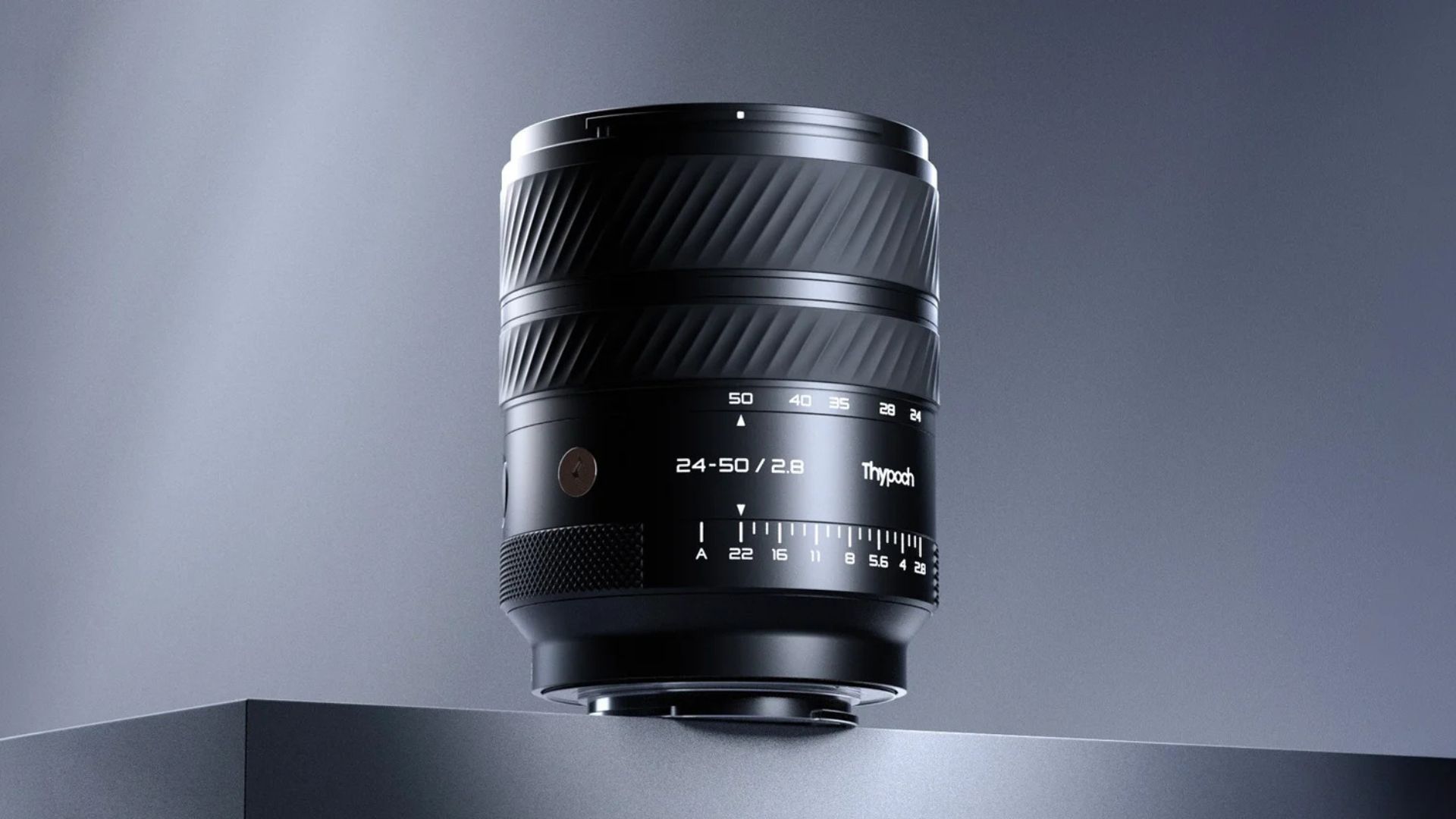
Thypoch’s New Voyager 24–50mm f/2.8 Lens
credits: Thypoch
Thypoch has officially entered the autofocus mirrorless market with the launch of the new Voyager 24–50mm f/2.8 for Sony E-mount cameras. The lens is being presented as the company’s first autofocus lens and, according to Thypoch, the first full-frame autofocus zoom developed by a Chinese optical brand. Instead of going after a large zoom range, the Voyager focuses on the three focal lengths photographers tend to use most in everyday situations: 24mm, 35mm, and 50mm.
The lens is built around an internal zoom design, meaning the barrel never extends while zooming. That keeps the balance more consistent, while also reducing some of the dust entry points you normally get with extending zooms. It also keeps a constant f/2.8 aperture throughout the entire zoom range, so exposure stays consistent while zooming. Optically, it uses a fairly complex 16-element, 13-group design with a mix of aspherical, extra-low dispersion, and high refractive index elements intended to help control distortion, chromatic aberration, and edge-to-edge sharpness. The lens also uses a 10-blade diaphragm, which should help produce smoother out-of-focus areas and more rounded highlights.
Since this is Thypoch’s first autofocus lens, a lot of attention is also going toward the AF system itself. The company says the autofocus motor is designed for quieter operation and continuous subject tracking, including support for Sony’s eye AF and AF-C systems. The lens focuses as close as 0.3 meters across the zoom range and offers a maximum magnification of 0.216x. Physically, the lens weighs 432 grams, measures 92.88mm long, and uses a 67mm filter thread. Weather sealing has also been added around areas like the mount and control rings. The Voyager 24–50mm f/2.8 is priced at $619.
You can see full details and sample shots on Thypoch’s website here
Snapseed 4.0 Is Here
credits: Snapseed
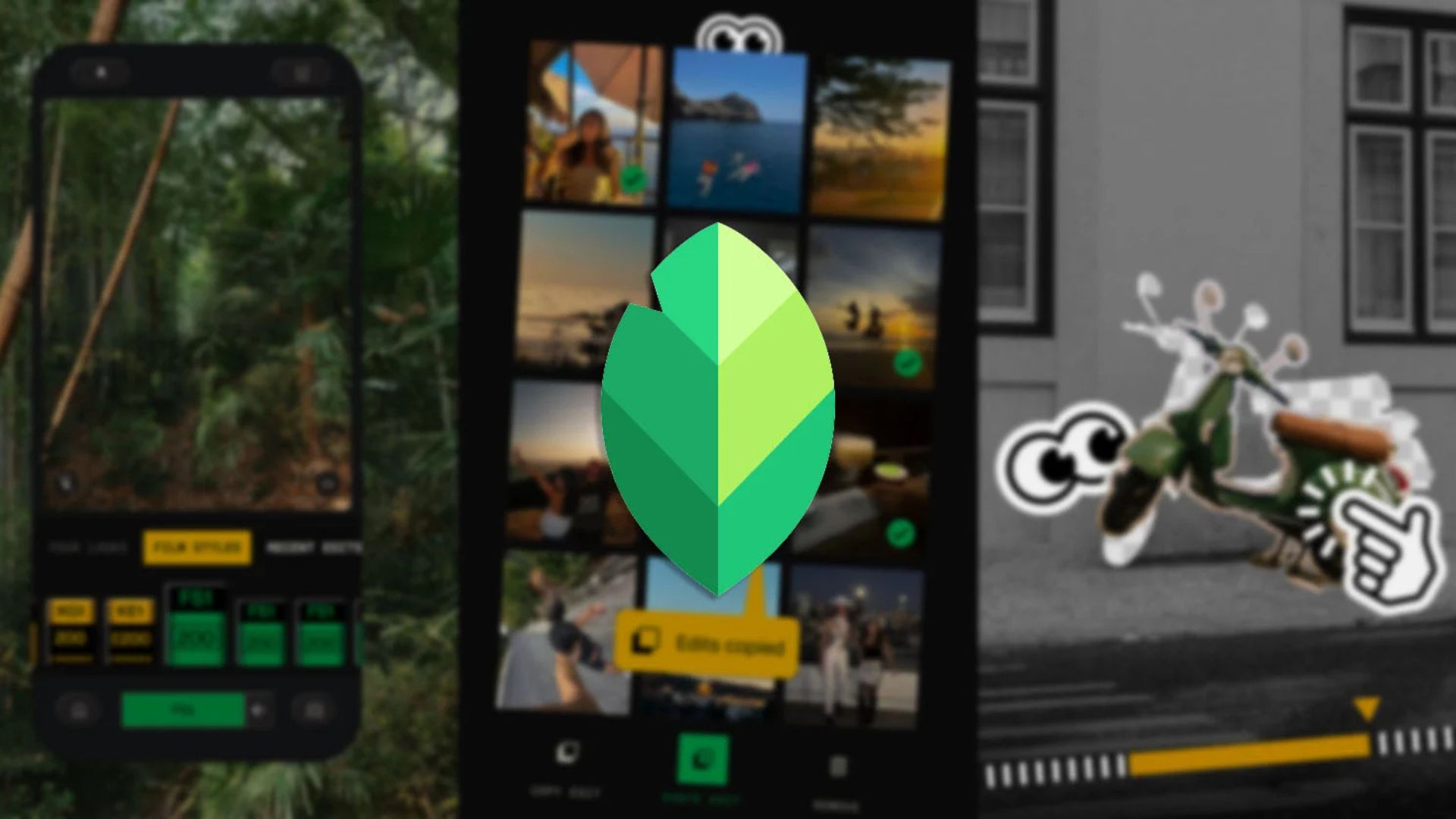
For a long time, a lot of mobile photographers assumed Snapseed had been abandoned. Before last year’s version 3.0 update on iOS, the app had not seen a major update since 2017, back when the iPhone X had just launched. Now, though, Google has followed that up much faster than expected with the release of Snapseed 4.0 for both iOS and Android, which is probably the strongest sign yet that the app is still actively being worked on.
Snapseed originally launched back in 2011 through Nik Software, the company best known for the Nik Collection desktop plugins before Google acquired it in 2012. After the acquisition, updates gradually slowed down, and many of Nik’s other products eventually disappeared altogether. That is why the arrival of both Snapseed 3.0 and now 4.0 has surprised quite a few people. One of the bigger changes this time is that Android users are finally getting the redesigned editing interface and film-inspired filters that had previously only made it to iOS. The app now includes a large set of analog-style looks inspired by classic film stocks from companies like Kodak, Fujifilm, and Polaroid.
Beyond the filters, Snapseed 4.0 keeps expanding the app’s editing tools. The app supports non-destructive editing, selective adjustments, healing tools, masking, batch editing, RAW editing support, and effects like halation, bloom, and dehaze. Google has also added the newer Snapseed Camera feature to Android, allowing you to preview edits and film-style filters in real time while shooting. According to the Snapseed team, version 4.0 was mainly focused on making the app easier to use while continuing to add more advanced tools. Like previous versions, the app is still completely free, with no subscriptions or in-app.
Access The Best Photography Weather Tracker

Get free and full access to my 'Photography Weather Tracking Software' - discover photography specific weather data and the best photo spots for golden/blue hour in your selected location!
Something You Have To Check Out
Protection for Birds, a Gift for You
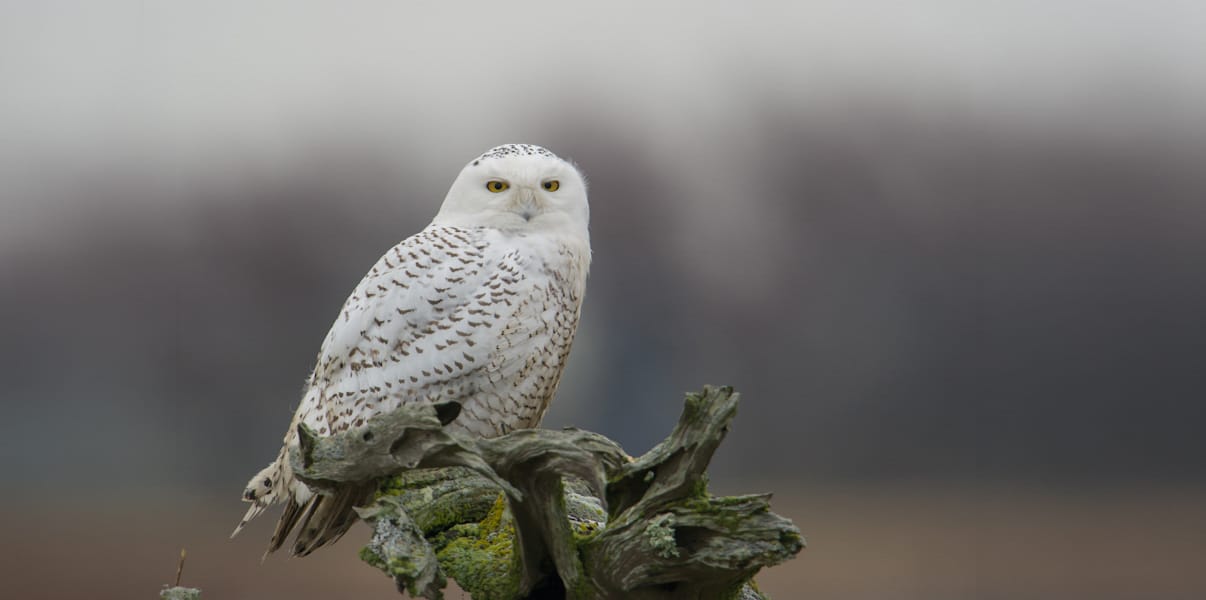
Snowy Owl. Photo: Grant Eldridge/Audubon Photography Awards
Since 1970, we have lost 3 billion birds in North America. Birds like the Snowy Owl are at increasing risk of extinction due to climate change. Birds are vital to healthy ecosystems - and their decline affects us all.
With over a century of conservation expertise, the National Audubon Society knows what it takes to protect the birds we love. And with your support today, we can.
Join us in protecting birds with a dependable, annual gift and we’ll send you our quarterly, award-winning magazine every year as our thanks.
Photographer Spotlight
Discover amazing photographers
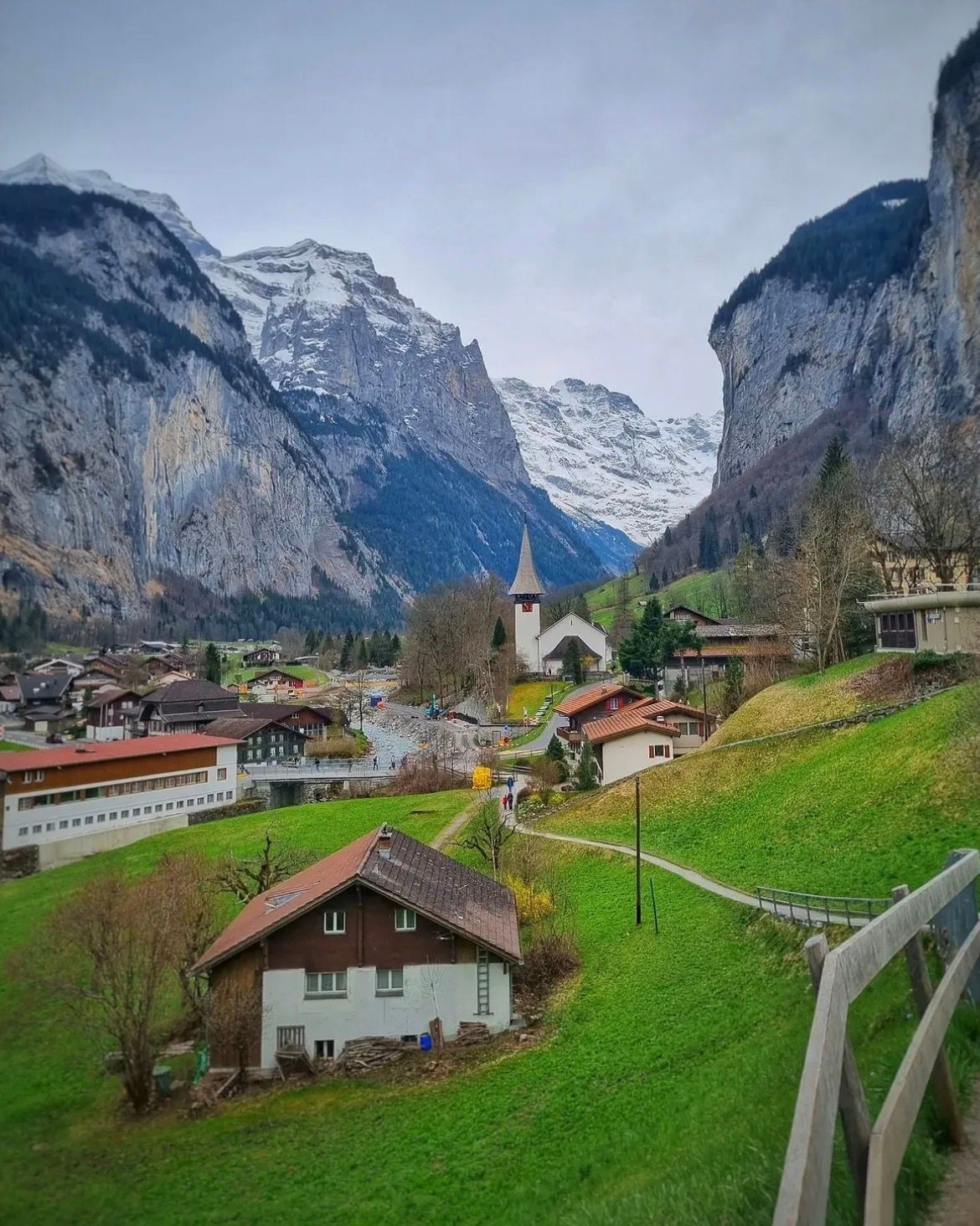
This time in the Spotlight: Naveen Venugopal
You can find him on Instagram as: @shuttermaniac
A few photos of his:

Also want your photos featured in the magazine? Become a member here!
*advertisement (please check it out to support the magazine, it only takes a second and truly helps a lot)
How Jennifer Aniston’s LolaVie brand grew sales 40% with CTV ads

The DTC beauty category is crowded. To break through, Jennifer Aniston’s brand LolaVie, worked with Roku Ads Manager to easily set up, test, and optimize CTV ad creatives. The campaign helped drive a big lift in sales and customer growth, helping LolaVie break through in the crowded beauty category.
The Rest of this Issue is for Premium Subscribers
