📸 The Magazine For Photographers - Bite Size
Read the Latest Photography News and Updates in the Creative Industry in 3-4 minutes or less ;)
In partnership with


Important note: All photography articles are NOT sponsored
The Latest News:
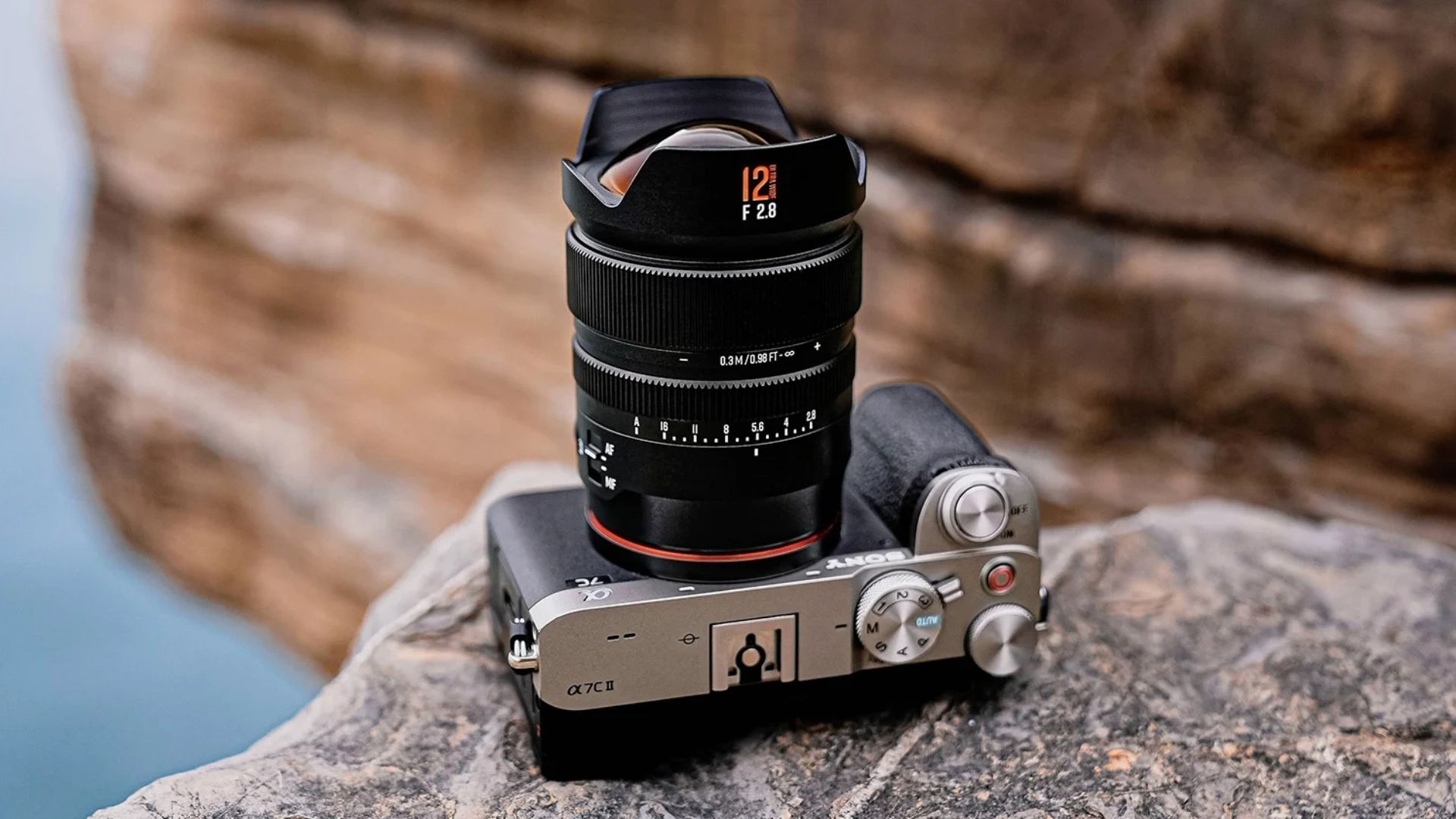
Brightin Star’s New 12mm f/2.8 Ultra-Wide
credits: Brightin Star
Brightin Star has introduced a new AF 12mm f/2.8 ultra-wide-angle lens for full-frame mirrorless cameras, built around a design that tries to balance field of view with more controlled distortion. At 12mm, the lens delivers a 122.5-degree angle of view, which sits in ultra-wide territory, but unlike many lenses at this focal length, it is not designed to produce a fisheye-style photo. Instead, the goal here is to keep straight lines more intact, which is generally more useful for things like architecture photography.
The optical construction is relatively complex, using 15 elements in 11 groups, including high refractive index elements, extra-low dispersion glass, and aspherical elements. That kind of setup is typically meant to reduce chromatic aberration and keep image quality more consistent across the frame, especially toward the edges where ultra-wide lenses tend to struggle. There is also a multi-layer coating applied to help manage flare and contrast when shooting in high-contrast scenes or into direct light.
Autofocus is handled by a stepping motor, which is usually chosen for smoother and quieter operation, particularly in video use. The lens also includes a minimum focusing distance of 0.3 meters, allowing for close-up wide-angle compositions where perspective distortion becomes more pronounced. Physically, it comes in at around 96.6mm in length and 499 grams. The Brightin Star AF 12mm f/2.8 will be available for Sony E and Nikon Z mounts, although pricing has not been shared.
Leica Partners With Gpixel

credits: Leica
Leica Camera AG and Gpixel, a leading global provider of CMOS image sensors, have announced a new strategic partnership. The two companies are working together to co-develop a new high-performance image sensor for next-generation Leica cameras.
That lines up with what Leica chairman Andreas Kaufmann mentioned late last year, when he hinted that the company was getting back into sensor development after relying more on off-the-shelf solutions in recent models. Rather than building everything in-house, Leica is taking a more practical approach by teaming up with Gpixel, which already develops sensors across a range of industries, including imaging. The goal is to create a custom sensor designed specifically for Leica, instead of adapting something that already exists.
There are no hard technical details yet, but both companies are pointing toward improvements in areas like dynamic range, colour reproduction, low-light performance, and overall image quality. Gpixel’s existing portfolio includes BSI sensors, stacked designs, and even full-frame global shutter sensors, so there are quite a few possible directions this could go. There is still no timeline for when this will show up in an actual camera, but the partnership itself is notable, especially in a market where Sony and Canon dominate sensor development.
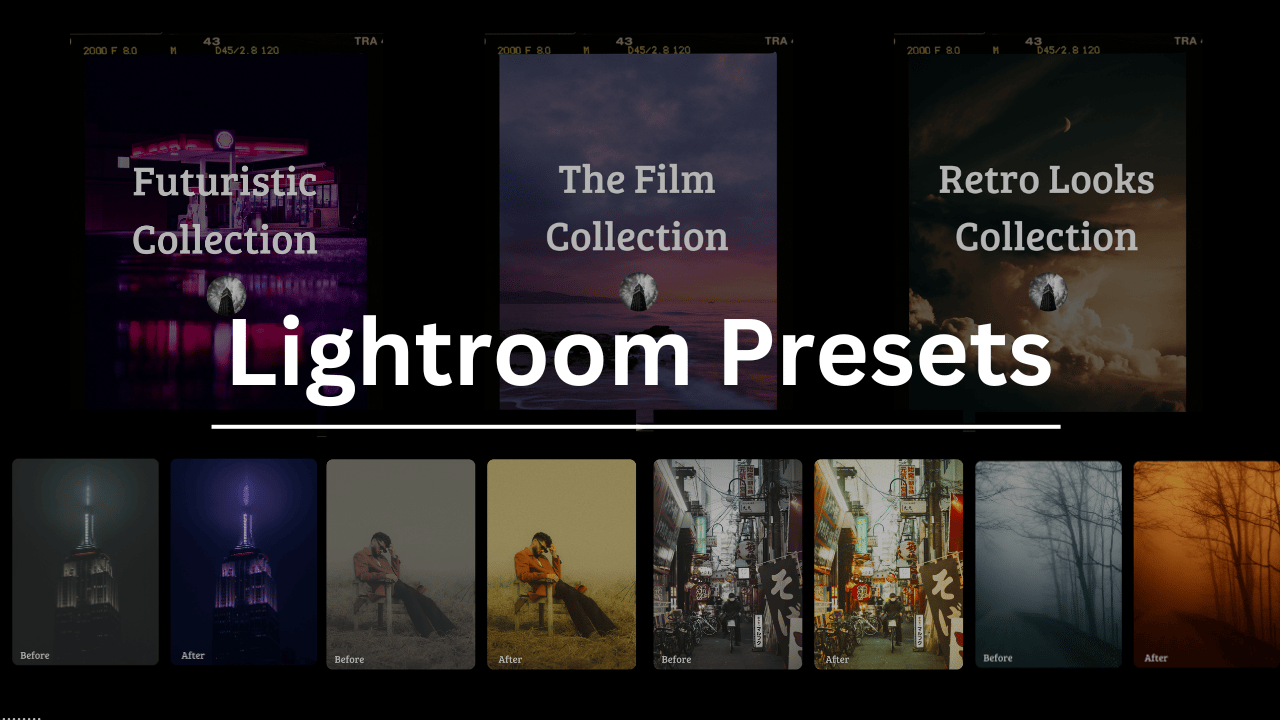
Download The World’s Best Lightroom Presets
Something You Have To Check Out
The Drink Everyone’s Reaching For This Spring 🍸✨

Spring doesn’t have to mean a packed schedule and another drink you regret tomorrow.
This season, I’m reaching for something different: Vesper by Pique.
Pique is known for blending ancient botanicals with modern science to create elevated wellness essentials. Vesper might be my favorite yet. It’s a non-alcoholic, adaptogenic aperitif that delivers the relaxed, social glow of a cocktail. Without alcohol or the next-day fog.
It’s what I pour when I want something special in my glass on a bright spring evening. Each sip feels celebratory and uplifting. Relaxed body. Clear mind. No haze. No sleep disruption.
Crafted with L-theanine, lemon balm, gentian root, damiana, and elderflower, Vesper is sparkling, tart, and beautifully herbaceous.
If you’re ready for a new kind of happy hour, try Vesper here. 🌿✨
Weekly Photo Technique Exploration
Welcome to a new section of the magazine where every week we will explore a new photography technique from across various photography genres.
This week’s technique: Pinhole Photography

Illford/Helen Hooker
Ewan McGregor
Illford/Helen Hooker
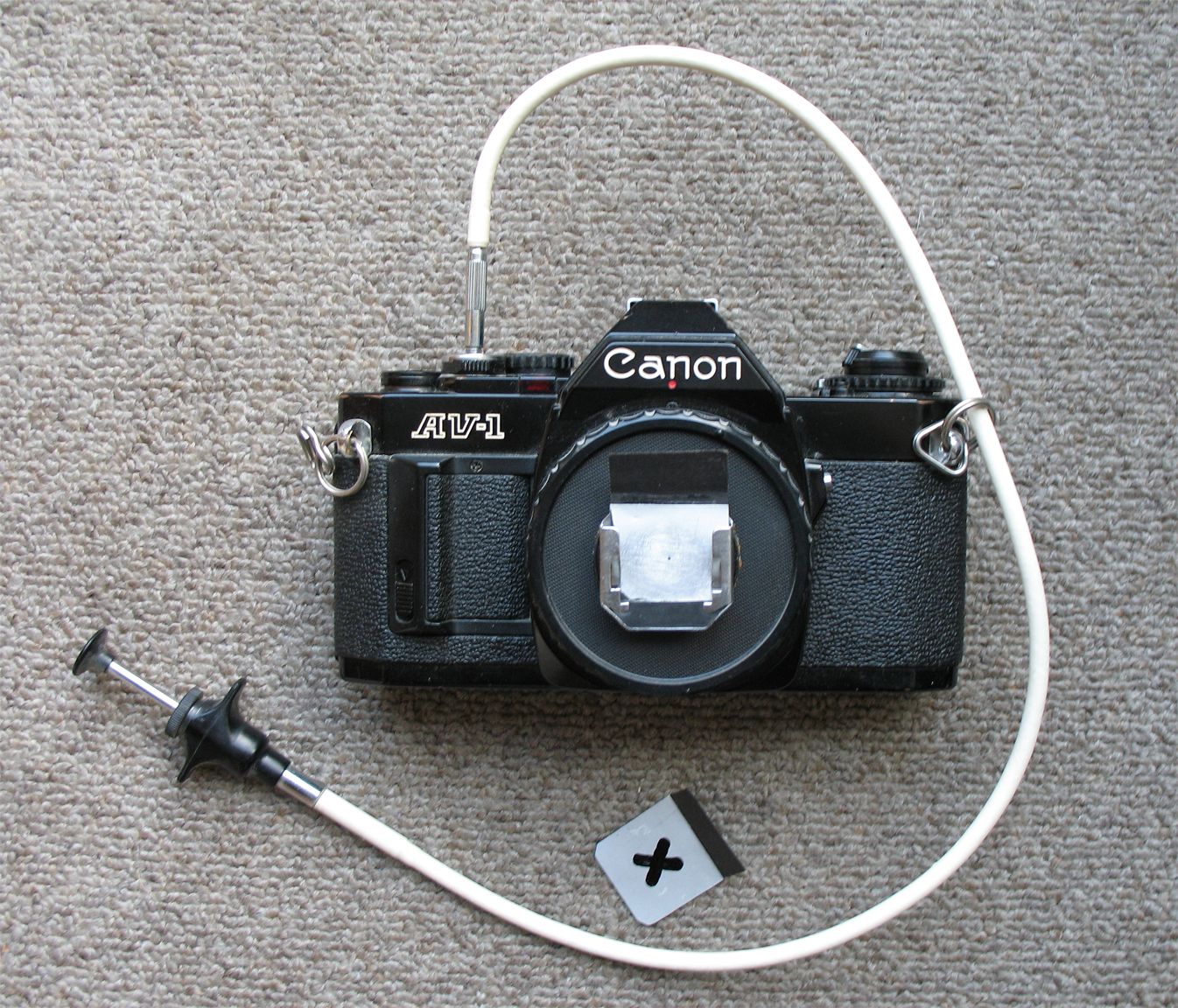
Camera with DIY pinhole application (by Ulli Purwin)
What Is Pinhole Photography?
Pinhole photography is pretty much the most stripped-down form of photography possible. Instead of a lens, you use a tiny hole (literally a pin-sized opening) to let light hit your camera’s sensor (or film of course). It is how cameras started. Before lenses, there were camera obscuras, where photographers would project an image through a small hole onto a wall to then trace it. Modern pinhole photography is basically that same idea, just in ‘‘modern’’ camera form.
How It Works
When light passes through a super small hole, it projects an inverted image of whatever is in front of it. The smaller the hole, the sharper the photo (up to a point of course), the bigger the hole, the blurrier it gets.
The cool thing is that you can make a pinhole camera out of almost anything → an old film camera body, a shoebox, a tin can, or even your digital camera with the lens removed + a bit of foil taped over the mount.
How to Make One
If you want to DIY yourself a pinhole camera (out of your normal camera), here is a little instruction manual:
Take a spare camera body cap.
If you have got a DSLR or mirrorless camera, take the body cap (Make sure it is a spare/old one → see next step).
Drill a small hole in the center.
Does not have to be perfect, just enough to let a bit of light through (also keep in mind that you can always make the hole bigger later, making it smaller afterwards is a little more challenging).
Tape foil over the hole and poke a pin through it.
That pinhole becomes your new “lens.” The smaller and cleaner the hole, the better your photo will look.
Mount it back on your camera.
And done, you just built yourself a pinhole camera.
→ Up top you can see a photo of a camera with that DIY installation.
If you want to be super old-school, you can go full analog and build one out of a box and film paper, but this digital version is faster to experiment with and gives you better overall results.
Shooting With a Pinhole
This is where things get interesting and a bit weird/experimental
Your “aperture” is tiny, usually around f/150 to f/300 depending on the hole size. That means very little light gets in.
Because of that, you will be using long exposures, several seconds in bright light, or even minutes if it is cloudy.
A Tripod is 100% necessary in my opinion. You will be shooting slow enough that even breathing near the camera will shake it.
Keep in mind that everything is in focus. There is no glass, no focus ring etc.
If you are using digital, start around ISO 100, set your shutter to 2–10 seconds in daylight, and adjust from there until you get the right exposure.
The Iconic Look
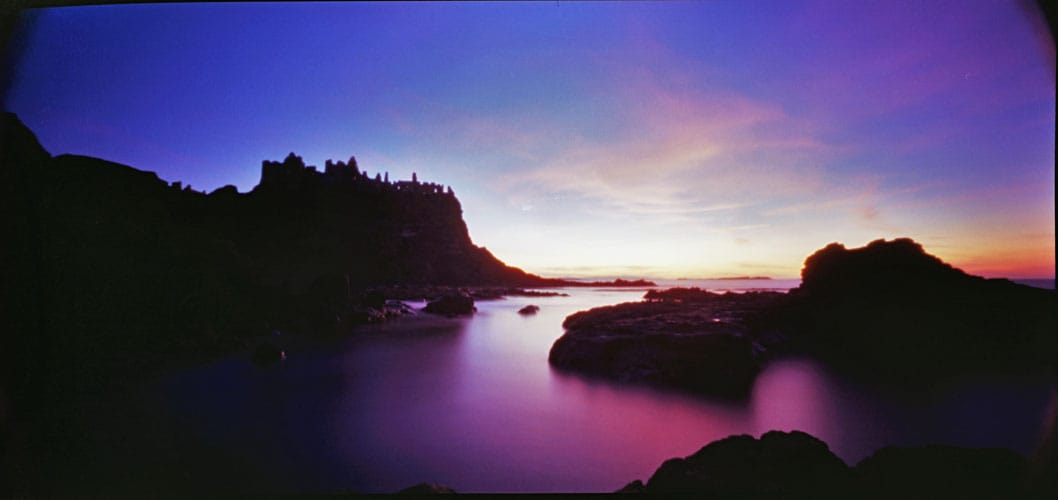
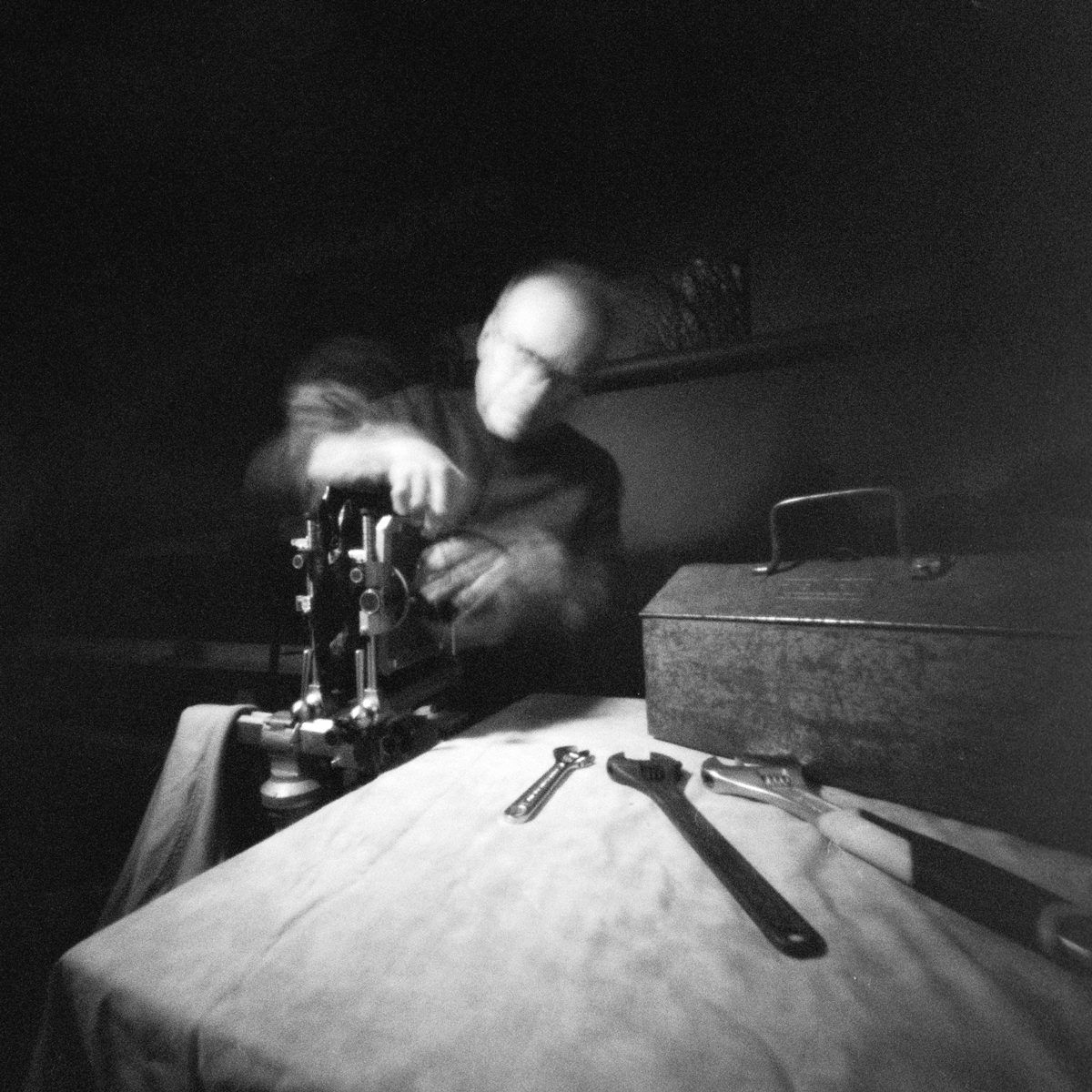
Pinhole photos have this soft, timeless look, kind of like very old film but with its own character. The edges are a little blurry, light falls off in unpredictable ways, and motion blur creates a ‘‘ghostly’’ look (you can see that in one of the B&W photos above).
Tips That Help
Since you are losing so much light through that tiny hole, shooting outdoors and in daylight makes life a lot easier.
People walking through your composed scene will blur or even disappear, giving you an eerie/empty look, definitely try it out.
Make sure to cover the hole between shots, dust and dirt is not your friend, especially with a lensless setup.
*advertisement (please check it out to support the magazine, it only takes a second and truly helps a lot)
Gray Hair? This Is How You Reduce It Naturally

Most gray hair solutions either don't work or look like they're working. Particle Anti-Gray Serum gradually restores your natural color from the root — hair and beard — without dye or complicated routines. Five seconds a day. Results that look like yours.
The Rest of this Issue is for Premium Subscribers
