📸 The Magazine For Photographers - Bite Size
Read the Latest Photography News and Updates in the Creative Industry in 3-4 minutes or less ;)
In partnership with


Important note: All photography articles are NOT sponsored
The Latest News:
Meike’s New AF 56mm f/1.7 Air Lens

credits: Meike
Meike has announced a new AF 56mm f/1.7 Air lens for APS-C Sony E-mount cameras, adding another lightweight option to its lineup. On APS-C, that 56mm works out to roughly an 85mm equivalent, so it sits right in that classic short telephoto range that is often used for portraits.
Looking at the specs, the lens uses an 11-element, 7-group optical design and has a 9-blade aperture, which should help with smoother background rendering. The aperture runs from f/1.7 to f/16, so it covers both low-light shooting and stopping down when needed. The minimum focusing distance is 0.55 meters, which is pretty typical for this kind of lens. It also uses 52mm filters. Physically, it is pretty compact at 66.5mm × 59.2mm and weighs around 190 grams.
Meike also released an MTF chart along the announcement, which gives a rough idea of what to expect. At f/1.7, sharpness looks strong in the centre, but there is a visible drop-off toward the edges, especially in the higher frequency lines, which usually means softer corners wide open. By f/8, things look a lot more even across the frame, with better overall consistency. The Meike AF 56mm f/1.7 Air is priced at $169 and comes in black and white.
You can see full details and sample shots on Meike’s website here
The Latest Panasonic Rumours

credits: Panasonic
New Panasonic rumours are starting to circulate, with updates expected across both full-frame and Micro Four Thirds systems. On the full-frame side, the LUMIX S9 II is said to stick with its compact, lightweight design but fix some of the main complaints about the original. The addition of a hot shoe is a big one, along with improvements to the overall build, which should feel more solid and less “plastic” this time around.
The LUMIX S5 III is expected to move further into flagship territory as a true hybrid camera. The main focus here is a new AI-based autofocus system, which could be important if Panasonic finally improves its tracking performance to match competitors. For video, the LUMIX S1H II is rumoured to push things further with 6K and 8K internal recording, along with ProRes RAW support, which would place it in the high-end video space if those specs turn out to be accurate.
At the same time, Panasonic does not seem to be leaving its other lines behind. The LX100 III is rumoured to return as a compact option, while on the Micro Four Thirds side, both a GX9 successor and the next-gen GH8 are said to be in development. None of this is officially confirmed yet, but it looks like Panasonic has a pretty active period ahead.
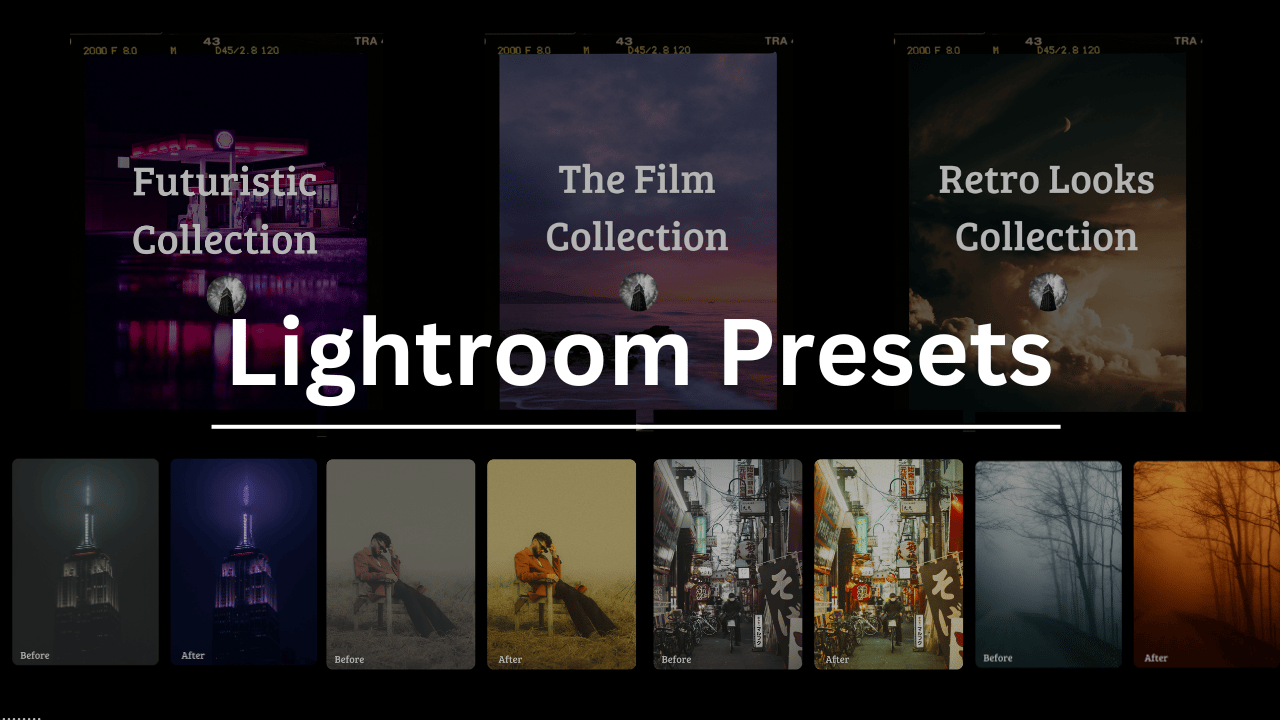
Download The World’s Best Lightroom Presets
Something You Have To Check Out
Explore Peru with purpose

See Peru through the eyes of the women who call it home on Intrepid’s brand-new Women’s Expedition.
With an expert local leader out front and a small group of like-minded women by your side, this trip connects you with the local communities you visit ,giving you a unique insight into Peru’s culture and traditions.
With an expert local leader out front and a small group of like-minded travellers by your side, this trip gives you a unique insight into Peru’s culture and traditions.
Part of Intrepid’s Women’s expedition range, this eight-day adventure has been thoughtfully designed to support local women in tourism while delivering immersive experiences specifically for women travellers.
You’ll traverse the lesser-known Chinchero to Urquillos trail in the Peruvian Andes alongside an all-female crew, spend time in an Andean village learning about daily life, take part in a traditional textile workshop led by local women and experience a spiritual cleansing ritual guided by a female shaman.
Weekly Photo Technique Exploration
Welcome to a new section of the magazine where every week we will explore a new photography technique from across various photography genres.
This week’s technique: Reverse Lens Macro

Bern Jochen

Ilme Fischer

Doc Masky
What Is Reverse Lens Macro Photography?
As you know, your typical camera lens is built to focus on things a few meters away and beyond, however, if you flip that lens around (so literally mount it backwards) it works in reverse and suddenly lets you focus on subjects just a few centimetres away from your camera.
It is an old trick that photographers have been using for decades, and it is still one of the cheapest ways to try out macro without any fancy/expensive gear (I absolutely recommend you try it at least once, you never now, macro photography might just become your new favourite genre ;)).
How to Do It
Use a Reversing Ring (or DIY It). A reversing ring is an adapter (around $10–$20 on amazon) that screws into the filter thread of your lens and attaches to the camera mount. That way, you can mount your lens backwards safely. Without one, you technically can just hold the lens backwards in front of your camera, but it is a little awkward and you risk dropping/damaging/smudging it (so please be extra careful).
Pick the Right Lens. Wide-angle primes like 24mm or 28mm are pretty much optimal for this. The wider the lens, the higher the magnification when reversed. A 50mm works too, but the magnification isn not as extreme.
Get in close. With a reversed lens, the focus distance is tiny, sometimes just a few centimetres. You will have to bring your subject almost right up to the lens to get it sharp.
Manual Everything. Autofocus won’t work with this technique. You will need to move the camera itself back and forth until the subject looks sharp. Same goes for aperture —> if your lens does not have an aperture ring, you might be stuck shooting wide open unless you use tricks to lock the aperture in place.
Camera Settings
Aperture: Wide open (f/1.8–f/2.8) gives you a very thin depth of field, but stopping down (f/5.6–f/8) gives a bit more sharpness. Keep in mind that you will need lots of light if you stop down.
Shutter speed -> Keep it fast if you are handholding -> 1/200s or quicker.
ISO: Raise it if needed, but keep it as low as possible for detail.
Lighting: This is the tricky part. Because you are so close, light struggles to reach your subject. A ring light, LED panel, or even just a flashlight from your phone makes an immense difference.
A Few Tips Before You Try It
Use a tripod whenever possible, handheld shooting at this distance is tough + if you are not using an adapter for your lens, you will have to juggle both the lens and the camera.
Add extra light —> Like I said, do not rely just on ambient light. Literally any other extra light source will get you much better results.
Try focus stacking in post if you want more of your subject sharp.
Make sure to protect your gear → do not let dirt or fingers touch the exposed rear element of your reversed lens.
*advertisement (please check it out to support the magazine, it only takes a second and truly helps a lot)
Your Shampoo Is Making Your Hair Thinner. Use This Instead.
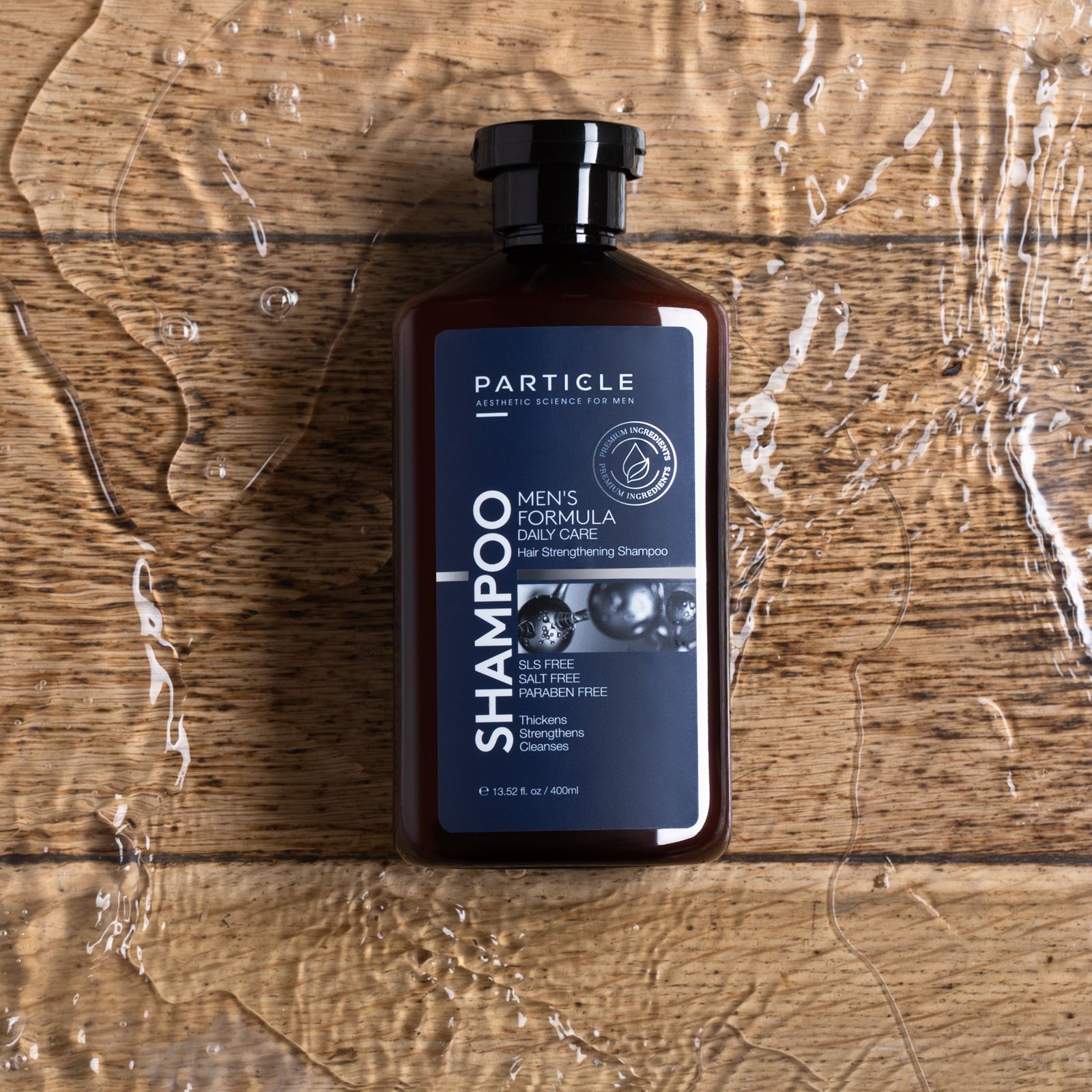
SLS, salt, parabens — the standard shampoo formula that cleans while quietly working against your hair. Particle Hair-Thickening Shampoo has none of those harmful ingredients. SLS-free, salt-free, paraben-free. Science-backed formula that rebuilds from root to tip. A simple switch. Try it risk-free.
The Rest of this Issue is for Premium Subscribers
