📸 The Magazine For Photographers - Bite Size
Read the Latest Photography News and Updates in the Creative Industry in 3-4 minutes or less ;)
In partnership with


Important note: All photography articles are NOT sponsored
The Latest News:
Canon’s 30th Anniversary Edition PowerShot

credits: Canon
Canon is celebrating 30 years of the PowerShot series, by rolling out a limited-edition version of its most successful compact to date, the PowerShot G7 X Mark III. The PowerShot line goes all the way back to July 1996 with the original PowerShot 600, a very different kind of camera by today’s standards, with a fixed 50mm-equivalent lens and a tiny 0.57-megapixel CCD sensor. Fast forward to early 2026 and Canon has released around 200 different PowerShot models in the US alone, showing just how long-running and varied the series has become.
Inside, the PowerShot G7 X Mark III 30th Anniversary Edition is exactly the same camera Canon launched back in 2019. That means a 20-megapixel 1-inch stacked CMOS sensor, DIGIC 8 processor, and 4K video recording at up to 30p. It also keeps the same built-in 24–100mm equivalent f/1.8–2.8 zoom lens.
What makes this anniversary version ‘different’ is mostly about presentation. Canon has given it a new graphite finish, added a dedicated 30th Anniversary logo on the top plate, and bundled it in special packaging. In the US, Canon is also including a limited-edition Peak Design wrist strap and a 32GB SD card. The camera is set to go on sale in April 2026 in very limited numbers, though Canon has not said exactly how many units will be made. The price is $1,299, which is a $419 premium over the standard G7 X Mark III.
The Latest Nikon Rumours

credits: Nikon
Exciting rumours are swirling around a possible new Nikon camera, and it looks like 2026 could be busier than expected for the brand. Until now, most of the talk has centred on two models, the long-rumoured Nikon Z9 II and a new APS-C body. But according to multiple sources, there is a third camera in the pipeline, a full frame camera that is ‘‘made for photographers’’.
The idea seems to be a photo-focused sibling to the Nikon ZR, sharing a similar design language and overall footprint but optimised for stills. The body is said to be extremely slim, somewhere in the range of 2.2 to 2.5 centimetres thick, which would actually make it one of Nikon’s thinnest full-frame cameras, ever.
According to the same reports, this camera would not include an electronic viewfinder. For many photographers, that is a tough pill to swallow, and the Nikon community has been quick to react. Some are hoping Nikon could squeeze in a small corner EVF, similar to Fujifilm’s X-E series, or at least offer an optional external viewfinder. So far, though, the rumour is firm, no EVF. Still, general interest appears strong. In a Nikonrumors poll with around 2,400 participants, 53% said they would be interested in a “ZR-style” camera for photographers, while 32% were not convinced and 15% said they needed more details before deciding.
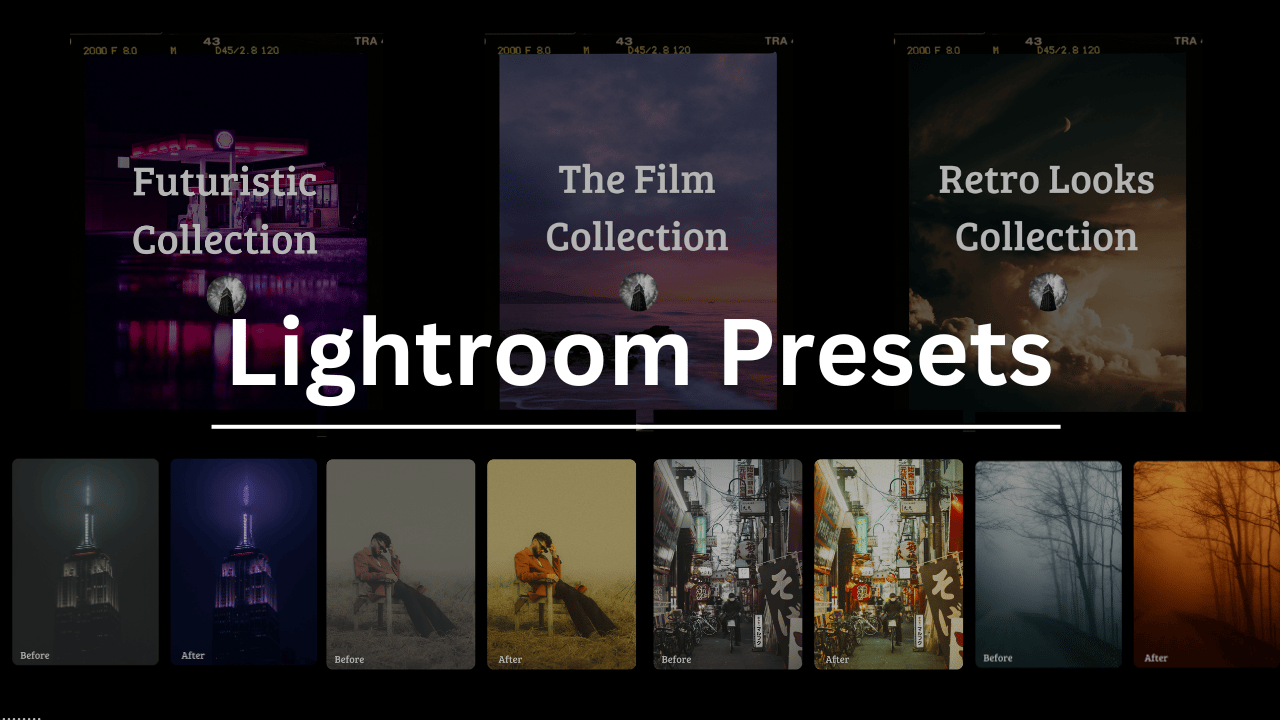
Download The World’s Best Lightroom Presets
Something You Have To Check Out
Smart starts here.

You don't have to read everything — just the right thing. 1440's daily newsletter distills the day's biggest stories from 100+ sources into one quick, 5-minute read. It's the fastest way to stay sharp, sound informed, and actually understand what's happening in the world. Join 4.5 million readers who start their day the smart way.
Weekly Photo Technique Exploration
Welcome to a new section of the magazine where every week we will explore a new photography technique from across various photography genres.
This week’s technique: Low Key Lighting

Skylum

Arem medina

Skylum
What is Low Key Lighting?
A few weeks ago, I introduced you guys to high key lighting. Today, let’s talk about the opposite low key lighting → this is all about using minimal light to highlight just the parts of your subject that matter, everything else fades into shadow/darkness. It creates deep blacks and rich contrast. You have probably seen low key lighting in film noir, dramatic portraits, fashion editorials, and even some still life or product shots before.
When does it work well?
Low key lighting is perfect when you want your photo to feel:
Mysterious, intense
Elegant
Serious, moody, or artistic
Focused (like all attention is on one thing → texture of water drops on skin for example (as seen in the photo above))
Again, it is especially great for things like portraits, black & white street photos, nude or body-form photography, product photos and even concert or performance shots.
How to Shoot Low Key (controlled environment version)
You really do not need fancy equipment here → basically just a light source you can control and a dark background or general environment. Here is, step by step, what you want to do:
1. Cut the ambient light
The less stray light in your space, the better. Turn off overheads, cover windows, shoot at night → whatever it takes to get a darker environment.
2. Use one main light source
One light is often enough. Could be a strobe, a continuous LED, or even a window with the blinds cracked. Keep the light directional (coming from the side, above, or behind) so it carves out shapes and shadows.
3. Position your subject in the shadows
Only light what you want the viewer to see. Everything else? → Let it fade into black. That might mean lighting just half the face or letting most of the body fall into shadow.
4. Dark background, dark wardrobe etc.
Make sure the background is not picking up stray light. A black curtain, dark wall, or even shooting into an unlit space works. And if your subject wears black or deep tones, they will blend in nicely, letting the light really pop where you want it (the hands for example).
5. Camera settings
Keep your ISO low to avoid noise in those dark areas.
Use a fast shutter speed to avoid ambient light creeping in.
Aperture depends on the look you want—f/2.8 for shallow depth, f/8 if you want more sharpness.
Meter for the highlights, really let the shadows go dark.
Doing It Outdoors
Yes, you can do low key outdoors too. Here is how:
Wait for blue hour or nighttime (best).
Find a single light source, like a streetlamp, a light up shop sign, car’s headlights etc.
Again: expose for the light, not the shadows. Let everything else drop off into blackness.
Shoot in an alleyway or a spot with heavy directional shadows.
Creating Low Key in Post
If your photo is not quite dark or contrasty enough out of camera (when shooting outside, that will probably be the case), editing can help you get there, of course ;)
Drop the exposure or black point overall.
Increase contrast and deepen shadows.
Use brushes or masks to selectively darken parts of the frame.
Desaturate or go all black & white.
Optionally add vignette or burn the edges to guide the viewer’s eye.
The Rest of this Issue is for Premium Subscribers
