📸 The Magazine For Photographers - Bite Size
Read the Latest Photography News and Updates in the Creative Industry in 3-4 minutes or less ;)
In partnership with


Important note: All photography articles are NOT sponsored
The Latest News:
The Ultimate Phone For Photographers?

credits: Oppo
Oppo is bringing the new Find X9 Ultra to the global market and, according to the company, it is ‘the ultimate phone for mobile photographers’, with Hasselblad co-engineering the system. The phone uses a quad-camera setup, including a 50MP periscope telephoto with 10x optical zoom, two 200MP sensors, and a 50MP ultra-wide (14mm). The periscope module is one of the more interesting parts, using a five-prism system to bend the light path and keep the module relatively compact while still reaching that longer focal length. It also includes sensor-shift stabilisation, which should help keep shots sharper at higher zoom levels.
The main camera is built around a 1/1.12-inch Sony Lytia 901 sensor with an f/1.5 aperture, which is slightly smaller than the previous 1-inch sensor, but Oppo is relying on the wider aperture to make up for that in terms of light. The second 200MP sensor is used for a 3x telephoto (around 70mm equivalent), and it can focus as close as 15cm. Hasselblad’s role shows up mostly in colour tuning and shooting modes, including a mode that outputs 50MP RAW and JPEG files at focal lengths like 14, 23, 70, and 230mm, with a couple of cropped options in between.
There is also an optional teleconverter attachment that pushes the 3x camera to around 300mm equivalent, and with sensor cropping, up to roughly 690mm. It is not true optical reach, but it shows how Oppo is trying to stretch the system using those high-resolution sensors. In terms of video, the phone supports 4K120 and 8K30, along with a log profile (O-Log2) that works with the ACES colour system. On the inside, the phone runs on a Snapdragon 8 Elite Gen 5, with a 6.82-inch AMOLED display (144Hz, up to 3,600 nits) and a 7,050 mAh battery. It is set to launch in Europe in May 2026 starting at €1,699, with a U.S. release to follow later.
Sony’s Upcoming 100-400mm f/4.5 GM II Lens

credits: Sony
The upcoming Sony FE 100–400mm f/4.5 GM II is starting to take shape, with new reports and leaks adding a bit more clarity around its design and expected price. Nothing is official yet, but based on what sources are saying, this looks like a fairly substantial update over the current version, especially in how the lens is built and how it handles.
One of the bigger changes is the switch to an internal zoom design, meaning the lens will not extend when zooming. That is a noticeable update from the current 100–400mm GM, which uses an extending barrel. An internal zoom setup usually helps with weather sealing and balance, but it also means the lens is likely to be larger overall, even at its shortest length. Reports suggest it could be similar in size to the FE 200–600mm (so about 318mm length and 2,110g weight). The lens is also expected to feature a constant f/4.5 aperture, instead of the variable f/4.5–5.6 on the current model, which would be a meaningful upgrade for consistency across the zoom range.
Sources also say that the switches have been moved further back toward the mount, while the tripod collar has been pulled forward, closer to the focus ring. The spacing between the aperture and focus rings is reportedly very tight, leaving minimal room for markings. Pricing is expected to land somewhere around $4,700, which would be a significant jump from where the current version sits today. The lens is rumoured to be announced around mid-May, possibly alongside the Sony A7R VI.
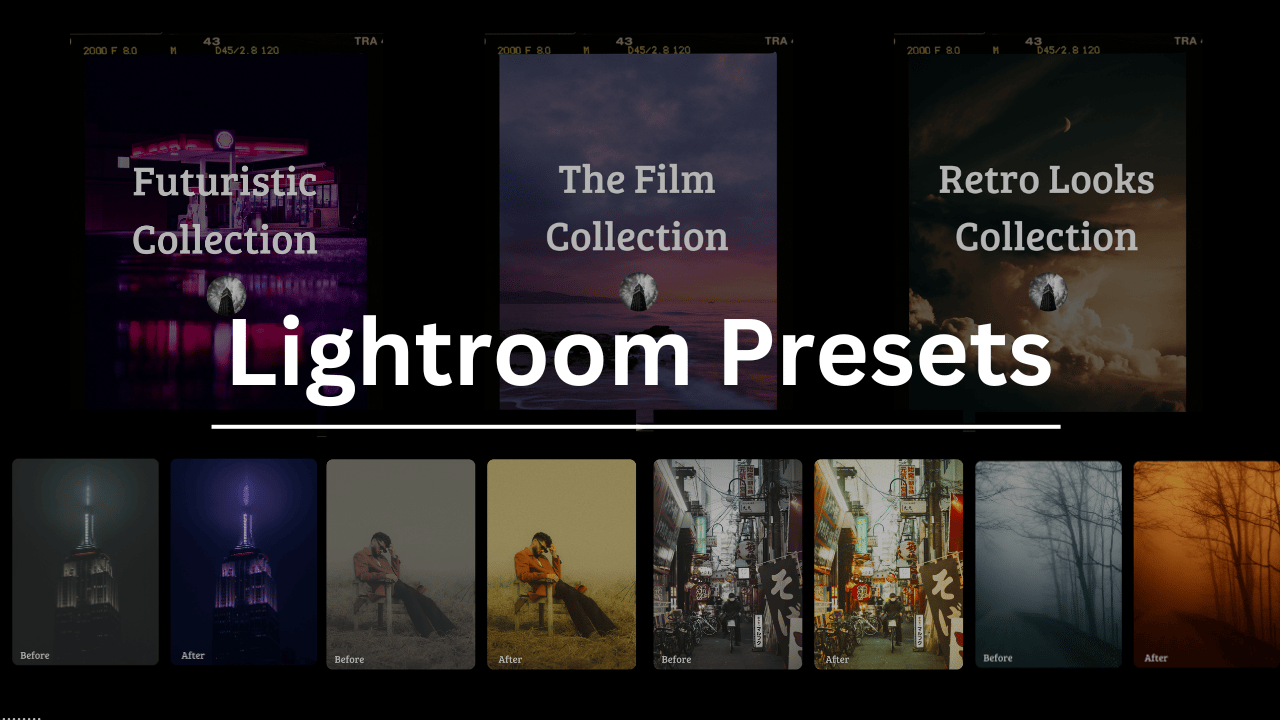
Download The World’s Best Lightroom Presets
Something You Have To Check Out
You think 4x faster than you type. Your IDE should keep up.

Wispr Flow lets you dictate prompts, acceptance criteria, and bug reproductions inside Cursor or Warp — with automatic file name and variable recognition. Say user_id, get user_id. Say useEffect, get useEffect.
Paste directly into GitHub, Jira, or Linear. Give coding agents the full context they need without typing a novel.
89% of messages sent with zero edits. Millions of developers use Flow daily, including teams at OpenAI, Vercel, and Clay. Free on Mac, Windows, and iPhone.
Weekly Photo Technique Exploration
Welcome to a new section of the magazine where every week we will explore a new photography technique from across various photography genres.
This week’s technique: Stroboscopic Flash Photography


What Is Stroboscopic Flash Photography?
Stroboscopic flash photography is a technique where your flash fires multiple times during a single exposure, capturing a sequence of movement in one shot. You end up with several “ghosted” positions of your subject layered across the photo.
This technique is very popular in sports shots or dance photography, like a runner appearing multiple times, or a dancer repeating their motion step by step, but you can literally do it with any subject and get really creative results if you play with it a bit.
How It Works
You set your camera for a long exposure (say, one or two seconds), and then set your flash to stroboscopic mode, most speedlights have a setting called “Multi” or “Stroboscopic.”
This now lets you control three key things:
Frequency (Hz) —> how many times the flash fires per second.
Number of flashes —> how many total pops happen during the exposure.
Flash power —> how bright each flash is (lower power = shorter bursts, so you can fit more flashes in).
So, for example, if your flash is set to 5 Hz and 10 flashes, that means it will fire 10 times over 2 seconds (5 pops per second) and each pop will obviously freeze your subject in a slightly different spot/position (so make sure your subject actually moves).
How to Shoot It
Get a dark environment (pretty important)
You want a mostly black background so only the flash exposures show up. A very dark room (ideal) or shooting during the night works well.
Use a tripod
You will be doing long exposures, so you have to keep the camera locked down.
Set your exposure
Start around 1–2 seconds, f/8, ISO 100. You can obviously adjust later, but that is a good, general start.
Set your flash to “Multi” mode
Then pick your frequency and number of flashes (as explained above).
Kill all ambient light
You do not want ghost trails from other light, the only light should be from your flash (depending on what subject you are shooting, turning the lights completely off can be more or less a challenge).
Have your subject move through the frame
Each flash will freeze your subject mid-motion. They can jump, spin, throw something, or just walk across —> anything with motion.
Tips That Make a Big Difference
Lower flash power = faster bursts. At 1/32 or 1/64 power, flashes can pop rapidly without overheating.
Keep your subject close to the flash. The light does drop off quickly, so staying within a few feet helps.
Use manual focus, because autofocus will just ‘‘hunt’’ in the dark.
Experiment! Change the shutter speed and flash frequency to see what gives the best motion rhythm and what fits/works best for your subject.
*advertisement (please check it out to support the magazine, it only takes a second and truly helps a lot)
How Jennifer Aniston’s LolaVie brand grew sales 40% with CTV ads

The DTC beauty category is crowded. To break through, Jennifer Aniston’s brand LolaVie, worked with Roku Ads Manager to easily set up, test, and optimize CTV ad creatives. The campaign helped drive a big lift in sales and customer growth, helping LolaVie break through in the crowded beauty category.
The Rest of this Issue is for Premium Subscribers
