📸 The Magazine For Photographers - Bite Size
Read the Latest Photography News and Updates in the Creative Industry in 3-4 minutes or less ;)
Sponsored by


Important note: All photography articles are NOT sponsored
The Latest News:
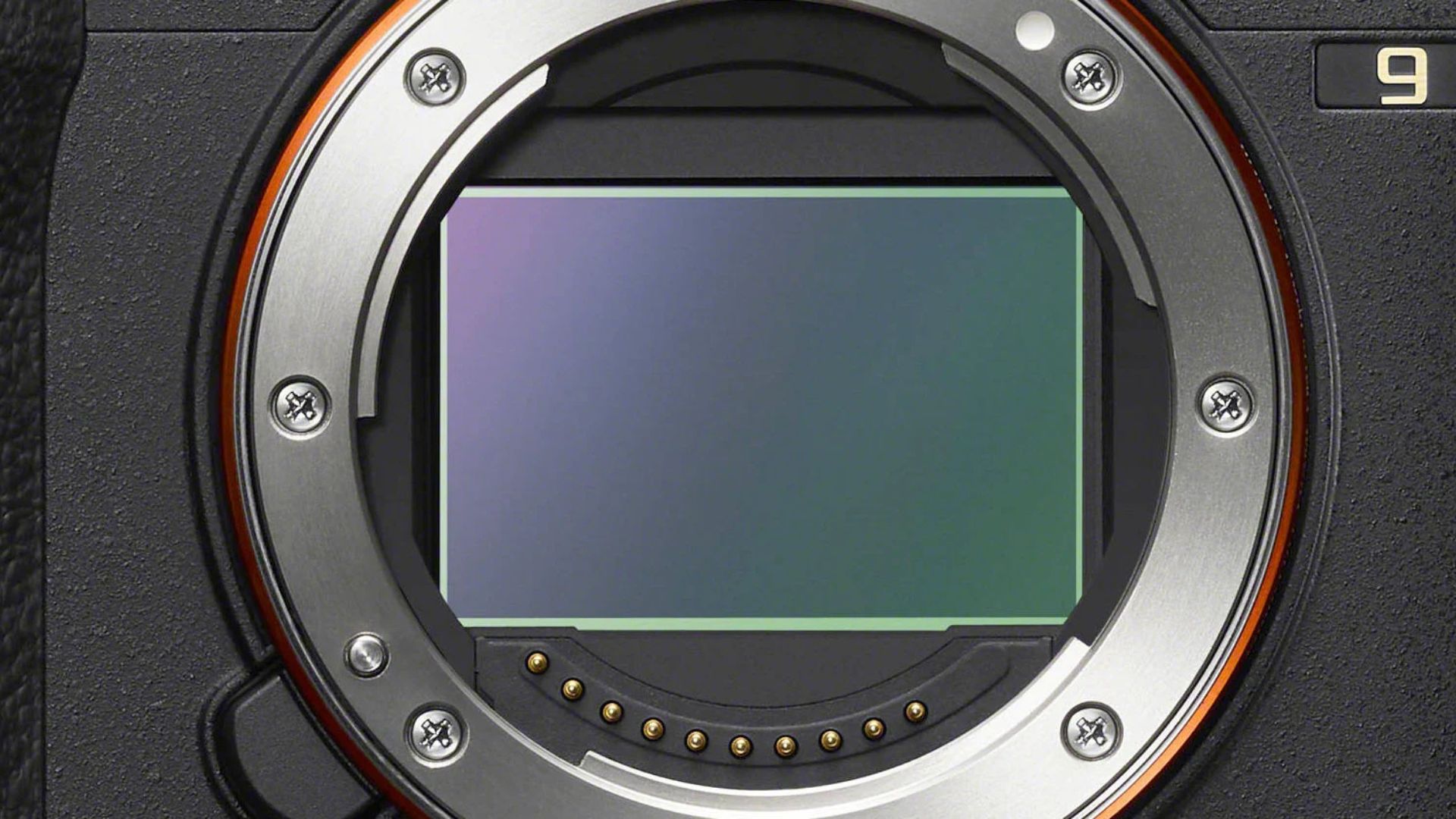
Sony Teams Up With TSMC
credits: Sony
Sony and semiconductor giant TSMC have announced a preliminary agreement to work together on a new image sensor fabrication facility in Japan, with the goal of developing and manufacturing the next generation of camera sensors. The agreement is currently non-binding, but the two companies say the project would involve a new facility in Koshi City, Kumamoto Prefecture, on Japan’s southern island of Kyushu.
The proposed joint venture would combine Sony’s sensor design experience with TSMC’s semiconductor manufacturing technology. Sony would reportedly remain the majority and controlling shareholder in the project. While neither company has gone into technical specifics yet, the goal is centred around producing more advanced image sensors than what is currently available, likely with a focus on faster readout speeds, improved efficiency, and better overall performance for future cameras and imaging systems.
Beyond traditional camera sensors, Sony and TSMC also say the partnership could expand into other areas tied to imaging and sensing technology, including applications for automotive systems, robotics, and AI-related hardware. According to reports from Bloomberg and Engadget, the move is also part of Sony’s broader strategy to reduce how much manufacturing it handles entirely in-house. Sony CEO Hiroki Totoki reportedly described the partnership as a first step toward a more “fab-light” approach, where Sony focuses more on sensor development and intellectual property while working with outside manufacturing partners. It is a similar direction to what Sony has already done in other parts of its business, including its TV division.
The Latest Viltrox Rumours
credits: Viltrox
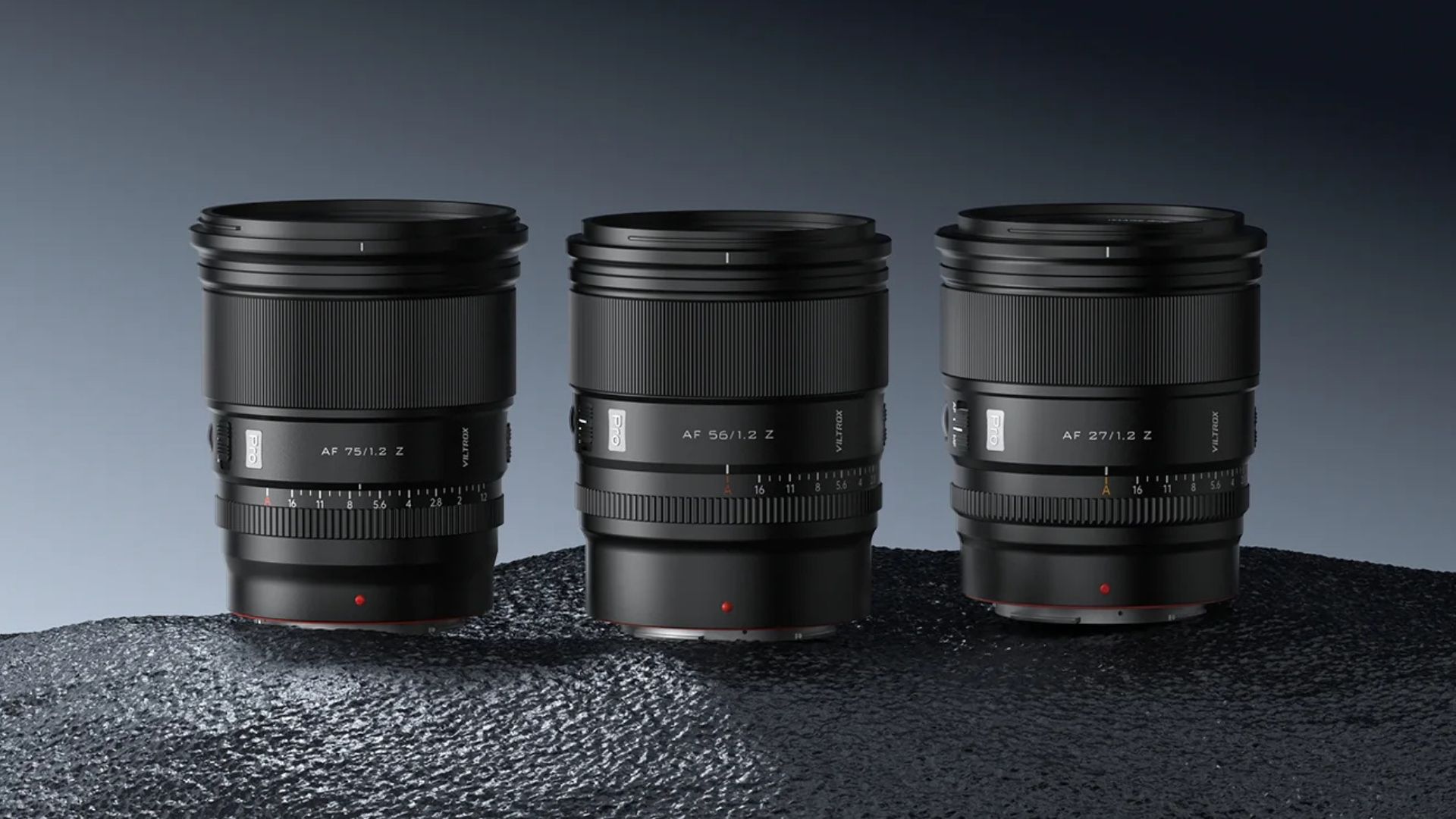
Just ahead of China P&E 2026, rumours are starting to pile up around several new Viltrox lenses, with reports pointing to at least three additions to the company’s Pro series for both full-frame and APS-C cameras. The show takes place in Beijing from May 15 to 18, and based on recent leaks and social media teasers, Viltrox looks set to have a fairly busy event.
According to multiple reports, Viltrox is expected to announce a new AF 35mm f/1.4 Pro for full-frame cameras. The lens is rumoured to launch first for Sony E-mount, with a Nikon Z version expected later. If that turns out to be accurate, it would become the third lens in Viltrox’s full-frame Pro lineup alongside the existing 50mm f/1.4 Pro and 85mm f/1.4 Pro. So far, though, there are still no confirmed specs, optical details, or pricing. For reference, the current 50mm f/1.4 Pro launched at around $670.
At the same time, Viltrox has also started teasing two new f/1.2 Pro lenses for Fujifilm X-mount. The company has not confirmed the focal lengths yet, but speculation on Weibo points toward a possible 18mm f/1.2 Pro and 35mm f/1.2 Pro. If true, that would expand the Fuji X Pro lineup beyond the current 27mm, 56mm, and 75mm f/1.2 lenses. Viltrox has been releasing lenses at a pretty aggressive pace lately, and the Pro series in particular has started carving out a spot as a more affordable alternative to premium first-party glass.
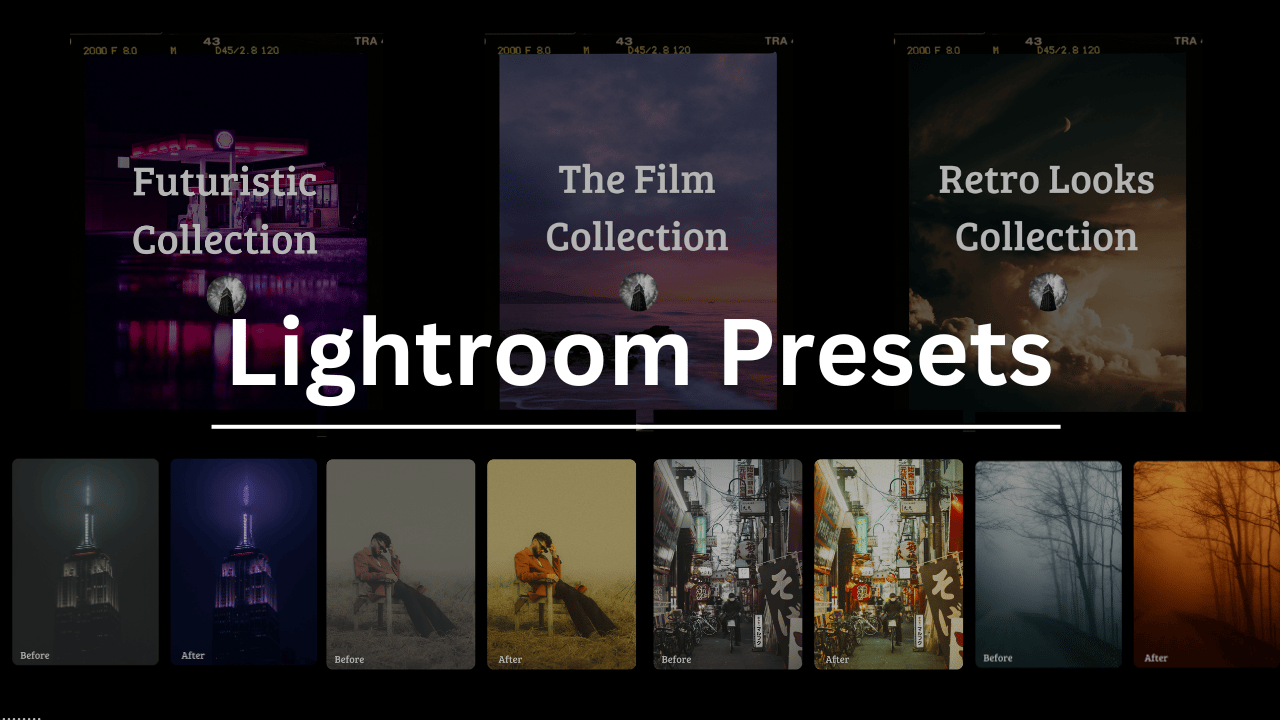
Download The World’s Best Lightroom Presets
Something You Have To Check Out
When did searching turn into an endless scroll?

Social media doesn’t facilitate exploration. You find a topic which interests you, swipe and then see 10 AI videos with fruit.
heywa rewards curiosity. Ask it a question about Stonehenge and it will build you a visual story curated for your learning style. Want to go deeper on one angle? Here’s a new story about the Druids. Curious about something similar? A story about the winter solstice. And there’s no need to reprompt.
heywa is designed to send you down knowledge rabbit holes without diverting your attention into twenty different directions.
Weekly Photo Technique Exploration
Welcome to a new section of the magazine where every week we will explore a new photography technique from across various photography genres.
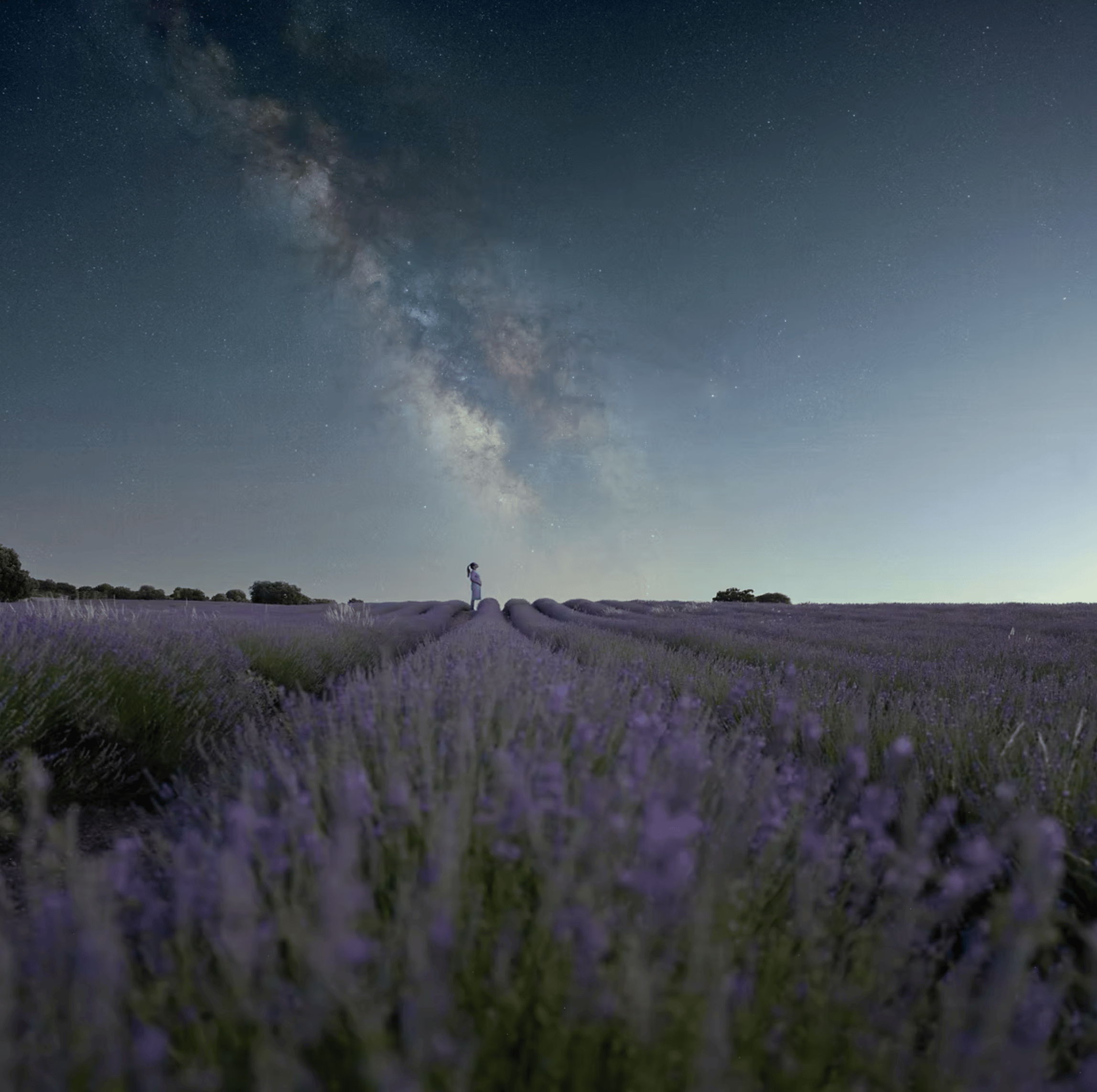
This week’s technique: Exposure Stacking
Xi Len
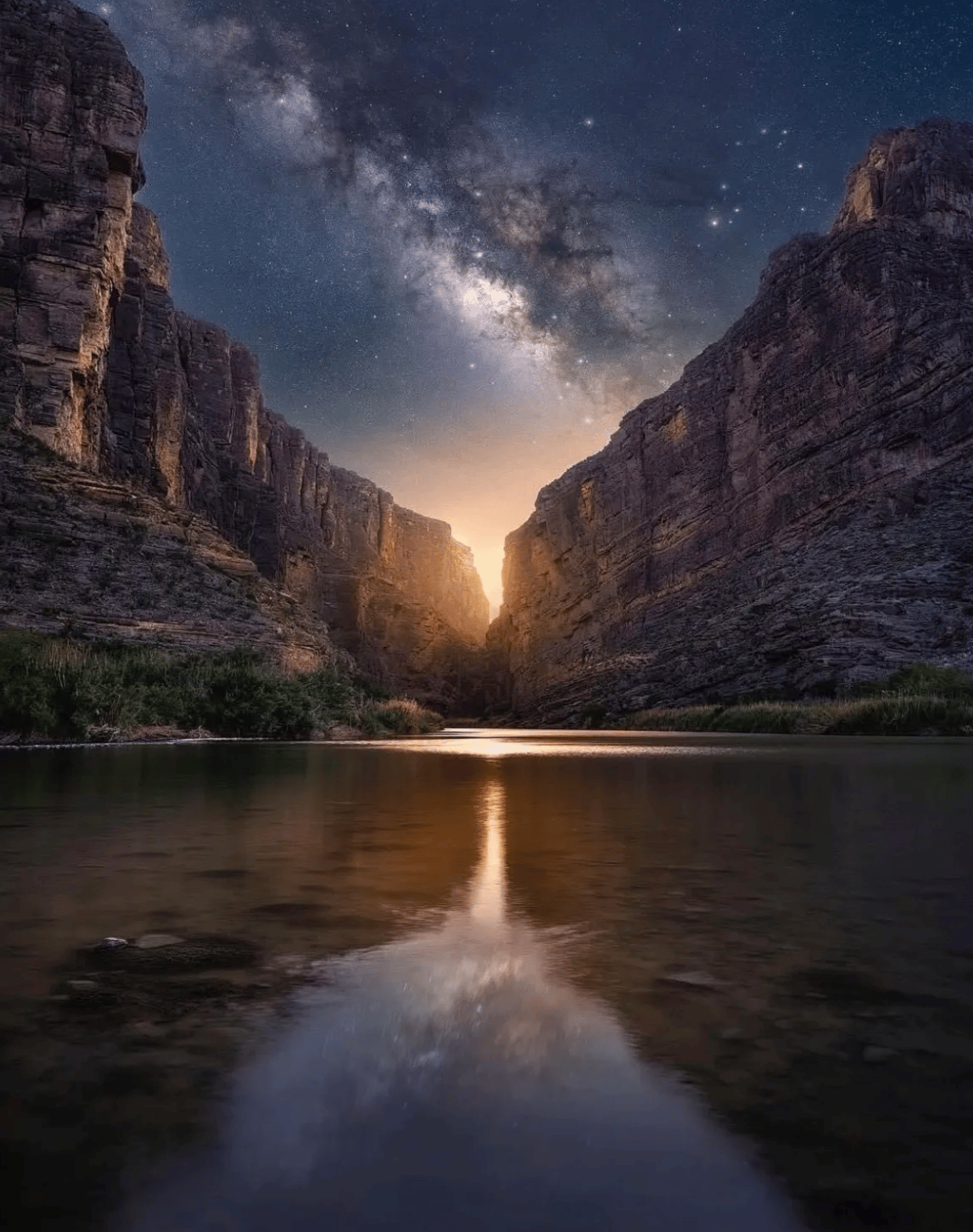
Stephen Hamm
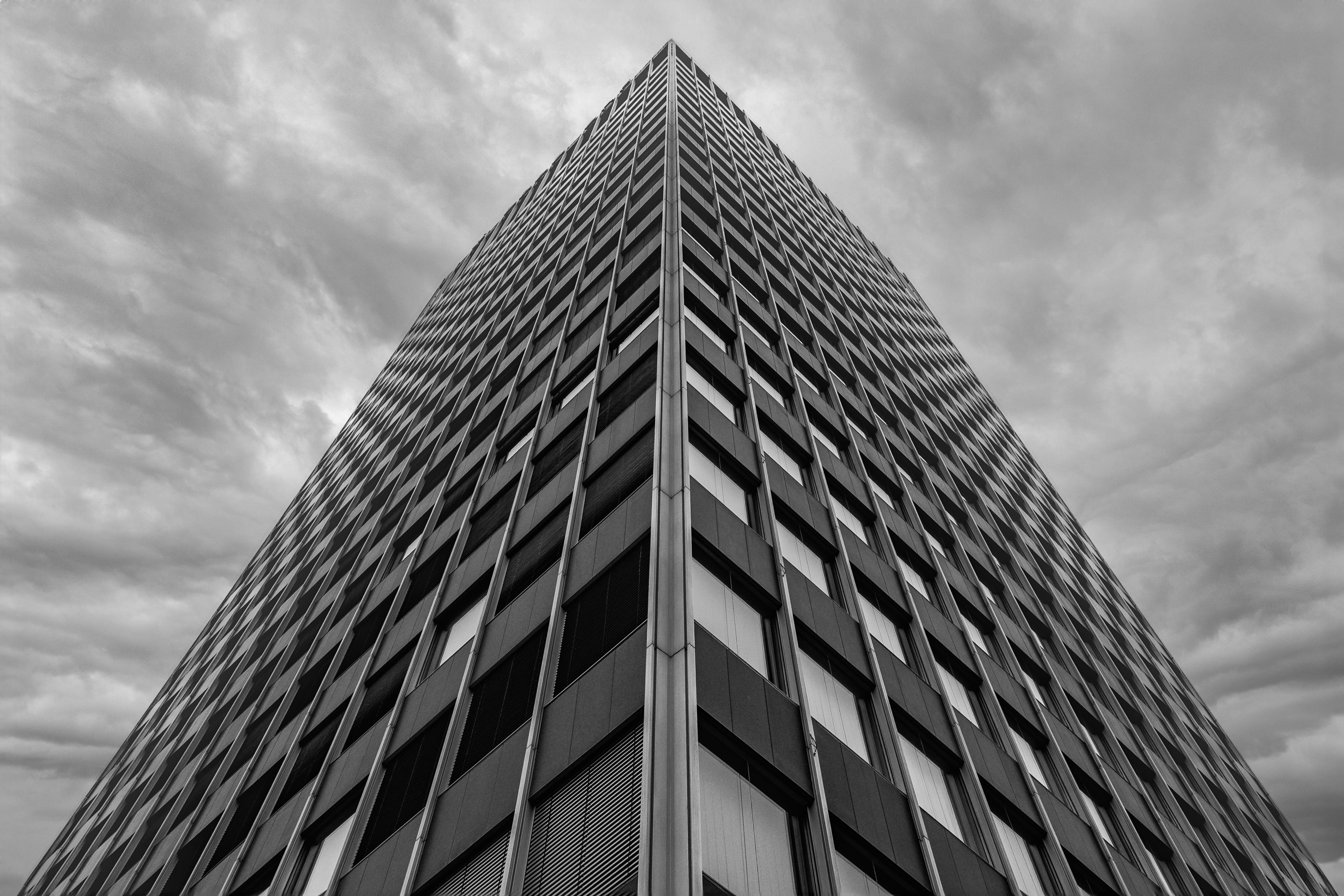
Masood Aslami
What Is Exposure Stacking?
Exposure stacking, sometimes called exposure blending, is when you take several photos of the same scene at different exposure levels (one brighter, one darker, one in between) and then you merge them into a single photo and you keep detail pretty much everywhere. So, instead of picking one “correct” exposure, you take a few and get the best parts from each. It is a very close cousin of HDR (High Dynamic Range) photography, which I have covered before, but exposure stacking usually gives you a more natural look because you are manually blending the exposures rather than letting the camera or software do it automatically.
How It Works
It is actually pretty simple, you lock your camera on a tripod and take a series of shots, all 100% identical except for exposure. For example:
One underexposed (for highlights, like the sky),
One correctly exposed (for midtones),
One overexposed (for shadows and darker details).
Then, you combine them later in post using layer masks in Photoshop (or Lightroom, Photomatix, or Luminar etc.). The final photo blends those exposures together so that nothing is too dark or too bright.
What You Need
A camera that shoots in manual mode or exposure bracketing mode
A tripod, so your shots align perfectly
Photo editing software that supports layers or HDR merging
Optional but helpful, a remote shutter or timer (just to avoid shaking the camera between shots)
How to Shoot
Set up your camera on a tripod —> Keep in mind that the composition cannot move
Use manual mode —> Lock in your aperture and ISO, and ONLY adjust the shutter speed between shots.
Take at least three exposures —> One normal, one a stop or two darker, one a stop or two brighter. You can of course take more if you want super fine control (but at some point it just gets too unnecessarily complex).
Keep your focus locked —> You do not want your depth of field changing between shots.
If your camera has auto bracketing (AEB), turn that on, it will shoot multiple exposures in one go, so you do nott even have to touch the settings between shots.
How to Blend Them
In Photoshop (manual blending):
Open your photos as layers in one file.
Add black masks to your top layers.
Use a soft white brush to “paint” in the parts you want from each exposure (like bringing in a properly exposed sky from one shot, and brighter foreground details from another).
Adjust the opacity and edges until it looks natural.
In Lightroom or other software:
Use the “HDR Merge” feature, however tone it down, avoid the fake, crunchy HDR look.
When This is Useful
Landscapes: A classic, you can expose separately for the sky, ground, and shadows to get full detail.
Architecture: Here it keeps detail visible without blowing out windows, lights, sky etc.
Nighttime photos: You can combine bright and dark frames to balance light trails or stars with darker surroundings.
*advertisement (please check it out to support the magazine, it only takes a second and truly helps a lot)
How Jennifer Aniston’s LolaVie brand grew sales 40% with CTV ads

The DTC beauty category is crowded. To break through, Jennifer Aniston’s brand LolaVie, worked with Roku Ads Manager to easily set up, test, and optimize CTV ad creatives. The campaign helped drive a big lift in sales and customer growth, helping LolaVie break through in the crowded beauty category.
The Rest of this Issue is for Premium Subscribers
